
Quick Guide to Choosing the Right Wrapper for Pastillas
When making traditional Filipino milk candies, selecting the right wrapper for pastillas is just as critical as the recipe itself. The core challenge of wrapping pastillas in the Philippines lies in managing the delicate balance of moisture and fat. Because these candies are primarily composed of milk solids and sugar, they are highly sensitive to the tropical climate’s high relative humidity and elevated temperatures. Without an effective barrier, the sugar on the surface can liquefy, causing the candy to dissolve, lose its shape, or bond permanently to its packaging.
To prevent this, makers use a variety of specialized materials, ranging from traditional clear films to modern edible papers and coated barriers. Each material serves a distinct purpose, whether you are preparing a small batch for personal consumption, wrapping elegant gifts for a special occasion, or packaging large volumes for a commercial confectionery business. Understanding the physical properties of these options allows you to choose a wrapper that preserves the texture of your pastillas while presenting them beautifully.
Essential Features to Look for in Pastillas Wrappers
When evaluating different materials to wrap your pastillas, you must consider several performance dimensions to ensure the candy remains fresh, safe, and visually appealing. The first and most critical parameter is food-grade safety. Because pastillas contain moisture and dairy fats, they can easily absorb chemical compounds from non-certified materials. You should always verify that the product label or supplier specification sheet explicitly states the material is rated for direct food contact. This check ensures that the wrapper does not leach harmful plasticizers, industrial bleaching agents, or toxic pigments into the candy.
Products mentioned in this guide
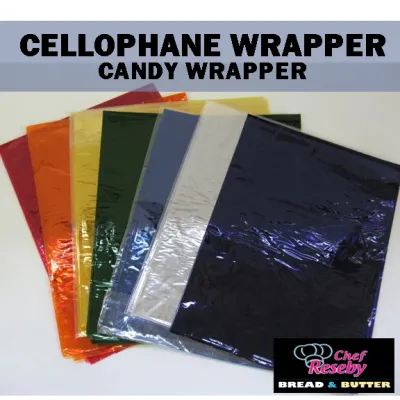
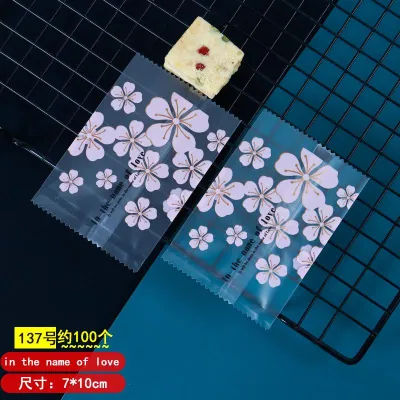
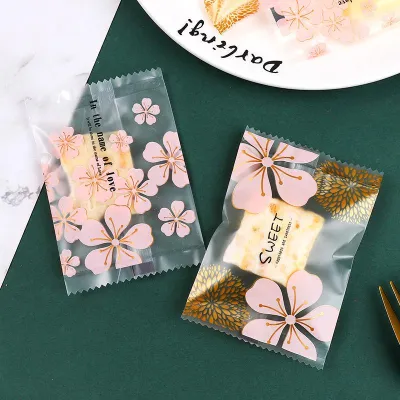
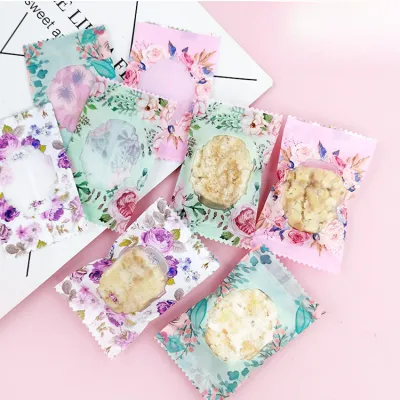
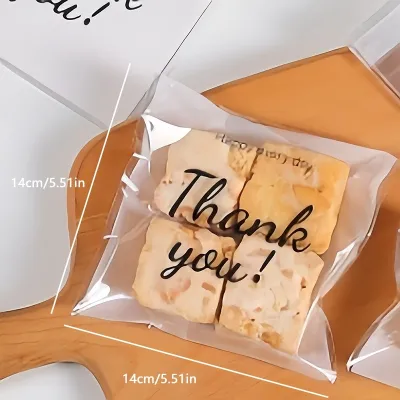
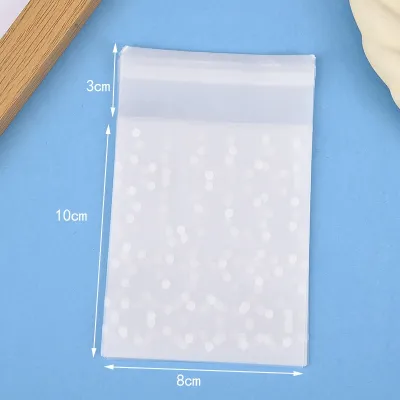
Prices are valid at publication and may change. Please refer to the product page for the latest price.

Non-stick properties are equally vital for a clean user experience. Pastillas have a high concentration of sugar, which becomes tacky when exposed to even minor temperature fluctuations. A wrapper with low surface energy or a specialized food-safe coating prevents the sugar crystals from sticking to the surface. If the material lacks these properties, the consumer will struggle to peel the wrapper away, resulting in a messy presentation and wasted candy. You can perform a simple physical test by pressing a small piece of warm, damp candy onto a sample sheet; a high-quality non-stick wrapper will release the candy cleanly without leaving a residue.
Moisture and grease resistance are essential for surviving the humid Philippine climate. Butterfat from the milk can seep outward, creating unsightly grease stains on standard paper, while ambient humidity can penetrate inward, causing the candy to soften. An effective wrapper must act as a bi-directional barrier, keeping the fats inside and the external moisture out. When sourcing papers, look for those with high density or specialized coatings that resist grease penetration over extended storage periods.
Finally, consider the aesthetics and customization options of the material. The visual appeal of your packaging sets expectations for the quality of the candy inside. Some makers prefer transparent films that showcase the delicate sugar dusting on the pastillas, while others choose opaque papers that can be custom-printed with logos or folded into traditional, intricate designs. The material must also possess the physical flexibility to hold tight twists or neat folds at the ends of each roll without tearing or spring-back, which depends on the thickness and tensile strength of the selected medium.
Recommended Wrapper Materials for Pastillas
Selecting the best wrapper for pastillas requires comparing the physical characteristics, advantages, and limitations of each available material. Depending on your production scale and presentation goals, you may find that a combination of different wrappers yields the best results.
Cellophane and Clear Plastic Films
Cellophane and clear plastic films are highly popular for their ability to showcase the natural texture and sugar coating of pastillas. The transparency of these films provides an immediate visual appeal, allowing customers or gift recipients to see the quality of the candy before unwrapping it. When purchasing clear films, it is crucial to verify that the plastic is specifically rated for food contact. Many craft cellophanes sold in general stationery stores are intended for flower arrangements or gift baskets and may contain non-food-safe additives.
While clear films offer excellent moisture barrier properties, they do present some handling challenges. Thin plastic films can exhibit significant static cling, making them difficult to separate and align during high-volume manual wrapping. Additionally, standard plastics lack “dead fold” characteristics, meaning they do not naturally hold a twisted shape. To secure the ends of a plastic wrapper, you may need to use food-safe adhesive labels, twist ties, or a light heat-sealing tool, which can add complexity to your packaging process.
Edible Wafer Paper (Rice Paper)
Edible wafer paper, often referred to locally as rice paper, offers a unique, zero-waste packaging solution that is highly favored for premium or artisanal pastillas. This starch-based material is completely edible and dissolves quickly in the mouth, adding a novel texture to the confectionery experience. Wrapping pastillas in wafer paper allows consumers to enjoy the candy without the hassle of peeling off a sticky wrapper, making it an excellent choice for modern, convenience-oriented products.
However, wafer paper is exceptionally sensitive to moisture. If your pastillas mixture has a high water content or if the candies are stored in an environment with high humidity, the wafer paper can absorb this moisture, becoming tacky and dissolving prematurely. To use this material successfully, you must ensure your pastillas are well-cured and dry on the surface. Wafer paper is also suitable for custom printing using food-grade edible inks, but you must verify that both the printer and the ink cartridges are certified food-safe and dedicated exclusively to food production.
Wax Paper and Parchment Paper
Wax paper and parchment paper are highly reliable, widely accessible options that offer outstanding non-stick performance. Wax paper is coated with a thin layer of food-safe paraffin or soy wax, which provides an excellent barrier against both moisture and grease. Parchment paper, on the other hand, is treated with a silicone coating, giving it superior heat resistance and non-stick qualities. Both materials are generally semi-opaque or white, which hides the candy but provides a clean, classic look.
When using wax paper in tropical conditions, you must be mindful of the ambient temperature. If the wrapped pastillas are exposed to direct sunlight or high heat during transport, the wax coating can soften or melt, potentially transferring a waxy residue onto the candy or causing the paper to stick. Parchment paper does not have this limitation, as its silicone coating remains stable at much higher temperatures. Both papers are highly flexible and hold twists and folds exceptionally well, making them easy to work with by hand.
Glassine and Greaseproof Paper
Glassine is a dense, translucent paper that has undergone a manufacturing process called supercalendering, which flattens the fibers to create a smooth, glossy finish. This process gives glassine natural resistance to grease and moisture without the need for heavy chemical coatings. It is highly favored by artisanal pastillas makers because it offers a semi-transparent, elegant appearance that allows a hint of the candy’s shape and color to show through.
One of the main advantages of glassine is its excellent printability. You can easily stamp or print your brand logo, ingredients, or decorative patterns directly onto the paper using food-safe inks. When sourcing glassine, it is important to verify the paper’s weight, measured in grams per square meter (GSM). A weight of 30 to 40 GSM is generally ideal for pastillas; it is thick enough to resist tearing when twisted tightly around the candy, yet flexible enough to hold its shape without springing open.
Aluminum Foil and Metallic Films
Aluminum foil and metallic films provide the ultimate barrier against external environmental factors. Because foil is completely impermeable to light, oxygen, and moisture, it helps extend the shelf life of the pastillas by preventing the dairy fats from oxidizing and turning rancid. The shiny, reflective surface of metallic wrappers also adds a festive, premium aesthetic, making them a popular choice for holiday gifts, souvenirs, and high-end commercial packaging.
The primary limitation of thin aluminum foil is its delicate physical nature. Standard kitchen foil or thin metallic wraps can tear easily if you twist or pull them too aggressively during the wrapping process. To overcome this, look for laminated foil options, which feature a thin layer of paper or plastic backing bonded to the metal. This reinforcement dramatically increases the tensile strength of the wrapper, allowing you to achieve tight, secure twists at the ends of the pastillas without risking tears.
Where to Source Pastillas Wrappers Locally
Finding the right wrapper for pastillas in the Philippines involves balancing bulk wholesale pricing with the convenience of retail sourcing. Depending on your production volume, there are three primary channels where you can acquire these materials.
For commercial producers and high-volume home bakers, wholesale packaging hubs offer the most cost-effective solutions. Physical markets, such as the wholesale districts in Divisoria, Manila, are filled with packaging suppliers offering a vast array of films, papers, and foils. Visiting these hubs in person allows you to physically touch the materials, inspect their thickness and texture, and verify their flexibility before making a purchase. Wholesale prices in these areas are highly competitive, often quoted per pack of 100, 500, or 1,000 pre-cut sheets, and suppliers are usually open to price negotiations for bulk orders.
If you prefer a more curated selection with verified product specifications, local stationery and specialty packaging supply stores are excellent alternatives. Many baking supply shops across major cities in the Philippines stock food-grade glassine, parchment paper, and greaseproof liners. These stores often source their inventory from reputable manufacturers, making it easier to verify food-grade certifications and chemical safety. While retail prices in these specialty shops may be slightly higher than wholesale market rates, the peace of mind regarding material safety and consistent quality is a significant benefit.
For specific sizes, hard-to-find materials like edible wafer paper, or custom-printed wrappers, e-commerce platforms provide unmatched convenience. Online marketplaces allow you to browse products from both local and international sellers from the comfort of your home. When shopping online, it is vital to read customer reviews carefully to assess the actual thickness and usability of the wrappers. Look for listings that explicitly display food-safe certifications, and do not hesitate to message the seller to ask for detailed specifications. If you plan to make a large commercial purchase, it is highly recommended to order a small trial batch first to test the material’s compatibility with your pastillas recipe.
Practical Tips for Wrapping and Storing Pastillas
Achieving a professional-looking wrap and maintaining the freshness of your pastillas requires proper handling techniques and appropriate storage conditions. Even the highest-quality wrapper cannot compensate for poor preparation or exposure to harsh environmental elements.
Before you begin the wrapping process, ensure that your hands, tools, and work surfaces are completely clean and dry. Any trace of moisture or oil on your fingertips can transfer to the wrapper, causing delicate materials like wafer paper to dissolve or creating unsightly smudges on glassine and cellophane. If you are rolling pastillas in sugar, gently tap off any excess loose sugar before placing the candy on the wrapper. Excess sugar can act as an abrasive, scratching clear films or preventing adhesive labels from sticking properly.
When wrapping, consistency in your technique is key to a uniform presentation. For paper-based wrappers like glassine or wax paper, place the pastillas log in the center of the sheet, roll the paper tightly around it, and then gently pinch the excess paper at both ends before applying a twist. This pinching step relieves tension on the paper, preventing it from tearing at the junction where the candy ends. If you are using clear plastic films that tend to unravel, secure the twisted ends with a small, neat fold or a tiny strip of clear, food-safe tape.
Once wrapped, storing your pastillas correctly is essential for preserving their quality in the tropical climate of the Philippines. Always place the wrapped candies in airtight containers, such as glass jars or heavy-duty plastic tubs equipped with silicone seals. This prevents ambient humidity from penetrating the packaging and softening the candy. Store the containers in a cool, dark, and dry pantry away from direct sunlight and heat sources. If your pastillas are made with fresh carabao’s milk and contain no artificial preservatives, it is best to store them in the refrigerator to prevent spoilage, ensuring the container remains tightly sealed to block out refrigerator moisture.
Frequently Asked Questions (FAQ)
Can I use regular printer paper for pastillas wrappers?
No, you should never use regular printer or office paper to wrap pastillas. Standard printer paper is not manufactured under food-safe conditions and often contains chemical bleaching agents, optical brighteners, and sizing agents that are harmful if ingested. Furthermore, printer paper lacks grease and moisture resistance, meaning the fats from the milk will quickly seep through, creating a messy appearance and potentially transferring chemical residues or printed ink directly onto the candy. Always use materials explicitly certified for direct food contact.
How do I prevent pastillas from sticking to the wrapper?
Sticking is typically caused by excess moisture in your pastillas mixture or exposure to high humidity. To prevent this, ensure your pastillas are cooked or mixed to the correct consistency and allow the shaped candies to air-dry in a cool, well-ventilated room for a few hours before wrapping. This drying period helps form a slight outer crust on the candy. Additionally, always choose a wrapper material with excellent non-stick properties, such as silicone-coated parchment paper, high-quality wax paper, or greaseproof glassine.
Is it safe to use colored or dyed paper for food wrapping?
Colored paper is only safe for wrapping food if the pigments and dyes used in its manufacturing are certified food-grade. Standard colored craft papers or tissue papers often contain synthetic dyes and heavy metals that can easily migrate into the moisture and fats of the pastillas. Before using any colored wrapper, check the product label or request a safety data sheet from the supplier to confirm that the dyes are non-toxic, bleed-resistant, and approved for direct contact with food.
Community discussion
Share your experience or ask a question. Comments are reviewed before publication.