
Crepe paper can be transformed into realistic botanical sculptures, textured costume elements, durable home decor, and mixed-media art. By moving beyond simple party streamers and utilizing high-grade crepe paper, you can sculpt, stretch, and seal this versatile medium into intricate, long-lasting creations. In tropical climates like the Philippines, high humidity can affect paper tension and adhesive drying times, making material selection and proper sealing techniques essential for success.
Let’s explore how to elevate your crafting from basic party decorations to sophisticated, professional-grade art.
Understanding Crepe Paper Grades and Textures
To achieve professional results, you must understand the differences between standard craft crepe and specialized grades. Standard craft crepe paper is typically lightweight, thin, and has limited stretch, usually around 20% to 30%. This makes it suitable for simple school projects but prone to tearing when subjected to advanced shaping techniques.
Products mentioned in this guide
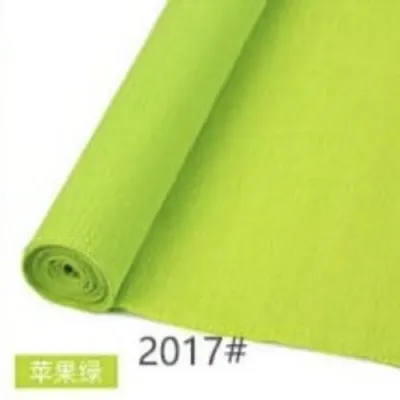
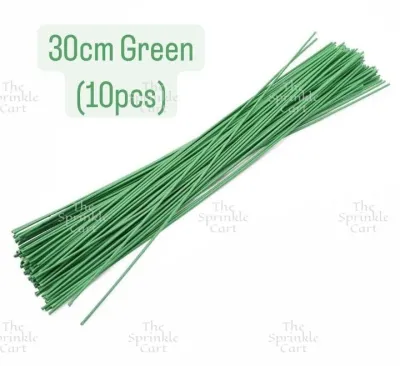
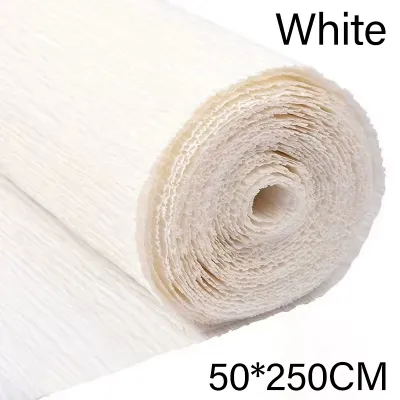
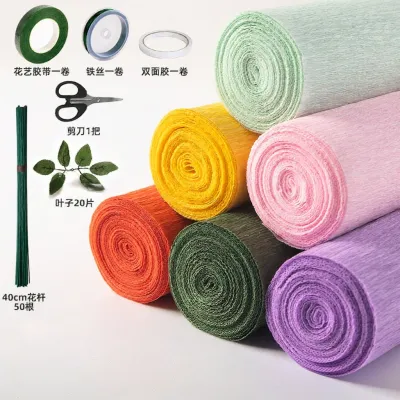
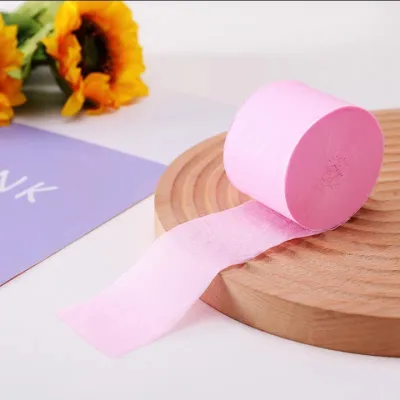
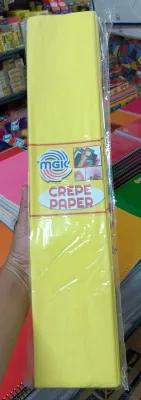
Prices are valid at publication and may change. Please refer to the product page for the latest price.
In contrast, extra-fine crepe and heavy Italian crepe paper (often weighing 140 to 180 grams per square meter) offer exceptional stretchability, sometimes exceeding 150% to 200%. This high elasticity allows you to cup, curl, and sculpt the paper without tearing, which is vital for creating realistic three-dimensional forms.
The grain direction of the paper dictates how it will bend and stretch. Always cut your patterns along the grain to maximize the paper’s natural bias, allowing you to pull and shape curves smoothly.
Before committing to a complex build, perform a quick manual check on a scrap piece. Test the paper’s weight, opacity, and colorfastness by stretching it to its limit and observing how much light passes through, as well as how the texture holds up under tension.
Sculpting Realistic Botanical and Floral Art
Creating lifelike flowers requires mastering the natural bias of crepe paper. By carefully fringing the edges of a petal and using your thumbs to stretch the center, you can create a realistic cupped shape that mimics natural flora.

For structural support, especially in larger or heavier blooms like peonies or hibiscus, integrate floral wire and specialized floral tapes. Wrap the wire tightly with tape, which becomes sticky when stretched, to secure the petals to the stem.
In humid environments, paper can lose its tension over time. You can use low-heat styling tools or curling irons to set stubborn curves, but always test this on a scrap piece first to ensure the paper does not scorch or lose its color.
To add depth, try layering different shades of paper or applying dry pastels to the base of the petals before shaping, which creates a natural gradient effect without introducing moisture that might compromise the paper’s structure.
Designing Textured Wearables and Costume Elements
Crepe paper’s unique texture makes it an excellent medium for temporary fashion, cosplay accents, or performance costumes. By layering and pleating heavy-grade crepe, you can fashion dramatic ruffles, structural collars, and elaborate headpieces that mimic expensive fabrics.
When constructing these wearable elements, reinforce high-stress areas such as joints, seams, and waistbands. Backing these sections with cardstock, fabric tape, or flexible wire prevents the paper from tearing during movement.
Keep in mind that crepe paper is highly sensitive to moisture. In warm, humid climates, sweat and unexpected rain can cause the paper to sag, lose its shape, or bleed dye onto skin and clothing.
For temporary outdoor use, apply a light, even coat of a clear, flexible protective spray to help repel minor moisture, but always test this on a sample first to ensure it does not alter the paper’s color or texture.
Crafting Functional Home Decor and Mixed-Media Bases
Beyond temporary displays, crepe paper can be integrated into lasting home decor. You can use tightly twisted crepe paper ropes for weaving baskets, wrapping picture frames, or adding textured borders to lampshades.
To create hardened, durable surfaces similar to papier-mâché, combine crepe paper layers with appropriate liquid sealants or diluted PVA glue. This technique allows you to sculpt sturdy bowls, decorative masks, or mixed-media canvases.
Because many crepe paper dyes are not UV-resistant, prolonged exposure to direct sunlight can cause your creations to fade. If your decor will sit in a sunlit room, consider applying a UV-protective matte sealant to preserve the vibrant colors.
Always allow each layer of sealant to dry completely in a well-ventilated area, keeping in mind that high humidity may extend drying times significantly.
Selecting Adhesives and Tools for Complex Builds
Choosing the right adhesive is critical to preventing paper warping and ensuring a strong bond. Standard school glues often contain too much water, which can cause fine crepe paper to wrinkle, stretch prematurely, or bleed color.
For lightweight crepe, a quick-drying tacky glue or a high-quality PVA glue applied sparingly with a brush works best. For heavy-grade crepe or structural wire attachments, a low-temperature hot glue gun provides an instant, secure bond without scorching the fibers.
Essential tools for advanced crafting include precision detail scissors, fine-tipped tweezers for handling small parts, and shaping molds or bone folders to crease and curl paper smoothly.
Before final assembly, always conduct a trial run on scrap pieces. Check the adhesive’s drying time, tackiness, and whether it leaves an unsightly shiny residue on your specific paper type.
Frequently Asked Questions (FAQ)
Can standard party streamers be used for advanced floral crafts?
Standard party streamers are typically made from very low-weight crepe paper with minimal stretch and low wet strength. While they are suitable for simple ruffles or children’s crafts, they lack the structural integrity, thickness, and elasticity required for advanced sculpting and realistic floral art.
How can color bleeding be prevented when using wet shaping techniques?
Many crepe papers are dyed with water-soluble colorants that bleed easily when exposed to moisture. To prevent bleeding, minimize the use of liquid glues, opt for dry-shaping methods like bone folders or heat tools, and test your paper’s colorfastness with a damp cotton swab before starting.
What safety considerations apply to crepe paper wearables for children?
When designing crepe paper costumes for children, avoid using sharp floral wires or small, easily detached embellishments that could pose choking hazards. Additionally, ensure all materials and adhesives used are labeled non-toxic, and keep the finished garments away from open flames, as untreated crepe paper is highly flammable.
Community discussion
Share your experience or ask a question. Comments are reviewed before publication.