
Bouncy clay is a highly elastic, lightweight modeling material that stretches, rebounds, and bounces when rolled into a ball, setting it apart from traditional dense modeling clays. Unlike classic oil-based or water-based clays designed to hold rigid shapes and fine details, bouncy clay behaves more like a cross between a modeling compound and a silicone rubber. This unique texture makes it an increasingly popular choice for sensory play, stress relief, and flexible crafting projects, especially in households looking for mess-free alternatives to traditional art supplies.
In tropical environments like the Philippines, where high humidity can cause traditional salt-dough or water-based clays to soften, sag, or even mold, bouncy clay offers a remarkably stable alternative. Its synthetic composition makes it less susceptible to moisture absorption from the air, allowing it to maintain its texture during play. Understanding the material properties of this unique clay can help you decide whether it is the right fit for your creative projects or if a traditional modeling compound would better serve your needs.
What Makes Bouncy Clay Unique?
The secret behind the signature stretch and rebound of bouncy clay lies in its specialized polymer or silicone-based composition. Unlike traditional clays made from natural earth minerals or heavy wax binders, bouncy clay is infused with microscopic air pockets that give it an incredibly low density. This lightweight structure makes the clay feel almost fluffy or cloud-like in your hands, allowing it to be stretched to extreme lengths without immediately snapping or tearing.
Products mentioned in this guide
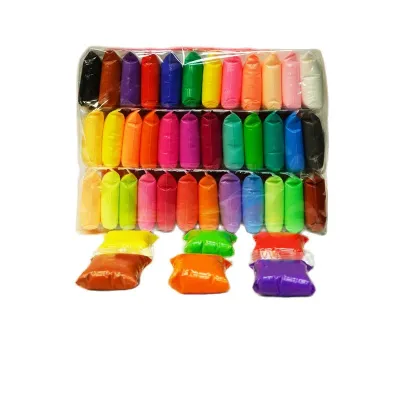
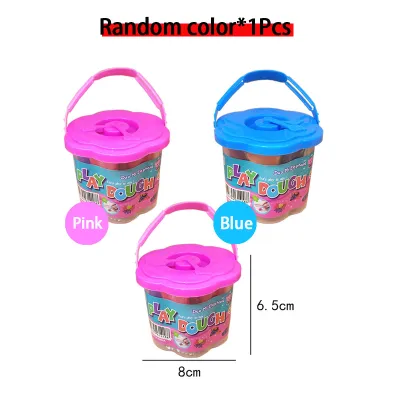
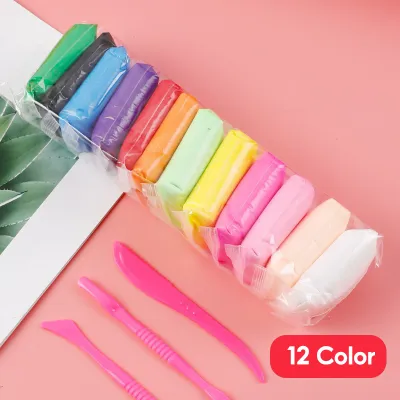
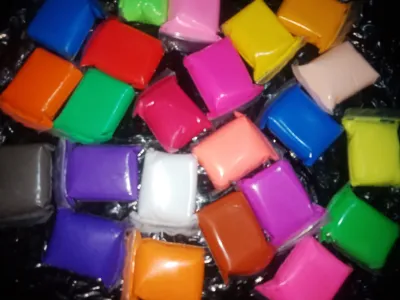
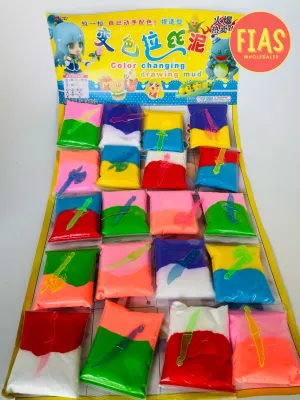
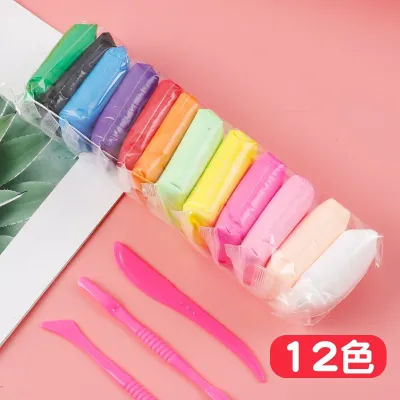
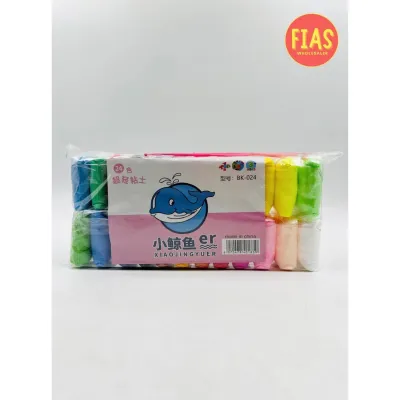
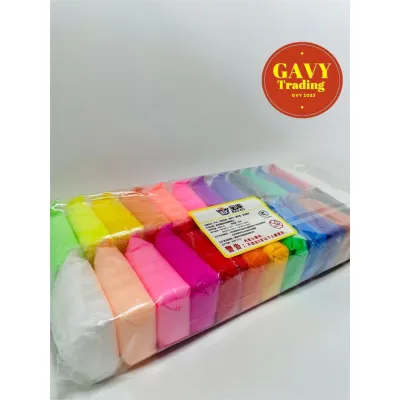
Prices are valid at publication and may change. Please refer to the product page for the latest price.
Handling bouncy clay is a highly tactile and clean experience, which is one of its primary selling points for parents and educators. The material is dry to the touch, non-greasy, and engineered not to stick to skin, clothing, or table surfaces. When rolled into a tight, smooth sphere, the polymer chains within the clay act like tiny springs, allowing the ball to bounce high off hard floors and tables, mimicking the behavior of a standard rubber ball.
Because exact chemical formulations vary significantly by brand, there is no single universal recipe for bouncy clay. Some manufacturers use water-soluble polymers that dry out when exposed to air, while others utilize silicone-based formulas that remain permanently pliable and water-resistant. Consequently, it is essential to check product labels and packaging for specific material safety details, non-toxic certifications, and age recommendations before purchasing.
Bouncy Clay vs. Regular Modeling Clay: Key Differences
Choosing between bouncy clay and regular modeling clay requires a clear understanding of how each material behaves under pressure, how they cure, and what kinds of projects they are designed to support. Traditional modeling clays, such as plasticine, polymer clay, and classic pottery clay, are formulated to hold precise shapes, sharp edges, and heavy structures. Bouncy clay, on the other hand, prioritizes flexibility, elasticity, and sensory feedback over rigid structural integrity.

While regular clays are the industry standard for detailed sculpting, model making, and permanent ceramic art, bouncy clay is built for interactive, temporary play and sensory exploration. It is a material designed to be pulled, squeezed, bounced, and reshaped repeatedly rather than carved with fine tools or baked in an oven to create a hard, fragile figurine. Neither material is universally superior; instead, their value depends on whether you want a permanent, highly detailed sculpture or a flexible, stress-relieving play medium.
Texture, Stretch, and Structural Limits
The physical handling of bouncy clay is characterized by its remarkable elasticity and high tear resistance under slow tension. If you pull a piece of bouncy clay slowly, it will stretch into thin, translucent sheets without breaking, a feat that is impossible with crumbly traditional clays. However, if you pull it with a sudden, sharp yank, many bouncy clays will snap cleanly, demonstrating a fascinating physical property common in non-Newtonian fluids.
Despite its fun, stretchy nature, bouncy clay has severe structural limitations that make it unsuitable for complex sculpting. Because the material is so lightweight and elastic, it cannot support its own weight in tall, vertical structures, causing sculptures to slowly sag, droop, or flatten over time. Furthermore, bouncy clay cannot hold fine, rigid details; carved lines, stamped textures, and sharp corners will gradually smooth out and disappear as the polymer chains relax back into their natural state.
Drying, Curing, and Permanence
The lifecycle of a finished bouncy clay creation depends entirely on the specific curing method of the brand you choose. Many popular bouncy clays are designed as air-dry formulas that gradually lose their moisture over 24 to 48 hours, curing into a lightweight, slightly flexible, foam-like state. Unlike polymer clay, which must be baked in a dedicated oven to harden, air-dry bouncy clay requires no heat, making it a safer option for young children.
Conversely, some silicone-based bouncy clays are formulated to never dry out, remaining permanently pliable so they can be packed away and reused indefinitely. Because these behaviors vary so widely, you must carefully read the manufacturer’s instructions to confirm whether your creations will remain permanent or if they can be squished back into their containers for another day. Leaving an air-dry formula out on a table in a dry room will ruin its elasticity, while storing a non-drying formula in a humid drawer will keep it ready for action.
Is Bouncy Clay Right for Your Crafting or Play Needs?
Determining whether bouncy clay is the right choice for your household depends on the age of the users and the intended outcome of the crafting session. Bouncy clay is an exceptional tool for sensory play, occupational therapy, and stress relief, as the physical acts of squeezing, pulling, and bouncing the material provide excellent tactile feedback. It is highly recommended for sensory bins, classroom activities, and quick, mess-free play sessions where the process of creation is more important than keeping a permanent product.
On the other hand, bouncy clay is a poor fit for serious hobbyists, miniature modelers, or anyone looking to create durable, highly detailed display pieces. Because the cured material remains somewhat soft and spongy, it cannot be sanded, carved, or polished after it dries. Additionally, most bouncy clays do not accept acrylic paints or varnishes well, as the paint tends to peel or crack when the flexible clay underneath is bent or squeezed.
Safety is another critical factor to consider, especially when introducing bouncy clay to young children. Because the clay is often brightly colored, pleasantly scented, and soft, toddlers may mistake it for food or candy. Always verify the age recommendations on the packaging—typically for children aged three and older—and look for recognized non-toxic safety certifications to ensure the material is safe for prolonged skin contact.
What to Verify Before Buying Bouncy Clay
When shopping for bouncy clay on online marketplaces, it is easy to be misled by product photos, so verifying the actual net weight of the clay is a crucial first step. Because bouncy clay is incredibly lightweight, a 100-gram package will contain a much larger volume of material than a 100-gram package of dense traditional plasticine. Compare prices in Philippine Pesos (₱) across different sellers, and look for multi-color sets that offer individual, resealable tubs to get the best value for your money.
In the warm and humid climate of the Philippines, proper storage is essential to prevent your clay from picking up dust, hair, or losing its moisture balance. Prioritize buying sets that come with airtight plastic containers or high-quality ziplock bags rather than simple plastic wrap. Some kits also include plastic sculpting tools, molds, and keychains, which can expand the play value and help children shape the clay without needing specialized art supplies.
Finally, take a moment to read the product description for clear manufacturer guidelines regarding cleanup and surface compatibility. While high-quality bouncy clay is designed to be mess-free, cheaper formulations can sometimes leave color stains on light-colored fabrics or stick to porous wooden tables if left overnight. Checking user reviews and manufacturer warnings before you buy will help you avoid unexpected stains and ensure a smooth, enjoyable crafting experience.
Frequently Asked Questions (FAQ)
Can you mix bouncy clay with regular modeling clay?
Mixing bouncy clay with regular modeling clay is generally not recommended because the two materials have completely incompatible chemical bases. Regular modeling clays are typically oil-based (like plasticine) or water-based (like traditional pottery clay), while bouncy clay relies on synthetic polymers or silicone. Attempting to blend them will result in a lumpy, inconsistent mixture that loses both the elasticity of the bouncy clay and the structural strength of the regular clay. For the best results, keep these materials separate and use them for their intended purposes.
How do you clean bouncy clay if it gets dirty?
If your bouncy clay collects dust, lint, or hair during play, you can often clean it by gently dabbing the dirty areas with a fresh, sticky piece of the same clay to lift the debris. For light surface dirt, wiping the clay with a slightly damp cloth is usually safe, but you should avoid soaking the material in water or using harsh household soaps. Excessive moisture can break down the polymer binders, destroying the clay’s unique elasticity and leaving it sticky, slimy, or completely unusable. If the clay becomes heavily soiled, it is best to discard the dirty portion to maintain hygiene.
Community discussion
Share your experience or ask a question. Comments are reviewed before publication.