
Managing digital wallet transactions requires a reliable system to monitor cash flow, track service fees, and verify reference numbers. When setting up a manual GCash tracker, the first major decision is choosing between a bound notebook and a loose-leaf binder system. Both formats offer distinct advantages depending on your transaction volume, organizational style, and how you prefer to archive your financial records.
Choosing a bound notebook is ideal if you prefer a simple, all-in-one portable ledger with no setup required. This format is highly durable, keeps your records in strict chronological order, and fits easily into a bag for on-the-go tracking. Conversely, a loose-leaf system is better if you need to frequently reorganize pages, insert printed receipts, or replace ruined entries without leaving messy cross-outs in your ledger. Before committing to a long-term archiving system, verify your preferred paper size, binding mechanism, and paper weight to ensure a smooth writing experience.
Core Differences in Flexibility and Organization
Page management is the most significant operational difference between these two formats. In financial logging, a single misplaced digit in a transaction amount or an incorrect reference number can throw off your entire balance sheet. With a loose-leaf binder, correcting these mistakes is as simple as opening the rings, removing the spoiled sheet, and inserting a clean page. In contrast, making an error in a bound notebook requires using correction tape, crossing out the line, or leaving a messy void entry, which can compromise the neatness and readability of your financial ledger over time.
Products mentioned in this guide


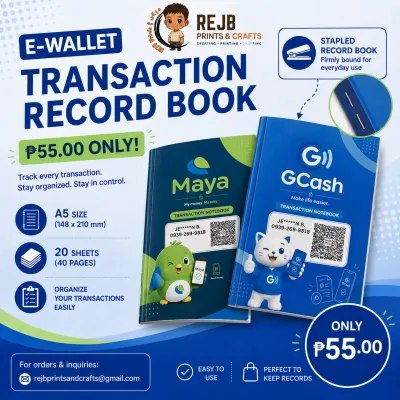

Prices are valid at publication and may change. Please refer to the product page for the latest price.
Organization is another area where the two systems diverge. A loose-leaf binder allows you to create custom sections using tabbed dividers. You can dedicate one section to cash-in and cash-out transactions, another to bills payment, and a third to monthly summaries or savings goals. This modular structure makes it easy to jump directly to the information you need. A bound notebook, however, forces you into a strict chronological layout. While chronological logging is excellent for a straightforward timeline of transactions, it makes categorizing or isolating specific transaction types much more difficult unless you allocate specific page ranges in advance.
Handling high-volume transaction periods also highlights the structural differences between the formats. If you run a small home business or online shop and experience a sudden surge in daily transactions, a loose-leaf system allows you to add extra pages exactly where you need them. With a bound notebook, you are limited by the physical page count of the book. If you run out of space in a specific section, you have no choice but to jump to a different part of the notebook or start a brand-new volume, which splits your records across multiple physical books.
Long-Term Durability and Archiving
Evaluating how well each format preserves financial records is crucial for long-term tracking. Bound notebooks, particularly those with thread-bound or case-bound spines, excel at laying flat on a desk. This flat surface ensures comfortable writing from the left margin to the right margin. The spine structure keeps all pages securely attached, minimizing the risk of losing individual transaction sheets. However, cheaper glue-bound notebooks can split under heavy daily use, causing pages to detach and fall out over time.

Loose-leaf binders rely on metal or plastic rings to hold pages in place. While this mechanism offers unmatched flexibility, it introduces specific wear points. The punched holes on loose-leaf paper can tear with frequent page-turning, especially in high-humidity tropical environments where paper fibers absorb moisture and soften. To prevent this, you must look for heavy-duty paper refills or use adhesive reinforcement rings around the punched holes. Additionally, the physical rings can be bulky, sometimes obstructing your hand when writing near the inner margins of the page.
Archiving completed records requires different strategies for each format. When a bound notebook is full, you simply write the date range on the cover and store it on a shelf. It remains a permanent, tamper-proof record of your financial history. For loose-leaf systems, keeping completed pages in your daily binder makes it heavy and cluttered. To archive loose-leaf records, you must periodically transfer older pages to a cheaper storage binder or box, allowing you to reuse the premium binder shell with fresh paper refills. This transfer process requires careful handling to keep the pages in the correct chronological order.
Customization and Layout Adaptability
The ability to customize your layout can significantly improve your tracking consistency. Loose-leaf systems are highly adaptable, allowing you to mix and match different paper styles within the same binder. You can use grid paper for drawing precise transaction tables, lined paper for writing detailed notes about specific business transactions, and blank paper for sketching monthly cash flow charts. This level of customization is difficult to achieve in a bound notebook, where you are locked into a single paper style throughout the entire book.
Integrating physical documents is another major advantage of the loose-leaf format. Many transactions involve physical receipts, printed digital transaction slips, or sticky notes with quick calculations. In a loose-leaf binder, you can use plastic pocket inserts, envelope dividers, or a specialized hole punch to integrate these physical documents directly alongside your handwritten logs. Pasting these items into a bound notebook eventually causes the book to swell, creating an uneven writing surface and putting excessive strain on the binding.
However, loose-leaf customization comes with physical constraints that you must consider. The ring mechanism requires a wider inner margin on your paper templates. If you print your own tracking sheets or draw columns by hand, you must ensure there is enough clearance so your writing is not cut off by the punched holes. Bound notebooks offer a more continuous writing space across the page, allowing you to utilize the entire width of the paper without worrying about ring placement or hole alignment.
Cost and Refill Considerations
When evaluating the financial aspect of your tracking system, consider both the immediate setup cost and the long-term maintenance expenses. Bound notebooks generally offer a lower entry cost. You can purchase a high-quality grid or lined notebook for a modest price and begin tracking immediately. There are no extra components to buy, making it a highly accessible option for those starting their financial tracking journey.
Loose-leaf systems require a higher initial investment. You must purchase the binder shell, index dividers, and the initial pack of loose-leaf paper. However, this system can become more economical over time because you only need to purchase paper refills rather than an entirely new book. When the binder is full, you keep the cover and simply swap out the paper, which can reduce your long-term stationery expenses if you track transactions consistently over several years.
Before purchasing a loose-leaf system, you must verify the compatibility of your refills. Unlike bound notebooks, which are self-contained, loose-leaf binders require paper with specific hole spacing and dimensions. Common standards include 20-ring for A5 binders, 26-ring for B5 binders, and standard 6-ring configurations. Purchasing bulk refills from local office supply stores or online marketplaces requires careful checking to ensure the paper matches your binder’s ring alignment. Additionally, pay close attention to paper weight; choosing paper that is 80 gsm or heavier helps prevent ink from bleeding through to the other side when using gel pens or rollerballs.
How to Set Up Your Chosen GCash Tracker
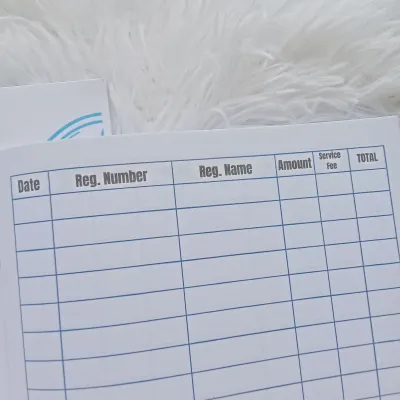
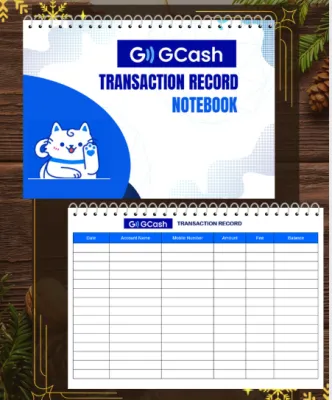
Regardless of the format you choose, a structured layout is essential for accurate financial tracking. Start by drawing a clear table with five essential columns. The first column should record the date and time of the transaction. The second column is for the transaction type, such as Cash In, Cash Out, Send Money, Pay Bills, or Bank Transfer. The third column must be dedicated to the reference number, which is the unique identifier provided by the app for every successful transaction. The fourth column records the transaction amount, using the ₱ symbol to denote cash flow, and the final column tracks your running balance.
Establishing a consistent logging routine is the key to maintaining an accurate tracker. Try to log your transactions daily, perhaps at the end of each evening, or immediately after completing a transaction. Allowing transactions to accumulate over several weeks leads to forgotten details, lost receipts, and a daunting backlog that becomes difficult to clear. Keeping your tracker in an accessible place, such as on your desk or in your daily bag, helps reinforce this habit.
Finally, make it a rule to cross-reference your manual entries with your digital app statements. Manual data entry is prone to human error, such as transposing digits or forgetting to record transaction fees. By comparing your handwritten ledger against the transaction history in your digital wallet, you can quickly identify and correct any discrepancies. This practice ensures that your manual tracker remains a highly reliable source of truth for your personal or business finances.
Frequently Asked Questions (FAQ)
Can I use a standard daily planner as a GCash tracker?
Using a standard daily planner as a transaction tracker is possible, but it presents several limitations. Daily planners are designed with pre-printed dates and structured time slots, which often do not provide enough physical space if you conduct multiple transactions in a single day. Additionally, the rigid layout of a planner makes it difficult to draw continuous transaction tables or allocate space for monthly summaries. If you choose to use a planner, it is best to repurpose the weekly overview pages or the blank notes sections at the back of the book to create custom ledger columns.
How often should I reconcile my manual tracker with the GCash app?
It is highly recommended to reconcile your manual tracker with the digital app at least once a week. Weekly reconciliations allow you to catch errors while the transactions are still fresh in your memory. During this process, compare each handwritten entry’s reference number and amount against the transaction history in the app. If you run a high-volume business, performing a quick daily check during your evening logging routine can prevent discrepancies from compounding over time. For casual personal use, a monthly reconciliation alongside your overall budget review is usually sufficient.
Community discussion
Share your experience or ask a question. Comments are reviewed before publication.