
Choosing the right drawing book is a foundational decision for any artist, as the physical format of your paper directly shapes your creative process. The choice between a traditional bound drawing book and a modern loose-leaf system often comes down to how you handle your finished work and where you prefer to sketch. A bound book acts as a permanent, chronological archive of your artistic journey, keeping every mistake and masterpiece bound together in a single, durable volume. Conversely, a loose-leaf drawing book offers unparalleled flexibility, allowing you to rearrange pages, mix different paper types, and easily remove sheets for scanning, framing, or gifting.
To make the right choice, you must evaluate how each format aligns with your daily sketching environment, your preferred mediums, and your long-term budget. Artists who frequently sketch outdoors or during a daily commute often prioritize the structural stability of a bound cover. Meanwhile, studio-based artists or those who work with multiple mediums may find the customizable nature of loose-leaf systems far more accommodating. By understanding the distinct advantages of each format, you can select a drawing book that enhances your workflow rather than restricting your creative freedom.
Structural Differences and Portability
The physical construction of a drawing book determines how easily you can sketch when away from a traditional desk or studio setup. Bound drawing books are highly favored for their self-contained design, which typically features a rigid front and back cover made of heavy chipboard, cardboard, or leatherette. This built-in rigidity is incredibly useful when sketching on your lap, whether you are sitting in a park, riding public transit, or relaxing at a local cafe. The solid cover acts as a portable easel, providing a stable surface that prevents the paper from bending or shaking while you apply pressure with your pencil or pen.
Products mentioned in this guide
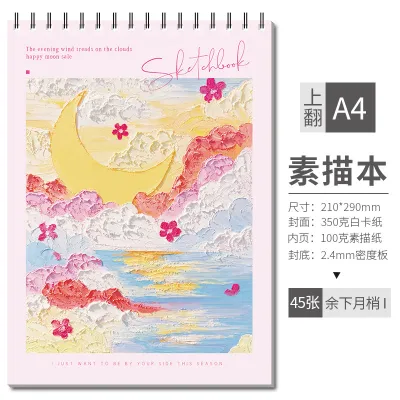
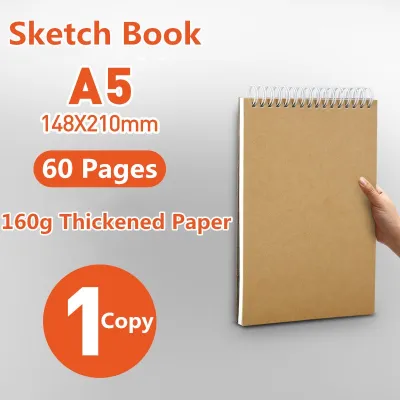
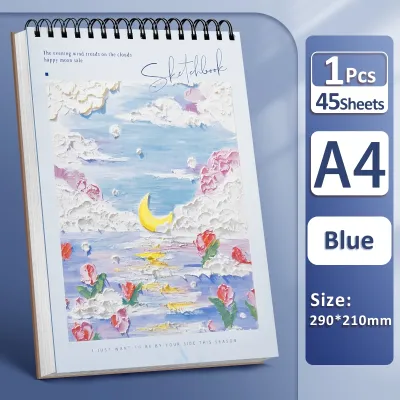
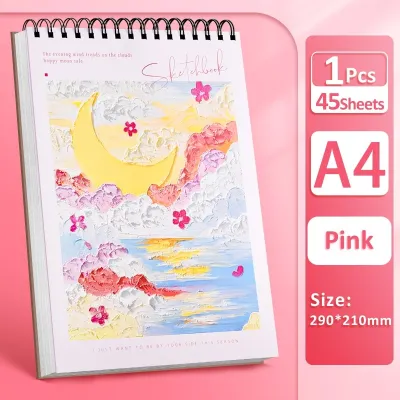
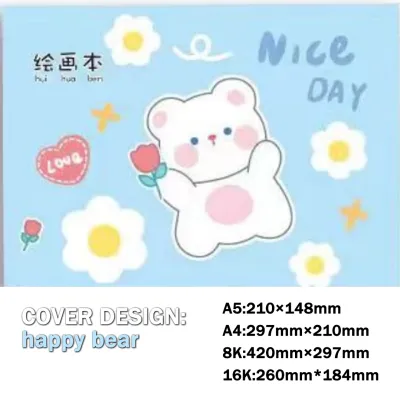
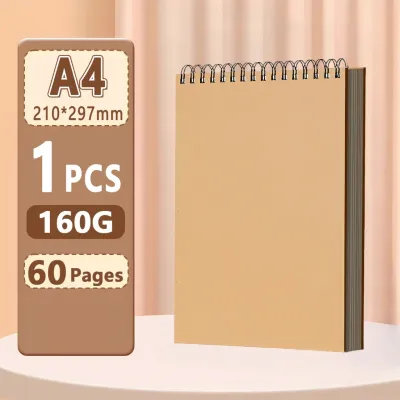
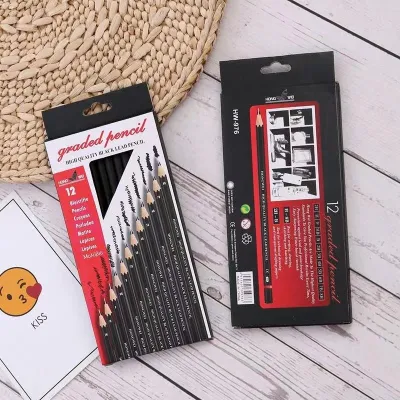
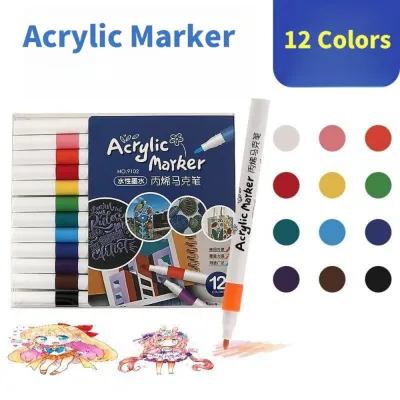
Prices are valid at publication and may change. Please refer to the product page for the latest price.
In contrast, loose-leaf systems and drawing pads often rely on a flexible plastic binder or a thin cardboard backing board. While some high-end loose-leaf binders offer rigid covers, many are designed to be lightweight and flexible, which can make lap sketching difficult without an additional drawing board. Furthermore, carrying a loose-leaf system often requires extra care; if you carry loose sheets in a backpack without a protective binder or a rigid portfolio, the edges of the paper can easily bend, crease, or become smudged by other items in your bag.
Binding durability is another critical factor to consider when evaluating portability and ease of use. Traditional bound books utilize stitched, glued, or spiral bindings, each offering a different user experience. Stitched bindings are highly durable and allow the book to lay completely flat across a two-page spread, making them excellent for wide landscape drawings. Glued bindings are more compact but can crack over time, causing pages to fall out if the book is folded back repeatedly. Spiral-bound books lay flat effortlessly and allow you to fold the unused cover completely behind the active page, saving space on small tables, though the metal or plastic coils can sometimes snag on fabrics or bend inside a cramped bag.
Loose-leaf binders utilize ring mechanisms, disc-binding systems, or post-bound structures that allow for easy page insertion and removal. While these mechanisms offer unmatched organizational freedom, they also add physical bulk and weight to your carrying setup. The metal rings of a standard binder can also be uncomfortable to rest your hand against while drawing near the inner margins of the page. When choosing a loose-leaf system, it is essential to check the manufacturer’s specifications regarding ring size and placement to ensure the hardware does not obstruct your natural drawing hand movement.
Paper Quality and Medium Compatibility
The compatibility between your drawing book and your chosen artistic medium depends heavily on the specifications of the paper. When browsing for a drawing book, the most critical metric to verify on the product label is the paper weight, measured in grams per square meter (GSM). Light paper (around 80 to 110 GSM) is suitable for quick graphite sketches, colored pencils, and dry media, but it will easily warp or tear if subjected to wet mediums. For heavy ink work, markers, or light watercolor washes, you should look for medium-to-heavyweight paper ranging from 150 to 300 GSM, which offers the structural integrity needed to resist buckling.

In tropical climates where ambient humidity is naturally high, paper selection requires even greater care. High humidity can soften paper fibers, making them more susceptible to warping, feathering, and tearing under heavy erasing. To combat this, look for paper that has undergone proper sizing—a manufacturing process where starches or gelatins are applied to control water absorption. Sizing helps the paper resist moisture, ensuring that ink lines remain crisp and do not spread uncontrollably across the page.
The texture, or “tooth,” of the paper is another essential specification that dictates how mediums behave on the surface. Smooth paper (often referred to as hot-press paper) has minimal texture, making it ideal for fine-line technical pens, markers, and detailed graphite illustrations where smooth gradients are desired. Rough paper (cold-press or textured paper) has a pronounced tooth that grabs dry particles, making it the preferred choice for charcoal, pastels, and expressive graphite sketching. Bound books typically feature a single paper type throughout the entire volume, meaning you are locked into one texture and weight until you fill the book.
Loose-leaf systems shine in their ability to accommodate mixed-media workflows by allowing you to combine different paper types in a single binder. You can easily insert a sheet of heavy watercolor paper next to a sheet of smooth marker paper or toned sketch paper, customizing the book to match your project’s specific needs. Because paper performance is highly dependent on the exact combination of ink, water, and eraser pressure you use, it is always wise to perform a small trial on an inconspicuous corner of the page. Check for bleed-through (ink showing on the reverse side), feathering (ink spreading along the fibers), and erasability (whether the surface pills or tears when using a firm vinyl eraser) before committing to a major piece.
Long-Term Cost and Refillability
Evaluating the financial aspect of your stationery supplies requires looking beyond the initial purchase price to calculate the long-term cost of ownership. A bound drawing book represents a straightforward, one-time expense where you purchase the cover, binding, and paper as a single unit. Once all the pages are filled, however, the entire book must be archived, and you must purchase a completely new book to continue sketching. This means your ongoing cost is directly tied to how quickly you fill pages, which can become expensive if you sketch frequently or use large formats.
A loose-leaf drawing book or binder system often requires a higher upfront investment because you must purchase the binder mechanism, protective covers, and perhaps a specialized hole punch. However, the long-term maintenance cost is significantly lower because you only need to purchase paper refills rather than a whole new book structure. To determine the most economical option for your sketching habits, calculate the price per page by dividing the retail price in ₱ by the total number of sheets included in the package. You will often find that loose-leaf refill packs offer a much lower cost per page than purchasing multiple bound books of equivalent paper quality.
There are, however, hidden costs associated with both formats that you should factor into your decision. For loose-leaf systems, proprietary binding designs (such as specific disc-bound or multi-ring configurations) can lock you into buying expensive, brand-specific paper refills. If the manufacturer discontinues those refills, your binder may become obsolete unless you invest in a compatible hole punch to create your own sheets. On the other hand, the hidden cost of a bound book lies in the risk of wasted pages; if you make a mistake on a page and attempt to tear it out, you risk weakening the entire stitched binding, which can cause adjacent pages to fall out and ruin the book.
Decision Framework: Which Drawing Book Fits Your Workflow?
To finalize your decision, analyze how your sketching habits, preferred environment, and organizational style align with the unique characteristics of each format. Your choice should ultimately support your creative momentum rather than creating physical or financial friction in your daily practice.
Choose a bound drawing book if:
- You prefer a chronological, book-shelf-ready archive of your artistic progress over time.
- You frequently sketch outdoors, in transit, or on your lap, requiring a highly rigid, built-in support surface.
- You enjoy creating expansive, two-page landscape drawings that require a seamless lay-flat binding.
- You want a simple, all-in-one product without the need to manage loose sheets, portfolios, or refill compatibility.
Choose a loose-leaf drawing book if:
- You want the freedom to rearrange, categorize, or remove pages for scanning, framing, or digital archiving.
- You work with multiple mediums and want to mix different paper weights, colors, and textures within a single volume.
- You want to minimize your long-term stationery expenses by investing in a durable binder and buying lower-cost paper refills.
- You prefer to carry only a few active sheets of paper in your bag to keep your daily carry lightweight and compact.
The following table summarizes the key decision factors to help you compare both options at a glance:
| Feature | Bound Drawing Book | Loose-Leaf Drawing Book |
|---|---|---|
| Lay-Flat Ability | Excellent in stitched bindings; poor in tight glued bindings | Excellent when pages are removed or kept in open ring systems |
| Page Removal | Difficult; tearing pages can compromise the binding integrity | Extremely easy; designed for quick removal and insertion |
| Portability | High; self-contained with a rigid cover for lap sketching | Moderate; requires a binder or a separate protective portfolio |
| Paper Customization | None; limited to a single paper type per book | High; allows mixing of different GSM, colors, and textures |
| Long-Term Cost | Moderate to High; requires buying a new book once filled | Low; requires only paper refills after the initial binder purchase |
Before making your final purchase from an online marketplace or a local stationery shop in the Philippines, always verify the exact specifications listed on the product packaging. Pay close attention to the dimensions (such as standard A4, A5, or letter sizes) to ensure compatibility with your storage folders or existing binders. Check the GSM rating to confirm the paper can handle your preferred ink or wet mediums, and inspect the binding type to ensure it matches your comfort requirements. Taking the time to verify these details beforehand will ensure your chosen drawing book becomes a reliable tool for your creative expression.
Frequently Asked Questions (FAQ)
Can I use loose-leaf paper in a standard bound sketchbook?
You cannot directly insert loose-leaf paper into the spine of a standard bound sketchbook because bound books are constructed with permanently stitched or glued paper signatures. Attempting to force loose sheets into the binding will damage the spine and cause existing pages to detach. If you want to incorporate loose-leaf drawings into a bound book, you can trim the loose sheets and attach them to the sketchbook pages using acid-free adhesive tape or glue sticks. Alternatively, you can maintain a separate, dedicated portfolio folder to store your loose-leaf artwork alongside your chronological bound sketchbooks.
How do I prevent loose-leaf drawing paper from curling?
In warm, humid tropical environments, loose-leaf drawing paper is highly susceptible to absorbing moisture from the air, which causes the paper fibers to expand unevenly and curl. To prevent this, always store your loose-leaf paper flat inside a sealed, airtight plastic container or a heavy-duty archival portfolio when not in use. Placing a few silica gel packets inside the storage container will help absorb excess moisture and maintain a dry environment for your paper. Additionally, keeping a heavy, flat object—such as a stack of large textbooks—on top of your paper pile will help keep the sheets perfectly flat and ready for your next sketching session.
Community discussion
Share your experience or ask a question. Comments are reviewed before publication.