
Choosing between a bound and a loose-leaf immunization record book depends on whether you prioritize tamper-evident security or flexible page expansion. For a permanent, official archive that stays intact through years of pediatric or travel check-ups, a bound book is often the standard. However, if you need to integrate custom medical logs, lab results, or extra pages for multi-dose schedules, a loose-leaf system offers unmatched adaptability. In tropical climates like the Philippines, where high humidity and sudden downpours can stress paper documents, choosing the right format requires looking closely at binding durability, paper weight, and protective covers.
Understanding the Structural Differences
Permanently bound immunization record books feature pages that are physically secured to the spine. Common manufacturing methods include saddle stitching, thread sewing, or perfect binding with heavy-duty adhesive. These books are designed as single, cohesive units where pages cannot be removed or added without damaging the spine, ensuring a permanent chronological record.
In contrast, loose-leaf or refillable systems utilize mechanical binders to hold individual sheets. These include standard three-ring or multi-ring binders, discbound systems, and snap-in refillable covers. This structure allows you to open the binding mechanism to insert, remove, or rearrange pages at will, making it easy to update records over time.
Products mentioned in this guide
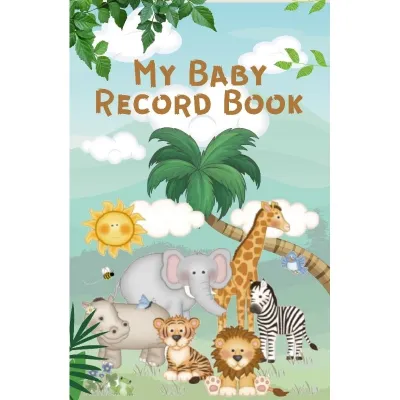
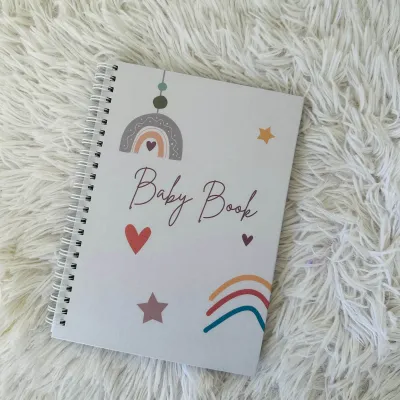
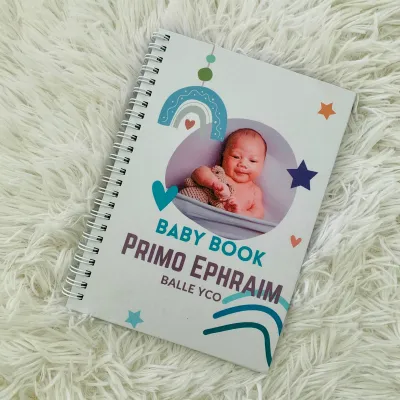
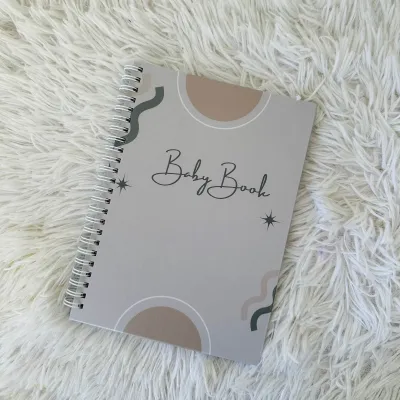
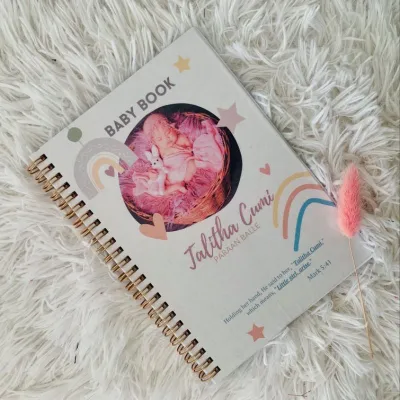
Prices are valid at publication and may change. Please refer to the product page for the latest price.
Standard page capacities for bound logs typically range from 24 to 48 pages, which is generally sufficient for standard childhood or adult vaccination schedules. Loose-leaf binders can hold significantly more, often starting at 50 to over 100 sheets, depending on the ring or disc size you select.
Paper weight is a critical factor for long-term legibility. Many standard logs use paper weights between 80 gsm and 120 gsm. Heavier paper of 100 gsm or higher is less prone to ink bleed-through when doctors or nurses sign entries with gel pens or stamps, ensuring both sides of the page remain readable.
Physical dimensions usually range from compact pocket sizes to standard A5 or half-letter notebook sizes. Compact sizes fit easily into small bags for clinic visits, while larger sizes offer more writing space for detailed medical notes.
The ability to lay flat is essential when writing near the margins or across the gutter. Thread-sewn bound books and loose-leaf binders generally lay completely flat, allowing easy writing. Glued perfect-bound books, however, often resist laying flat, requiring you to hold the pages down firmly while writing, which can lead to cramped handwriting near the spine.
Evaluating Durability for Years of Handling
An immunization record book must survive decades of storage and frequent trips to clinics, schools, and government offices. The choice of cover material plays a major role in this longevity. Rigid covers, such as thick chipboard or heavy-duty plastic, protect the inner pages from bending and creasing. Flexible covers, like thin cardstock or soft vinyl, are lighter but offer less structural protection against heavy bags and humid environments.

Spine stress points differ significantly between the two formats. In bound books, the spine bears the tension of every opening and closing. Over time, glued spines can crack, especially in humid tropical climates, causing pages to detach. Thread-sewn spines distribute this stress more evenly, making them highly resilient over years of handling.
For loose-leaf formats, the primary vulnerability lies at the paper holes rather than the spine. Frequent turning of pages can wear down the punched holes, leading to page tear-outs. Discbound systems are particularly susceptible to this if pages are turned quickly, whereas ring binders distribute the pull across metal or plastic rings.
To ensure you select a durable option, use this physical inspection checklist when shopping at local stationery stores or evaluating online listings:
- Cover Rigidity: Press the cover gently; it should resist bending if you plan to write without a desk.
- Spine Construction: For bound books, look for visible stitching along the spine rather than just glue. For loose-leaf, test the ring alignment to ensure there are no gaps where pages can catch.
- Paper Thickness: Feel the pages; they should feel substantial (ideally 100 gsm) to prevent ink from bleeding through to the other side.
- Hole Reinforcement: For loose-leaf pages, check if the punched margins are wide enough to accommodate reinforcement stickers if the holes begin to wear.
Managing Flexibility and Page Additions
As medical guidelines evolve, the need to document booster shots, seasonal vaccines, or travel-specific immunizations can exceed the original capacity of your record book. Loose-leaf systems excel in this scenario. Adding pages is as simple as opening the rings or discs and inserting new sheets.
To expand a loose-leaf system, you will need compatible accessories such as a paper punch designed for your specific ring or disc configuration, refill sheets of matching dimensions, and tabbed dividers to organize different family members or medical categories. The physical limit is determined solely by the ring or disc diameter; if the binder becomes too full, you can easily upgrade to larger rings.
Bound books present strict physical limitations. Once the pre-printed pages are filled, you cannot insert new sheets into the binding. Furthermore, if a clerical error is made, crossing out entries or tearing out pages can compromise the integrity of the entire document, making it look altered or unofficial.
If you prefer a bound book but worry about running out of space, several practical workarounds can extend its utility. You can adhere clear plastic document pockets to the inside covers to hold loose certificates or lab results.
Another option is to use fold-out paper extensions. By carefully taping a supplementary page to the edge of an existing sheet using acid-free archival tape, you create a fold-out section that stays secured within the book.
Using a protective outer sleeve with built-in pockets also allows you to slide in extra vaccination cards or printouts without altering the bound book itself.
Decision Framework: Choosing Your Immunization Record Book
Selecting the right format comes down to how you plan to manage, store, and present your medical records over several decades.
You should choose a bound immunization record book if your primary goal is to maintain a tamper-evident, official archive. Because pages cannot be easily removed without leaving visible traces, bound books carry a high level of administrative trust. They are compact, have no loose parts to lose, and provide a classic, chronological record that is easy to present at school enrollments or international border checks.
Conversely, a loose-leaf immunization record book is the better choice if you want a highly customizable medical planner. This format is ideal if you manage records for multiple family members in one place, need to insert printed lab reports, or want the ability to replace a page if it becomes soiled or damaged.
Before making your final choice, verify the requirements of the institutions where you will submit the records. Some schools, clinics, or travel authorities in the Philippines prefer or even mandate bound booklets for official validation, as loose-leaf pages can be easily swapped or misplaced, raising concerns about document authenticity.
To help you decide, review the comparison table below mapping key decision dimensions to each format:
| Decision Dimension | Bound Record Book | Loose-Leaf Record Book |
|---|---|---|
| Page Addition | Limited to workarounds (pockets, tape) | Unlimited (up to ring/disc capacity) |
| Tamper Resistance | High (pages cannot be removed cleanly) | Low (pages can be easily removed or replaced) |
| Lay-Flat Writing | Depends on binding (sewn is best, glued is poor) | Excellent (pages can be removed to write on flat surfaces) |
| Portability | High (slim, lightweight, fits in small bags) | Moderate (bulkier due to rings or binders) |
| Customization | Low (fixed layout and order) | High (add dividers, pockets, and custom logs) |
Frequently Asked Questions (FAQ)
Can I transfer a bound immunization record into a loose-leaf binder?
Removing pages from an official bound immunization record book to place them in a loose-leaf binder is highly discouraged. Tearing or cutting pages out of a bound book can invalidate official clinic stamps, physician signatures, and security seals, making the document unacceptable for school admission or international travel. Instead of dismantling the bound book, place the entire booklet inside a clear, heavy-duty plastic sleeve designed to fit within your loose-leaf binder. This keeps the official document intact while consolidating it with your other medical records.
Are loose-leaf record books accepted by schools and clinics as official documents?
Acceptance of loose-leaf immunization records varies widely depending on institutional policies. While many local clinics will gladly sign and stamp individual loose-leaf sheets, some schools, universities, and government agencies require a bound, tamper-evident booklet to prevent fraud or accidental loss of pages. If you choose to use a loose-leaf system, always keep the original, officially signed vaccination cards or certificates in secure sleeves within the binder, and check with the specific school or health authority beforehand to ensure they accept refillable formats.
How do I protect the pages from water damage or spills during clinic visits?
To protect your record book from tropical humidity, sudden rain, or accidental spills during clinic visits, always store it in a dedicated, water-resistant plastic document folder or zip-lock pouch during transit. For bound books, you can use a clear plastic slipcover to shield the outer edges. For loose-leaf binders, inserting your record sheets into clear, archival-safe plastic page protectors ensures that ink signatures and stamps remain dry and legible even if the binder itself is exposed to moisture.
Community discussion
Share your experience or ask a question. Comments are reviewed before publication.