
For any business managing physical stock, choosing the right inventory record book is a foundational step toward maintaining accurate financial ledgers, preventing stockouts, and streamlining daily operations. While digital systems are widely used, physical record books remain indispensable for real-time tracking on the warehouse floor, backup documentation, and small-scale retail operations. However, selecting the wrong physical format can lead to administrative bottlenecks, lost historical data, or compliance issues during audits.
The choice between a permanently bound inventory book and a refillable loose-leaf system depends on your operational volatility, audit compliance requirements, and physical working environment. Bound books are the gold standard for businesses requiring strict tamper resistance, unalterable historical logs, and high regulatory compliance. In contrast, loose-leaf systems excel in dynamic operations with frequently changing stock, seasonal product rotations, or complex catalog structures requiring physical page reorganization.
Core Structural Differences Explained
Understanding the physical construction of these two formats is essential before evaluating how they perform under daily operational pressure. A bound inventory record book features pages that are permanently secured to a spine. This construction typically utilizes Smyth-sewn (stitched) binding, perfect binding (glued), or wire-ring spiral binding. In stitched and glued variants, the pages are integrated into a single, solid block protected by a heavy cardstock or hardbound cover. This permanent architecture ensures that pages cannot be removed, replaced, or rearranged without leaving obvious physical evidence of tampering.
Products mentioned in this guide
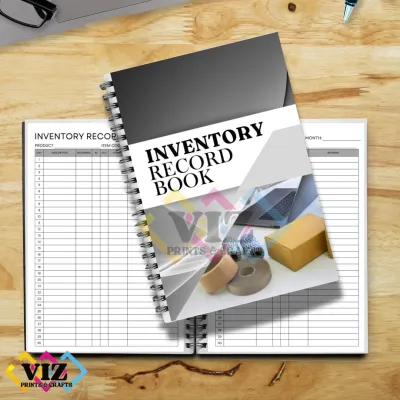
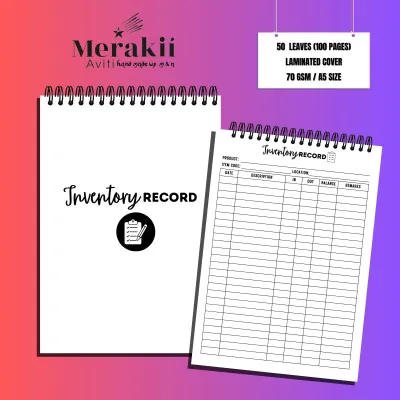

Prices are valid at publication and may change. Please refer to the product page for the latest price.
Conversely, a loose-leaf system relies on a mechanical binding structure, such as a multi-ring binder (typically 2-ring, 3-ring, or 4-ring configurations), a disc-bound system, or a slide-binding mechanism. The pages in a loose-leaf system are separate sheets of paper punched with holes matching the binder’s mechanical spacing. This design allows users to open the binding mechanism to insert new sheets, extract obsolete pages, or completely reorganize the sequence of the ledger. The outer shell is usually a heavy-duty plastic, vinyl, or wrapped chipboard binder designed to be reused over multiple inventory cycles while the internal paper consumables are replaced as needed.
Evaluating the Inventory Record Book: Key Comparison Dimensions
To determine which format aligns with your business, you must evaluate how their structural differences translate into daily operational performance, long-term costs, and administrative efficiency.

Auditability and Tamper Resistance
For many businesses, the primary purpose of a physical ledger is to maintain an indisputable, chronological record of transactions for internal controls or external tax audits. Bound books offer superior auditability because they are inherently tamper-evident. Because the pages are bound in a fixed, sequential order, any attempt to remove a page to hide stock shrinkage, unauthorized transactions, or accounting errors is immediately obvious. The missing page leaves a visible stub in the spine, and the sequential page numbers will show a gap. This structural integrity makes bound books highly favored by regulatory bodies and external auditors who require high-assurance physical records.
Loose-leaf systems present a significant risk regarding record integrity. Because pages can be opened and removed effortlessly, sheets can easily be misplaced, damaged, or intentionally discarded to cover up inventory discrepancies. If an employee accidentally drops a binder and several unnumbered pages fall out, reconstructing the chronological history of a specific SKU can become an administrative nightmare. If your business must use a loose-leaf system for operational reasons but still requires audit-ready records, you must implement strict administrative mitigations. These include using pre-numbered sequential refill pages, requiring managers to initial the bottom of every newly inserted sheet, and keeping the master binders locked in a secure cabinet when not actively being updated.
Flexibility and Page Customization
Inventory profiles are rarely static, and this is where the rigid nature of bound books can introduce operational friction. In a bound book, you must allocate a specific number of pages to each product category or SKU at the beginning of the cycle. If a particular product line experiences unexpected sales growth or frequent restocking cycles, you may quickly run out of pages in that section. Once those pages are full, you are forced to jump to a different section of the book, creating confusing “continued on page 74” cross-references. Alternatively, you may have to retire the entire book prematurely, leaving dozens of expensive pages in other sections completely blank and wasted.
Loose-leaf systems offer unmatched flexibility to adapt to your changing business needs. If you add a new supplier or expand a product line, you simply open the rings and insert fresh pages exactly where they belong. You can easily categorize your inventory alphabetically, by warehouse aisle, or by product type using tabbed index dividers. If a specific SKU is discontinued, you can remove its page and archive it in a separate binder, keeping your active operational ledger clean, compact, and free of dead weight. This modularity prevents administrative clutter and ensures that your physical book mirrors the real-time structure of your business.
Durability in Daily Work Environments
Daily exposure to the physical demands of a retail shop, warehouse, or distribution center will quickly test the limits of your stationery. In tropical regions with high relative humidity, such as the Philippines, paper fibers naturally absorb moisture from the air, making them softer and more susceptible to tearing. This environmental factor makes structural durability a critical consideration.
Bound books, especially those with heavy-duty hardcover bindings and library-quality stitching, are exceptionally resilient. They can withstand being tossed onto metal shelves, carried in damp environments, or stuffed into delivery bags without falling apart. The stitched spine keeps the pages securely aligned, preventing individual sheets from slipping out or getting crumpled.
Loose-leaf binders present different durability challenges. While the outer vinyl or plastic binder shell is often highly durable and easy to wipe clean, the internal paper pages are highly vulnerable. Because the pages are held in place solely by metal or plastic rings, the punched holes bear the brunt of every page turn. Over time, especially in humid conditions that soften the paper, these holes can easily tear, causing pages to fall out of alignment or detach entirely. Furthermore, cheap metal ring mechanisms can rust, bend, or fail to close tightly, creating gaps that snag and tear the paper during use. To maintain a loose-leaf system in a busy warehouse, you must invest in heavy-weight paper or use adhesive reinforcement labels on the punched holes.
Long-Term Cost and Refill Management
Analyzing the financial footprint of your record-keeping system requires looking beyond the initial purchase price to consider the ongoing cost of consumables and storage.
Bound books generally feature a moderate, predictable upfront cost. You buy a single book, use it until it is full, and then purchase another. However, because you cannot add pages, you will inevitably discard books that still contain blank pages in slower-moving sections, which represents a hidden inefficiency. Over several years, managing a business with bound books results in a growing stack of archived volumes that occupy physical storage space on your office shelves.
Loose-leaf systems require a higher initial investment because you must purchase the durable binder, high-quality index tab dividers, and your first pack of refill paper. However, the long-term operational cost is significantly lower because you only purchase bulk packs of refill paper as needed. The binder itself can be reused for years.
Before committing to a loose-leaf system, you must verify the local availability of standard paper sizes and hole-punch configurations in your region. In the Philippines, standard paper sizes often alternate between A4 and Letter (short) sizes, and binders may use 2-ring, 3-ring, or multi-ring standards. Purchasing a proprietary binder that requires hard-to-find refill paper can lead to costly supply chain disruptions when you run out of pages during a busy stocktake. Stick to widely available, standard paper dimensions to ensure you can always source affordable refills from local office supply markets.
Format Comparison at a Glance
| Comparison Dimension | Bound Inventory Record Book | Loose-Leaf Inventory System |
|---|---|---|
| Tamper Resistance | High (Missing or altered pages are immediately obvious) | Low (Pages can be easily removed, replaced, or lost) |
| Flexibility & Customization | Low (Fixed page order; requires manual cross-referencing) | High (Pages can be added, removed, and rearranged at will) |
| Physical Durability | High (Stitched spines protect pages from tearing and wear) | Moderate (Punched holes can tear; rings can bend or rust) |
| Long-Term Cost Profile | Moderate upfront; moderate ongoing (wasted blank pages) | High upfront; low ongoing (only purchase paper refills) |
| Climate Resilience | High (Stitched pages resist humidity-related warping) | Moderate (Punched holes weaken in high humidity) |
| Best Use Case | Small retail, pharmacies, audit-heavy compliance tracking | Dynamic warehouses, seasonal stock, large SKU catalogs |
Matching the Format to Your Business Operations
Selecting the right format requires analyzing your daily workflows, the size of your product catalog, and your regulatory environment. A format that works perfectly for a neighborhood retail shop may cause operational delays in a large-scale distribution hub.
Choose a Bound Inventory Book If…
Your business operations are characterized by stability, high-value transactions, and strict compliance requirements. Small retail shops, pharmacies, hardware stores, and boutique specialty stores are ideal candidates for bound books. In these environments, the product catalog (SKU list) remains relatively consistent from month to month, meaning you can easily allocate pages without running out of space prematurely.
Furthermore, if you deal with high-value items where internal theft or stock shrinkage is a constant risk, the tamper-evident nature of a bound book is an invaluable asset. It ensures that staff members cannot alter historical records to cover up discrepancies. If your business is subject to strict external audits by local tax authorities, a bound book provides a clear, unalterable paper trail that demonstrates professional administrative standards and regulatory compliance.
Choose a Loose-Leaf System If…
Your business manages a highly dynamic, seasonal, or rapidly expanding product catalog. Large warehouses, agricultural supply distributors, wholesale merchants, and multi-channel e-commerce fulfillment operations benefit enormously from the modularity of a loose-leaf system. If your inventory shifts dramatically between wet and dry seasons, a loose-leaf binder allows you to insert and remove entire product sections as your stock rotates, keeping your active ledger focused solely on what is currently in the warehouse.
This format is also highly effective for operations where different departments or staff members need to perform simultaneous stock counts. You can distribute specific sheets of the binder to various team members on the warehouse floor, allow them to complete their physical counts, and then compile all the sheets back into a single master binder. This parallel workflow is impossible with a bound book, which can only be used by one person at a time.
Pre-Purchase Checklist: What to Verify Before Buying
Before purchasing your next record-keeping system, check the product specifications on the label or packaging to ensure it can withstand your working conditions and meet your tracking needs.
- Paper Weight and Opacity: Opt for paper with a weight of at least 80 GSM (grams per square meter), though 100 GSM is highly recommended if your staff uses gel pens, heavy ink markers, or fountain pens. Heavy paper resists ink bleed-through and ghosting, allowing you to write legibly on both sides of the sheet without compromising readability.
- Paper Coating and Drying Speed: In humid conditions, coated or highly calendared (glossy) papers slow down ink drying times, leading to smudges and illegible records when pages are turned quickly. For daily stock tracking, choose uncoated, high-opacity paper that absorbs ink quickly and dries instantly to prevent smudging during fast-paced operations.
- Ruling and Column Layout: Ensure the pre-printed columns match your specific tracking methodology. A functional inventory ledger should include dedicated columns for:
- Date of transaction
- Reference number (invoice, delivery receipt, or purchase order)
- Item description or SKU code
- Quantity In (additions)
- Quantity Out (subtractions)
- Running Balance (remaining stock)
- Authorized signature or clerk initials
- Binding Strength (For Bound Books): Look for books labeled "Smyth Sewn" or "Section Sewn." These books are bound with thread rather than glue alone, allowing the book to lie completely flat when open. This lay-flat capability makes it much easier to write detailed figures close to the inner margin without straining the spine.
- Ring Standards and Hole Alignment (For Loose-Leaf): Verify that the binder's ring configuration matches standard paper punch patterns available in your local market. In many regions, standard A4 paper uses a 2-ring or 4-ring pattern, while Letter-sized paper typically uses a 3-ring pattern. Avoid proprietary multi-hole formats unless you are certain you can easily buy compatible refills locally.
Frequently Asked Questions (FAQ)
Can I use a standard ruled notebook instead of a dedicated inventory book?
While you can technically use a standard ruled notebook for informal, low-volume operations, it is highly inefficient for professional business tracking. Standard notebooks lack pre-printed columns, forcing you to manually draw grid lines for dates, SKUs, quantities, and balances. This manual setup is time-consuming, highly prone to human error, and often results in misaligned columns that are difficult to read during a fast-paced audit. Dedicated inventory record books provide a standardized, highly scannable structure that reduces transcription errors and ensures consistent data entry across different shifts.
How do I prevent loose-leaf pages from getting lost in a busy warehouse?
To minimize the risk of losing pages in a busy warehouse, establish strict operational protocols. First, use heavy-duty plastic sheet protectors for high-traffic sheets, or apply adhesive reinforcement rings to the punched holes of your paper to prevent them from tearing off the binder rings. Second, enforce a strict policy that pages must never be removed from the binder while on the warehouse floor; if a staff member needs to carry a sheet for a stock count, provide them with a clipboard-style binder that keeps the pages mechanically secured. Finally, perform a weekly page-sequence check to ensure all sheets are present, numbered, and in their correct chronological order.
Community discussion
Share your experience or ask a question. Comments are reviewed before publication.