
Choosing the right writing notebook is a highly personal decision that directly shapes how you capture thoughts, organize tasks, and preserve information. There is no single format that works perfectly for everyone; instead, the ideal choice depends entirely on your specific writing habits, organizational preferences, and daily environment.
Bound notebooks offer unmatched structural integrity, a slim profile, and a continuous, chronological canvas that is ideal for traditional journaling, creative writing, and secure archiving. Conversely, loose-leaf notebooks provide modular flexibility, allowing you to rearrange, remove, and insert pages at will, which makes them highly effective for academic study, multi-subject planning, and dynamic project management. By evaluating how you write, where you write, and how you intend to retrieve your notes in the future, you can easily identify the format that aligns with your daily workflow.
Bound vs. Loose-Leaf: Core Structural Differences
To understand which system fits your workflow, it is helpful to examine their physical designs. The structural differences between bound and loose-leaf formats dictate everything from how the book rests on a desk to how much weight you carry in your bag.
Products mentioned in this guide
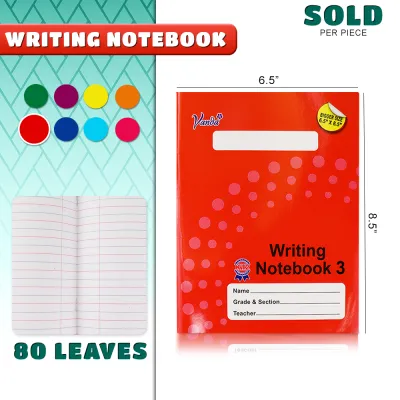
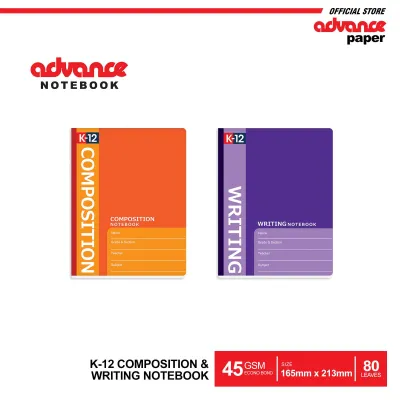
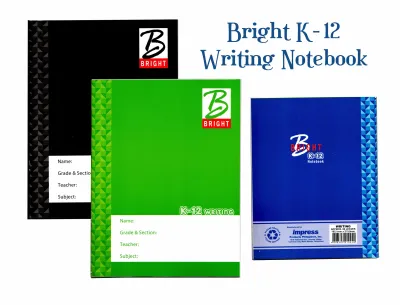
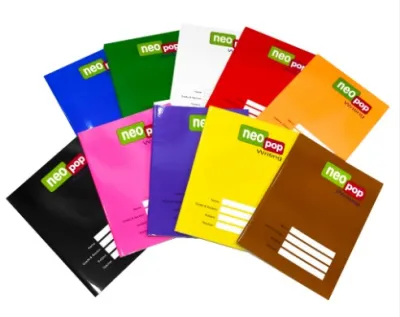
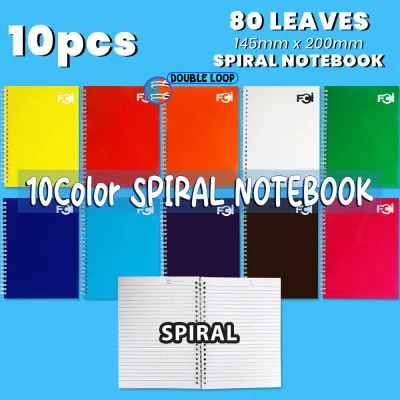
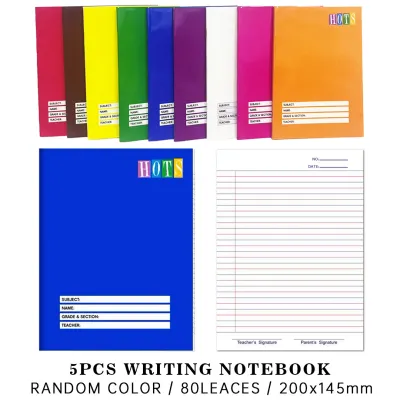
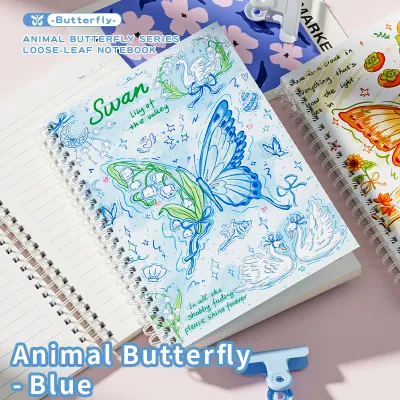
Prices are valid at publication and may change. Please refer to the product page for the latest price.
| Feature | Bound Notebooks | Loose-Leaf Notebooks |
|---|---|---|
| Binding Mechanism | Thread-stitched, glued, or spiral-bound | Metal rings, plastic rings, or slide-on prongs |
| Page Adjustability | Fixed; pages cannot be moved or added | Modular; pages can be inserted, removed, or rearranged |
| Writing Surface | Generally flat, uniform, and uninterrupted | Interrupted by center rings or binding mechanisms |
| Expansion Limits | Rigid; limited strictly to the manufactured page count | Flexible; expandable up to the physical capacity of the rings |
| Portability Profile | Slim, lightweight, and easy to slide into tight spaces | Bulky; requires extra space to accommodate the ring diameter |
The physical construction of a notebook directly affects its lay-flat capability. High-quality thread-bound notebooks (often referred to as Smyth-sewn) open completely flat, allowing you to write comfortably across the entire gutter without any physical obstruction. Spiral-bound notebooks can also fold back on themselves to save desk space, though the wire coil remains a permanent fixture.
Loose-leaf binders, on the other hand, rely on rings that project upward from the center spine. These rings can create a physical barrier for your hand, particularly when writing near the inner margins. However, loose-leaf systems compensate for this by allowing you to remove a page entirely, write on a flat, unobstructed desk surface, and then snap the page back into the binder once you are finished.
The Case for Bound Writing Notebooks
Bound notebooks represent the classic approach to writing. Their fixed-page design offers a sense of permanence and simplicity that many writers find grounding.

Key Advantages
- Exceptional Durability: Because the pages are sewn or glued directly into the spine, they are highly secure. There are no punch holes to tear, and pages are unlikely to fall out even after months of heavy handling inside a crowded bag.
- Streamlined and Professional Aesthetic: Bound notebooks maintain a neat, cohesive look. Without protruding rings or bulky covers, they slide effortlessly into slim laptop sleeves, briefcases, or backpack pockets.
- Uninterrupted Writing Flow: Writing across a bound page offers a consistent, tactile experience. There are no mechanical parts to navigate, allowing your hand to glide smoothly from the left margin to the right margin on every sheet.
- Chronological Integrity: A bound book naturally preserves the timeline of your thoughts. This makes it an exceptional tool for reflective journaling, legal notes, or laboratory logs where the sequence of entries must remain tamper-proof.
Main Limitations
- Inflexible Page Management: If you make a mistake or want to discard a page, you cannot remove it without leaving a jagged edge or compromising the structural integrity of the remaining pages. Removing a page from a thread-bound signature can cause the corresponding page on the other side of the thread to fall out.
- Fixed Capacity: You are bound to the exact page count of the book. If you run out of space mid-project, you must transition to a completely new notebook, which can fragment your reference materials.
- No Reorganization: Once an entry is written, its position is permanent. You cannot group related notes together later if they were written on different days, forcing you to rely heavily on indexes, bookmarks, or color-coded flags.
Ideal User Profiles
Bound notebooks are highly recommended for individuals whose writing is sequential and reflective. Daily journalers, creative writers, and novelists benefit from the uninterrupted space and the psychological commitment of a bound volume.
They are also excellent for professional meeting logs where maintaining a chronological record of decisions is crucial. If you value a sleek, minimalist setup and prefer to carry a single, self-contained book that requires no assembly or maintenance, a bound notebook is your ideal companion.
The Case for Loose-Leaf Writing Notebooks
Loose-leaf systems treat paper as a flexible, modular resource rather than a permanent block. This format is designed for writers who view their notes as an evolving database.
Key Advantages
- Infinite Reorganization: You can rearrange pages at any time. This allows you to group notes by topic, project, or date, regardless of when they were originally written.
- Customizable Paper Configurations: A single loose-leaf binder can hold a mix of ruled paper, dot grids, blank sheets, and pre-printed planner inserts. You can also add colored index dividers to segment your work clearly.
- Long-Term Cost Efficiency: Instead of buying a brand-new notebook when you run out of space, you only need to purchase paper refills. High-quality binder covers can be reused for years, reducing both cost and material waste.
- Archival Flexibility: When a project is finished, you can extract the relevant pages and file them away in a separate storage box or binder, keeping your active, everyday notebook light and focused.
Main Limitations
- Physical Bulk and Weight: Binders require rigid covers and heavy ring mechanisms to keep the pages secure. This design makes them significantly bulkier than bound books, taking up more space on small desks and in travel bags.
- Risk of Page Tearing: The punched holes on loose-leaf paper are vulnerable to wear and tear. Frequent page-turning or rapid handling can cause the paper to tear away from the rings, requiring adhesive reinforcement rings to repair.
- Writing Obstructions: The center rings can get in the way of your hand, especially when writing on the back of a page if you are right-handed, or the front of a page if you are left-handed. This often requires you to open the rings and remove the sheet to write comfortably.
Ideal User Profiles
Loose-leaf notebooks are highly effective for students who need to manage multiple subjects without carrying several separate notebooks. By using dividers, a single binder can hold lectures for chemistry, history, and literature, with the ability to insert handouts directly alongside handwritten notes.
They are also ideal for technical researchers, project managers, and language learners who constantly update, categorize, and expand their reference materials. If your work involves a lot of editing, sorting, and restructuring, the loose-leaf format provides the operational freedom you need.
How to Match Your Notebook to Your Daily Needs
To make an informed decision, you must look beyond the physical design and consider how each format performs under real-world conditions, including your choice of writing instruments, your daily commute, and your long-term archiving strategy.
Writing Habits and Ink Compatibility
Your choice of writing instrument plays a significant role in how your notebook performs. Ink behavior—such as bleeding, feathering, and drying speed—is determined by the paper’s weight, measured in grams per square meter (GSM), and its surface coating.
- Fountain Pens and Wet Inks: These instruments require high-quality, fountain-pen-friendly paper (typically 80 to 100 GSM or higher) with a smooth coating that resists feathering. In a bound notebook, you are locked into whatever paper the manufacturer selected. If that paper causes your favorite ink to bleed through, the entire notebook becomes difficult to use.
- The Loose-Leaf Advantage: Loose-leaf systems allow you to test different paper brands and weights within the same binder. If a particular refill pack performs poorly with your gel pens or highlighters, you can easily swap it out for a different brand without discarding the binder itself.
- The Humidity Factor: In tropical, high-humidity environments like the Philippines, paper naturally absorbs ambient moisture from the air. This absorbed moisture can cause inks to dry more slowly and feather more easily. If you write in humid conditions, choosing a notebook with high-quality, dense paper is essential to maintain clean, legible lines.
Portability and Commuting
If you frequently write outside of a traditional desk environment, the physical handling of your notebook becomes a major factor.
- Commuting Realities: For those who write while commuting on trains or buses, or during quick cafe stops, space is often limited. A slim, bound notebook with a rigid hardback cover provides an excellent, self-supporting writing surface that you can easily balance on your lap or a small tray table.
- The Binder Challenge: Standard loose-leaf binders are wider and thicker, making them harder to manage in tight spaces. However, if you prefer the loose-leaf system but need portability, you can look for slim-profile "smart" binders or soft plastic rings. These hybrid designs offer the page-rearranging benefits of loose-leaf but feature flexible, lightweight covers that fold back easily, mimicking the compact footprint of a spiral bound notebook.
Organization and Long-Term Archiving
Consider what happens to your notes after they are written. Your long-term storage strategy should guide your choice of format.
- Chronological Archiving: If you prefer to archive your life or career in neat volumes, bound notebooks are highly satisfying. A row of matching, dated journals on a bookshelf creates a beautiful, permanent library of your personal history.
- Modular Archiving: If you only need to keep a small percentage of your daily notes, a loose-leaf system is far more efficient. You can write freely, discard temporary task lists or rough drafts at the end of the week, and transfer only the essential reference pages to a permanent file box. This keeps your active daily binder light, organized, and free of unnecessary clutter.
Final Decision Guide: Choose Bound If… / Choose Loose-Leaf If…
To finalize your choice, review these straightforward, practical scenarios to see which description matches your daily routine.
Choose a Bound Notebook if:
- You value a seamless writing experience: You want a book that opens completely flat, allowing you to write across the entire page without rings getting in the way of your hand.
- Your writing is sequential: You are keeping a daily diary, a creative writing journal, or a chronological record of meetings where pages do not need to be reorganized.
- You prioritize portability: You need a slim, lightweight book that fits easily into a crowded bag and can be used comfortably on your lap or on the go.
- You want a permanent archive: You enjoy keeping completed notebooks intact as a physical record of a specific period in your life.
Choose a Loose-Leaf Notebook if:
- You need modular organization: You want to group notes by topic, insert handouts, use dividers, and rearrange pages as your projects evolve.
- You manage multiple subjects: You want a single, centralized system for different classes, clients, or projects without carrying multiple separate books.
- You want to mix paper styles: You prefer using a combination of lined, grid, blank, or planner pages within the same cover.
- You want long-term economy: You prefer to invest in a high-quality, reusable cover and simply replenish the paper refills as needed.
Verify First Before You Buy:
Before purchasing a loose-leaf system, always verify the hole-punch standards and dimensions. Refill paper and binders are not universally compatible.
Common standards include A5 (6-hole), which is popular for personal organizers, and B5 (26-hole) or A4 (30-hole), which are standard for academic and office use. A B5 26-hole refill sheet will not fit into an A5 6-ring binder. Always check that the ring spacing, page size, and hole count of your refill pack match your binder exactly before finalizing your purchase.
Frequently Asked Questions (FAQ)
Does paper weight (GSM) matter more for bound or loose-leaf formats?
Paper weight, measured in GSM (grams per square meter), is highly important for both formats, but it serves slightly different practical purposes in each. In both bound and loose-leaf notebooks, a higher GSM (such as 100 GSM or 120 GSM) prevents ink bleed-through, ghosting, and feathering, which is essential if you use wet inks, fountain pens, or heavy highlighters.
However, in a loose-leaf system, paper weight also directly impacts the structural durability of the pages. Because loose-leaf pages are held in place by rings, thin paper (such as 60 or 70 GSM) can easily tear at the punch holes under the friction of daily page-turning. Choosing a heavier paper weight, or using reinforced punch holes, is highly recommended for loose-leaf pages that you plan to flip through, rearrange, or access frequently over a long period.
Are disc-bound notebooks the same as traditional loose-leaf binders?
While both disc-bound and traditional loose-leaf notebooks are modular systems that allow you to add, remove, and rearrange pages, they use entirely different mechanisms. Traditional loose-leaf binders rely on metal or plastic rings that must be snapped open and closed to release or secure the paper.
Disc-bound notebooks use a series of individual, flat discs and paper with specialized, mushroom-shaped punch holes. To remove a page from a disc-bound system, you simply pull the page gently away from the discs; to insert it, you press the mushroom-shaped notches down over the edges of the discs.
Because the paper requires a highly specific punch shape, disc-bound systems are proprietary. Standard loose-leaf refill paper with circular holes will not fit onto a disc-bound system. If you choose a disc-bound notebook, you must buy compatible pre-punched refills or invest in a specialized disc-bound hole punch to prepare your own paper.

Community discussion
Share your experience or ask a question. Comments are reviewed before publication.