
Finding reliable art supplies for school does not require overspending. For parents in the Philippines, balancing a tight school budget with the need for safe, functional, and durable materials is a common challenge. Fortunately, a budget of under ₱200 is more than enough to secure a high-quality color set for kids if you know what features to prioritize and which common traps to avoid.
By focusing on standard color counts and established stationery brands, you can find drawing tools that perform beautifully on typical school paper. This guide outlines how to navigate the budget, compare different coloring mediums, and perform simple quality checks to ensure your child has the best tools for their classroom projects.
Setting Realistic Expectations for a ₱200 Art Supply Budget
When shopping with a budget limit of ₱200, managing expectations regarding set size and packaging is the first step to making a smart purchase. At this price point, you are generally looking at entry-level color sets. These typically include standard color counts, such as 8, 12, or 24 pieces, rather than massive professional assortments.
Products mentioned in this guide
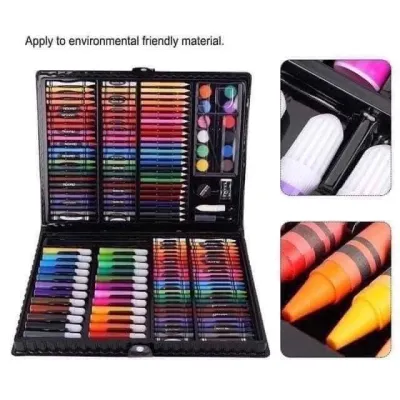
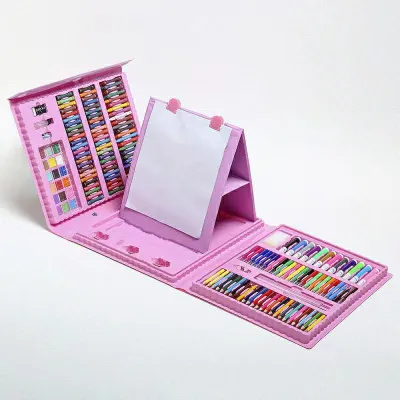
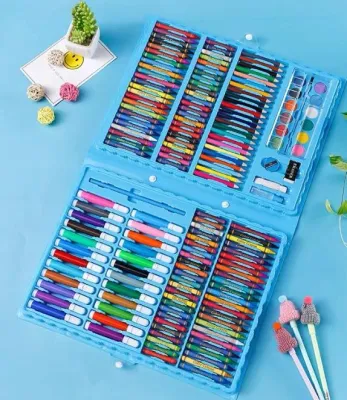
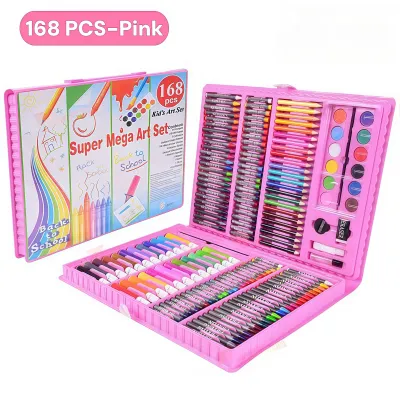
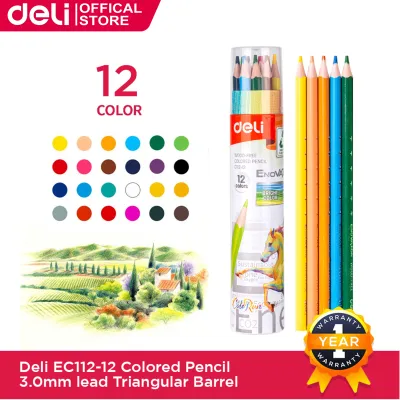
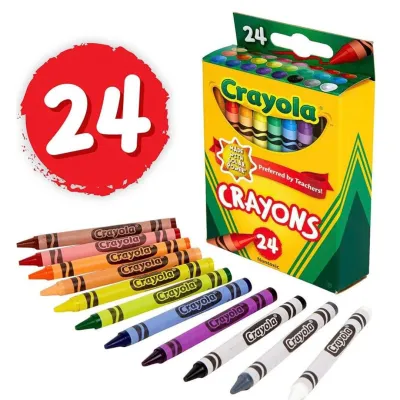
Prices are valid at publication and may change. Please refer to the product page for the latest price.
A common mistake is choosing oversized novelty sets that promise 100 or more pieces for a very low price. These kits often sacrifice pigment quality and structural durability to keep costs down. A smaller set of 12 vibrant, break-resistant colored pencils or crayons will always serve a child better than a massive box of pale, brittle alternatives that crumble under light pressure.
Packaging is another area where budget constraints are visible. Under ₱200, most color sets come in simple cardboard boxes, thin plastic sleeves, or lightweight tin cases. These materials can wear out quickly when tossed into a crowded school backpack daily. Parents can easily solve this by planning to store the colors in a reusable plastic pencil case or a durable pouch once the original packaging tears.
Finally, remember to account for potential extra costs. If you are purchasing art supplies through online marketplaces, shipping fees can quickly consume ₱40 to ₱80 of your total budget. To keep your actual product spend close to the ₱200 limit, look for local sellers, utilize free shipping vouchers, or consider buying directly from physical neighborhood bookstores.
Prioritizing Essential Features Over Extras
When evaluating budget-friendly color sets, safety should always be your top priority. Children frequently touch their faces, rub their eyes, or even chew on the ends of their pencils and crayons while concentrating. Always check the packaging for clear non-toxic certifications, such as the ASTM D-4236 or EN71 standards, which verify that the materials are safe for young artists.

Ergonomics and durability are equally important for extending the lifespan of the art supplies. For toddlers and preschoolers who are still developing their fine motor skills, look for thicker barrels, such as jumbo crayons or triangular colored pencils. These shapes are easier for small hands to grip and are much harder to snap during enthusiastic coloring sessions.
For older elementary students, look for colored pencils that feature centered cores. If the pigment core is off-center, the pencil will break repeatedly during sharpening, wasting the product and causing frustration. A sturdy, well-bonded core ensures that the pencil can survive being dropped on hard classroom floors without shattering internally.
Washability is a lifesaver for parents looking to save on cleaning costs. Water-based, washable markers and watercolors are highly recommended for younger children. These formulas easily wash out of school uniforms, cotton shirts, and off household surfaces like wooden tables or painted walls with just a bit of soap and warm water.
In the tropical climate of the Philippines, high humidity and heat can also affect stationery. Wax crayons can soften, stick together, or develop a white powdery film known as wax bloom when stored in hot, unventilated spaces. Choosing high-quality wax formulations or storing the art supplies in a cool, dry drawer helps maintain their texture and performance.
Comparing Color Mediums Within the Budget Range
Different school projects and age groups require different coloring mediums. Understanding how each medium performs under a ₱200 budget helps you select the most practical option for your child’s specific classroom needs.
Crayons remain the classic choice for early childhood art. They are highly affordable, meaning a ₱200 budget can easily buy a premium 16 or 24-pack. When testing crayons, look for a smooth, buttery application on standard pad paper. They should deposit vibrant color without requiring heavy downward pressure, and they should not leave behind excessive waxy flakes or crumbs.
Colored pencils are ideal for older elementary students who need precision for detailed drawings and maps. A standard 12-color set fits comfortably within the budget. To verify quality, check the wood surrounding the core; it should be smooth and easy to shave without splintering. The color laydown should be consistent, allowing for basic blending and shading without scratching the paper.
Watercolors are excellent for introducing children to painting and color mixing. For school use, dry watercolor pan sets (dry cakes in a plastic tray) are far more practical and less messy than liquid tubes. Ensure the set includes a basic brush with secure bristles that do not shed onto the paper. The paint should dissolve smoothly with a wet brush and dry to a flat, even finish without cracking.
Markers offer bold, vibrant colors that are perfect for school posters and science diagrams. Under ₱200, look for water-based markers with sturdy, sink-resistant tips that do not push into the barrel when pressed hard. Ensure the caps click tightly to create an airtight seal, preventing the ink from drying out prematurely in warm classroom environments.
Quality Checks and Common Budget Traps to Avoid
Before finalizing your purchase, performing a few quick quality checks can save you from bringing home defective or unusable art supplies. If you are shopping in a physical store, inspect the packaging carefully through any transparent windows to ensure no items are broken or missing.
Check the physical condition of the products. Look for cracked crayon bodies, split wooden pencil shafts, or leaking marker tips. If the packaging shows signs of water damage, crushing, or torn seals, avoid it. In humid environments, damaged packaging can allow moisture to seep in, leading to mold growth on watercolor cakes or warped pencil barrels.
Beware of the “mega-set” trap. These are large, cheap plastic cases filled with dozens of markers, crayons, and paints, often marketed as complete art kits for under ₱200. While they look impressive, the individual components are almost always of extremely low quality. The markers are often dried out, the crayons lack pigment, and the colored pencils scratch the paper instead of coloring it.
When buying online, always read the customer reviews specifically looking for photos of the actual product received. Pay close attention to comments about shipping packaging. If a seller ships colored pencils or crayons in a simple plastic mailer without bubble wrap, there is a high risk that the pencil cores will arrive shattered internally from transit impacts.
Smart Shopping Strategies for School Supplies
To get the absolute best value for your ₱200, you need to shop strategically. One of the easiest ways to compare value is by calculating the unit price, or the cost per color. Simply divide the total price of the set by the number of colors included to see which option offers the most pigment for your peso.
Always favor established, household stationery brands over unbranded novelty items. Well-known brands have strict quality control standards and must comply with international safety regulations. Because they produce art supplies in massive quantities, they can offer highly reliable, safe, and durable products at very low price points.
Consider buying during off-peak seasons. School supply prices often peak right before the school year begins. Purchasing your child’s color sets a few weeks early, or buying mid-year replacements ahead of time, can help you take advantage of clearance sales and promotional discounts.
Finally, do not overlook your local neighborhood stores. While online shopping is convenient, local public market stalls, school cooperatives, and small community bookstores often sell basic school supplies at highly competitive prices. Shopping locally eliminates shipping fees entirely, allowing you to allocate your entire ₱200 budget directly to the quality of the art supplies.
Frequently Asked Questions (FAQ)
Are unbranded color sets safe for young children? (FAQ)
Unbranded color sets can carry risks because they may not undergo strict safety testing for heavy metals or toxic chemicals. Always look for recognized safety certifications like ASTM D-4236 or EN71 on the packaging. If a set lacks these labels or has no manufacturer information, it is best to avoid it, especially for younger children who might put the coloring tools in their mouths.
How many colors should a basic school set have? (FAQ)
For most elementary school art projects, a basic set of 12 to 24 colors is ideal. This range provides all the primary and secondary colors needed for standard assignments without becoming bulky or difficult to manage. A smaller set of high-quality, blendable colors is far more useful than a large, low-quality set with redundant shades that do not transfer well to paper.
What should I do if the color set arrives damaged or dried out? (FAQ)
If you purchased the set online and it arrives damaged, cracked, or dried out, document the condition immediately. Take clear photos or a quick unboxing video showing the damage and the shipping label. Contact the seller through the ecommerce platform’s chat system to request a replacement or use the platform’s official return and refund process before confirming receipt of the order.

Community discussion
Share your experience or ask a question. Comments are reviewed before publication.