
What Makes a Fuzzy Wire Complete Set Assorted Pack Truly "Complete" for School?
When planning for a school art curriculum, selecting the right craft supplies requires looking beyond basic retail packaging. A standard retail pack picked up from a local bookstore often contains only a handful of mismatched colors, which quickly runs out during a single classroom session. For educators and parents aiming to foster creativity, investing in a high-quality fuzzy wire complete set assorted format is essential to ensure that students have the exact materials they need for various artistic tasks.
Completeness in a school art kit is not merely about having a large number of pieces; it is about matching the project scope with the physical capabilities of the materials. Simple 3D sculptures, such as basic animal figures or flower stems, require highly flexible wires that can withstand repeated bending. In contrast, complex mixed-media crafts—where fuzzy wires are combined with paper plates, wooden sticks, clay, or cardboard—demand structural variety and resilient materials that do not snap under tension. A complete set must bridge these different project needs seamlessly.
To evaluate whether a set is truly complete for educational environments, buyers should look for three core pillars: reliable wire specifications, strategic color variety, and adequate quantity for group work. Reliable specifications ensure that the wires are safe and durable enough for children’s hands. Strategic color variety prevents the common classroom bottleneck where students fight over limited neutral or primary colors. Adequate quantity ensures that entire class sections can complete their assignments without running out of materials mid-lesson.
Products mentioned in this guide

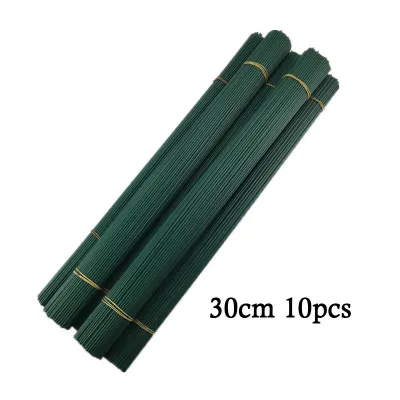
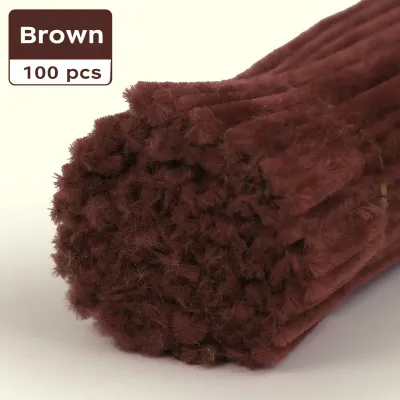
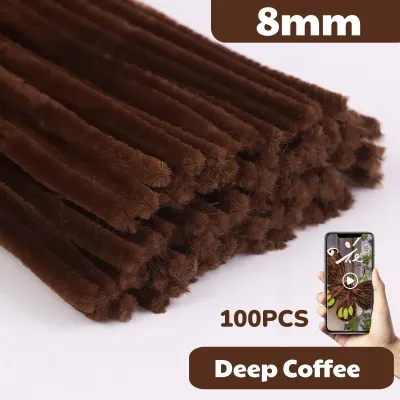
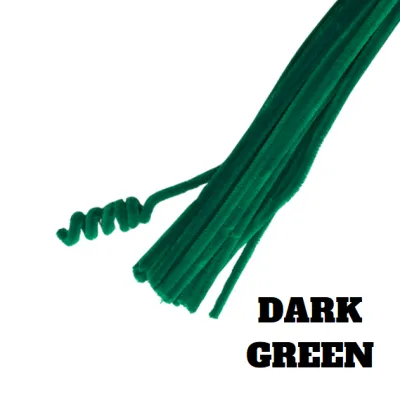
Prices are valid at publication and may change. Please refer to the product page for the latest price.
By focusing on these practical classroom realities rather than just marketing claims, teachers and school administrators can make smart purchasing decisions. An ideal set should serve as an open-ended tool that encourages spatial reasoning, fine motor development, and artistic expression. Evaluating these kits based on structural integrity and usability will save time, reduce waste, and provide a much more satisfying crafting experience for students.
Core Specifications: Length, Ply, and Material Safety
To make an informed purchase, you must understand the physical anatomy of a fuzzy wire. The standard length for school craft projects is 12 inches (approximately 30 cm). This dimension is highly versatile because it provides enough material for complex wraps and folds while remaining easy for young hands to manipulate. For early childhood classrooms, pre-cut options or shorter lengths (such as 6 inches) are sometimes utilized to minimize the need for scissors, though the standard 12-inch wire remains the industry benchmark for general art curriculums.

Thickness and ply are critical indicators of structural integrity. Most standard school sets feature 2-ply construction, which consists of two thin wires twisted together to hold the plush polyester fibers. While 2-ply wires are highly bendable and excellent for intricate details, they may struggle to support heavier structures. In contrast, 3-ply or 4-ply options are thicker, fluffier, and hold their shape much better when building larger 3D armatures. This tactile difference directly impacts the student experience; thicker wires feel softer and are easier for younger children with developing fine motor skills to grip and shape.
Material safety is paramount when sourcing supplies for a school environment. Always check the packaging for non-toxic certifications, particularly when the materials will be handled by younger students who might accidentally put their hands near their mouths. High-quality sets use lead-free wire cores and color-fast synthetic fibers that do not bleed dye onto sweaty hands—a common issue in warm, tropical classrooms.
Quality control is another vital aspect to verify before distributing these supplies to a class. Poorly manufactured fuzzy wires often feature exposed sharp metal tips at the ends, which can easily scratch sensitive skin. Well-manufactured sets undergo a cutting and finishing process where the wire ends are securely twisted and tucked, or the plush coating is dense enough to buffer the sharp metal core. Before purchasing in bulk, inspect a sample to ensure the fibers do not easily slide off the wire core when bent.
Strategizing the Color Assortment for Art Projects
An “assorted” label on a package does not guarantee a practical distribution of colors. A truly complete set must feature a strategic balance of foundational colors. Primary colors (red, yellow, and blue) and secondary colors (green, orange, and purple) form the backbone of color theory lessons. Furthermore, a generous supply of neutral tones—specifically black, white, and brown—is absolutely vital. These neutral shades are heavily consumed in school crafts for creating animal bodies, tree branches, structural skeletons, and facial features.
Creative expansions add excitement and allow students to explore advanced aesthetic themes. Neon, pastel, and variegated (multi-colored) wires are excellent additions to a classroom art kit. Pastel colors are highly popular for seasonal spring crafts, while neon shades lend themselves well to futuristic or fantasy-themed projects. Variegated wires, which transition between multiple colors along a single strand, provide unique patterns that can mimic natural textures like caterpillar skin or colorful floral petals.
Specialty shades, such as metallic, glitter, or tinsel wires, require careful consideration. While these shiny options are visually appealing and perfect for holiday decorations, they present distinct physical differences. The metallic film used to create the glitter effect is often stiffer and rougher to the touch than standard polyester fibers. Additionally, cheap glitter wires tend to shed micro-particles of plastic glitter, which can create cleanup challenges and irritate eyes. For these reasons, it is best to reserve metallic wires for older students who possess the fine motor control to handle stiffer materials safely.
When selecting a set, avoid options that over-index on rare or novelty colors at the expense of basic shades. A set containing 100 pieces but featuring 50 glittery gold wires and only 5 brown wires will quickly lead to student frustration during an animal-themed crafting session. Look for assortments that allocate at least 60% of the total volume to solid, foundational colors, leaving the remaining portion for creative and specialty accents.
Calculating Quantities and Choosing Classroom-Friendly Packaging
Determining the correct volume of fuzzy wires to purchase depends on class size, project frequency, and the complexity of the assignments. As a general rule of thumb, a single student will consume between 10 to 20 fuzzy wires per crafting session for a typical 3D sculpture project. For a standard classroom of 30 to 40 students, this translates to a requirement of 300 to 800 wires per project. Planning for a full semester of art classes means bulk purchasing is almost always the most economical path.
Choosing between bulk packs and individual kits is another operational decision for educators. Large bulk packs containing 500 to 1,000+ pieces are ideal for storing in the main art room closet, allowing the teacher to distribute specific quantities as needed. On the other hand, pre-sorted individual kits containing 30 to 50 pieces are highly efficient for personal student desks, reducing prep time and preventing the chaotic scramble that often occurs when children try to select colors from a single shared pile.
In tropical and humid environments like the Philippines, packaging choice is critical for long-term supply preservation. Leaving fuzzy wires exposed to the open air or storing them in flimsy, non-resealable cardboard boxes can expose them to high humidity. Over time, the plush synthetic fibers can absorb moisture from the air, making them feel damp, prone to tangling, and susceptible to mold or mildew growth. To protect your investment, prioritize sets that come in heavy-duty, resealable plastic bags or divided plastic organizer boxes. If you purchase bulk packs in plain cardboard, transfer the wires to airtight plastic containers with silica gel packets to maintain their fluffiness and prevent the internal metal cores from rusting.
Organization within the packaging also saves valuable instructional time. Sets that arrive pre-banded or separated by color allow teachers to hand out materials instantly, rather than spending precious minutes sorting through a tangled nest of multi-colored wires before the lesson can begin. Generally, classroom-sized bulk sets in the local market range from ₱150 for basic 100-piece packs to ₱600 or more for comprehensive 1,000-piece assortments in durable storage tubs.
Evaluating Add-Ons: Do You Need Beads, Eyes, and Glue?
Many assorted fuzzy wire sets are sold as part of larger craft bundles that include accessories like plastic pony beads, wiggle eyes, pom-poms, and small bottles of craft glue. This all-in-one format is highly appealing because it provides immediate creative potential right out of the box. Students can slide pony beads onto the wires to create jointed limbs or colorful patterns, and attach wiggle eyes to bring their handmade creatures to life without needing to search for separate materials.
However, these bundled kits come with a notable trade-off. To keep the overall retail price affordable, manufacturers often reduce the actual quantity and quality of the fuzzy wires included in the box. You might find that a 500-piece mixed craft kit only contains 100 actual fuzzy wires, with the remaining 400 pieces consisting of tiny plastic beads and small pom-poms. Furthermore, the wires in these cheap bundles are often thinner, less dense, and more prone to shedding than those found in dedicated wire packs.
For individual student take-home kits, remote learning modules, or short-term summer camp craft sessions, all-in-one bundles are highly recommended. They eliminate the logistical hassle of sourcing multiple components from different suppliers. They are also excellent for parents looking to provide a self-contained rainy-day activity at home.
Conversely, for a well-stocked, long-term classroom art station, it is far more practical to purchase pure, high-quality bulk wire packs and source your accessories separately. This approach allows you to select durable, heavy-duty fuzzy wires that will not snap during complex projects, while buying bulk containers of wiggle eyes and beads that can be refilled independently as stocks deplete.
Recommended Set Profiles for Different Classroom Scenarios
To help you navigate the purchasing process, we have outlined three distinct profiles that represent the most effective ways to buy fuzzy wire sets for educational environments. Each profile is tailored to a specific user group, budget, and project scale, ensuring you get the maximum utility out of your art supplies.
| Profile Type | Target User | Estimated Wire Count | Color Variety | Accessories Included | Best Use Case |
|---|---|---|---|---|---|
| Bulk Classroom Pack | Art Teachers & Schools | 500 – 1,000+ pieces | High (Primary & Neutrals) | None | Daily classroom crafting and high-volume school projects |
| Premium Craft Kit | Advanced Art Classes | 100 – 300 pieces | Very High (Pastels, Neons, Metallics) | None | Specialized 3D sculptures and detailed model making |
| All-in-One Starter Set | Individual Students & Parents | 30 – 50 pieces | Moderate (Standard Rainbow) | Wiggle eyes, beads, pom-poms | Take-home assignments, remote learning, or single-session workshops |
Profile 1: The Bulk Classroom Refill Pack
The Bulk Classroom Refill Pack focuses on high volume and cost efficiency. Typically containing 500 to 1,000+ pieces of standard 2-ply or 3-ply wires, this option ensures that you will not run out of supplies mid-semester. The color distribution is heavily weighted toward primary and basic colors (red, blue, yellow, green, black, white, brown) with minimal specialty items. This profile is best for school art teachers who need to restock the main supply closet for daily use across multiple grade levels and diverse projects.
Profile 2: The Premium Assorted Craft Kit
The Premium Assorted Craft Kit focuses on higher material quality and visual diversity rather than sheer volume. These sets usually contain 100 to 300 pieces of thicker 3-ply or 4-ply wires that offer superior structural support. The color assortment is highly diverse, featuring pastels, neons, and high-quality tinsel or metallic wires. This profile is ideal for specialized sculpture units, older elementary or high school students, and projects requiring high structural integrity and aesthetic variety.
Profile 3: The All-in-One Student Starter Set
The All-in-One Student Starter Set is designed for individual use and convenience. These sets contain a modest number of wires (usually 30 to 50 pieces) but come bundled with essential craft accessories such as colorful pony beads, self-adhesive wiggle eyes, and small felt sheets. This profile is best suited for individual student desk kits, take-home holiday assignments, or introductory crafting workshops where sharing supplies is not practical.
Frequently Asked Questions (FAQ)
Can fuzzy wires be washed if they get dirty during a craft project?
Submerging fuzzy wires in water is generally not recommended because the internal metal core is highly susceptible to rust. If the metal core rusts, the orange-brown oxidation will quickly bleed through and stain the plush polyester exterior, rendering the wire unusable. For minor dust or debris, use a lint roller or a dry, soft-bristled brush to clean the surface. If a wire becomes heavily soiled with wet paint, glue, or food, it is best to discard it and replace it with a fresh piece to maintain hygiene in the classroom.
How do I prevent the wire ends from poking through the plush coating?
While high-quality sets feature tucked ends, normal wear, cutting, and student manipulation can easily expose the sharp metal tips of the wire core. To prevent accidental scratches, teach students to fold the very tip of the wire back onto itself (creating a small, rounded loop) before they begin twisting or joining pieces together. For younger age groups, teachers can apply a small dab of white craft glue, hot glue, or a tiny piece of masking tape over the exposed ends to create a safe, blunt barrier.
Are metallic or glitter fuzzy wires safe for young children?
Metallic and glitter fuzzy wires often feature a stiffer internal wire gauge to support the reflective plastic film, which can make the ends sharper and harder to bend. Additionally, cheap glitter wires tend to shed small, sharp plastic particles that can irritate skin or eyes if rubbed. It is highly recommended to check the manufacturer’s age grading and non-toxic certifications on the packaging before use. For safety, reserve these specialty glitter wires for older students who have developed better fine motor control and are less likely to put craft materials near their faces.
Community discussion
Share your experience or ask a question. Comments are reviewed before publication.