
If you have spent any time browsing craft stores or watching satisfying sensory videos online, you have likely encountered a soft, pillowy material that stretches like dough and spreads like frosting. This fascinating medium is butter squishy clay, a hybrid crafting material that has taken the creative and sensory play communities by storm. Combining the best elements of lightweight air-dry clay and soft sensory doughs, it offers a unique tactile experience that is distinctly different from both traditional modeling clay and gooey slimes.
For crafters, parents, and hobbyists in the Philippines, finding a sensory material that holds up under warm, humid tropical conditions can be a challenge. Traditional slimes often liquefy or become incredibly sticky in high humidity, while oil-based modeling clays can feel greasy and stiff. Butter squishy clay provides an appealing alternative. It maintains its shape, feels dry and velvety to the touch, and offers a highly satisfying spreadability that makes it an excellent choice for everything from stress relief to intricate miniature crafting.
What Exactly Is Butter Squishy Clay?
At its core, butter squishy clay is a lightweight, highly pliable hybrid crafting medium designed primarily for sensory play and delicate modeling projects. The name “butter clay” is a descriptive commercial term rather than a strict scientific classification. Because of this, the exact formulation can vary significantly from one brand to another. However, most commercial varieties share a common structural concept: they blend a super-lightweight air-dry clay base with softening agents, specialized binders, and sometimes micro-foam beads or mineral fillers to achieve an incredibly airy, pillowy consistency.
Products mentioned in this guide
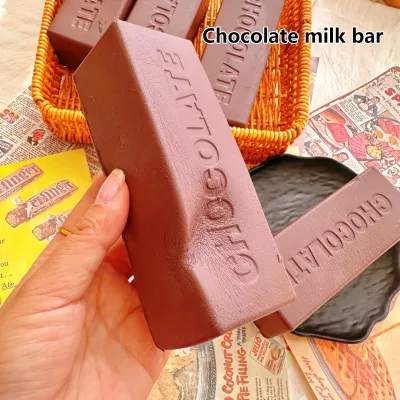
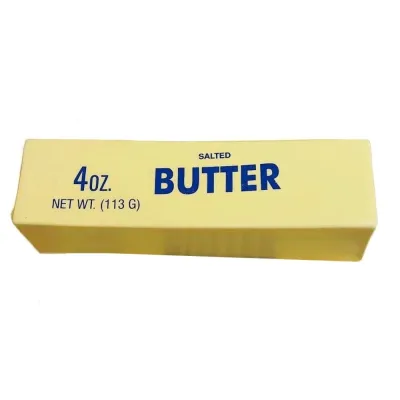
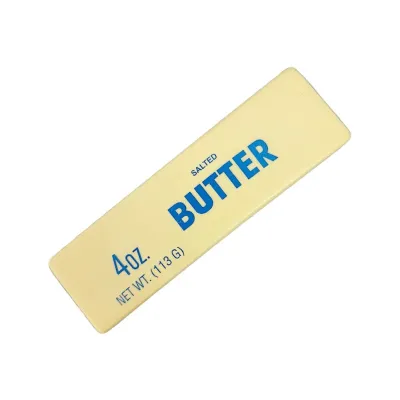
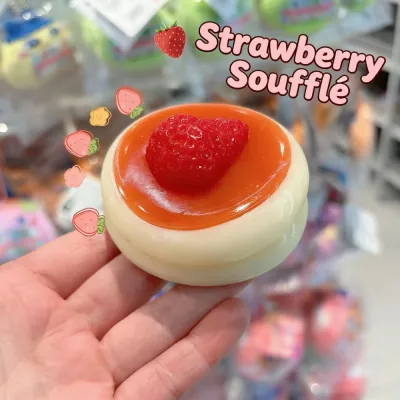
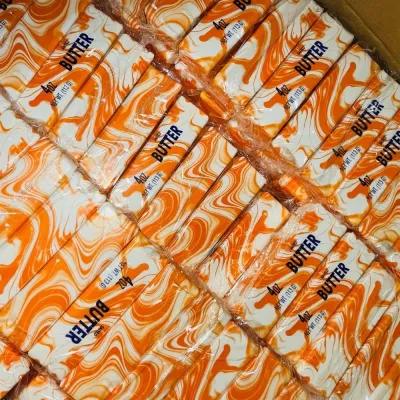
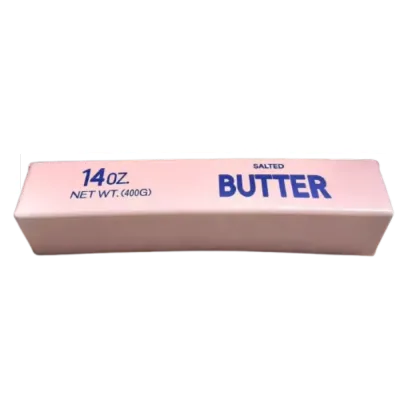
![[🇵🇭 Stock&COD] Super Wet Soft Slow Rebound Hachimi Butter Stick Butter Bar Slow Rebound Kneading Music Squishy Toys](https://img.lazcdn.com/g/p/88eaddb73580bbcf9a3dcfbfdcfff153.jpg_400x400q80.jpg_.webp)
Prices are valid at publication and may change. Please refer to the product page for the latest price.
The defining characteristic of this material is its signature “butter-like” spreadability. When you pull a plastic sculpting knife or even your finger across a lump of butter squishy clay, it shears smoothly and holds a creamy, textured peak, mimicking the visual appeal of real softened butter or cake frosting. Unlike standard clays that resist stretching or tear immediately under tension, this medium can be pulled gently into thin, wispy sheets before it eventually separates.
Tactile feedback is another area where this material shines. It is exceptionally lightweight, often feeling almost weightless in the palm of your hand. It does not leave a greasy, wet, or sticky residue on your skin, which is a common complaint with other sensory toys. When squeezed, it provides a soft, pillowy resistance that slowly rebounds or holds the impression of your fingers, depending on the specific moisture level and formula of the brand you are using. This unique physical state allows the clay to hold its shape beautifully when molded, yet it remains soft enough to be reworked repeatedly as long as it is kept moist.
Butter Squishy Clay vs. Slime vs. Regular Modeling Clay
To truly understand where butter squishy clay fits in your creative toolkit, it is helpful to compare it directly with its closest relatives: slime and traditional modeling clay. Each of these materials serves a distinct purpose, behaves differently under various environmental conditions, and comes with its own set of handling characteristics.

| Feature | Butter Squishy Clay | Slime | Regular Modeling Clay |
|---|---|---|---|
| Primary Texture | Pillowy, spreadable, and velvety | Highly stretchy, runny, or gooey | Firm, dense, and highly sculptable |
| Mess Factor | Low; cohesive and rarely sticks to hands | High; can stick to fabrics and hair | Moderate; can leave oily or color residue |
| Drying Behavior | Air-dries to a lightweight, foam-like state | Degrades, dries out, or melts over time | Varies (polymer requires heat; oil-based never dries) |
| Best For | Miniature crafts, decoden, and sensory play | Stretched play, bubble popping, and ASMR | Detailed, permanent sculpting and prototyping |
Texture and Handling
The physical sensation of handling butter squishy clay is worlds apart from both slime and traditional modeling clay. Slime is characterized by its high elasticity, liquidity, and ability to flow. It is designed to stretch, drip, and pop, but it cannot hold a three-dimensional shape on its own. If you mold slime into a ball, it will slowly melt into a flat puddle within minutes.
In contrast, regular modeling clay—such as oil-based plastilina or polymer clay—is dense, firm, and requires significant hand warmth and pressure to become pliable. It is built for structural integrity, allowing artists to sculpt fine details that remain rigid. Butter squishy clay sits comfortably in the middle. It offers the spreadable, frosting-like consistency of a whipped cream, allowing you to stretch it slightly like slime, but it retains enough structural body to hold molded shapes, piped swirls, and delicate impressions without collapsing.
Mess Factor and Cleanup
For parents and educators, cleanup is often the deciding factor when choosing a sensory material. Slime is notorious for its stickiness; it can easily embed itself in carpets, clothing, and hair, often requiring vinegar or specialized cleaners to dissolve. Regular modeling clay, while less runny, can leave an oily residue on hands and work surfaces, and some pigmented varieties can transfer color to light-colored furniture.
Butter squishy clay is generally much cleaner to handle. Because it is highly cohesive, it tends to stick to itself rather than to your hands or smooth tables. It leaves a dry, velvety sensation on the skin rather than a greasy film. However, it is important to remember that it can still leave a residue on highly porous surfaces, unfinished wood, or textured fabrics if pressed in firmly. To prevent any accidental staining or sticking, it is always wise to test a small piece of the clay on an inconspicuous area first and to use smooth silicone protective mats or plastic trays during play sessions.
Drying and Permanence
What happens to your creation after you finish playing is another crucial distinction. Slime is not a permanent medium; over time, it will either dry out into a thin, brittle crust or degrade and liquefy due to bacterial growth and environmental exposure. Regular clays behave according to their specific chemical makeup: polymer clays must be baked in a home oven to cure, ceramic clays require a high-temperature kiln, and oil-based modeling clays never dry out at all, remaining permanently soft and reusable.
Butter squishy clay is designed to air-dry. When left exposed to the open air, the moisture within the clay slowly evaporates, causing it to set into a lightweight, firm, and slightly flexible foam-like state. This drying process is entirely passive and does not require any baking or heating. However, because formulas vary widely among manufacturers, you must always check the specific product label for exact drying times and the expected final hardness. Some brands dry to a soft, spongy finish within 24 hours, while others may take several days to cure into a firmer, more rigid structure.
Best Uses for Crafting and Sensory Play
Because of its unique physical properties, butter squishy clay is an incredibly versatile medium that serves multiple purposes across different age groups and hobbies. Whether you are looking for a calming sensory tool or a practical material for detailed craft projects, this clay adapts beautifully to various creative demands.
Sensory Play
For sensory seekers, butter squishy clay is highly prized for its exceptional tactile and auditory feedback. The smooth, resistance-free spreading action mimics the satisfying feeling of icing a cake, making it a popular feature in ASMR (Autonomous Sensory Meridian Response) videos. When manipulated, squeezed, or folded, it produces soft, muffled clicking sounds and gentle air pops that many find deeply relaxing. It serves as an excellent stress-relief tool for both children and adults, providing a quiet, mess-free way to keep hands busy and focus the mind during study, work, or decompression periods.
Crafting Applications
Beyond sensory play, adult crafters and hobbyists have adopted butter squishy clay for a variety of creative applications. Its lightweight nature makes it the perfect medium for “decoden”—the art of decorating phone cases, photo frames, and accessories with faux whipped cream and miniature charms. Because the clay can be loaded into standard piping bags with metal pastry nozzles, you can easily create realistic frosting swirls, stars, and borders that dry without weighing down your daily-use items.
Additionally, it is widely used for:
- Creating lightweight charms: Perfect for keychains and earrings where heavy polymer clay would be impractical.
- Texturing miniature dioramas: Ideal for simulating snow, sand, foliage, or food items in scale models.
- Sculpting delicate figurines: Great for whimsical, cartoon-style characters that benefit from a soft, matte finish.
Target Audience
One of the greatest strengths of butter squishy clay is its broad appeal across different age groups. For young children, it is a fantastic tool for developing fine motor skills, hand strength, and bilateral coordination as they pinch, roll, and spread the material. However, its usefulness is by no means limited to kids. Adult crafters, miniature artists, and hobbyists frequently utilize this clay for its unique texture and ease of use, proving that it is a highly capable medium for serious artistic endeavors as well as casual play.
What to Check Before You Buy
With the rising popularity of butter squishy clay, online marketplaces and local stationery shops offer an overwhelming variety of options. To ensure you get a high-quality product that meets your expectations, keep this practical checklist in mind before making a purchase.
- Safety and Compliance: First and foremost, verify that the clay is safe for its intended users. Look for recognized, internationally standard non-toxic certifications printed clearly on the packaging, such as ASTM D-4236 (Standard Practice for Labeling Art Materials for Chronic Health Hazards) or EN71 (European Toy Safety Standard). This is especially critical if you are purchasing the clay for children who may have sensitive skin or a tendency to touch their faces during play.
- Packaging Integrity: Because butter squishy clay relies on moisture to stay pliable, exposure to air is its greatest enemy. When buying in person, inspect the containers for any cracks, loose lids, or broken safety seals. If you are ordering from online platforms, check customer reviews to see if other buyers have complained about receiving dried-out or stiff clay due to poor packaging. Opt for brands that package their clay in sturdy, resealable plastic tubs or heavy-duty zip pouches.
- Included Accessories: Many butter clay kits come bundled with extra tools to enhance the play experience. Depending on your goals, look for sets that include plastic sculpting knives, piping bags, decorative nozzles, mixing pigments, or small plastic charms (often called "add-ins" or "sprinkles"). If you already own crafting tools, buying individual bulk tubs might be more cost-effective; however, beginners will find these all-in-one kits highly convenient.
- Color Mixing: If you plan to create multi-colored sculptures or enjoy the process of blending shades, look for product descriptions that mention clean color mixing. Some low-quality clays use cheap pigments that bleed into one another instantly, turning into a muddy, greyish-brown mess with minimal kneading. High-quality formulas allow you to create beautiful marbled patterns or blend distinct secondary colors cleanly.
Storage, Care, and Simple Fixes
To get the most value out of your butter squishy clay, proper post-purchase care is essential. Because of the warm, humid climate in the Philippines, storing and maintaining your crafting materials correctly will prevent them from drying out prematurely or developing mold.
Always store your clay in an airtight container immediately after use. If the original packaging does not seal tightly, transfer the clay to a high-quality, heavy-duty ziplock bag, squeezing out as much excess air as possible before sealing it. Keep the container in a cool, dry place away from direct sunlight, open windows, and heat sources like appliances. Extreme heat can cause the moisture inside the clay to evaporate and collect on the container walls, leading to uneven texture or mold growth.
If you open your clay and find that it has become slightly stiff, dry, or less stretchy, do not throw it away just yet. You can often perform a simple, low-risk fix to restore its pliability:
- Flatten the clay slightly and add a few drops of clean water or a tiny dab of unscented, water-based hand lotion to the surface.
- Fold the clay over the liquid and begin kneading it thoroughly.
- Continue kneading for several minutes; the clay will gradually absorb the moisture and regain its soft, spreadable texture.
Before attempting to revive your clay, always check the manufacturer’s care instructions and product label first. Some specialized formulas do not react well to external additives, and adding incompatible liquids or heavy oils can ruin the chemical bond, causing the clay to dissolve, turn slimy, or lose its structural integrity entirely. Never attempt this process on clay that has already dried completely into a hard, solid state, as fully cured air-dry clay cannot be safely reconstituted.
Frequently Asked Questions (FAQ)
Is butter squishy clay safe for toddlers?
While many commercial butter squishy clays are labeled as non-toxic, they are generally not recommended for toddlers or very young children without strict adult supervision. The soft, frosting-like appearance and sweet scents of some brands can make the clay look highly appetizing, posing an ingestion risk. Furthermore, many kits include tiny decorative charms, plastic beads, or small tools that present a severe choking hazard. Always verify the manufacturer’s recommended age grade on the packaging—which is typically three years and older—and supervise play sessions closely to ensure safety.
Does butter clay harden completely like traditional pottery clay?
No, butter squishy clay does not cure into a dense, rock-hard ceramic or rigid plastic state. Because it is an air-dry medium designed to remain lightweight, it typically dries to a firm but slightly spongy, flexible, and foam-like consistency. It will hold its shape permanently and will not melt, but it can still be compressed slightly or damaged if subjected to heavy pressure or rough handling. If your crafting project requires absolute rigidity, structural strength, or water resistance, you should check the product’s specific drying specifications or consider using traditional polymer or ceramic clays instead.
Community discussion
Share your experience or ask a question. Comments are reviewed before publication.