
To choose the right Kuromi DIY bracelet bead set, you must evaluate the durability of the bead materials, the accuracy of the character designs, the strength of the stringing cord, and the completeness of the included hardware. A high-quality kit should feature the character’s signature black, pink, and white color palette with clean, well-painted skull motifs and charms that do not chip easily. It must also provide stringing materials that can withstand daily wear, particularly under the humid conditions of the Philippines, which can weaken low-grade elastic cords and tarnish cheap metal findings.
Whether you are crafting a simple accessory for a casual weekend outing or assembling a detailed piece of jewelry to match a specific aesthetic, the right set serves as the foundation for your project. Selecting a kit requires balancing the crafter’s skill level with the quality of the components. By focusing on specific material standards, authentic design elements, and robust hardware, you can avoid the frustration of brittle beads, snapping cords, and fading colors.
Essential Features to Evaluate in a Kuromi Bead Set
Selecting a DIY jewelry kit involves looking beyond the attractive packaging to inspect the individual components. The durability, design accuracy, and structural integrity of the materials determine how long your finished bracelet will last.
Products mentioned in this guide
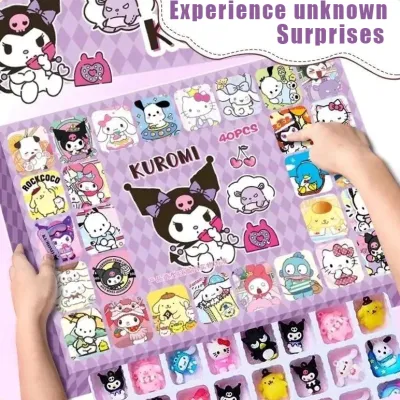
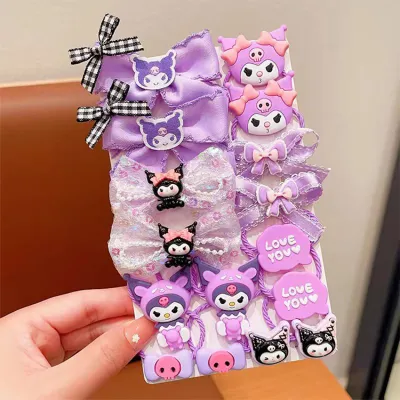
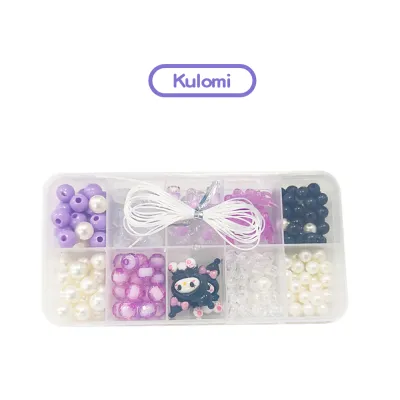
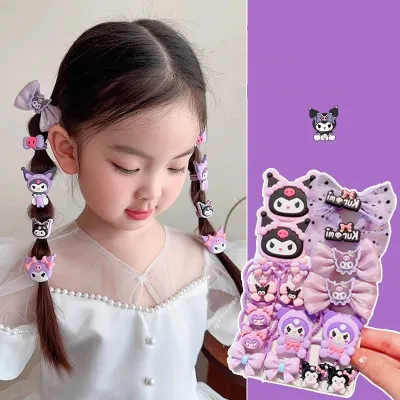
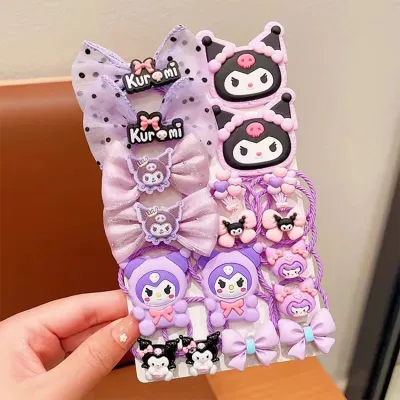
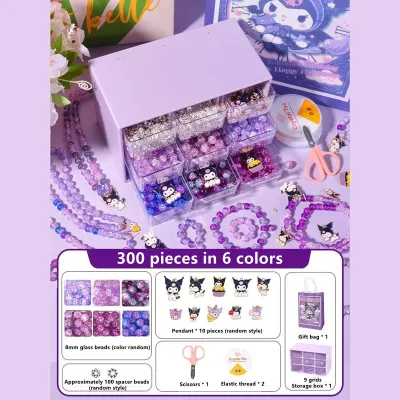
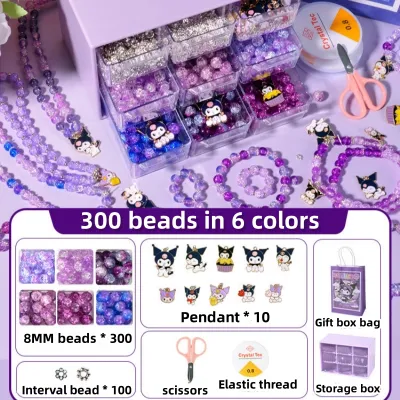
Prices are valid at publication and may change. Please refer to the product page for the latest price.
Bead Material and Durability The primary beads in these sets are typically made from acrylic, glass, or polymer clay. Acrylic beads are lightweight and highly impact-resistant, making them excellent for casual wear, though they can scratch easily if stored loosely. Glass beads offer a premium weight, high luster, and excellent scratch resistance, but they are more fragile and can chip if dropped on hard tile floors. Polymer clay beads provide a matte, trendy texture and are highly flexible, though they can absorb oils and dirt over time if not handled with clean hands.
When evaluating the signature black, pink, and white Kuromi color palette, check the beads for uniform color saturation. Lower-quality acrylic beads often feature visible mold lines or uneven dye distribution, which can make the finished bracelet look unpolished. To verify colorfastness, you can rub a sample bead firmly between your fingers or with a damp cloth; the color should not bleed or transfer to your skin.
Thematic Accuracy and Design Kuromi’s distinct aesthetic relies on precise character details, including her signature jester’s hat, pink skull emblem, and mischievous expression. Officially licensed Sanrio merchandise features highly accurate proportions, clean paint lines, and correct color matching. In contrast, unlicensed or “inspired” kits often suffer from distorted facial features, mismatched pink hues, or poorly printed skull motifs that look generic.
Look closely at the included character charms and focal beads. High-quality charms are made from thick, molded acrylic or enamel-coated metal with clean borders and securely attached hanging loops. If the paint on the charm’s eyes or skull emblem is smudged or misaligned, the entire bracelet’s visual appeal will be compromised.
Hardware and Stringing Quality The longevity of a beaded bracelet depends heavily on the cord that holds it together. Elastic cord is the standard for stretch bracelets, but its thickness and material composition vary. A reliable kit should include polyurethane elastic cord with a thickness of at least 0.7mm to 0.8mm to support the weight of the beads without sagging. Thin, single-strand polyester threads tend to fray and snap easily under tension.
For bracelets that use clasps, the quality of the metal findings is critical. Look for kits that provide stainless steel, brass, or iron hardware rather than cheap zinc alloys. In the humid tropical climate of the Philippines, low-grade alloys oxidize rapidly, turning green or black and irritating the skin. Ensure the jump rings are thick enough to resist opening under gentle pressure, and verify that the crimp beads are malleable enough to hold the wire securely without cracking.
Kit Completeness A well-designed DIY set should contain everything needed to complete multiple projects without requiring additional trips to a craft store. Beyond the beads and charms, a comprehensive kit includes a dedicated bead mat or sorting tray to keep small pieces from rolling away during assembly. Fine-tipped tweezers or bead needles are highly beneficial for threading small seed beads onto the cord.
Storage is another crucial factor. High-quality sets come in sturdy, compartmentalized plastic organizers with secure latches to prevent the beads from mixing during transport. Finally, look for clear, illustrated instruction guides that explain basic knotting techniques, finishing methods, and design layouts, which are especially helpful for beginners.
Recommended Set Configurations by Skill Level
Not all DIY bead sets are created equal, and matching the kit’s complexity to the crafter’s experience level ensures an enjoyable making process.

Beginner and Kids' Starter Kits
Starter kits are designed to build confidence by focusing on simplicity, safety, and immediate success. These sets are ideal for children, parents crafting together, or individuals who have never made a piece of jewelry before.
When shopping for a beginner-friendly set, prioritize kits that feature larger bead sizes, typically 8mm to 10mm in diameter. Larger beads are much easier for young hands to grip and thread, reducing hand strain and frustration. The bead holes should also be relatively wide and clean, allowing the stringing material to pass through smoothly without getting caught on internal plastic debris.
These kits should include pre-cut elastic cords or thick, easy-to-tie silicone bands that eliminate the need for complex finishing techniques like crimping or attaching metal clasps. The materials must be non-toxic and safety-certified, utilizing smooth acrylic or soft polymer clay beads with no sharp edges. Simple, repeatable patterns—such as alternating pink and black beads with a single central Kuromi charm—allow beginners to focus on mastering the basic physical mechanics of stringing. Starter kits are highly affordable, typically ranging from ₱150 to ₱400 in local craft outlets and online marketplaces.
Intermediate Customization Sets
Intermediate sets offer a balance of structure and creative freedom, making them perfect for crafters who understand the basics and want to design personalized accessories.
These configurations typically feature a diverse mix of bead sizes, shapes, and textures. You can expect to find a combination of 6mm round acrylic beads, bicone spacer beads, disc-shaped polymer clay beads, and small glass seed beads. This variety allows you to experiment with texture layering and more complex pattern structures, such as asymmetrical designs or multi-strand layouts.
Personalization is a key highlight of intermediate kits, which often include a generous selection of alphabet or letter beads. This addition allows you to spell out names, custom phrases, or fandom references alongside your Kuromi charms. The charms themselves are usually of higher quality, featuring double-sided enamel finishes and a wider variety of poses, such as Kuromi eating sweets, riding her purple tricycle, or posing with her sidekick, Baku. These sets generally cost between ₱400 and ₱800.
Advanced Jewelry-Making Collections
Advanced collections are tailored for experienced crafters who want to produce durable, retail-quality jewelry that looks professionally made.
These premium sets step away from basic acrylics, focusing instead on high-grade materials like faceted glass crystal beads, genuine freshwater pearls, and intricate metal findings. The Kuromi pendants in these kits are often highly detailed, featuring polished enamel plating, rhinestone embellishments, or sterling silver finishes. The overall aesthetic is more sophisticated, allowing you to create pieces that transition easily from casual wear to formal outfits.
Instead of simple elastic, advanced kits provide professional stringing materials such as multi-strand nylon-coated stainless steel beading wire or heavy-duty nylon thread. They also include specialized tools like round-nose pliers, chain-nose pliers, and wire cutters, which are essential for creating neat wire loops and secure crimps. The finishing hardware is more complex, featuring lobster claw clasps, toggle clasps, extension chains, and wire protectors to ensure the finished bracelet is both secure and adjustable. These comprehensive professional collections typically range from ₱800 to ₱1,500 or more.
Quick Comparison of Kuromi Bead Set Types
To help you select the most suitable configuration for your crafting goals, the table below summarizes the key differences between the three primary set types.
| Set Configuration | Primary Bead Material/Size | Included Tools | Skill Level | Best Use Case |
|---|---|---|---|---|
| Beginner Starter Kit | 8mm–10mm Acrylic & Polymer Clay | None (Pre-cut elastic cords) | Beginner / Kids | Casual crafting, children's parties, and quick afternoon projects |
| Intermediate Customization Set | 6mm–8mm Mixed Acrylic, Clay, & Alphabet Beads | Threading needles, scissors, bead tray | Intermediate | Personalized gifts, custom name bracelets, and hobby crafting |
| Advanced Jewelry Collection | Faceted Glass, Crystals, & Premium Metal Charms | Pliers, wire cutters, bead mat, sorting tray | Advanced | Professional-grade jewelry making, durable gifts, and retail resale |
Safety, Authenticity, and Quality Checks Before Buying
Before purchasing a Kuromi bead set from an online marketplace or a local craft store, performing a few quality and safety checks can save you from a disappointing purchase.
Safety and Age Grading Because bead sets contain numerous small parts, they pose a significant choking hazard for toddlers and young children. Always check the manufacturer’s recommended age grading on the packaging, which is typically set at ages 6 or 8 and above for basic kits, and 12 and above for kits with small metal findings. If you are purchasing a kit for a child, look for explicit “non-toxic” and “BPA-free” labels on the materials, especially for polymer clay and painted acrylic beads that may come into frequent contact with skin.
Authenticity Verification If you want to ensure your purchase supports the original creators and features accurate character designs, look for indicators of official Sanrio licensing. Genuine licensed products sold in the Philippines usually feature a holographic Sanrio sticker on the packaging, clear copyright notices (e.g., “© SANRIO CO., LTD.”), and professional branding. When shopping on e-commerce platforms, look for authorized retailer badges, official flagship store labels, or highly detailed product photos that show the official packaging rather than generic plastic bags.
Quality Red Flags User reviews and customer-uploaded photos are invaluable resources for identifying potential quality issues before spending your money. Look closely at negative reviews to spot recurring complaints about brittle beads that crack during stringing, poorly applied enamel paint on the character charms, or missing letters in the alphabet bead compartments. If multiple buyers report that the included elastic cord snaps under light tension or that the metal clasps tarnish after a single day of wear, it is best to look for an alternative kit.
Pre-Crafting Inspection Once your bead set arrives, perform a quick visual and tactile inspection before you begin crafting. Empty the compartments onto a flat surface or bead mat to verify that all advertised tools, charms, and findings are present. Gently tug on a section of the elastic cord to test its elasticity and recovery, and run your fingers over the beads to check for sharp edges or blocked bead holes. Identifying any damaged or missing pieces early allows you to request a replacement or return from the seller before you invest time into making a bracelet.
Frequently Asked Questions (FAQ)
Can I use regular elastic cord for heavy Kuromi charm beads?
Standard thin elastic cord, such as 0.5mm thread, is generally unsuitable for heavy Kuromi charms made of metal or thick molded acrylic. Under the weight of these heavier focal pieces, thin cord will stretch out permanently, causing the bracelet to sag awkwardly, and it is highly likely to snap under sudden tension. For bracelets featuring substantial charms, it is best to use a thicker polyurethane elastic cord measuring 0.8mm to 1.0mm. Alternatively, you can transition to a non-elastic, nylon-coated stainless steel beading wire finished with crimp beads and a secure metal clasp, which provides the structural strength needed to support heavy ornaments safely.
How do I clean and maintain my finished Kuromi bead bracelet?
To keep your handmade Kuromi bracelet looking vibrant, wipe the acrylic, glass, or polymer clay beads gently with a soft, damp microfiber cloth after wearing. Avoid using harsh household chemicals, alcohol wipes, or abrasive scrubbers, as these can strip away the painted details on the character charms and degrade the surface of polymer clay. Because the tropical climate in the Philippines involves high humidity and sweat, always remove your bracelet before swimming, showering, or exercising. Water exposure can rust metal findings, tarnish cheap alloy charms, and cause elastic cords to lose their elasticity over time. Store the finished bracelet in a dry, cool place away from direct sunlight to prevent the pink and white pigments from fading.
Community discussion
Share your experience or ask a question. Comments are reviewed before publication.