
To make a successful wholesale long folder purchase, you must evaluate three core pillars: precise dimensional compatibility, material durability matched to your storage environment, and the supplier’s commercial terms. Securing bulk stationery is not merely about finding the lowest unit price; it is about ensuring that the folders protect critical business records without warping under local tropical conditions, fit seamlessly into your existing filing cabinets, and offer a sustainable total cost of ownership.
For businesses handling high volumes of paperwork—such as law firms, accounting agencies, logistics providers, and administrative offices—the humble folder is an indispensable tool for daily operations. However, purchasing these supplies in bulk introduces a layer of complexity that goes far beyond a quick trip to a local retail store. A mismatched specification or a poor material choice can result in thousands of unusable folders, wasted capital, and disrupted workflows. By systematically analyzing your operational needs against the physical and commercial realities of wholesale procurement, you can establish a reliable, cost-effective filing system that protects your documents for years to come.
Clarifying "Long" Size Standards to Ensure Document Compatibility
When procuring office supplies in the Philippines, the term “long” carries a highly specific regional definition. In local business parlance, a “long” folder typically corresponds to a document size of 8.5 by 13 inches (approximately 216 by 330 millimeters). This size is distinct from the standard US Legal size, which measures 8.5 by 14 inches (216 by 356 millimeters). Many international manufacturers default to US Legal when fulfilling orders labeled as “long,” which can lead to compatibility issues. If your business primarily uses local 13-inch long bond paper, purchasing 14-inch US Legal folders will result in excess material that may not fit inside standard local filing cabinets or storage boxes. Conversely, attempting to force 13-inch documents into A4 (8.27 x 11.69 inches) or Letter (8.5 x 11 inches) folders will leave document edges exposed to tearing, dust, and handling damage.
Products mentioned in this guide
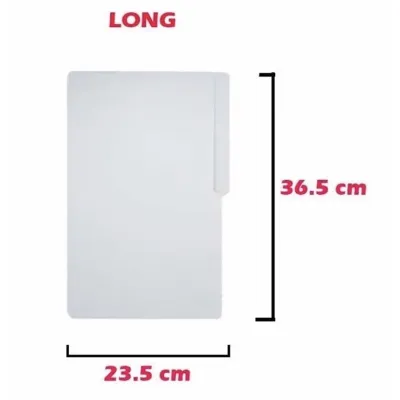
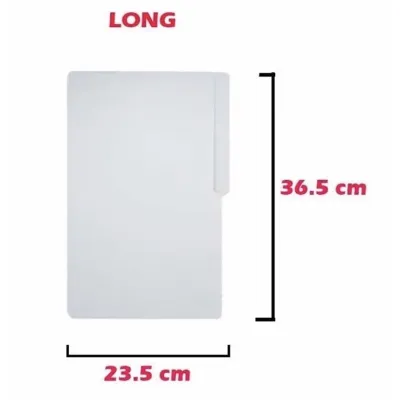



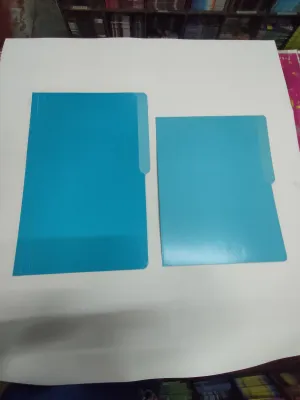
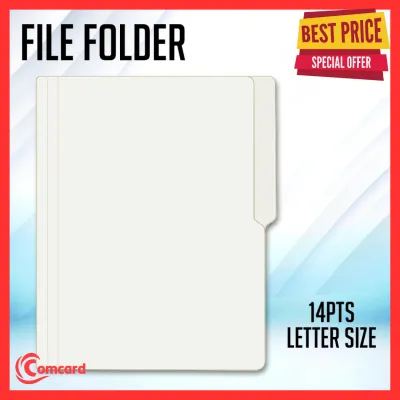
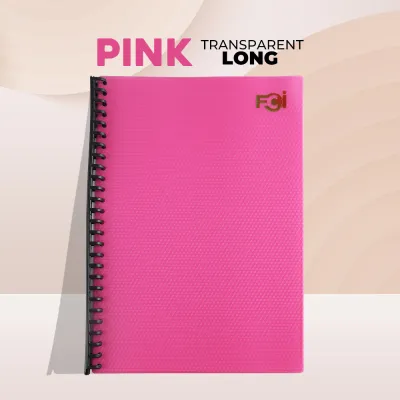
Prices are valid at publication and may change. Please refer to the product page for the latest price.
To avoid these costly dimensional mismatches, you must explicitly verify the internal pocket or usable dimensions of the folders. The external dimensions represent the outer boundaries of the cover, but the true capacity is determined by the internal space available once fasteners, seams, or glue lines are factored in. For example, a folder with an external length of exactly 13 inches may pinch the edges of 13-inch documents if the metal fasteners or plastic prongs are positioned too close to the top margin. Always request a detailed specification sheet showing the exact placement of pre-punched holes, fastener slots, and pocket seams. If your business uses pre-printed forms with specific margin requirements, verifying these internal clearances ensures that no critical text or signatures are obscured or damaged during filing.
In addition to overall dimensions, the physical orientation and tab configuration of the folders must align with your existing filing infrastructure. Folders generally come in either top-opening (vertical) or side-opening (horizontal/lateral) orientations. Top-opening folders are ideal for deep filing drawers where users look down at the labels from above, whereas side-opening folders are designed for open-shelf filing systems where labels are read from the side. Tab cuts—such as 1/3 cut (where the tab occupies one-third of the folder’s width, staggered across left, center, and right positions) or 1/5 cut—greatly influence retrieval speed. If your administrative staff relies on color-coded or alphabetical indexing, purchasing straight-cut folders might limit visibility, whereas staggered 1/3 cut tabs allow for rapid scanning. Before finalizing a wholesale order, physical audits of your current filing cabinets and retrieval workflows will dictate the exact tab cuts and orientations required.
Evaluating Material Quality and Thickness for Your Specific Use Case
The physical material of your wholesale folders directly governs their lifespan, structural integrity, and suitability for different business environments. The three most common materials available in wholesale quantities are standard Kraft paper (often referred to as Manila paper), heavy-duty pressboard, and polypropylene (plastic). Each material presents distinct physical properties that dictate its performance under daily use. Standard Kraft paper is lightweight, highly recyclable, and cost-effective, making it the go-to choice for high-volume, temporary document sorting or active files that are frequently updated. Heavy-duty pressboard is a dense, highly compressed paperboard that offers exceptional rigidity, making it the gold standard for heavy archival storage. Polypropylene, on the other hand, is a synthetic polymer that provides complete water resistance and high tear strength, making it virtually indestructible under normal office conditions.

To objectively assess the durability of paper-based folders, you must evaluate their paper weight, typically measured in Grams per Square Meter (GSM) or points (pt, representing caliper thickness where 1 point equals 1/1000 of an inch). Standard Manila folders generally range from 150 GSM (approximately 9pt to 11pt) to 230 GSM (approximately 14pt). A 150 GSM folder is highly flexible and suitable for light, low-volume filing, but it will quickly sag or tear if stuffed with more than twenty sheets of paper. For heavier daily handling, a minimum of 200 GSM (11pt to 14pt) is recommended to maintain structural uprightness in filing drawers. For plastic folders, thickness is measured in mils or microns (where 100 microns is approximately 4 mils). High-quality wholesale polypropylene folders should have a thickness of at least 180 to 250 microns to prevent the covers from curling or warping over time.
Matching these material characteristics to your physical office environment is critical for preserving your business records. In tropical regions like the Philippines, high relative humidity and ambient moisture pose a constant threat to paper-based stationery. Standard Kraft paper easily absorbs airborne moisture, leading to a loss of structural rigidity and an increased susceptibility to mold growth or silverfish infestations. If your storage facility lacks continuous air conditioning, opting for polypropylene folders or plastic-coated paperboards is a highly effective preventive measure. Conversely, if your business requires long-term archival storage of closed files in a dry, climate-controlled archive, heavy-duty pressboard folders with reinforced cloth spines are the superior choice. Pressboard can support hundreds of pages without buckling, ensuring that historical corporate records remain intact and organized for decades.
Beyond the base material, pay close attention to the structural reinforcements and expansion features of the folders. Standard folders have a flat spine that can only accommodate a small stack of papers before the covers flare open awkwardly. If your business processes thick legal cases, multi-page financial audits, or comprehensive project blueprints, you should look for folders featuring expandable gussets. These gussets allow the spine to expand by 1, 1.5, or even 2 inches, maintaining a neat, box-like shape even when fully loaded. Furthermore, reinforced edges—where the top and side margins of the folder are folded over and glued—provide double-thick protection against finger cuts and edge wear, significantly extending the operational life of each folder in high-traffic administrative environments.
Navigating Minimum Order Quantities and Wholesale Pricing Tiers
Procuring stationery on a wholesale scale requires a clear understanding of Minimum Order Quantities (MOQs) and how they vary across different supplier channels. Local office supply distributors typically offer the lowest MOQs, often allowing businesses to purchase as few as 5 to 10 boxes (with 100 folders per box) in a single transaction. While this low entry barrier preserves your cash flow and reduces storage space requirements, it comes with a higher unit price. Direct manufacturers, by contrast, demand much higher MOQs—frequently starting at 1,000 to 5,000 pieces per specific size, color, or configuration—because their production lines must be calibrated for specific runs. Online B2B marketplaces sit in the middle, offering flexible MOQs but requiring rigorous verification of the seller’s track record, product consistency, and shipping reliability.
To accurately evaluate wholesale quotes, you must look beyond the base unit price and calculate the “true landed cost per unit.” A low base price can easily be offset by high logistics and administrative fees. The true landed cost should be calculated using a standardized formula:
Landed Cost per Unit = (Total Purchase Price + Shipping/Freight + Handling Fees + VAT) / Total Number of Folders
For example, if you secure a base price of ₱10 per folder for 1,000 folders, but face ₱2,000 in shipping fees across the Philippine archipelago, ₱500 in handling charges, and a 12% Value-Added Tax (VAT) of ₱1,200, your actual expenditure is ₱13,700. This increases your true landed cost to ₱13.70 per folder, representing a 37% increase over the advertised wholesale price. When comparing quotes from multiple suppliers, always request an all-inclusive, itemized breakdown that details these secondary expenses.
Geographic location plays a major role in shipping and freight costs, particularly when distributing supplies to branch offices outside the National Capital Region (NCR). Shipping large, heavy cartons of paper or plastic folders to the Visayas or Mindanao regions can incur substantial freight surcharges. To mitigate these expenses, look for wholesale suppliers that maintain regional distribution hubs or offer consolidated shipping rates through local freight forwarders. Additionally, ensure that your procurement contracts clearly state whether the quoted price includes the standard 12% VAT, as some suppliers present pre-tax figures to make their rates appear more competitive than they actually are.
Managing the inventory risks associated with bulk purchasing requires strategic negotiation and planning. Committing to a massive order to secure the lowest pricing tier can tie up valuable capital and warehouse space, exposing your stock to potential environmental damage. To balance cost savings with inventory safety, consider negotiating a “blanket order” agreement with your supplier. Under a blanket order, you commit to purchasing a large volume of folders (e.g., 5,000 units) over a 12-month period to lock in the high-volume discount tier, but the supplier agrees to deliver the stock in smaller, scheduled quarterly batches. Alternatively, you can request mixed-size sample batches before committing to a full production run, or negotiate a lower initial MOQ for your first order to verify the supplier’s delivery speed and product quality before scaling up your procurement.
Assessing Supplier Reliability and Customization Capabilities
A wholesale supplier’s operational reliability is just as important as the physical quality of their folders. Unreliable lead times can severely disrupt your business operations, especially if your administrative team runs out of filing supplies during high-pressure periods like back-to-school seasons, fiscal year-end audits, or quarterly tax filing periods. When vetting potential suppliers, ask for detailed historical data on their fulfillment rates and standard lead times. A reputable supplier should be able to provide a clear timeline from order confirmation to final delivery, including buffer periods for potential logistics delays. It is highly advisable to establish your wholesale contracts well in advance of peak seasons to ensure that your order is prioritized in the manufacturer’s production schedule.
For many corporate entities, customization is a key requirement for branding, security, or organizational purposes. Customization options typically include foil stamping, embossing, silk-screen printing, or custom color-matching to align the folders with your corporate identity. When inquiring about custom-printed folders, you must clarify several operational parameters:
- Setup and Plate Fees: Custom printing requires the creation of physical plates or stamps. Ensure you know whether these are one-time charges or if they apply to reorders.
- Minimum Run Requirements: Customized production runs usually carry significantly higher MOQs than off-the-shelf products to justify the machine setup time.
- Proofing and Approval Process: Never allow a supplier to proceed directly to full production without first approving a physical pre-production sample. Digital mockups can look perfect on a screen, but they cannot show how ink or foil adheres to textured Kraft paper or slick polypropylene. Inspecting a physical proof allows you to verify color accuracy, logo alignment, and print crispness before authorizing the final run.
Finally, establish clear quality assurance (QA) protocols and return policies within your procurement agreement. In large-scale manufacturing runs, minor defects such as misaligned cuts, weak heat-welds on plastic seams, failing adhesives on fasteners, or slight color variations between batches can occur. Your contract should explicitly define what constitutes a defective product and outline the process for returning and replacing damaged items. A reliable wholesale supplier will offer a straightforward dispute resolution process, providing replacements or credits within a reasonable timeframe (e.g., 10 to 15 business days) without charging additional shipping or handling fees for the return of defective merchandise.
Comparing Common Long Folder Materials for Business Needs
Selecting the right material for your wholesale folder order involves balancing physical durability against your allocated budget. To help you make an informed decision, the table below compares the most common long folder materials based on their physical properties, environmental resistance, and typical business applications.
| Material Type | Relative Durability | Moisture Resistance | Ideal Business Use Case | Relative Cost Tier |
|---|---|---|---|---|
| Standard Kraft Paper | Moderate; prone to tearing under heavy loads | Low; absorbs moisture and warps easily | High-volume daily sorting, temporary files, and low-budget administrative tasks | Low |
| Heavy-Duty Pressboard | High; highly rigid and resistant to bending | Moderate; handles light humidity but can degrade if wet | Long-term archival storage, thick legal files, and heavy financial records | High |
| Polypropylene (Plastic) | Very High; tear-resistant and highly flexible | Excellent; completely waterproof and mold-resistant | High-humidity environments, active field use, and frequently retrieved records | Medium to High |
When utilizing this comparison, consider the specific operational lifecycle of your documents. If your files are handled multiple times a day by various departments, the long-term durability and moisture resistance of polypropylene can offset its higher initial cost by eliminating the need for frequent replacements. Conversely, if your primary goal is to box up closed files for deep storage in a dry archive room, heavy-duty pressboard provides the necessary structural rigidity to keep files standing upright without the premium cost of synthetic plastics. For short-term projects or high-turnover administrative tasks, standard Kraft paper remains the most economical and environmentally friendly solution.
Frequently Asked Questions (FAQ)
Can I mix short and long folders in a single wholesale order?
Whether you can mix different sizes within a single wholesale order depends heavily on the supplier’s business model. Retail distributors and general office supply wholesalers often allow you to mix short (Letter/A4) and long folders to meet a single minimum order value or box count, as they draw from existing stock. However, direct manufacturers usually require separate MOQs for each size. This is because manufacturing different sizes requires stopping the production line to recalibrate the cutting, folding, and punching machinery, which incurs setup costs. If your business requires a mix of sizes, it is best to work with a distributor who can consolidate your order, or negotiate a custom contract with a manufacturer that accounts for multi-size production runs.
How should I store bulk folders to prevent warping in humid climates?
In tropical environments characterized by high humidity, proper storage of bulk stationery is essential to prevent warping, mold, and material degradation. Always store your cartons of folders elevated off concrete floors—ideally on wooden or plastic pallets—to prevent moisture from seeping up through the ground. Avoid storing boxes in direct sunlight, as extreme heat can cause plastic folders to warp and paper folders to become brittle and discolored. Maintain stable indoor ventilation by using fans or dehumidifiers in your storage room. For paper-based folders, keeping large silica gel desiccant packs inside the storage boxes can help absorb excess moisture and preserve the crispness of the paper fibers until they are ready for use.
What is the standard lead time for custom-printed wholesale folders?
The standard lead time for custom-printed wholesale folders typically ranges from three to six weeks, depending on the complexity of the customization and the supplier’s current production queue. The process begins with the design and proofing phase, which takes approximately 3 to 5 business days for digital layouts. Once the design is approved, fabricating the custom printing plates or embossing dies requires another 5 to 10 business days. The actual manufacturing and printing run can take anywhere from 1 to 2 weeks, depending on the size of the order. Finally, local shipping and customs clearance (if importing) can add another 5 to 10 business days. To ensure your customized folders arrive on time, always initiate the procurement process at least two months before your target deployment date.
Community discussion
Share your experience or ask a question. Comments are reviewed before publication.