
Quick Answer: C2S vs Uncoated Paper
Choosing between C2S (Coated Two Sides) and uncoated paper is not a matter of finding a universal winner; instead, the choice depends entirely on your primary task. If your goal is vibrant, high-definition image reproduction for brochures, flyers, or photo-heavy layouts, C2S paper is the ideal choice. Its sealed surface keeps ink on top of the page, preserving sharp details and bright colors.
Conversely, if you are selecting paper for everyday writing, journaling, or text-heavy reading, uncoated paper is highly superior. The natural, porous texture of uncoated paper absorbs ink quickly, preventing the smudges and smears that often occur on coated surfaces. The choice ultimately comes down to a fundamental trade-off: C2S excels at holding vivid printed images, while uncoated paper provides the tactile friction and fast absorption required for comfortable handwriting and glare-free reading.
Understanding the Core Differences
To make an informed decision, it is essential to understand how these two paper types are manufactured and how their physical structures affect ink behavior. C2S stands for “Coated Two Sides,” meaning the base paper has been treated on both surfaces with a thin layer of minerals, typically clay or calcium carbonate. This coating fills in the microscopic gaps between the wood fibers, creating an exceptionally smooth, flat, and sealed surface. Because the surface is non-porous, printing inks and toners sit directly on top of the coating rather than sinking into the sheet.
Products mentioned in this guide
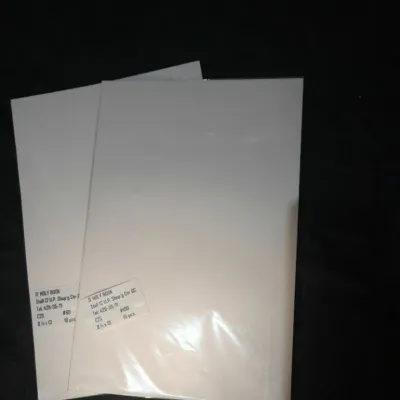
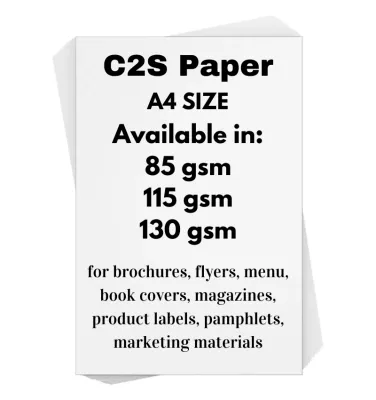
Prices are valid at publication and may change. Please refer to the product page for the latest price.

Uncoated paper, as the name implies, does not receive this mineral sealant. The natural wood fibers remain exposed, giving the paper a distinct texture, often referred to as “tooth.” This exposed fiber structure makes the paper highly porous, acting like a sponge when it comes into contact with liquid. When ink is applied to uncoated paper, it is drawn deep into the fiber network.
This structural difference dictates how ink dries and behaves on each sheet. On C2S paper, drying occurs primarily through evaporation, which keeps the ink concentrated in a tight, precise area for maximum sharpness. On uncoated paper, drying occurs through absorption, which causes the ink to spread slightly along the fibers—a phenomenon known as feathering. In tropical climates like the Philippines, high relative humidity can significantly amplify these characteristics. Excess moisture in the air can slow down evaporation on C2S paper, extending drying times and increasing the risk of smudging, while uncoated paper may absorb ambient moisture, making it feel slightly limp if left unprotected.
Evaluating Paper for Notebooks and Writing
When selecting a notebook or planning a custom stationery project, your choice of writing instruments should guide your paper selection. Uncoated paper is highly compatible with almost all everyday pens, including ballpoints, gel pens, rollerballs, and fountain pens. The natural friction of the exposed fibers helps pull ink from the pen tip smoothly, and the porous surface absorbs the ink almost instantly. This rapid absorption is particularly beneficial for left-handed writers who struggle with smudging as their hand moves across the page.
C2S paper presents unique challenges for handwriting. Because the surface is sealed, liquid inks from gel pens, rollerballs, and fountain pens cannot penetrate the page. Instead, the ink pools on top of the coating, requiring significantly longer drying times. If you close your notebook too quickly or accidentally run your hand over the fresh writing, the ink will smear. However, C2S paper can work well with standard ballpoint pens or specialized quick-drying markers, offering an ultra-smooth, gliding writing experience that some users enjoy for creative lettering.
To prevent issues like bleed-through (ink showing through to the other side of the page) and feathering, do not rely solely on the presence of a coating. Instead, check the manufacturer’s specifications for paper weight, measured in grams per square meter (GSM), and opacity. For a high-quality writing notebook, look for uncoated paper with a weight of at least 80 GSM to 120 GSM. Heavier uncoated sheets provide the necessary density to prevent ink from bleeding through, while maintaining the traditional, tactile friction that makes handwriting enjoyable.
Evaluating Paper for Printing Projects
For printing projects, the visual goals of your layout will determine which paper type is most suitable. C2S paper is the industry standard for projects where color vibrancy and image sharpness are critical. Because the ink or toner remains on the surface coating, colors appear highly saturated, blacks look deep and rich, and fine details in photographs remain crisp. This makes C2S paper highly effective for catalog covers, promotional flyers, restaurant menus, and photo books.
For text-heavy projects, such as novels, manuals, or instructional booklets, uncoated paper is generally preferred. Uncoated paper diffuses light rather than reflecting it, resulting in a glare-free surface that is easy on the eyes under bright office lights or direct sunlight. Reading long blocks of text on a glossy C2S sheet can cause eye strain due to the harsh reflections. Additionally, the slightly muted color reproduction on uncoated paper gives printed text a softer, more classic appearance that readers find comfortable.
Before committing to a bulk printing order, always verify printer compatibility and ink types with the paper manufacturer’s guidelines. Laser printers, which use heat to fuse dry toner to the page, generally perform exceptionally well on C2S paper. Standard home inkjet printers, however, rely on liquid inks that may not dry properly on heavily coated C2S sheets, leading to muddy colors and smearing. If you plan to print at home or use a local print shop, run a test print on a single sheet to observe how the ink sets before purchasing a large quantity.
Binding, Folding, and Durability Considerations
The physical handling and post-print processing of your project are just as important as the visual appeal. Heavy C2S paper is prone to cracking along fold lines. Because the mineral coating is brittle, folding a thick sheet of C2S paper can break the surface layer, exposing the white fibers underneath and ruining the appearance of your design. To prevent this, C2S projects with a weight over 150 GSM typically require professional scoring—a process that creates a neat crease line before folding. Uncoated paper, with its flexible, interlocking natural fibers, folds much more cleanly without the need for specialized scoring.
Binding methods also differ significantly between the two paper types. Uncoated paper is highly compatible with standard bookbinding adhesives, such as polyvinyl acetate (PVA) glue. The porous fibers easily absorb the adhesive, creating a strong, permanent bond for perfect-bound books or custom journals. C2S paper’s sealed surface resists standard water-based glues, which can cause pages to pull away from the spine over time. For C2S projects, professional binders must use specialized polyurethane reactive (PUR) adhesives, heavy-duty hot melts, or mechanical binding methods like wire-o, spiral, or saddle stitching.
When planning your binding, always check the paper’s grain direction. Paper fibers naturally align in one direction during manufacturing. Folding or binding against the grain can cause warping, puckering, and stiff pages that refuse to lay flat. Ensuring that the grain runs parallel to the spine of your notebook or booklet will guarantee a smoother opening and a more durable finished product.
Decision Framework: Which Paper Should You Choose?
To finalize your selection, use this practical framework to match your project requirements with the correct paper type.
Choose C2S if…
- Your project features high-resolution photographs, vibrant color graphics, or detailed illustrations.
- You are producing marketing collateral, such as brochures, flyers, posters, or catalog covers, where visual impact is the primary goal.
- You are using a laser printer or professional commercial press capable of handling coated stocks.
- You prefer a modern, ultra-smooth, and sleek tactile feel.
Choose Uncoated if…
- The primary purpose of the paper is handwriting, sketching, or note-taking with a variety of pens.
- You are creating text-heavy books, novels, standard office documents, or everyday school notebooks.
- You want to avoid glare and eye strain under bright, direct lighting.
- Your project involves intricate folding, standard gluing, or budget-friendly binding methods.
Verify first if…
- Check your printer's manual to confirm the maximum supported paper weight (GSM) and whether it is compatible with coated surfaces.
- Request a sample swatch or purchase a single sheet from a local stationery supplier to test your specific pens and inks.
- Consider the local humidity; if you are in a highly humid environment, allow extra drying time for any printed or hand-written projects on C2S paper to prevent accidental smudging.
Frequently Asked Questions (FAQ)
Can I use C2S paper in a standard home inkjet printer?
While some home inkjet printers can handle lightweight C2S paper, heavy coatings often prevent liquid inkjet inks from drying properly. Because the ink cannot penetrate the sealed surface, it may pool, run, or smear easily. If you must use C2S paper with an inkjet printer, look for paper specifically labeled as compatible with inkjet technology, and always check your printer’s manual for maximum supported paper weights and coating limits before printing.
Is uncoated paper always cheaper than C2S paper?
Not necessarily. While standard uncoated copy paper is generally less expensive than C2S paper due to fewer manufacturing steps, premium uncoated stocks can be quite costly. High-end uncoated papers, such as those made with cotton fibers, textured linen finishes, or high-opacity specialty formulations, often cost significantly more than standard C2S paper. When budgeting, compare prices based on specific weight, brightness, texture, and brand rather than assuming a fixed price hierarchy based solely on the coating.
How do I prevent ink from smudging on C2S notebook pages?
To minimize smudging on C2S paper, use quick-drying writing instruments such as standard ballpoint pens or specialized fast-drying gel pens. Avoid fountain pens, traditional rollerballs, and heavy ink markers, as these deposit a large volume of liquid ink that will pool on the coated surface. Additionally, allow the ink to dry completely before turning the page or closing the notebook, and consider placing a sheet of blotting paper between the pages to absorb any excess moisture.
Community discussion
Share your experience or ask a question. Comments are reviewed before publication.