
Choosing the right petty cash voucher format depends on your daily transaction volume and how many duplicate copies your accounting workflow requires. For busy offices processing multiple cash disbursements daily, carbonless (no carbon required, or NCR) vouchers are the ideal choice because they generate instant, smudge-free duplicates without the hassle of loose carbon sheets. Conversely, for small businesses or low-volume setups where disbursements are rare, regular paper vouchers—used either as single-ply records or paired with manual carbon paper—offer a highly economical, budget-conscious alternative. Ultimately, matching the voucher format to your administrative frequency ensures a smooth, organized, and cost-effective bookkeeping process.
Core Differences Between Carbonless and Regular Vouchers
To make an informed purchase, it is essential to understand the physical and chemical differences between these two paper formats. Carbonless paper, often referred to as NCR paper, relies on a chemical reaction to replicate writing. The back of the top sheet is coated with micro-encapsulated dye, while the front of the receiving sheet below is coated with a reactive clay layer. When you apply physical pressure with a pen, these microcapsules rupture, releasing dye that reacts with the clay to form a clear, legible duplicate image on the lower sheets.
Regular vouchers, on the other hand, are simple paper sheets with no built-in copying technology. To create a duplicate, you must manually insert a separate sheet of carbon paper between the original voucher and a blank sheet underneath, or simply write out two separate vouchers by hand. This traditional method relies on the physical transfer of loose wax-based ink from the carbon sheet onto the paper below under the pressure of your writing instrument.
Products mentioned in this guide
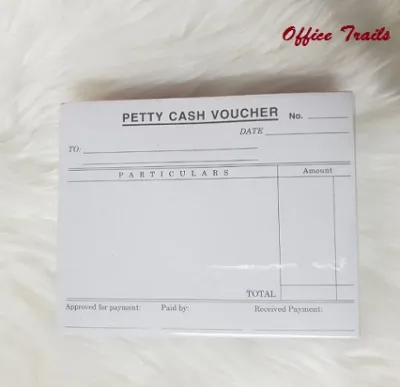
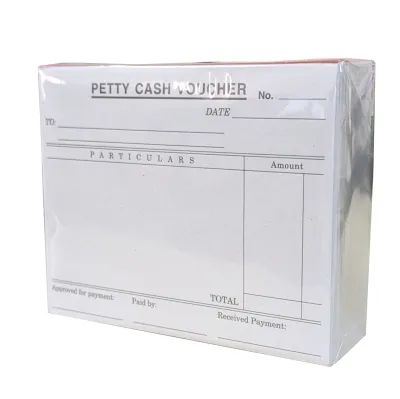
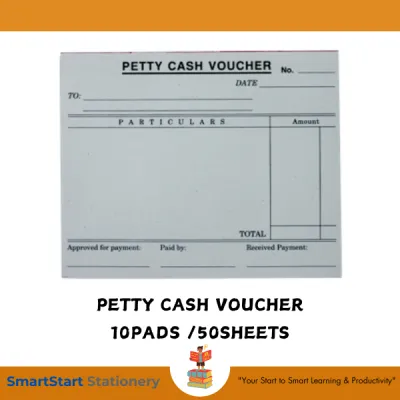
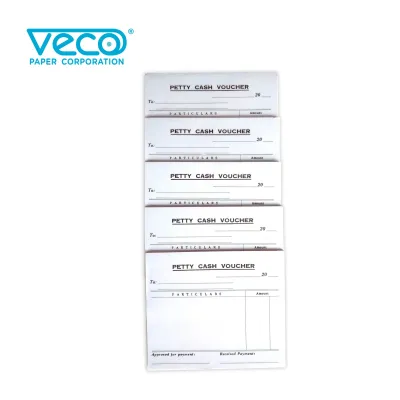
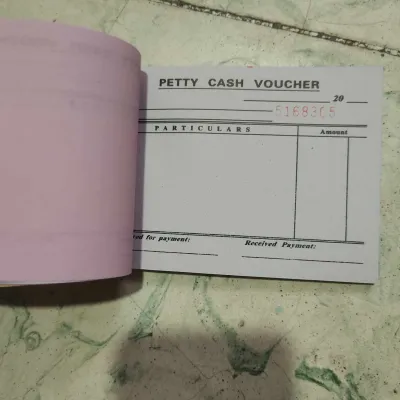
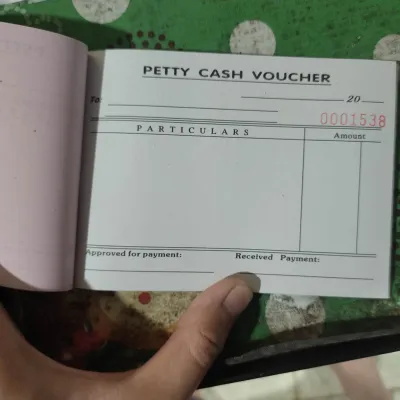
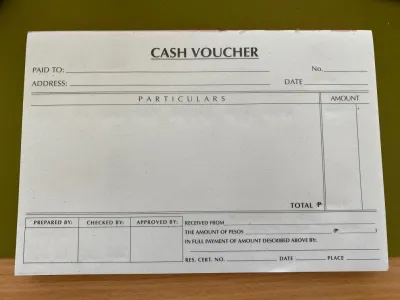
Prices are valid at publication and may change. Please refer to the product page for the latest price.
These mechanical differences directly affect the physical feel and handling of the stationery. Carbonless sheets are typically thinner and have a slightly coated, smooth texture to facilitate the chemical reaction, requiring a firm, consistent hand to ensure the dye capsules rupture completely through multiple layers. Regular paper vouchers are often thicker, resembling standard bond paper, which provides a more familiar writing surface but requires a separate, messy medium if you need to retain a physical copy for your files.
Key Factors Influencing Your Purchase Decision
When selecting the right format for your office, several operational variables must be carefully weighed to ensure efficiency and cost-effectiveness.

Duplication Needs Your internal auditing and accounting procedures dictate how many copies of each transaction you need to distribute. Carbonless vouchers are highly advantageous because they are readily available in pre-collated multi-part books, such as duplicate (2-part), triplicate (3-part), or even quadruplicate (4-part) sets. This allows you to instantly distribute copies to the cash custodian, the recipient, and the central accounting department without any extra steps. Regular vouchers are typically sold as single-ply pads, meaning that if your policy mandates multiple copies, you will either spend valuable time manually copying details or managing loose carbon sheets for every single transaction.
Transaction Volume The frequency of your daily petty cash disbursements is a major factor in determining the hidden time cost of your administrative workflow. In a high-volume environment where multiple employees request cash advances or reimbursements throughout the day, the seconds spent aligning loose carbon paper inside a regular voucher pad quickly add up to hours of lost productivity over a month. Carbonless books eliminate this preparation time entirely, allowing the custodian to write the voucher, tear off the copies, and complete the transaction in a single, seamless motion. For low-volume offices where petty cash is only accessed once or twice a week, the manual preparation of regular vouchers is a negligible inconvenience that does not significantly impact daily operations.
Cost and Budget A realistic comparison of stationery expenses requires looking beyond the initial purchase price. Carbonless voucher books carry a higher upfront unit price in ₱ due to the specialized chemical coatings and multi-part binding involved in their manufacture. However, regular paper pads, while significantly cheaper at the cash register, require the separate, recurring purchase of carbon paper sheets, which wear out over time and must be replaced. For high-volume businesses, the labor savings and convenience of carbonless paper easily offset the higher initial cost, whereas budget-constrained startups with minimal transactions will find regular pads to be the more economical choice.
Writing Instruments The type of pen your staff uses daily can affect the legibility of your duplicate records. Carbonless paper requires physical pressure to break the microscopic dye capsules, making standard ballpoint pens with firm, medium tips the ideal choice. Gel pens, fountain pens, or fine-liners often glide too softly across the page or use liquid inks that do not transfer enough physical force to create a clear duplicate on the bottom sheets. Regular paper vouchers are much more forgiving of different writing instruments, allowing you to use any standard pen or pencil, though the quality of the duplicate still depends heavily on the freshness and quality of the separate carbon paper sheet used underneath.
Side-by-Side Comparison of Voucher Formats
To help you quickly evaluate these options, the table below outlines the key practical differences between carbonless and regular petty cash vouchers.
| Feature | Carbonless (NCR) Vouchers | Regular Paper Vouchers |
|---|---|---|
| Copy Mechanism | Built-in chemical microcapsules | Separate carbon paper or manual rewrite |
| Speed of Use | Instant; no preparation required | Slower; requires manual sheet alignment |
| Copy Quality | Sharp, clean, and smudge-resistant | Variable; prone to smudging and fading |
| Cost Structure | Higher upfront cost per book | Low upfront cost; requires separate carbon sheets |
| Ideal Use Case | High-volume offices with strict audit trails | Low-volume offices or single-copy systems |
When interpreting this comparison, consider your office’s specific pain points, such as complaints from the accounting team about illegible, smudged carbon copies or the time wasted by custodians during peak hours. If clean, professional-looking records are a priority for your external audits, the smudge-resistant nature of carbonless duplicates is a significant advantage. Conversely, if your primary goal is simply to keep a basic, low-cost paper trail of occasional small expenses, the regular format remains a reliable staple.
Before finalizing your purchase, always check the physical specifications printed on the product packaging. Pay close attention to the paper weight (measured in grams per square meter, or GSM) to ensure the sheets are sturdy enough for your daily handling, and verify the binding type—such as staple-bound, glue-bound, or spiral-bound—to ensure the vouchers can be torn out cleanly without ripping the duplicate copies.
Decision Framework: When to Buy Which Format
To simplify your procurement process, you can follow this straightforward decision framework based on your specific organizational needs.
Choose Carbonless (NCR) if:
- Your office processes multiple petty cash transactions every day, making speed and efficiency a priority.
- You require clean, legible, and smudge-free duplicate or triplicate copies for multi-departmental auditing.
- You want to maintain a neat, professional workspace free from the messy ink residue associated with traditional carbon paper.
- Your administrative staff prefers a streamlined, all-in-one book format that does not require handling loose stationery accessories.
Choose Regular Vouchers if:
- Your business handles petty cash disbursements very rarely, such as only a few times a month.
- Keeping upfront office supply costs as low as possible is your primary financial constraint.
- Your accounting workflow only requires a single original copy of the voucher, eliminating the need for duplicates entirely.
- You already have an abundant supply of carbon paper sheets and do not mind the manual setup process for occasional transactions.
Verify First if:
- Your company's accounting software or digital archiving scanners require specific paper dimensions or layout formats before you purchase physical books.
- Your internal financial controls or local tax regulations mandate a specific number of physical duplicate copies for every cash transaction.
- The physical binding of the voucher book allows for easy filing, as some systems require perforated edges for clean removal while others are designed to keep the duplicates permanently bound in the book.
Handling, Storage, and Usage Tips
Proper handling and storage are vital to preserving the integrity of your financial records, especially when dealing with different paper technologies in tropical climates.
Because carbonless paper relies on a chemical reaction, these books are highly sensitive to environmental factors. You should store unused NCR books in a cool, dry place away from extreme heat, high humidity, and direct sunlight, which can cause the chemical coatings to degrade, yellow, or react prematurely, rendering the duplicate sheets useless. In tropical environments like the Philippines, keeping these books in closed cabinets or plastic storage bins helps protect them from moisture and preserves the sensitivity of the microcapsules.
When writing on a carbonless voucher, always place a hard, flat backing board—often provided with the book—directly beneath the current multi-part set. This prevents your writing pressure from transferring through to the unused voucher sets underneath, which would otherwise leave unwanted, permanent marks on the subsequent pages. Use a firm, consistent hand and a reliable ballpoint pen to ensure that the chemical reaction is fully activated across all duplicate layers.
For regular vouchers and separate carbon paper sheets, moisture control is equally critical. High humidity can cause carbon paper to curl, stick together, or transfer excess wax ink onto your hands and clean vouchers, leading to messy, illegible records. Store your carbon sheets flat in a dry drawer, handle them gently by the edges to avoid smudging, and replace them regularly as soon as the transferred text begins to look faint or uneven.
Frequently Asked Questions (FAQ)
Can I use a gel pen on carbonless petty cash vouchers?
Standard gel pens are generally not recommended for use with carbonless petty cash vouchers. Gel pens use water-based or acid-free inks that glide smoothly across the paper with minimal friction, which often means the writer does not apply enough physical downward pressure to rupture the micro-encapsulated dye layers underneath. For clear, legible, and consistent duplicate copies, it is best to use a standard ballpoint pen with a medium tip, as the rolling ball requires and transfers the firm pressure needed to activate the chemical copying process.
How many copies do I actually need for a petty cash transaction?
The number of copies you need depends entirely on your organization’s internal financial controls and auditing procedures. A standard corporate workflow typically utilizes a triplicate (3-part) system: the original copy is kept in the petty cash box as a receipt, the second copy is sent to the accounting department for reconciliation and replenishment, and the third copy remains bound in the book for the custodian’s permanent records. Before purchasing your voucher books, consult with your accountant or review your company’s bookkeeping policy to determine whether a duplicate (2-part) or triplicate (3-part) format is required.
Community discussion
Share your experience or ask a question. Comments are reviewed before publication.