
When shopping for school or office supplies in the Philippines, finding the perfect notebook binder is essential for keeping your notes organized, secure, and easily accessible. Catleya is a household name in the local stationery scene, known for its wide range of school and office paper products. But how does a Catleya notebook binder compare to other popular binder brands available in the local market?
The optimal choice depends entirely on your specific user needs, such as ring capacity, cover durability, and budget constraints. While some students prefer lightweight, flexible covers for easy carrying in their backpacks, professionals might look for rigid covers with professional finishes. Because individual preferences and daily wear vary, buyers should always verify specific product specifications on the packaging or official listings before making a purchase. This guide explores the core decision factors and observable checks you should perform to find the best binder for your daily tasks.
Key Dimensions for Comparing Notebook Binders
Comparing notebook binders requires looking beyond just the cover design or color. A binder is a functional tool that must withstand daily opening, closing, and carrying in humid tropical conditions. To make an informed decision, you must assess the structural integrity of the binder system.
Products mentioned in this guide
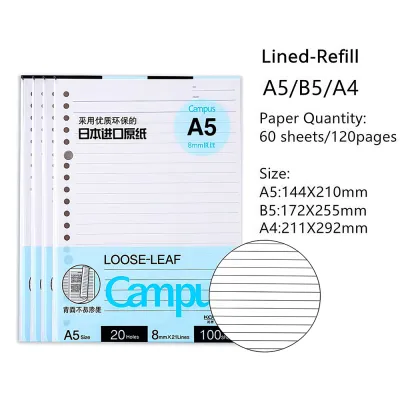
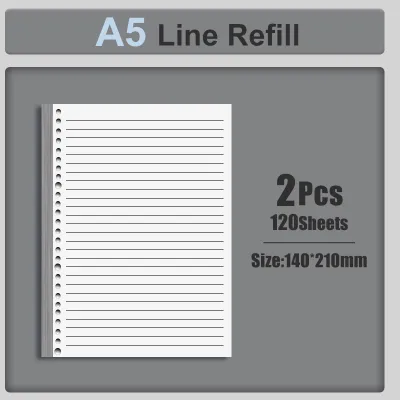
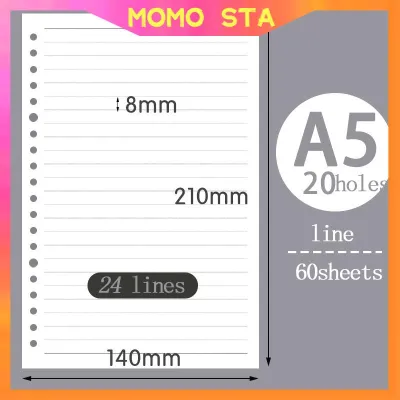
Prices are valid at publication and may change. Please refer to the product page for the latest price.
We evaluate binders across three main dimensions: the ring mechanism, the cover material, and paper compatibility. Performance claims like “smooth snapping” or “tear-resistant” should not be taken at face value; instead, they must be verified through physical inspection or confirmed manufacturer specifications. By understanding these criteria, you can objectively compare Catleya with other local and imported brands.
Binder Mechanism and Ring Durability
The ring mechanism is the heart of any notebook binder. It determines how easily you can turn pages, add refills, and organize your sections. When comparing brands, first check the number of rings. Standard options in the Philippines include 2-ring, 3-ring, 6-ring, and multi-ring configurations like 20-ring (for A5) or 26-ring (for B5). Multi-ring binders distribute the tension on the paper holes more evenly, which significantly reduces the risk of pages tearing during rapid page-turning.
Next, measure or verify the ring diameter, which is typically specified in millimeters (such as 15mm, 20mm, or 25mm). This measurement directly dictates the maximum sheet capacity of the binder. Overloading a binder beyond its intended capacity causes the pages to catch on the rings, leading to torn holes and misaligned paper.
Finally, inspect the opening and closing mechanism. For metal rings, ensure they align perfectly when closed, leaving no gaps that could snag your paper. For plastic slide-to-open or snap-to-open mechanisms, test the sliding action to ensure it operates smoothly without requiring excessive force. Misaligned rings are a common point of failure, so checking this physical alignment before purchase is crucial for long-term durability.
Cover Material and Build Quality
The cover material protects your notes from physical damage and environmental factors like the high humidity common in the Philippines. Common cover materials include polypropylene (PP) plastic, polyvinyl chloride (PVC), and faux leather. Each material offers distinct advantages and trade-offs for daily use.
Polypropylene (PP) plastic is highly flexible, lightweight, and resistant to moisture, making it an excellent choice for students who travel in humid or rainy weather. PVC covers are stiffer and often feature clear pockets for customization, but they can become sticky or warp if exposed to high heat over extended periods. Faux leather covers provide a professional, executive appearance suitable for office meetings, though they require dry storage to prevent the material from peeling or cracking over time.
Beyond the primary material, look for reinforced edges and an adequate spine width that matches the ring size. A spine that is too narrow for the rings will cause the cover to flare open, exposing your pages to damage. Practical additions like elastic closures, pen loops, and internal pockets add significant utility. Always verify specific material claims, such as “waterproof” or “anti-microbial,” by checking the official product labels rather than assuming these properties based solely on the material type.
Paper Compatibility and Refill Options
A binder is only as useful as the paper you put inside it. Before choosing a brand, verify the hole-punch standard of the binder. Some binders use standard 2-hole or 3-hole configurations, while others use 6-hole personal organizer standards or multi-hole Japanese/Korean standards (20-hole for A5, 26-hole for B5). Ensuring that off-the-shelf paper refills fit your binder without requiring manual punching will save you significant time and effort.
Consider whether the brand requires proprietary refill paper or if standard loose-leaf paper from other local stationery brands is fully compatible. Proprietary systems can limit your choices and increase long-term costs. If you prefer a specific paper texture or ruling—such as grid, dotted, or Cornell ruled—make sure those options are readily available in the correct size and hole configuration for your binder.
Paper weight, measured in grams per square meter (GSM), is another critical factor. In the humid Philippine climate, thin paper (under 70 GSM) tends to absorb moisture from the air, which can cause ink to feather or bleed through when using gel pens, rollerballs, or fountain pens. Opting for binders that come with or support 80 GSM or higher refill paper ensures a smoother writing experience and better ink resistance.
Evaluating Price and Value in the Local Market
When comparing the cost-effectiveness of Catleya binders against other local alternatives, it is important to look at the total cost of ownership rather than just the initial purchase price. Binders are long-term tools, and the recurring cost of refills can quickly surpass the upfront price of the binder itself.

Start by comparing the upfront cost of an empty binder versus starter kits. Starter kits often include initial paper refills, index dividers, and plastic pockets, which can offer better immediate value if you do not already own these accessories. If you buy an empty binder, calculate the additional cost of purchasing these components separately to get an accurate price comparison.
Next, factor in the long-term cost and local availability of compatible refill paper. A budget-friendly binder that uses rare or expensive proprietary refills may end up costing more over a school year than a slightly more expensive binder that accepts standard, widely available loose-leaf refills. To find the most accurate pricing, check current prices in ₱ on official brand pages or reputable online marketplaces, keeping in mind that promotions, bundles, and stock levels vary frequently.
Decision Framework: Which Binder Should You Buy?
To help you finalize your purchase decision, use this condition-based framework to determine which binder best suits your daily routine and writing preferences.
Choose Catleya if…
- You prefer classic, straightforward designs with standard ring configurations that are easy to use.
- You want a reliable, budget-friendly option that is widely available in local Philippine department stores and stationery shops.
- You need standard sizes (like A4, B5, or A5) that easily accommodate common, affordable refill brands.
Choose an alternative brand if…
- You require highly specialized proprietary ring mechanisms, such as ultra-slim flexible smart rings that fold back like a spiral notebook.
- You need heavy-duty, industrial-grade archival binders with extra-large ring diameters (above 30mm) for massive document storage.
- You prefer specific premium cover materials, such as genuine leather or specialized fabric finishes, for a highly customized aesthetic.
Verify first if…
- The ring spacing matches your existing hole puncher or preferred refill paper to avoid compatibility issues.
- The sheet capacity limits align with your semester or project notes so you do not overload the mechanism.
- The seller's return policy covers manufacturing defects, such as misaligned rings or cracked covers, before you complete your checkout.
Frequently Asked Questions (FAQ)
How do I prevent the binder rings from bending or misaligning?
To extend the lifespan of your binder, avoid overfilling it beyond its stated or observable sheet capacity. Overloading puts excessive strain on both metal and plastic ring mechanisms, leading to gaps and misalignment. When opening or closing the binder, always use the designated levers at the top and bottom of the spine rather than pulling the rings apart by hand. Pulling directly on the rings applies uneven force, which can permanently bend them. If the mechanism becomes permanently stuck or visibly bent, stop using it to prevent tearing your pages, and consult the manufacturer or a stationery professional for assistance.
Can I use standard hole-punched paper in a 6-ring binder?
Standard 2-hole or 4-hole punched paper generally does not align with the spacing of a 6-ring binder. Personal organizers and 6-ring binders use specific spacing configurations that differ from standard office punch standards. Before purchasing bulk refill paper from a different brand, always check the exact hole spacing of your binder rings. If you cannot find pre-punched paper that matches, you can use a compatible, adjustable multi-hole puncher to customize standard paper to fit your specific binder’s ring spacing perfectly.
Community discussion
Share your experience or ask a question. Comments are reviewed before publication.