
A ballpoint pen with an integrated knife serves as a highly practical dual-purpose tool, combining everyday writing utility with a convenient cutting edge for opening packages, slicing tape, or performing quick crafts. When choosing this specialty stationery item, you must evaluate the blade’s steel quality, the security of its locking mechanism, the balance of the pen body, and the availability of standard ink refills. Balancing these factors ensures the tool remains safe to carry, comfortable to write with, and reliable when a sharp edge is needed. By focusing on verifiable specifications rather than flashy marketing claims, you can find a durable tool that excels in both of its primary functions.
Blade Type and Steel Quality
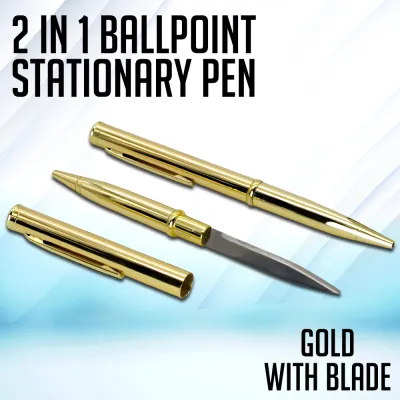
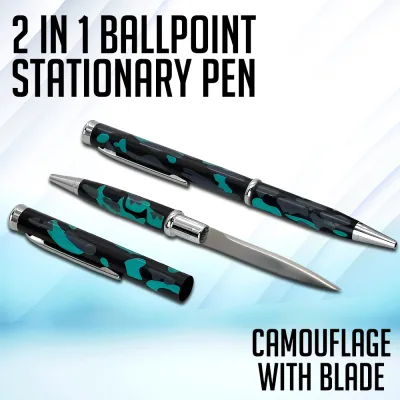
The integrated blade in a pen-knife combo typically comes in a few distinct shapes, such as a slender hobbyist scalpel, a drop point, or a small utility pen blade. For everyday tasks like opening parcels or cutting paper, a fine-tipped scalpel or utility shape offers excellent precision. If you require a blade for heavier slicing, a slightly wider drop-point profile provides better structural support along the spine.
Because the high humidity in tropical climates like the Philippines can quickly cause rust, verifying the steel specification on the product packaging is essential. Look for stainless steel designations such as 3CR13, 440C, or similar entry-level stainless alloys, which offer a practical balance between corrosion resistance and ease of sharpening. Avoid unlabelled mystery metals, as they often rust rapidly when exposed to pocket sweat or humid air.
Products mentioned in this guide
Prices are valid at publication and may change. Please refer to the product page for the latest price.
You can perform a quick visual check of the blade thickness and edge grind before purchasing. A thin blade with a flat or hollow grind is optimized for clean slicing through paper and cardboard. Conversely, a thicker blade with a robust bevel is better suited for light prying or piercing, though it will feel noticeably more resistant when cutting through dense materials.
Locking Mechanisms and Deployment
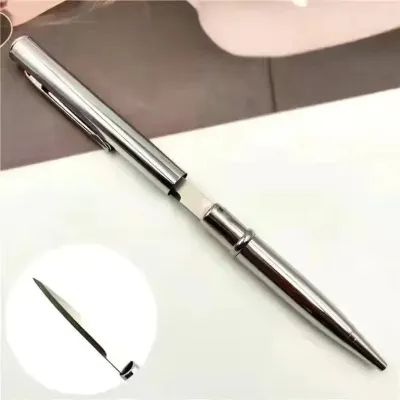
Safety is paramount when carrying a concealed blade, making the deployment method a critical feature to inspect. Manual deployment, where you twist the barrel or slide a mechanical button to expose the blade, is generally the most reliable and legally compliant option. Assisted or automatic spring-loaded mechanisms might deploy faster, but they introduce more moving parts that can fail or clog with pocket lint over time.

Once the blade is fully extended, it must stay securely in place without wobbling. Check if the pen uses a positive locking mechanism, such as a liner lock, a twist-lock collar, or a secure threaded joint. Avoid simple friction-fit or weak slipjoint designs that can easily collapse backward onto your fingers if you apply pressure to the spine of the blade. Testing the lockup by gently wiggling the deployed blade side-to-side will reveal any manufacturing tolerances or safety flaws.
Before carrying a pen-knife in public, always verify local regulations regarding blade length and locking features. In many municipal areas, carrying concealed blades of any length in public spaces, schools, or government buildings is strictly regulated. Choosing a model with a short, non-threatening blade length and a highly visible utility design helps minimize legal risks during routine daily carry.
Pen Writing Quality and Ink System
A pen-knife is only useful if it functions effectively as a writing instrument. When evaluating the ink system, check whether the pen accepts standard refill formats, such as the common D1 or Parker-style refills, which are widely available in local stationery shops. Proprietary cartridge designs can leave you with an unusable pen once the initial ink supply runs out, forcing you to discard the entire tool. Opting for standard formats ensures you can easily replenish your ink and continue using the pen for years.
The physical balance of the pen significantly affects writing comfort during extended use. Hold the pen in your hand and test its center of gravity with the blade safely retracted or capped. A well-designed pen-knife should not feel excessively top-heavy or back-heavy, which can cause hand fatigue during quick note-taking. The weight should sit naturally in the web of your hand, allowing for smooth, controlled pen strokes.
To ensure consistent writing performance, perform a quick trial on standard paper to check tip stability and ink flow. The tip should not wiggle or rattle inside the collar when writing, as any play in the mechanism ruins handwriting precision. The ink should flow smoothly without skipping, blobby build-ups, or smearing under normal writing pressure.
Build Materials, Grip, and Everyday Carry
The durability of the pen’s outer body depends heavily on its construction materials. Anodized aluminum and brass bodies offer excellent impact resistance and a premium weight, though brass will develop a natural patina over time in humid conditions. Lightweight plastic or resin bodies are easier to carry in a shirt pocket but are more prone to cracking if dropped on hard concrete floors. Choosing a metal body provides the structural integrity needed to support both writing pressure and cutting forces.
A secure grip is vital to prevent your fingers from slipping forward onto the sharp edge during cutting tasks. Look for pens that feature knurled metal grips, textured rubber sleeves, or ergonomic finger grooves near the tip. Smooth, polished metal barrels can become incredibly slippery when your hands are sweaty, posing a significant safety hazard during use. A tactile grip ensures precise control over both the pen tip and the cutting edge, even in warm, humid environments.
For convenient everyday carry, examine the strength and placement of the pocket clip. A deep-carry pocket clip ensures the pen sits low and discreetly inside your pocket, preventing it from falling out during daily movement. Ensure the overall closed length fits comfortably within standard pocket dimensions without poking or restricting your movement.
Specs to Deprioritize for Practical Use
When shopping, it is easy to get distracted by flashy features that actually detract from the tool’s core utility. Avoid pens that try to pack excessive multi-tool attachments, such as glass breakers, whistles, or tiny screwdrivers, into a single body. These additions often add unnecessary bulk, ruin the pen’s writing ergonomics, and compromise the structural stability of both the pen and the blade. Keeping the tool focused on its two primary functions ensures better performance and longevity.
Do not prioritize aggressive tactical aesthetics or unverified marketing claims of military-grade performance over verifiable material specifications. A simple, clean, and unassuming design is far more practical for daily office or school environments and is less likely to draw unwanted attention. Choosing a tool with a neutral, professional appearance makes it a welcome addition to any desk or pocket organizer.
Finally, do not obsess over ultra-high blade hardness ratings, such as those exceeding 60 HRC. While extremely hard steel retains its edge longer, it is highly brittle and incredibly difficult to resharpen without specialized professional equipment. A slightly softer, tougher steel is much easier to maintain using a basic pocket whetstone.
Frequently Asked Questions (FAQ)
How do I maintain the blade and ink system simultaneously?
To maintain both systems safely, always remove the ink cartridge before cleaning or sharpening the blade. Use a dry microfiber cloth to wipe away adhesive residue or dirt from the blade, and apply a single drop of light mineral oil to the pivot mechanism, wiping away any excess. This prevents oils or cleaning solvents from seeping into the pen barrel and contaminating the ink cartridge or ruining the writing tip.
Are ballpoint pens with built-in knives allowed on flights?
No, ballpoint pens with built-in knives are strictly prohibited in carry-on luggage on all commercial flights due to international aviation security regulations regarding concealed blades. Attempting to bring one through airport security will result in immediate confiscation and potential legal penalties. If you must travel with one, it must be packed securely inside your checked luggage, though you should always verify the local laws of your destination country first.
Community discussion
Share your experience or ask a question. Comments are reviewed before publication.