
Selecting the right coloring book for a toddler is more than just picking a cover featuring their favorite cartoon character. It is a decision that directly impacts their physical development, hand-eye coordination, and creative confidence. A coloring book for a 2-year-old must accommodate broad, unrefined arm movements with ultra-thick lines, massive single-subject designs, and heavy-duty paper. In contrast, a coloring book for a 4-year-old should support developing precision with thinner lines, multi-element scenes, and interactive storytelling elements. Matching the book’s physical design to your child’s developmental stage prevents frustration, builds creative confidence, and ensures their early art tools perform beautifully without tearing the pages.
In the Philippines, where tropical humidity can soften paper fibers and make wax crayons glide differently, choosing the right paper weight and binding style is just as important as selecting the right illustrations. Understanding how your child physically interacts with stationery at different ages allows you to curate an art space that encourages independent play. By focusing on specific physical attributes—such as line weight, paper thickness, and binding durability—you can transform coloring from a brief, messy distraction into a deeply engaging developmental milestone.
Why Age-Specific Designs Matter for Early Motor Skills
At two years old, children typically use a palmar grasp to hold coloring tools. This means they fist the crayon with their entire hand, using the shoulder and elbow to drive broad, sweeping strokes across the page. Because their physical control is still developing, they cannot execute tiny, precise movements. A coloring book with intricate details or thin lines will not match their physical capabilities, often leading to immediate frustration when they realize they cannot keep their colors within the intended shapes.
Products mentioned in this guide
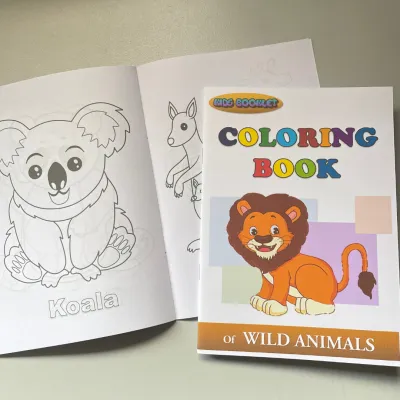
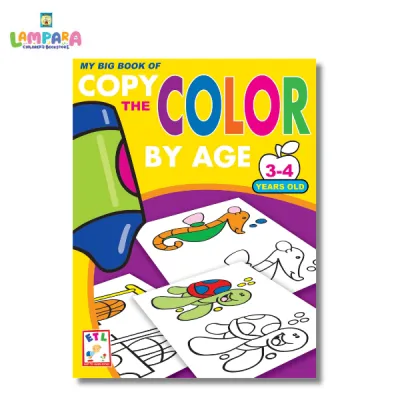
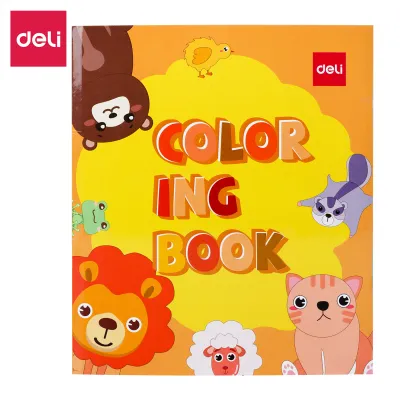
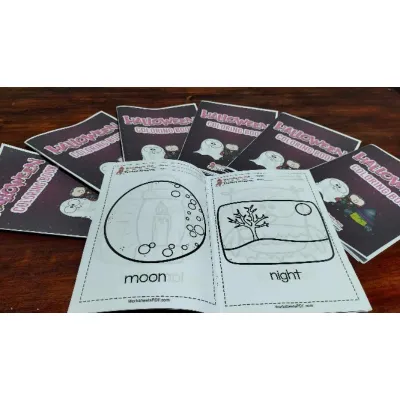
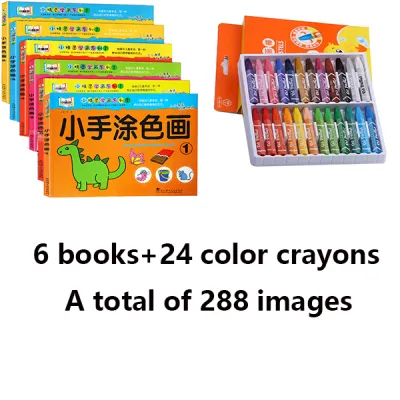
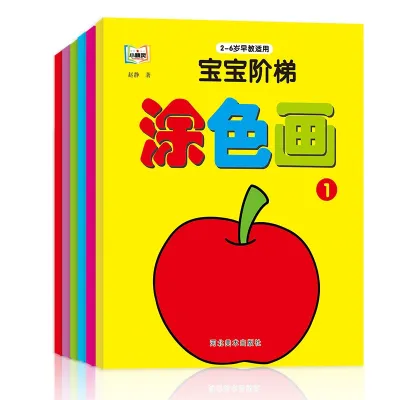
Prices are valid at publication and may change. Please refer to the product page for the latest price.
By the age of four, many children transition to a digital grasp or an early tripod grasp, using their thumb, index, and middle fingers to guide the tool. This shift allows for much finer control, enabling them to color smaller areas and attempt to stay within boundaries. Their visual expectations also mature during this period; they begin to plan their color choices and want to see their efforts result in a recognizable, neatly colored scene. Providing a book that matches this stage of motor control is essential for maintaining their interest and building artistic confidence.
When a coloring book is mismatched to a child’s developmental stage, it can hinder their creative growth. A two-year-old given a highly complex book may quickly abandon the activity, associating art time with failure. Conversely, a four-year-old given a book with only giant, empty circles may become bored by the lack of cognitive and physical challenge. The right book acts as a supportive framework, offering achievable boundaries that provide positive visual feedback and encourage prolonged focus.
Key Coloring Book Features for 2-Year-Olds (The Scribbling Stage)
To support a two-year-old’s unrefined motor skills, look for coloring books that feature exceptionally thick outlines. These borders should ideally measure between 3 to 5 millimeters in width. Thick, bold lines act as visual “speed bumps” that absorb stray marks, helping the child feel successful even when their sweeping strokes overshoot the target. The high contrast of thick black lines also helps young toddlers distinguish the drawing from the background more easily.

Page size and format are equally critical for this age group. Large formats, such as A4 or square layouts measuring at least 25 by 25 centimeters, are highly suitable because they provide a wide canvas that accommodates broad arm movements. Chunky board-book pages or heavy cardstock are excellent choices because they do not bunch up, slide, or tear when a toddler enthusiastically turns the pages or presses down with their entire body weight.
Paper durability is a major consideration, especially in warm, humid environments. Look for books with a paper weight of at least 100 gsm (grams per square meter). Toddlers often apply intense, uneven pressure with jumbo crayons, which can easily puncture thin, cheap newsprint. High-quality, thick paper resists tearing under heavy friction and prevents the dampness of early water-based markers from instantly soaking through and ruining the next page.
Design simplicity is the final pillar of a great book for two-year-olds. Each page should feature a single, isolated object with zero background clutter—such as a single banana, a large ball, or a simple house. This clean layout matches the cognitive processing limits of a young toddler, allowing them to focus entirely on the relationship between their hand movements and the color appearing on the page without distracting background elements.
Key Coloring Book Features for 4-Year-Olds (The Refining Stage)
As children reach age four, their coloring books should reflect their growing precision and desire for storytelling. Outlines can shrink to a moderate 1 to 2 millimeters in thickness. This thinner line weight challenges the child to slow down, practice hand-eye coordination, and actively try to keep their coloring tools within the boundaries. It also allows for more detailed illustrations that capture their expanding imagination.
Design complexity should transition from isolated objects to complete scenes. A four-year-old will enjoy coloring a puppy playing in a garden, a spaceship flying past planets, or a local market scene filled with fruits and vegetables. These multi-element designs encourage them to make deliberate color choices, distinguishing between different parts of the drawing and staying engaged with a single page for a longer period.
Binding style plays a significant role in how easily a four-year-old can color. Books with stiff, glued bindings (perfect binding) often spring shut, making it incredibly difficult for a child to color near the inner spine. Spiral-bound books or lay-flat designs are highly recommended because they allow the book to remain completely flat on a desk or play mat. This flat surface ensures the child can access every corner of the illustration without having to hold the book open with one hand while coloring with the other.
Finally, look for books that incorporate thematic elements and open creative spaces. Four-year-olds love narrative-driven art, where they can color a sequence of events or characters they recognize. Pages that leave intentional blank areas—such as an empty sky that invites them to draw their own sun, clouds, or birds—foster independent creativity and transition them from simple coloring to active drawing and storytelling.
Feature Comparison: 2-Year-Old vs. 4-Year-Old Coloring Books
Choosing the right book involves comparing physical specifications to ensure they align with your child’s current developmental milestones. The table below outlines the key differences to look for when shopping for stationery.
| Feature | 2-Year-Olds (Scribbling Stage) | 4-Year-Olds (Refining Stage) |
|---|---|---|
| Line Thickness | Ultra-thick (3 to 5 mm) | Moderate (1 to 2 mm) |
| Design Complexity | Single, isolated objects; no background | Multi-element scenes with simple backgrounds |
| Page Format & Size | Large (A4 or square), thick board pages | Standard book sizes, lay-flat or spiral bound |
| Paper Weight | Heavy-duty (100 to 120+ gsm) | Standard to heavy (80 to 100 gsm) |
| Binding Style | Stapled, board book, or single-sheet pads | Spiral-bound or lay-flat softcovers |
| Primary Tools | Jumbo wax crayons, egg-shaped grip crayons | Standard crayons, thick washable markers |
If your child is approaching three years of age, they may fall into a transitional phase. For these children, look for books that offer a mix of both worlds: large, simple main subjects but with minor secondary elements, such as a single cloud next to a large airplane. This allows you to observe their progress and see if they are ready for more complex layouts.
When shopping, be sure to interpret manufacturer age labels carefully. Many labels, such as “3+” or “All Ages,” are placed on packaging primarily for safety compliance (such as warning against small parts if crayons are included) rather than developmental design. Always open the book or view preview pages online to verify that the physical line thickness and design complexity match your child’s actual motor skills rather than relying solely on the cover sticker.
Your Pre-Purchase Checklist for Toddler Coloring Books
Before heading to the checkout counter or placing an order on an online marketplace, use this step-by-step checklist to verify that the coloring book’s physical specifications match your child’s needs and your home environment.
- Verify Physical Dimensions and Page Count: A massive, 200-page coloring book might seem like an excellent budget-friendly option under ₱150, but it can be heavy, bulky, and difficult for a two-year-old to handle. For younger toddlers, a slimmer book of 24 to 48 pages is much easier to carry, fold, and manage independently.
- Check Paper Texture and Compatibility: Run your fingers over the paper if shopping in a physical store. Smooth, uncoated paper with a slight texture (tooth) is ideal for wax crayons and colored pencils, as it helps shave off the pigment evenly. If your child prefers markers, hold a page up to the light; if you can clearly see the print from the reverse side through the paper, water-based markers will likely bleed through and ruin the back-to-back designs.
- Assess Binding Durability: For active toddlers, look for reinforced covers that resist bending when stuffed into a diaper bag or school backpack. If the book uses stapled (saddle-stitched) binding, ensure the staples are completely flat and secure to prevent accidental scratches on little hands or wooden dining tables.
- Look for Perforated Pages: This is a highly practical feature for both age groups. Perforated edges allow you to cleanly tear out a single page. For a two-year-old, taping a single sheet to a flat table or high-chair tray prevents the paper from sliding around while they scribble. For a four-year-old, it makes displaying their completed artwork on the refrigerator or wall incredibly easy and neat.
Frequently Asked Questions (FAQ)
Can a 2-year-old and a 4-year-old share the same coloring book?
While sharing is an excellent social skill to encourage, sharing a single coloring book during a joint art session often leads to frustration. A two-year-old’s broad, sweeping scribbles can easily cross over onto the detailed pages that a four-year-old is trying to color with precision, which can cause conflict. Additionally, the complex designs meant for a four-year-old will likely frustrate the younger sibling.
To manage shared art time successfully, look for books with perforated pages so you can tear out separate sheets tailored to each child’s skill level. Alternatively, you can use a physical barrier, such as a heavy piece of cardboard, to divide a large-format book, or set up separate coloring stations on the table to give each child their own dedicated creative space.
What type of coloring tools work best with toddler coloring books?
For two-year-olds, jumbo wax crayons, egg-shaped grip crayons, or beeswax blocks are ideal. These tools fit naturally into a palmar grasp and are thick enough to resist breaking when subjected to heavy toddler pressure. They also glide smoothly over uncoated paper without requiring intense effort from the child.
For four-year-olds, standard-sized triangular crayons or thick, washable markers are excellent for practicing the tripod grasp. Triangular barrels prevent the tools from rolling off the table, reducing distractions. If you choose markers, always verify that they are labeled as ultra-washable for easy cleanup, and ensure the coloring book features thick, one-sided pages to prevent ink bleed-through.
Community discussion
Share your experience or ask a question. Comments are reviewed before publication.