
Designing high-impact posters and eye-catching flyers requires a stable, expansive, and reliable work surface. While digital design tools are common, many graphic artists, students, and marketing professionals in the Philippines still rely on manual drafting, sketching, and hand-lettering to create their initial layouts or final physical artwork. Choosing the right drawing board is not just about finding a flat surface; it is about matching the board’s dimensions, material, and securing mechanisms to your specific design workflow. The ideal board must accommodate standard paper sizes, withstand the local humid climate without warping, and support your preferred design instruments.
Understanding Board Dimensions for Standard Poster Sizes
When selecting a drawing board, the first specification to evaluate is the usable working area. Poster and flyer designs are typically created on standard paper sizes, ranging from smaller A4 or letter-sized flyers to large A2 or A1 promotional posters. A common mistake is purchasing a board that matches the exact dimensions of your paper. In practice, you need a board that is slightly larger than your target paper size to allow for essential margins, tape borders, and mounting clamps.
For example, if you work on A2 poster sheets, an A1-sized drawing board provides necessary breathing room. This extra space ensures that your parallel ruler or T-square can glide smoothly past the paper edges without slipping off. It also leaves ample room for securing the paper with drafting tape or board clamps without covering your active design area.
Products mentioned in this guide
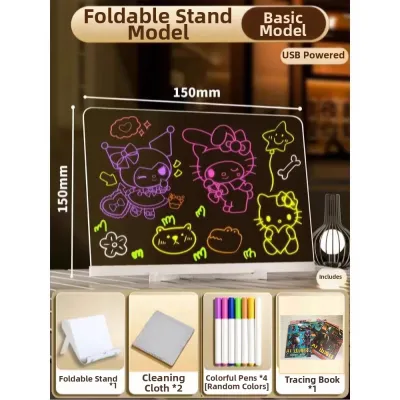
107 Lazada user ratings
Ang ganda ng LED writing board na ’to! Perfect sa mga bata kasi habang naglalaro, natututo rin magsulat at mag-practice ng letters, numbers,…Read full reviewShow less
Ang ganda ng LED writing board na ’to! Perfect sa mga bata kasi habang naglalaro, natututo rin magsulat at mag-practice ng letters, numbers, at drawing. Maliwanag yung board at nakakatuwa gamitin kaya mas nae-engage ang bata. Educational na, fun pa! Highly recommended for kids.
ganda, in fairness.. appealing sa eyes ng mga bata.. imbes na gadget ang hawak at least ito they will be trained mag grip ng pen in preparat…Read full reviewShow less
ganda, in fairness.. appealing sa eyes ng mga bata.. imbes na gadget ang hawak at least ito they will be trained mag grip ng pen in preparation na mag sulat 🤩
👌Ease of Use:mahirap ma achieve yung lights while drawing 🔨Durability:matibay i think Durability:looks matibay konti
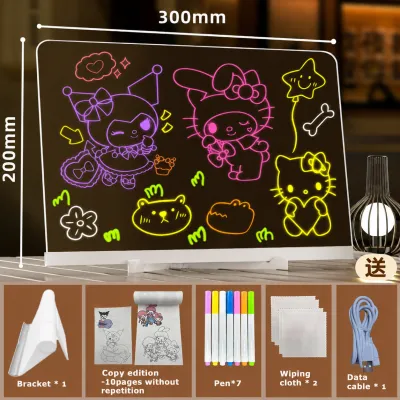
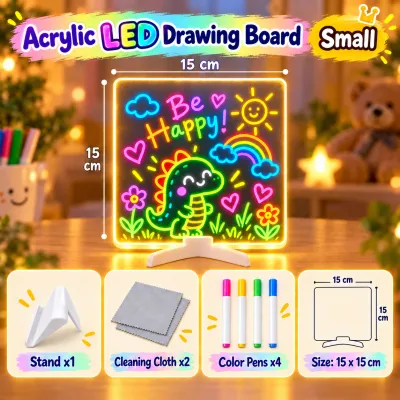
28 Lazada user ratings
Quality: sturdy Ease of Use: easy to write & erase Performance: LED lights create a nice glow kakaenjoy magsulat miski nanay nagenjoy haha g…Read full reviewShow less
Quality: sturdy Ease of Use: easy to write & erase Performance: LED lights create a nice glow kakaenjoy magsulat miski nanay nagenjoy haha ganda sya panggift nagustuhan ng anak ko
Sturdy and durable,easy to see at dark time Worth the wait for this product. Good quality. Maayos at nag function ang ilaw niya.
The drawing board feels sturdy,It's very easy to write,The LED lights be bright,My kid very like it.
Prices are valid at publication and may change. Please refer to the product page for the latest price.
If your workflow involves multi-sheet layouts, storyboarding, or trimming prints down to flyer sizes, an oversized board is highly beneficial. This extra margin allows you to align sheets side-by-side or use a cutting guide without crowding. Always verify the manufacturer’s listed dimensions to ensure the physical board fits comfortably on your desk while offering enough surface area.
Surface Materials and Their Impact on Design Tools
The material of your drawing board directly influences how your design tools perform. For poster and flyer design, where clean lines and vibrant colors are crucial, the texture of the board surface can make or break a layout. Smooth, non-porous surfaces, such as melamine, high-pressure laminates, or polished acrylic, are excellent for fine-liners, markers, and technical pens. These smooth surfaces prevent pen tips from snagging and ensure a consistent ink flow, reducing the risk of bleeding or feathering on your paper.

Conversely, if your design style leans toward pencil sketching, charcoal, or detailed shading, a board with a subtle matte or slightly textured finish is more appropriate. The slight tooth of a textured surface provides better feedback for graphite and colored pencils, allowing for richer tonal variations. However, ensure the texture is not so pronounced that it transfers unwanted patterns onto thin flyer paper during heavy shading.
Durability is another critical factor, especially in humid tropical environments where moisture can affect wood-based materials. Look for boards with sealed edges to prevent moisture absorption, which can lead to swelling or warping over time. The surface must also resist damage from adhesive sprays, masking fluids, and repeated erasing. A high-quality laminate surface can usually be wiped clean with a damp cloth, ensuring that adhesive residue or stray ink marks do not ruin your next clean sheet of poster paper.
Paper Securing Mechanisms for Large-Format Layouts
Keeping large-format paper perfectly flat is essential for maintaining accurate proportions and straight lines in poster design. Shifting or buckling paper can ruin hours of meticulous work. Drawing boards offer various mechanisms to secure your media, ranging from built-in mechanical systems to simple manual methods.
Many professional drafting boards feature built-in top clamps or magnetic strips. These systems are highly efficient for securing thick illustration boards or heavy-weight poster paper quickly. Magnetic strips allow you to slide and reposition your paper easily without damaging the corners with tape. If you frequently work with varying paper thicknesses, a board with an adjustable clamp tension is highly advantageous.
For layouts that require precise typography, grids, and parallel lines, boards equipped with integrated parallel ruling arms or drafting machines are invaluable. These arms slide smoothly up and down the board, keeping your horizontal guidelines perfectly parallel. If you prefer a more minimalist and portable setup, a simple flat board remains a versatile choice. With a flat board, you can rely on high-quality drafting tape, binder clips, or low-profile board weights to secure your paper, allowing you to position the sheet at any angle that feels natural.
Ergonomics: Flat Desks vs. Adjustable Incline Boards
Poster design often requires long hours of concentrated work, making physical comfort a key consideration. The choice between a flat tabletop setup and an adjustable incline board depends on your specific design tasks and physical preferences.
Flat drawing boards are highly practical for tasks that involve cutting, mounting, applying transfer letters, or using heavy liquid media like poster paints and inks that might run if tilted. A flat surface provides a stable base for applying downward pressure when using utility knives or heavy rulers. However, working on a flat surface for extended periods can lead to neck and back strain as you constantly hunch over the large paper.
Adjustable incline boards, on the other hand, allow you to tilt the work surface to various angles. This angle brings the top of a large A1 or A2 poster closer to your line of sight, reducing eye strain and promoting a healthier posture. An inclined surface is particularly beneficial for detailed hand-drawing, calligraphy, and fine-inking sessions. When choosing an adjustable board, consider its weight and portability. If you need to transport your board between a home studio, a classroom, or a client’s office, a lightweight model with a built-in carrying handle and a secure locking mechanism is ideal.
Building Your Poster Design Setup: A Spec Checklist
To finalize your drawing board selection, it helps to map the board’s specifications directly to your design workflow and physical workspace. Different phases of poster and flyer design demand different features, and finding the right balance ensures a smooth creative process.
First, identify your primary design phase. If your work is mostly rough drafting and conceptual sketching, a lightweight, portable board with a simple securing mechanism may suffice. If you are executing final inking, precise layout grids, or complex coloring, investing in a larger, stable board with an integrated parallel rule is highly recommended.
Next, evaluate your physical storage constraints. Large-format drawing boards can take up significant space when not in use. Check if the board can be stored vertically in a closet, placed in a dedicated rack, or slid under a bed. Finally, always verify the exact product labels and manufacturer specifications before purchasing. Ensure the materials used are rated for durability and that the actual usable dimensions match your workspace and paper requirements.
Frequently Asked Questions (FAQ)
Can I use a cutting mat directly on my drawing board?
You should avoid using a utility knife or craft blade directly on the surface of your drawing board. Doing so can permanently score, scratch, or dent the smooth surface, making it uneven for future drawing and sketching tasks. To protect your investment, always place a separate, self-healing cutting mat on top of your drawing board whenever you need to trim poster materials, cut flyers, or crop artwork. This ensures your drawing board surface remains perfectly smooth and flat for drawing.

Community discussion
Share your experience or ask a question. Comments are reviewed before publication.