
Selecting a keychain making set for a school art project requires balancing creative appeal, safety, and durability. A complete kit should allow students to express their artistic style while producing a functional accessory that can survive the daily wear and tear of being clipped to a school backpack. Whether you are looking at a trendy Guka keychain making set—which focuses on decorating acrylic plates with stickers, cream glue, and charms—or exploring alternative craft kits like shrink plastic or air-dry clay, understanding what to look for ensures a smooth classroom experience. By focusing on non-toxic materials, age-appropriate tools, and robust hardware, educators and parents can turn a simple craft session into a highly rewarding, organized, and safe artistic activity.
To make the project successful, you must evaluate the completeness of the kit, the quality of the individual components, and how well the materials perform under classroom conditions. In tropical climates like the Philippines, factors such as humidity can significantly affect drying times for paints, glues, and sealants. Therefore, choosing a set with reliable, fast-drying, and moisture-resistant components is essential. This guide breaks down the key features to look for, safety considerations, and practical planning steps to help you select the best keychain making set for your next school art project.
Essential Components of a Student-Friendly Keychain Kit
A successful classroom art project relies on having all necessary materials on hand before the lesson begins. When evaluating a keychain making set, the first step is to analyze the base materials provided. Standard kits typically feature acrylic blanks (often referred to as Guka plates), shrink plastic sheets, or air-dry clay. For a school setting, pre-cut acrylic blanks are highly convenient because they require no baking or complex curing. Ensure the kit provides enough blanks to match your class size, keeping in mind that acrylic blanks generally range from 3 cm to 5 cm in diameter, which is the ideal canvas size for student designs.
Products mentioned in this guide
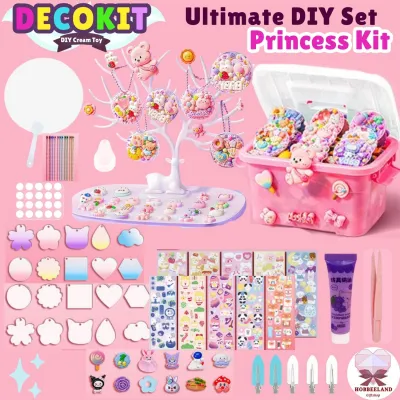
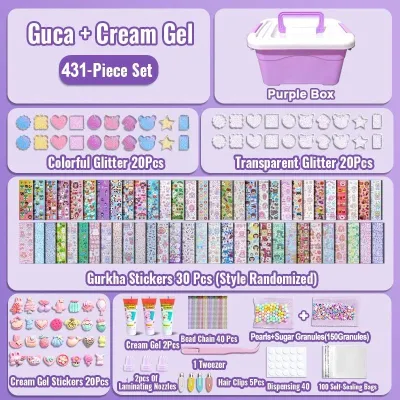
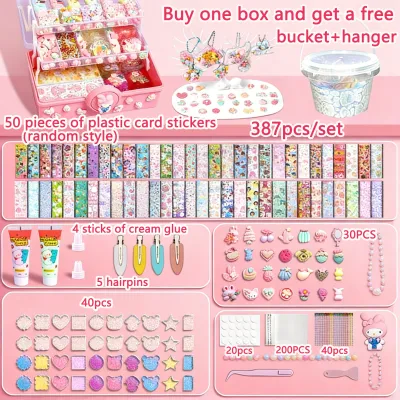
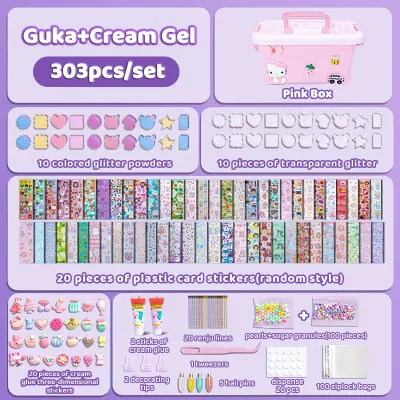
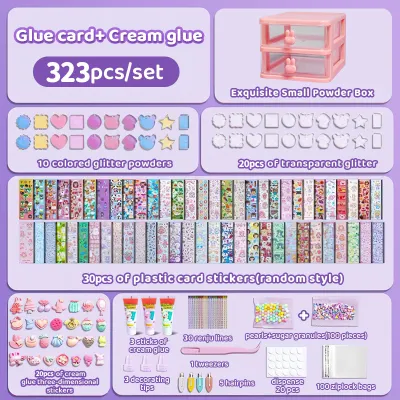
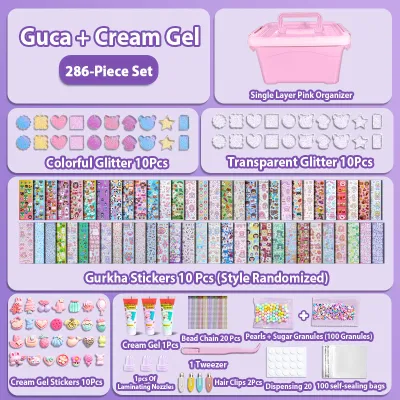
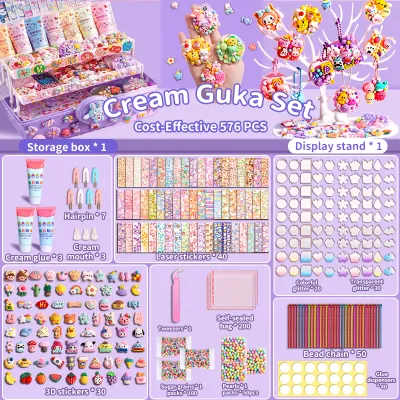
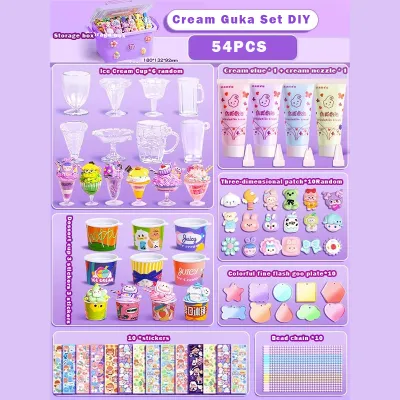
Prices are valid at publication and may change. Please refer to the product page for the latest price.
Next, inspect the hardware inventory included in the set. A complete kit must provide all the metal findings required to transform a decorated blank into a functional keychain. This includes keyrings, jump rings, and lobster clasps or ball chains. Because small metal parts are easily dropped, misplaced, or bent by students during assembly, never buy a kit that has the exact number of pieces as there are students. Look for sets that offer at least a 20% surplus of hardware to accommodate mistakes, lost parts, or structural failures during the crafting process.
Decorating tools are the core of the creative process, and their quality directly impacts the final product. Many Guka keychain making sets include acrylic paint pens, decorative stickers, tweezers, and sometimes cream glue (decoden) for 3D effects. Verify the tip size of the included paint pens; fine-tip markers (0.7 mm to 1 mm) are necessary for detailed line work, while medium-tip markers (2 mm) are better for filling in larger shapes. Additionally, check the packaging for clear non-toxic certifications, such as AP (Approved Product) or EN71 labels, to ensure the decorating mediums are safe for prolonged skin contact in a classroom environment.
Safety and Age-Appropriateness for Classroom Use
Classroom safety is paramount when working with adhesives, colorants, and small tools. When inspecting the chemical safety of a keychain making set, pay close attention to the glues, paints, and sealants. Avoid kits that require strong solvent-based adhesives or UV resins that emit heavy fumes or require specialized UV curing lamps, as these are unsuitable for standard, enclosed classrooms. Instead, opt for water-based acrylic paint pens and non-toxic, low-odor cream glues. In the warm, humid climate of the Philippines, water-based formulas are safer and easier to clean up with simple soap and water before they dry.

Tool evaluation is another critical step in preventing classroom injuries. Many keychain kits require pliers to open and close metal jump rings. Ensure the kit includes blunt-nose or chain-nose craft pliers rather than sharp wire cutters or heavy-duty industrial tools. If you are considering shrink-plastic keychain sets, remember that these require a heat source, such as an embossing heat gun or a toaster oven, to shrink the plastic. If your students are in primary or middle school, any heat-shrinking steps must be handled exclusively by the teacher in a designated, well-ventilated safety zone.
Finally, consider potential choking hazards and physical dexterity requirements based on your students’ grade level. Small hardware components like 4 mm jump rings and tiny decorative beads can be difficult for younger elementary students to manipulate and pose a choking hazard for early childhood classrooms. For younger students, look for kits that feature larger acrylic blanks, pre-assembled ball chains that snap together easily without tools, and large, easy-to-peel stickers. Older students can handle the finer motor skills required for opening jump rings with pliers and applying intricate sticker layers with tweezers.
Assessing Material Quality and Durability
A keychain is a high-wear item that must withstand being tossed into school bags, dropped on concrete, and exposed to daily handling. To ensure your students’ hard work lasts, you must perform a physical inspection of the blank materials. If the kit uses acrylic blanks, check their thickness; standard, durable blanks should be at least 2 mm to 3 mm thick. Thinner blanks are prone to cracking under pressure. Additionally, verify that the blanks arrive with a protective plastic or paper film on both sides. This film prevents scratches during transit and storage, and students should peel it off only right before they begin decorating.
The durability of the metal hardware is just as important as the strength of the blanks. Test the stiffness of the included jump rings and keyrings by gently squeezing them. If a jump ring bends out of shape with minimal finger pressure, it will easily pull apart when attached to a heavy student backpack. Look for hardware made from sturdy iron, steel, or brass with a reliable wire gauge. The lobster clasps should have smooth, responsive spring mechanisms that do not stick, ensuring students can easily clip and unclip their finished keychains.
Protecting the finished artwork is the final step in ensuring long-term durability. Because acrylic surfaces are non-porous, paint and stickers can easily scratch off over time if left unprotected. Check if the kit includes a clear protective sealant, topcoat, or self-adhesive laminating sheets. In humid environments, the drying speed and water resistance of these coatings depend heavily on the exact material combination of the paint and the sealant. Before starting the class, perform a quick trial on a single blank: apply the paint pen, let it dry completely, apply the sealant, and scratch the edge with a fingernail to verify that the artwork remains securely bonded to the acrylic surface.
Evaluating the Guka Keychain Making Set and Similar Options
The Guka keychain making set has gained immense popularity as a complete, all-in-one crafting solution. Originating from the trend of decorating acrylic plates (known as “guka” or “guku”), these kits are highly appealing to students because they combine vibrant stickers, colorful acrylic shapes, and three-dimensional cream glues. When evaluating a Guka set for your classroom, cross-reference the exact contents listed on the packaging against your lesson plan. Some kits are sticker-heavy but lack sufficient paint pens, while others provide beautiful charms but do not include enough tweezers for multiple students to share.
To determine if a kit fits your school budget, perform a simple cost-per-student calculation. Take the total retail price of the kit in Philippine Pesos (₱) and divide it by the maximum number of complete keychains the kit can produce. For example, if a Guka set costs ₱800 and contains enough blanks and hardware to make 20 keychains, the cost per student is ₱40. Compare this to the cost of purchasing bulk acrylic blanks, sticker sheets, and keyrings separately. Often, a pre-packaged Guka set offers better value and saves hours of sourcing individual components, but bulk purchasing may be more economical for larger school-wide events.
Before making a final purchase on any e-commerce platform or online marketplace, analyze user reviews with a critical eye. Look past general star ratings and search specifically for feedback regarding material shelf-life and transit damage. Common issues with low-quality kits include dried-out cream glue tubes, dried-up acrylic paint pens, and scratched acrylic blanks due to poor packaging. Reading these reviews helps you identify which brands maintain high quality control, ensuring that when you open the box in front of your class, every pen writes smoothly and every tube of glue flows easily.
Planning the Art Class Activity and Kit Preparation
An organized classroom layout and pre-class preparation are the secrets to a stress-free crafting session. Before the class begins, implement a pre-sorting strategy. Instead of placing large tubs of hardware and stickers in the center of the room—which can lead to crowding, arguments, and lost pieces—divide the materials into individual student packs. Use small zip-top bags or paper cups to hold one acrylic blank, one keyring, two jump rings, a set of tweezers, and a designated selection of stickers for each student. This minimizes distractions and allows students to start working immediately.
Next, organize your classroom workspace to accommodate the specific needs of your chosen kit. If your keychain set involves liquid sealants, acrylic paints, or cream glues, set up a dedicated drying station away from high-traffic walkways and windows where sudden drafts might blow dust onto wet surfaces. Given the high humidity in tropical regions, ensure the drying area is well-ventilated with ceiling fans or open windows to help water-based mediums cure faster. If you are using any heat-shrinking tools, set up a single, teacher-supervised station equipped with a heat-resistant mat and extension cords kept safely out of the students’ path.
Finally, always have a solid contingency plan in place. Even with careful preparation, students may make mistakes, drop tiny parts, or experience material failures. Keep a backup supply of basic consumables on hand, including extra jump rings, universal white school glue, fine-tip black permanent markers, and a few spare acrylic blanks. Having these extra supplies readily available allows you to quickly resolve common issues without interrupting the flow of the lesson, ensuring that every student leaves the art class with a beautiful, durable, and personally crafted keychain.
Frequently Asked Questions (FAQ)
Can I use regular acrylic paint instead of the pens included in the kit?
Yes, you can use regular bottled acrylic paint, but there are several trade-offs to consider for a classroom setting. Bottled acrylic paint applied with brushes tends to go on thicker, which significantly increases drying times, especially in humid conditions. It also requires more cleanup and makes detailed line work difficult on small 3 cm to 5 cm blanks. If you choose to use standard acrylic paint, ensure students apply thin layers and use fine-detail synthetic brushes. Additionally, because standard acrylic paint can peel off smooth plastic easily, applying a clear, water-based sealant or topcoat once the paint is completely dry is essential to prevent chipping.
How do I store leftover keychain hardware and blank materials for the next school year?
To preserve unused craft supplies over long school breaks, proper storage is essential to combat humidity and dust. Store all metal hardware, such as jump rings, keyrings, and lobster clasps, in airtight plastic containers or zip-top bags. Adding a few silica gel packets to these containers will absorb excess moisture and prevent the metal from tarnishing or rusting. For decorating tools, store acrylic paint pens and cream glue tubes horizontally in a cool, dark drawer or cabinet; storing pens vertically can cause the pigment to settle or the tips to dry out. Keep unused acrylic blanks in their protective film and store them flat to prevent warping or scratching.
Community discussion
Share your experience or ask a question. Comments are reviewed before publication.