
Quick Guide: Essential Features for Classroom Keychain Kits
Selecting a keychain maker set for a school art class requires balancing student safety, ease of assembly within a single class period, and the durability of the finished craft. Before purchasing any kit for classroom use, parents and teachers should verify several non-negotiable features to ensure a smooth, successful crafting session:
- Non-Toxic Material Certifications: Look for clear labels indicating that all paints, clays, and adhesives are safe for children.
- Age-Appropriate, Blunt Tools: Ensure any included tools, such as pliers or scissors, are designed for young hands and lack sharp edges.
- Reliable Hardware Gauge: Opt for sturdy, thick-metal split rings and jump rings that will not easily bend or break under daily wear.
- All-in-One Convenience: Choose kits that bundle all necessary components—including blanks, hardware, and decorating mediums—to eliminate the need for extra, out-of-pocket purchases.
An ideal classroom kit balances creative freedom with the practical constraints of a supervised school environment. Because art periods are typically limited to 40 to 60 minutes, the assembly process must be straightforward, the cleanup minimal, and the materials reliable in shared workspaces. The following sections break down how to evaluate these features in detail so you can make an informed decision.
Safety Standards: Materials and Tools for Supervised Art
Material Safety
When children work with art supplies, verifying chemical safety is the absolute priority. Look for recognized non-toxic certifications, such as the Art & Creative Materials Institute (ACMI) AP seal, on all paints, clays, and adhesives included in the keychain maker set. In a standard school classroom—which often relies on ceiling fans or open windows rather than industrial ventilation—you must avoid kits containing harsh chemical solvents, strong-smelling resins, or volatile organic compounds (VOCs). Liquid epoxy resins, for instance, release fumes that require dedicated ventilation and strict skin protection, making them entirely unsuitable for a standard school environment.
Products mentioned in this guide
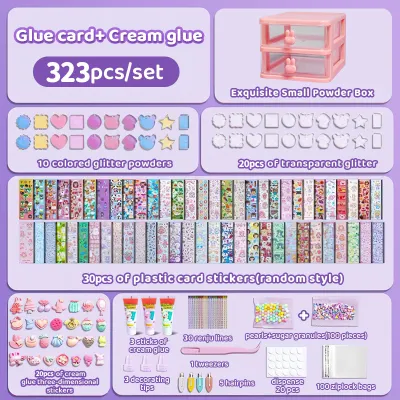
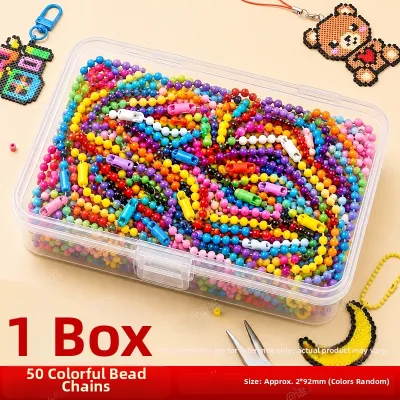
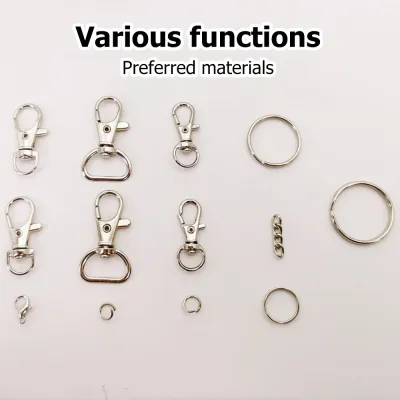
Prices are valid at publication and may change. Please refer to the product page for the latest price.

Tool Safety
Examine the physical tools provided in the kit to ensure they match the developmental stage of the students. Safe classroom kits substitute sharp metal awls and heavy-duty wire cutters with blunt-nosed jewelry pliers, plastic styluses, and safety scissors. If a kit requires heat tools, such as a toaster oven for shrink plastic or a hot glue gun for assembly, these must be operated strictly by the teacher or supervising adults at a designated station. Before allowing students to use any adhesive or tool, always read the manufacturer’s safety instructions and the product label to confirm age recommendations and protective requirements.
Choking and Physical Hazards
For younger students, particularly those in primary grades (typically under 8 years old), small components present a significant choking hazard. Tiny spacer beads, micro jump rings, and small decorative charms can easily be misplaced or swallowed. For these age groups, select kits that feature larger, chunky wooden or plastic beads, pre-cut acrylic blanks, and oversized split rings. These larger items are not only safer but also help younger children develop their fine motor skills without the frustration of handling nearly invisible hardware.
Ease of Use: Matching the Kit to Student Skill Levels
Pre-Prepared Components
Classroom art projects are bound by strict schedules, meaning preparation and cleanup must be as efficient as possible. Keychain maker sets that feature pre-punched holes in the blanks—whether made of acrylic, wood, or shrink plastic—save invaluable class time. They eliminate the need for students to use sharp hand punches or drills, allowing them to focus entirely on the creative aspects of designing and assembling their keychains.
Assembly Mechanisms
Different connection methods require varying levels of manual dexterity. For younger elementary students, simple snap-together plastic frames or easy-to-thread cord assemblies work best. Middle school students can generally manage basic metal jump rings using hand tools, while older students can tackle more complex wire-wrapping or screw-in eye pins. Matching the connection mechanism to the students’ age ensures they can complete their projects independently, reducing the teacher’s need to troubleshoot at every desk.
Drying and Curing Times
In the humid tropical climate of the Philippines, moisture in the air significantly slows down the curing of water-based glues, air-dry clays, and certain liquid paints. A project that dries in an hour in a dry climate might remain sticky or soft for a full day in a humid classroom. To prevent students from taking home wet, easily ruined crafts, prioritize mechanical connections (like jump rings or snaps) or quick-curing materials (such as oven-bake polymer clay or heat-shrink plastic baked by the teacher). If paints are used, ensure they are quick-drying acrylic markers rather than slow-drying tempera or liquid acrylics.
Clear Instructions
Independent work is crucial for keeping a large class on track. A high-quality keychain maker set should include highly visual, step-by-step instruction cards. Clear diagrams or photos showing how to open a jump ring, apply a charm, or thread a bead allow students to progress at their own pace. This self-directed flow frees up the educator to assist students who need extra physical guidance with the assembly tools.
Durability: Ensuring the Finished Keychains Last
Hardware Quality
Children’s keychains undergo rigorous daily wear, often hanging from heavy school backpacks, pencil cases, or lunch bags that are tossed into lockers, jeepneys, and school buses. To ensure the students’ hard work survives the commute, inspect the gauge (thickness) of the included split rings and jump rings. Flimsy, thin-gauge metal rings bend easily under pressure, leaving gaps that allow the decorative charms to slip off and get lost. Opt for hardware made of sturdy iron, steel, or thick brass that resists deformation.
Base Material Resilience
The base blank of the keychain must withstand constant friction, impact, and exposure to humidity. Scratch-resistant acrylic blanks and pre-sealed wooden shapes hold up exceptionally well to daily handling. Conversely, unbaked air-dry clay is highly susceptible to chipping, cracking, and softening when exposed to humid air or sweat. If you use wooden blanks, verify if they are pre-sealed; unsealed wood can absorb moisture over time, leading to mold growth or warping in tropical conditions.
Connection Security
How the keychain attaches to a bag is just as important as the strength of the blank itself. Lobster clasps and classic split rings offer the highest level of security. Avoid kits that rely on simple, thin wire hooks or cheap plastic clips that snap easily under tension. A robust closure ensures that the student can proudly display their artwork on their school bag for the entire academic year without fear of it falling off.
Kit Completeness: Hardware, Tools, and Decorative Elements
Hardware Inclusions
In a busy classroom, parts will inevitably get dropped, misplaced, or bent out of shape. Sourcing replacement hardware in the middle of an art lesson is highly disruptive. A truly complete keychain maker set should include a generous surplus of hardware—ideally 10% to 20% more jump rings, split rings, and clasps than the number of blanks provided. This buffer ensures that a dropped jump ring on the classroom floor does not prevent a student from finishing their project.
Tool Inclusions
Before purchasing, read the product specifications carefully to see if specialized tools are included. Some kits require one or two pairs of chain-nose pliers to open and close metal rings properly. If these tools are not included in the box, you will need to factor the additional cost and sourcing time into your school budget. For classroom convenience, look for kits that include basic, reusable plastic or metal assembly tools designed specifically for the kit’s hardware.
Decorative Supplies
Verify whether the kit provides its own coloring and decorating mediums or if you must supply them separately. For a classroom setting, paint pens and permanent acrylic markers are vastly superior to traditional liquid paints in pots. Paint pens dry in minutes, do not spill, require no water cups or brushes, and provide vibrant, opaque colors on non-porous surfaces like acrylic and plastic. If the kit relies on stickers or paper inserts, check if a clear protective sealant or laminate film is included to prevent water damage from rain or spills.
Comparing Common Keychain Craft Types for the Classroom
To help you select the most suitable medium for your school’s facilities, available time, and budget, the table below compares four of the most popular classroom-friendly keychain craft types.
| Craft Type | Setup/Cleanup Time | Required Equipment | Best Age Group | Key Limitation |
|---|---|---|---|---|
| Shrink Plastic | Moderate (coloring is fast, baking takes time) | Toaster oven or heat gun, permanent markers | 8 years and older | Requires close adult supervision for the heating step |
| Acrylic Blank Painting | Low (paint pens dry quickly, minimal mess) | Acrylic paint pens, optional clear sealant | 6 years and older | Paint can scratch off over time if not sealed properly |
| Polymer Clay | High (sculpting and baking require multiple steps) | Toaster oven, sculpting tools, baking tray | 10 years and older | Clay must be baked to cure; unbaked clay remains soft |
| Bead/Charm Assembly | Very Low (no drying, zero liquid mess) | Jewelry pliers, sorting trays | 7 years and older | Offers less freeform drawing or painting customization |
Shrink Plastic
Shrink plastic kits offer a fascinating, high-engagement experience for students. Children draw their designs on thin, flexible plastic sheets, cut them out, and watch them shrink and thicken into durable plastic charms when heated. While the coloring phase is low-mess, the shrinking step requires a heat source. Because of the burn risk, an adult must operate the toaster oven or heat gun, which can create a bottleneck in large classes.
Acrylic Blank Painting
Acrylic blank kits are incredibly popular for their modern, professional look and low-mess execution. Students use acrylic paint pens to draw directly onto pre-cut, clear plastic shapes. The setup and cleanup are exceptionally fast, as there are no wet paint brushes or water cups to manage. However, because acrylic paint sits on the surface of the plastic, it can scratch off with rough use; applying a quick coat of non-toxic water-based sealant is highly recommended to protect the design.
Polymer Clay
Polymer clay allows students to sculpt 3D figures, animals, or patterns. This medium is excellent for encouraging tactile creativity and spatial skills. However, polymer clay requires baking in a dedicated toaster oven (typically at 110°C to 130°C, depending on the manufacturer’s instructions) to cure and harden. It is best suited for older students who have the patience for sculpting and can manage a multi-step crafting process.
Bead/Charm Assembly
If you have a very short class period or want to avoid any risk of mess, a bead and charm assembly kit is the ideal choice. Students select from pre-made charms, tassels, and colorful beads, threading them onto cord or linking them with metal hardware. This method requires zero drying or curing time, meaning students can clip their finished keychains to their backpacks immediately at the end of the lesson.
Frequently Asked Questions (FAQ)
Can I use regular school glue for assembling keychain parts?
No, standard white PVA school glue is not suitable for assembling keychains. PVA glue is water-based and designed primarily for porous materials like paper and cardboard; it does not form a strong bond on non-porous surfaces such as metal, acrylic, or polished wood. Furthermore, PVA glue is water-soluble, meaning the bond will dissolve or weaken when exposed to rain, sweat, or high humidity. For secure assembly, rely on mechanical connections like jump rings, or use a specialized, non-toxic multi-surface craft adhesive that explicitly states it bonds metal and plastic.
How do I prevent jump rings from opening and losing the charm?
To prevent jump rings from pulling apart, you must use the correct opening and closing technique. Never pull the two ends of a jump ring directly outward away from each other, as this deforms the metal circular shape and weakens the joint. Instead, grip each side of the ring’s split with a pair of pliers and twist them laterally—pushing one hand forward and pulling the other backward. Once you have threaded your charm, twist the ends back together in the same lateral motion until they meet flush. You should feel a slight tension or hear a click as the metal ends align, ensuring there is no gap for the charm to slip through.
Are resin keychain kits safe for elementary school art classes?
Liquid epoxy and UV resin kits are generally not safe or practical for elementary school art classes. Working with liquid resin requires strict chemical safety protocols, including the use of nitrile gloves, safety goggles, and active organic-vapor respirators, which are difficult to maintain in a standard classroom. Additionally, resin requires precise mixing ratios and extended curing times under UV lamps or over 24 hours, making it highly impractical for a single school period. For elementary students, stick to much safer, user-friendly alternatives such as acrylic paint pens on acrylic blanks or shrink plastic kits.
Community discussion
Share your experience or ask a question. Comments are reviewed before publication.