
Selecting the right loom band set for school art projects requires balancing creative variety, tool durability, and student safety. In a classroom environment, where multiple students share materials and projects span several days, a standard retail kit might not always meet the demands of a structured curriculum. You need to look for sets that offer organized storage, durable looms that can withstand repeated tension, and high-quality bands that resist snapping under tropical classroom conditions. High humidity and warm temperatures can cause low-grade rubber bands to degrade, become sticky, or snap easily, making material selection a critical first step. By focusing on component quality, safety certifications, and practical storage, you can ensure a smooth, frustration-free crafting experience for students.
Identifying Essential Loom Band Components
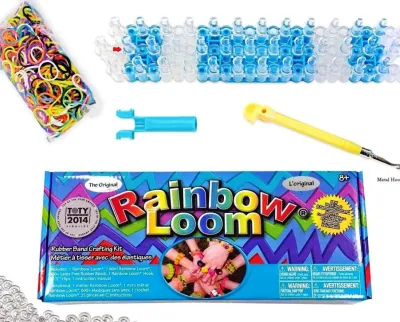
Before purchasing any loom band set, it is essential to understand the core tools and materials that make up a functional kit. A standard set typically includes a loom board, weaving hooks, fasteners, and the rubber bands themselves. Each of these components comes in various designs and material grades, which directly impact how easy they are for students to use and how long the tools will last in a busy classroom.
Loom boards serve as the foundation for all weaving projects. These boards feature rows of pegs that hold the rubber bands in place as students weave intricate patterns. When evaluating loom boards, pay close attention to the peg design and layout. Most entry-level boards are made of molded plastic, but the thickness and reinforcement of the plastic can vary significantly. Look for boards with sturdy, rounded pegs that do not bend under the tension of multiple bands. Some advanced looms feature adjustable layouts, allowing students to detach and reposition the rows of pegs to create wider or more complex designs, such as 3D figures or wide bracelets. Fixed-layout looms, while less versatile, are often more durable and easier for younger students to handle because there are no moving parts that can get lost or misaligned.
Products mentioned in this guide
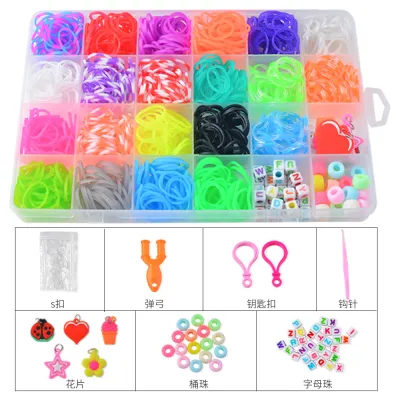
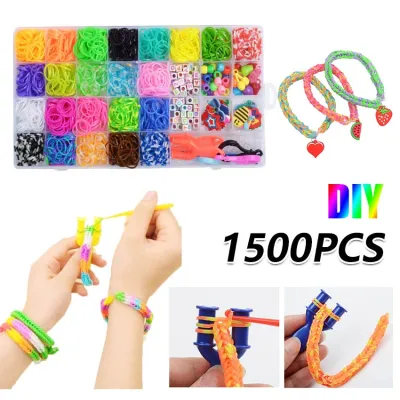
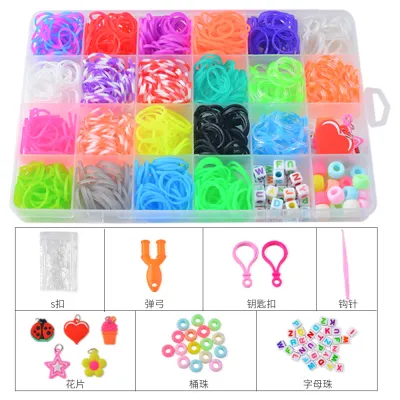
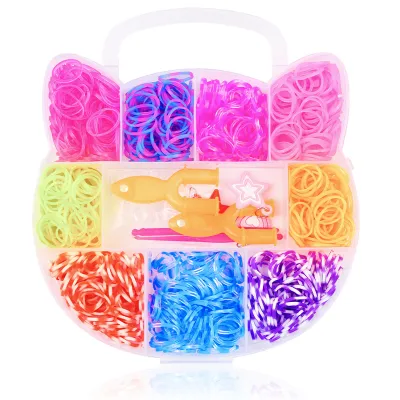
Prices are valid at publication and may change. Please refer to the product page for the latest price.
The weaving hook is the primary tool students use to lift and loop the bands over the pegs. Basic kits often include thin plastic hooks, which are prone to bending or snapping when subjected to high tension. For school projects, look for kits that include heavy-duty plastic hooks or, ideally, metal-tipped hooks. Metal hooks offer superior strength and prevent the frustration of a tool breaking mid-project. Additionally, consider the ergonomics of the hook handle. Hooks with wider, textured grips or rubberized sleeves are much easier for younger students to hold, reducing hand fatigue during longer art sessions.
Fasteners are small plastic clips used to secure the ends of a completed project, turning a woven chain into a wearable bracelet, necklace, or keychain. The two most common shapes are C-clips and S-clips. C-clips feature a wide, open curve that is easy to slip over multiple bands, making them ideal for thicker, more complex weaves. S-clips have two separate hooks, which can make it easier to organize the two ends of a simple chain. For classroom use, having a generous supply of both clip styles ensures students can finish their projects regardless of the weaving pattern they choose.
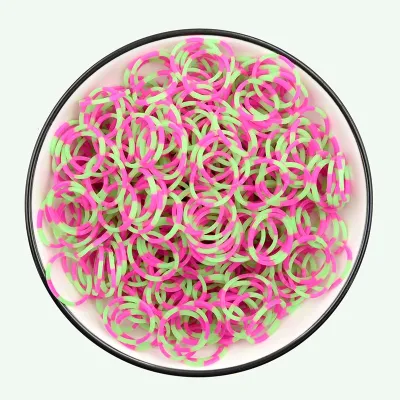
The rubber bands themselves are the most prominent part of any set. Standard bands are typically 15mm in diameter and come in a vast array of colors. When selecting a kit, look for a diverse color palette that includes both solid primary colors and specialty variants. Specialty bands—such as metallic, neon, glitter, or glow-in-the-dark options—can significantly boost student engagement and allow for more creative expression in their art assignments. However, ensure that these specialty bands share the same elasticity and thickness as the standard solid colors, as mismatched band sizes can cause uneven tension and ruin a project.
Evaluating Features for Classroom Art Projects
Classroom art projects present unique challenges compared to individual crafting at home. With dozens of students working simultaneously, organization, ease of distribution, and tool durability become paramount. Selecting a loom band set with classroom-friendly features can mean the difference between an organized, productive lesson and a chaotic, messy cleanup.

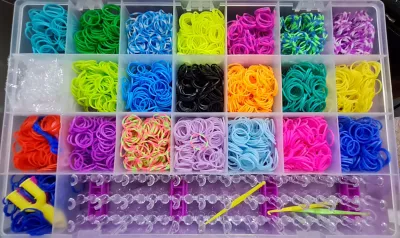
Color variety and sorting are critical for maintaining order during an art class. Some loom band sets are sold as mixed bags, where thousands of multi-colored bands are jumbled together. While these are often inexpensive, they require students to spend valuable class time sorting through the pile to find matching colors. For a school environment, pre-sorted compartments are highly recommended. Kits that come with dedicated dividers for each color allow students to quickly select the exact bands they need, minimizing downtime and keeping the workspace tidy.
Storage solutions are equally important for preventing spills and keeping the classroom organized over multiple days. Simple zip-top bags are easily punctured and difficult to stack. Instead, look for sets housed in rigid plastic tackle boxes or multi-tiered storage cases with secure latches. These cases protect the bands from dust, moisture, and accidental spills. In tropical climates, where high humidity can cause rubber bands to stick together over time, a sealed plastic storage box helps preserve the elasticity of the bands by keeping them dry and shielded from direct sunlight.
Instructional materials included in the kit should be clear and age-appropriate. While many students are familiar with basic weaving techniques, others will require step-by-step guidance. Look for kits that include printed, highly visual instruction manuals with clear diagrams for beginner, intermediate, and advanced patterns. If the kit relies on digital resources, verify that the packaging provides clear, accessible links or QR codes to video tutorials. Having both printed and digital options allows you to accommodate different learning styles and classroom setups, whether you are projecting a tutorial on a screen or handing out printed guides to individual groups.
Tool durability is the final piece of the classroom puzzle. School art supplies undergo heavy, repeated use by multiple students who may apply varying levels of force. Examine the build quality of the loom boards and hooks before purchasing. Look for thick, high-impact plastic that resists cracking when dropped on hard classroom floors. Avoid kits with flimsy, brittle components that feel light or hollow, as these are likely to break within the first few uses, leading to interrupted lessons and wasted materials.
Matching Set Sizes to Your Project Scale
Loom band sets come in a wide range of sizes, from small travel kits to massive bulk boxes containing tens of thousands of bands. To choose the right size, you must evaluate the scale of your art project, the number of participating students, and the duration of the curriculum.
Starter kits are best suited for individual assignments, small-scale demonstrations, or introductory lessons. These kits typically contain between 600 and 1,200 bands, a single loom board, one or two hooks, and a small bag of clips. If you are a parent purchasing supplies for your child’s individual school project, a starter kit provides everything needed without excess waste. However, these kits are insufficient for group work or multi-week assignments, as the band supply will quickly run out.
Bulk or jumbo sets are the ideal choice for art teachers supplying an entire classroom or running a semester-long unit. These sets often contain 5,000 to 15,000 bands, multiple loom boards, and dozens of hooks and clips. Purchasing a single jumbo set is generally more cost-effective than buying multiple individual kits. It also ensures that all students have access to the same quality of tools and a shared pool of colors, promoting collaboration and preventing disputes over limited resources.
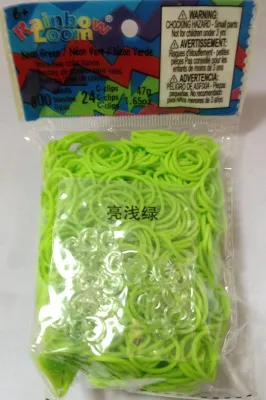
Refill packs are an excellent strategy for replenishing your supplies once the initial hardware has been acquired. Since loom boards and metal hooks are highly reusable, you do not need to purchase a complete new kit every time you run out of bands. Refill packs focus solely on providing rubber bands and fasteners, often in specific color groups or bulk assortments. This approach reduces plastic waste and allows you to target the specific colors that students use most frequently, such as black, white, or school colors, which tend to run out much faster than neon or glitter shades.
When selecting a set, always check the band-to-tool ratio. A kit that advertises 10,000 bands but only includes one loom board and one hook is not suitable for a group project. For classroom settings, ensure the set includes enough looms and hooks to accommodate the number of students working simultaneously. If the ratio is unbalanced, you may need to purchase additional individual hooks or small loom boards separately to ensure every student can participate actively without waiting for tools to become free.
Checking Materials and Safety for School Use
Safety is a non-negotiable factor when selecting art supplies for a school environment. Because loom bands are handled extensively and worn as jewelry, you must verify that the materials used are safe, non-toxic, and appropriate for the age group of your students.
Allergen considerations are a primary concern when dealing with elastic bands. Traditional rubber bands often contain natural rubber latex, which can trigger allergic reactions in sensitive individuals. To ensure the safety of all students, look for loom band sets explicitly labeled as latex-free. Most modern high-quality loom bands are made from synthetic materials like silicone or thermoplastic polyurethane (TPU), which are naturally latex-free and safer for classroom use. Additionally, check the packaging for BPA-free and lead-free certifications to ensure no harmful chemicals are present in the plastics or dyes.
Age appropriateness must be carefully evaluated, especially for younger students. Loom bands and their small plastic clips present a significant choking hazard for children under three years of age. For school projects, these kits are generally recommended for children aged six and older, who have developed the fine motor skills required for weaving and understand not to put small objects in their mouths. Always review the manufacturer’s age recommendations and warnings printed on the packaging to ensure the kit aligns with the grade level of your class.
Snap resistance is both a safety and a quality consideration. Low-quality bands made from cheap rubber compounds tend to dry out quickly and snap under minimal tension. When a band snaps during weaving, it can fly off the loom and potentially strike a student in the eye or cause minor skin irritation. To minimize this risk, look for bands that offer high elasticity and a smooth, consistent texture. You can test the quality of a band by stretching it to about three times its original length; a high-quality band should stretch smoothly without showing micro-tears and return to its original shape without remaining permanently deformed.
Verifying non-toxic claims is essential before bringing any dyed plastic product into a school. Look for reputable safety standards printed on the packaging, such as the EN71 certification or the ASTM D-4236 standard, which indicate that the art materials have been evaluated and deemed non-toxic. Avoid purchasing unbranded, generic sets that lack clear manufacturer information, ingredient lists, or safety labels, as these products may not have undergone rigorous safety testing.
Building Your Shortlist: A Buyer's Checklist
To make your final purchasing decision easier, it helps to create a structured evaluation framework. When comparing different loom band sets at local stationery stores or online marketplaces, use this practical checklist to identify the best option for your school project.
First, construct a simple comparison matrix based on the product specifications. Note the total band count, the number of included loom boards and hooks, the presence of a durable storage case, and the specific safety certifications. Do not rely solely on marketing buzzwords like “premium” or “ultimate.” Instead, look for concrete numbers and material listings, such as “silicone bands” or “metal-tipped hooks.”
Second, assess the reusability of the packaging. A good classroom set should come in a container that can be opened and closed securely hundreds of times. Avoid thin cardboard boxes that tear easily or plastic trays with flimsy lids that pop open during transport. A sturdy, latching plastic case ensures that the bands remain organized and protected from the elements throughout the school year.
Finally, watch out for red flags that indicate a low-quality or potentially unsafe product. These include packaging that lacks clear brand name or manufacturer contact information, a complete absence of safety warnings or age recommendations, and extremely thin, brittle-looking plastic hooks and looms that show visible stress marks. Additionally, avoid bands that have a strong, unpleasant chemical odor, which often indicates the use of low-grade dyes or plasticizers, or loose, unsealed packaging where small clips and bands can easily spill out.
Frequently Asked Questions (FAQ)
Can loom bands be reused for multiple art projects?
Yes, high-quality loom bands and their associated hardware can be reused, but there are limits. Loom boards and hooks made of durable plastic or metal can be cleaned with mild soap and warm water and reused indefinitely. The rubber bands themselves can be carefully unraveled from a completed project and used again, provided they have not been stretched beyond their elastic limit or exposed to high heat. However, you should discard any bands that appear cracked, discolored, sticky, or permanently deformed, as these are highly likely to snap during their next use.
How should students store unfinished loom band projects?
To prevent unfinished projects from unraveling between art classes, students can use small binder clips or paperclips to secure the loose loops at the working end of the weave. If the project is still attached to the loom board, the entire board should be placed carefully inside a designated, labeled zip-top bag or a shallow tray to protect it from being bumped or crushed. Keeping the loom flat and shielded from heavy objects in a locker or classroom shelf ensures that the tension remains consistent and the project is ready to be resumed during the next session.
Community discussion
Share your experience or ask a question. Comments are reviewed before publication.