
Selecting the right paint kit set for your child’s school art classes in the Philippines requires balancing classroom guidelines, safety standards, and practical durability. The ideal kit must not only satisfy the teacher’s specific curriculum requirements but also withstand daily transport in a school backpack under tropical conditions. By focusing on washability, secure packaging, and age-appropriate mediums, you can ensure your child has the necessary tools to succeed in their creative lessons without unnecessary mid-term replacements.
To make an informed purchase, parents should evaluate the specific paint types requested, inspect the physical components of the kit, and verify safety certifications. This guide outlines the essential steps to identify a high-quality, school-ready paint kit that fits your budget and supports your child’s artistic development.
Understanding School Art Supply Requirements
Before purchasing any art supplies, reviewing the official school supply list is the most critical step. Teachers often have highly specific preferences based on the planned curriculum, and buying the wrong medium can result in items that sit unused in a locker. For instance, a syllabus calling for watercolor will require a completely different paper weight and technique than one designed for poster paint or tempera. Confirming these details early prevents double-spending and ensures your child has the exact medium needed for their scheduled projects.
Products mentioned in this guide
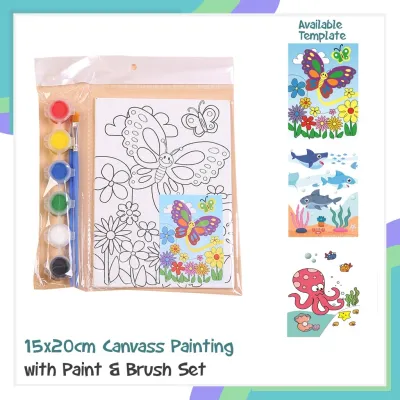
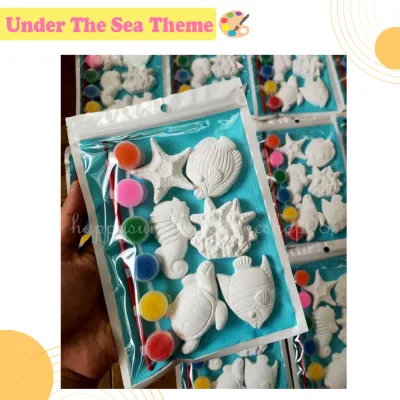
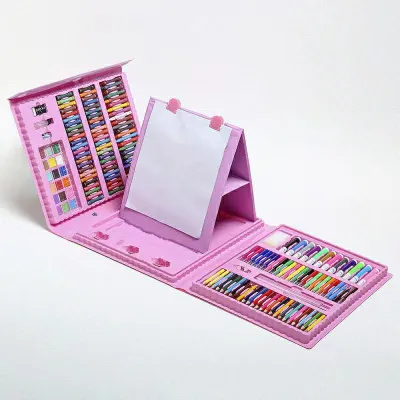
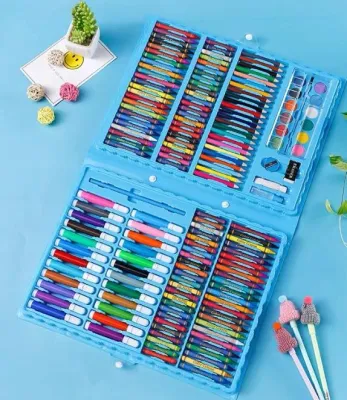
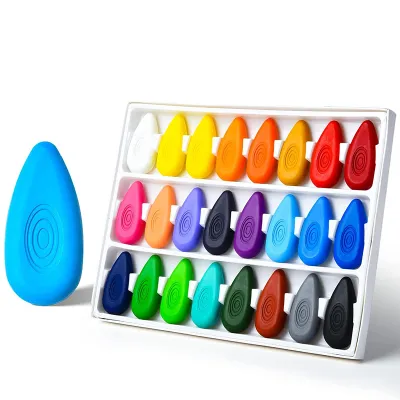
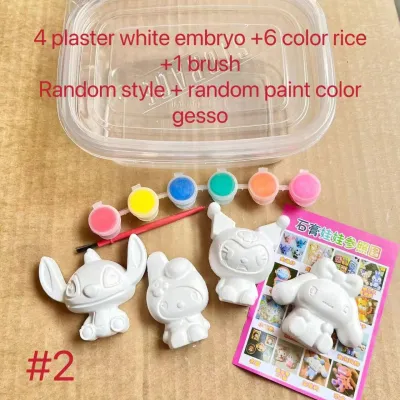
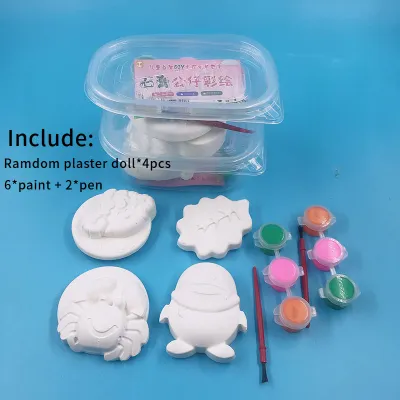
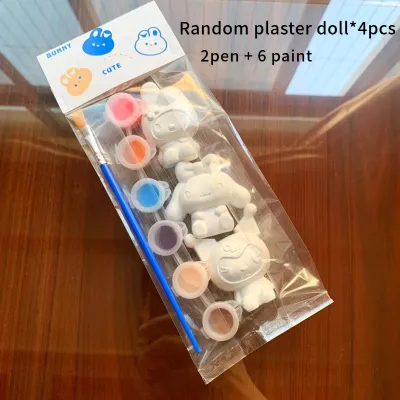
Prices are valid at publication and may change. Please refer to the product page for the latest price.
Classroom rules also frequently dictate which formats are permitted or prohibited. Many schools explicitly ban oil paints for primary and intermediate students due to the slow drying times and the need for chemical solvents like turpentine. Similarly, non-washable acrylics are often discouraged for younger grade levels because they can permanently ruin school uniforms and classroom furniture. Checking for these restrictions beforehand helps you narrow down your options to classroom-safe alternatives.
Safety certifications are another non-negotiable factor when selecting children’s art supplies. Always look for clear, printed labels on the packaging indicating that the paints are non-toxic and conform to international safety standards, such as the ASTM D-4236 or EN71 certifications. These labels guarantee that the pigments and binders used do not contain harmful levels of heavy metals or toxic chemicals. Avoid unbranded or poorly labeled kits that lack these explicit safety declarations, as they may pose health risks during prolonged skin contact.
Essential Components of a Complete Paint Kit
A comprehensive paint kit should contain all the fundamental tools required for a standard art lesson, reducing the need to purchase separate accessories. The core of any kit is the paint palette itself. For school use, a set featuring 8 to 12 primary and secondary colors is generally sufficient for teaching basic color theory and mixing. You will need to choose between tube and pan formats; dry pans are highly portable and less messy for younger students, while tubes offer richer pigment concentration but require careful portion control to prevent waste.

Beyond the paint, the quality of the included brushes significantly impacts your child’s experience. A reliable kit should include a variety of brush shapes, typically at least one flat brush for broad washes and one round brush for fine lines and detail work. Inspect the bristles to ensure they are securely crimped into the metal ferrule; loose bristles will shed onto the paper and ruin the artwork. Synthetic nylon bristles are highly recommended for school kits as they retain their shape well and are easy to clean with plain water.
Auxiliary tools like a mixing palette and a water cup complete the set. Many high-quality kits feature a lid that doubles as a multi-compartment mixing tray, which saves valuable desk space in crowded classrooms. If the kit includes a water cup, a collapsible silicone design is ideal because it folds flat and fits easily into a backpack. Finally, evaluate the carrying case itself. It should be constructed from impact-resistant plastic or lightweight tin, featuring secure latches that will not accidentally pop open during a bumpy school bus ride.
Matching Paint Types to Age and Skill Levels
Selecting the right paint medium depends heavily on your child’s grade level and physical dexterity. For early childhood and lower elementary students (Kindergarten to Grade 3), the primary focus is on sensory exploration and motor skill development. Highly washable watercolors, tempera, and finger paints are the standard choices here. Tools for this age group should feature easy-grip handles, chunky brushes, and spill-proof containers to accommodate developing coordination and minimize classroom messes.
As students transition to upper elementary and middle school (Grade 4 to Grade 8), their art projects will demand greater opacity and color-mixing capabilities. Poster paints and student-grade acrylics become more appropriate at this stage. These mediums allow students to experiment with layering colors, painting on different surfaces like cardboard or canvas boards, and achieving vibrant, opaque finishes that watercolors cannot provide. However, because these paints are thicker, they require more structured cleanup routines.
Practical classroom limitations must also guide your choice of medium. In a typical 40-to-60-minute school art period, drying time is a major constraint. Watercolors and tempera dry relatively quickly, allowing students to pack up their work by the end of the class. Acrylics dry fast but become permanent once set, meaning any spills on white school uniforms must be treated immediately. Providing your child with a lightweight plastic apron or an old, oversized t-shirt to wear during art class is a highly practical way to protect their clothing regardless of the paint type used.
Key Quality and Durability Checks Before Purchase
To ensure a paint kit survives the entire school year, you must perform a few physical quality checks before finalizing your purchase. First, inspect the seal integrity of the paint containers. For liquid paints like poster colors or acrylic tubes, check that the caps screw on tightly and that there is an intact foil seal beneath the lid. In the warm, humid climate of the Philippines, poorly sealed paints can dry out rapidly, turn into solid blocks, or develop mold. For dry watercolor pans, ensure the individual blocks are firmly seated in their slots and not cracked or crumbling.
Next, test the structural durability of the outer carrying case. Open and close the latches several times to ensure they snap shut securely without requiring excessive force that a young child might struggle with. Examine the hinges; solid plastic living hinges can degrade and snap over time, so reinforced pin hinges are generally more durable for daily backpack transit. A sturdy case prevents the paints from being crushed by heavy textbooks and keeps any accidental leaks contained inside the box.
Lastly, read the manufacturer’s labels for storage guidelines and product longevity. Some water-based paints have expiration dates or are prone to separation if stored incorrectly. It is also wise to check if the brand offers individual color refills. High-use colors like white, black, and primary yellow often run out long before the other shades; choosing a brand that sells individual replacement tubes or pans saves you from buying an entirely new kit when only one color is depleted.
Smart Shopping: Comparing Value and Sourcing
When sourcing paint kits in the Philippines, parents can choose between physical stationery stores and online marketplaces. Local high-street stationery shops offer the distinct advantage of immediate availability and the ability to physically inspect the product’s seals, hinges, and safety labels before paying. This is particularly useful during the hectic back-to-school season when you need items instantly. However, physical stores may have limited stock of specialized or imported student brands.
E-commerce platforms and online marketplaces often provide a broader selection of brands and competitive pricing. When shopping online, look for official brand stores or authorized distributors to guarantee product authenticity and avoid counterfeit items that may contain unsafe pigments. Always factor in the shipping fees to your province when comparing prices, as heavy liquid paint sets can increase delivery costs. Calculating the total cost of a kit versus buying individual components will help you determine the true value.
To maximize your budget, look for back-to-school bundles that package the paint kit with other required items, such as Oslo paper, drawing pencils, and erasers. Buying these bundled sets often yields a lower overall price than purchasing each item separately. Additionally, check the seller’s return policy and customer reviews specifically regarding how well the items are packaged for transit. A seller who uses bubble wrap and sturdy cardboard boxes ensures the paint pots arrive intact without messy leaks.
Frequently Asked Questions (FAQ)
How can I prevent paint from drying out in the kit?
To prevent paints from drying out, ensure your child tightly screws the caps back onto tubes and jars immediately after use. For watercolor pans, allow the surface of the paint to air-dry slightly before closing the lid to prevent mold growth in humid conditions. Storing the entire kit in a cool, dry place away from direct sunlight will preserve the binders and pigments. If water-based poster paints or tempera begin to thicken over time, adding a few drops of distilled water and stirring thoroughly can often restore their original consistency.
Are acrylic paints appropriate for elementary school art classes?
Acrylic paints are generally not recommended for lower elementary school students unless specifically requested by the teacher. Once dry, acrylic paint is highly water-resistant and permanent, making it extremely difficult to wash out of school uniforms, cotton clothing, and classroom desks. For younger children, washable tempera or poster paints are much safer and more practical alternatives, as they offer similar opaque coverage and vibrant colors but clean up easily with soap and water.
What if the school requires individual items instead of a pre-made kit?
If the school supply list specifies individual items that do not match standard pre-made kits, you can easily assemble a custom set. Purchase the requested paint tubes, brushes, and palettes individually, focusing on student-grade quality. To keep these items organized and prevent damage inside your child’s backpack, use a durable, plastic utility box or a zippered canvas pencil case. Labeling each individual component with your child’s name using a waterproof permanent marker will also help prevent lost supplies in a busy classroom environment.

Community discussion
Share your experience or ask a question. Comments are reviewed before publication.