
Selecting the right portfolio with design in the Philippines depends on balancing your daily environment, your career stage, and the specific media you need to transport. Students generally require high-capacity, highly durable cases that can withstand the rigors of daily commutes on public transit and protect a wide variety of experimental mediums. Working professionals, on the other hand, need streamlined, minimalist designs that project executive polish during client pitches and corporate board meetings. By understanding how local climate factors like high humidity and sudden tropical downpours affect different materials, you can choose a portfolio that keeps your work pristine while matching your professional identity.
Identifying Your Core Needs: Academic vs. Professional Use
Academic design programs demand a high level of creative flexibility and physical capacity. As a student, your daily schedule is rarely predictable, often requiring you to carry a chaotic mix of materials across campus. On any given day, you might need to transport large-format watercolor sheets, charcoal sketches, mounting boards, and digital tablets. This requires a portfolio with design features that prioritize volume and physical flexibility over strict minimalism. Campus life also involves constant movement between classrooms, studios, and dorms, meaning your case will experience significant wear and tear. A student portfolio must act as a mobile studio, offering enough room for both finished pieces and raw, iterative drafts.
In contrast, once you transition into the local workforce—whether in a creative agency in Makati or a corporate office in Ortigas—the role of your portfolio shifts from storage to presentation. Professionals rarely carry their entire archive to a meeting; instead, they curate a highly targeted selection of final prints or present digital mockups on a tablet. The ideal professional portfolio features a slim profile, clean lines, and an understated aesthetic that does not distract from the work inside. It must open smoothly and lay flat on a conference table, allowing clients to flip through your achievements without awkward handling.
Products mentioned in this guide
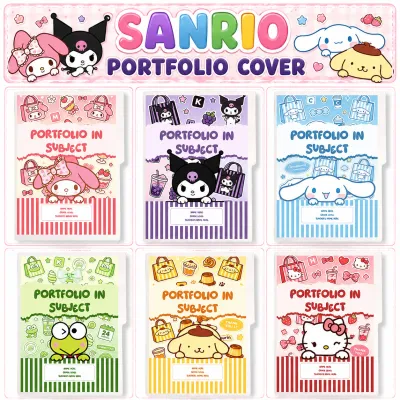
![[DKI ENTERPRISES] ArtFolio / Art Portfolio 21.5 x 27.5cm](https://img.lazcdn.com/g/p/919d285bc03d369ee92c8f79330909f3.jpg_400x400q80.jpg_.webp)
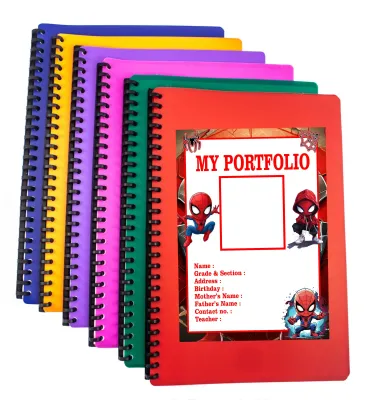
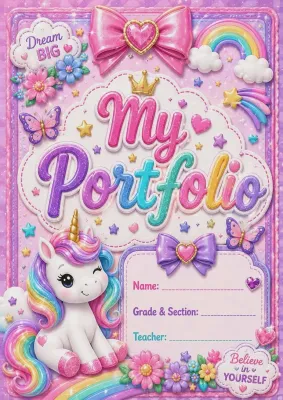
Prices are valid at publication and may change. Please refer to the product page for the latest price.
For graduating students preparing for their first job interviews, bridging this gap can be challenging. You do not necessarily need to purchase an expensive luxury case immediately, but you do need to phase out overly worn, sticker-covered student bags. Look for transitional portfolios that offer a clean, neutral exterior while retaining some of the internal capacity you still need for physical design tests or multi-page layout prints. Investing in a versatile, mid-range portfolio with design elements that lean toward minimalism will serve you well during both your final thesis defense and your initial corporate interviews.
Evaluating Size, Capacity, and Structural Features
Before purchasing, you must verify the exact dimensions of your primary media to ensure a proper fit. In the Philippines, standard paper sizes like Letter, Legal, and A4 are common for corporate documents, while design students frequently work with larger formats like A3, A2, or even custom drafting sheets. If you carry a laptop or a drawing tablet, measure the device with its protective sleeve on to ensure it fits comfortably within the portfolio’s main compartment. Remember that a portfolio’s external dimensions do not always reflect its internal usable space, especially if the corners are heavily rounded or the frame is rigid.

The choice of closure directly impacts how secure your work remains during a hectic commute. Zippered closures offer the highest level of security, sealing the edges completely against dust, light debris, and accidental drops. However, look for nylon or rust-resistant plastic zippers, as metal zippers can corrode quickly in high-humidity environments. Snap buttons and elastic bands provide faster access, making them excellent for quick classroom presentations, but they leave the sides of your portfolio exposed to the elements. For heavy, multi-page portfolios, a secure zipper is almost always the safer choice.
A well-designed interior prevents your work from shifting and getting damaged during transit. Look for portfolios equipped with clear, acid-free polypropylene sleeves if you need to display finished prints without exposing them to fingerprints or moisture. If you carry loose sketches, three-dimensional mockups, or thick sketchbooks, look for models featuring expandable gussets and internal dividers. These structural elements allow the portfolio to expand when fully loaded and contract when empty, preventing thin paper sheets from bending or creasing against heavier items.
Selecting Materials and Aesthetics for Your Setting
The tropical climate of the Philippines demands careful consideration of portfolio materials. Lightweight canvas is highly breathable and flexible, but it absorbs moisture easily and can stain if not treated with a water-resistant coating. Kraft paper portfolios offer a unique, eco-friendly aesthetic and surprising structural strength, but they are vulnerable to tearing if they get wet. Faux leather (polyurethane or PU) provides a sophisticated, professional appearance and resists light spills, but low-quality PU can peel or crack over time when exposed to intense heat and humidity. Hard-shell plastics (polypropylene) offer excellent impact resistance and are easy to wipe clean, making them highly practical for daily student commutes.
Your portfolio’s exterior is the very first thing an interviewer or client sees, making it a crucial part of your personal branding. Creative students can often get away with bold colors, textured finishes, or personalized decals that showcase their artistic personality. In contrast, corporate environments generally demand neutral tones such as matte black, deep navy, or charcoal gray. A clean, unadorned cover projects a sense of order and professionalism, signaling to clients that you take your work seriously and pay attention to detail.
Carrying a fully loaded portfolio across a university campus or through a busy business district can quickly become physically exhausting. Evaluate the design of the handles and straps carefully. Look for portfolios with reinforced, padded handles that do not dig into your palms when carrying heavy boards. If you rely on public transportation, a detachable, adjustable shoulder strap is essential for keeping your hands free to hold handrails or carry additional bags. Ensure the strap attachments are securely stitched or riveted to the main body of the portfolio to prevent sudden breaks while you are on the move.
Finalizing Your Choice: A Pre-Purchase Checklist
To ensure your chosen portfolio with design meets your exact requirements, run through a practical verification process before making your purchase. First, measure your largest physical artwork or device, adding at least a two-centimeter margin on all sides to account for the portfolio’s seams and zipper tracks. If you plan to use plastic sleeves, verify whether they are built-in or refillable, as refillable systems offer greater long-term flexibility but may require specific hole-punch configurations.
Next, carefully inspect the manufacturer’s labels and product specifications. Look for explicit mentions of weight limits, especially if you plan to carry heavy sketchbooks or mounting boards. Check for reinforced stitching at key stress points, such as where the handles or strap D-rings attach to the body. If you are purchasing online, read the care instructions to ensure you can easily clean the material using common household items without damaging the finish.
Finally, plan your purchasing strategy. If you are buying from local stationery stores in Manila, take a few of your standard-sized drafts with you to test the fit and feel the material in person. If you prefer the convenience of online marketplaces, carefully review the seller’s return and exchange policies. Ensure they offer clear recourse in case the portfolio arrives with bent corners, faulty zippers, or manufacturing defects, so you can secure a replacement before your classes or client meetings begin.
Frequently Asked Questions (FAQ)
How do I protect my artwork inside a portfolio during heavy rain?
Do not rely solely on the portfolio’s exterior material, even if it claims to be water-resistant. During heavy tropical downpours, water can still seep through zipper teeth or seams. To protect your critical prints and drawings, place them inside individual, acid-free plastic sleeves or sealable waterproof document bags before sliding them into your portfolio. For an extra layer of defense during a wet commute, you can wrap the entire portfolio in a lightweight, waterproof rain cover or a clean plastic bag while traveling between destinations.
Can I use a student portfolio for formal job interviews?
Yes, but you should make a few key adjustments to ensure it looks appropriate for a professional setting. If your student portfolio is covered in stickers, paint splatters, or visible scuffs, try to clean the exterior thoroughly or consider upgrading to a simple, budget-friendly black folder. Focus on curating the contents: remove messy process work, loose sketches, and unrelated academic assignments. Present only your best, most relevant projects, organized logically so the interviewer can easily follow your design process from start to finish.
Community discussion
Share your experience or ask a question. Comments are reviewed before publication.