
To write durably on stone surfaces like tombstones in the Philippines, you need a specialized paint-based marker pen rather than a standard permanent marker. The ideal tombstone marker pen must feature highly opaque, weather-resistant, and UV-stable ink—typically oil-based or acrylic-based paint—capable of adhering to porous or polished mineral surfaces. Because these markers must withstand intense tropical heat, heavy monsoon rains, and high humidity, selecting the correct ink chemistry and tip style is essential to ensure the memorial text remains legible for years.
In the Philippines, maintaining family memorials is a deeply respected tradition, particularly leading up to Undas (All Saints’ Day and All Souls’ Day). During this time, many families seek to refresh the faded lettering on headstones. Using the wrong marker can lead to bleeding, rapid fading under the tropical sun, or washing away during the first heavy downpour. Therefore, understanding the technical specifications of specialized paint markers is the first step toward a lasting tribute.
Understanding Stone Surface and Climate Challenges
Stone is not a uniform material, and tombstones in local cemeteries are primarily crafted from granite, marble, or cast concrete. Each of these materials interacts differently with liquid pigments. Polished granite is highly dense and non-porous, meaning ink must adhere strictly to the surface without soaking in. If the ink lacks proper binding agents, it will easily scratch or peel off over time.
Products mentioned in this guide
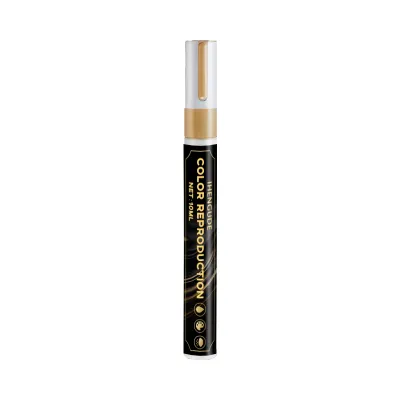
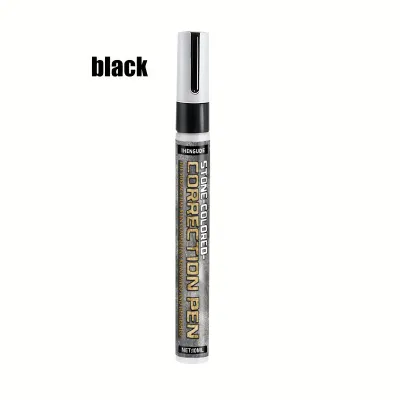
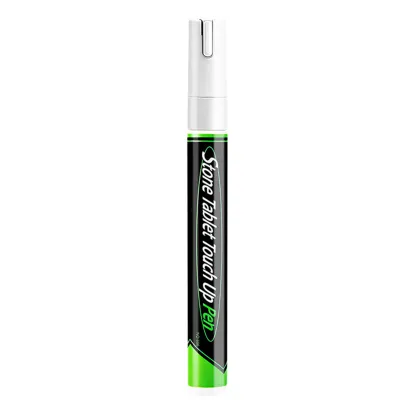
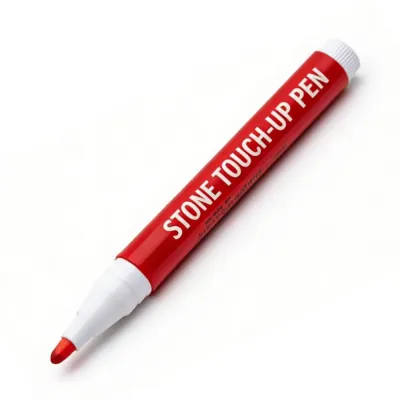
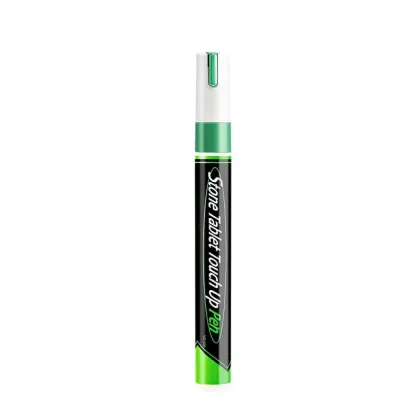
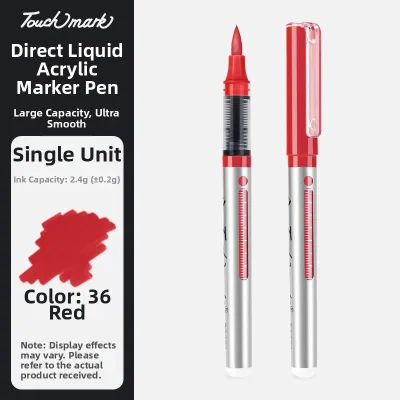
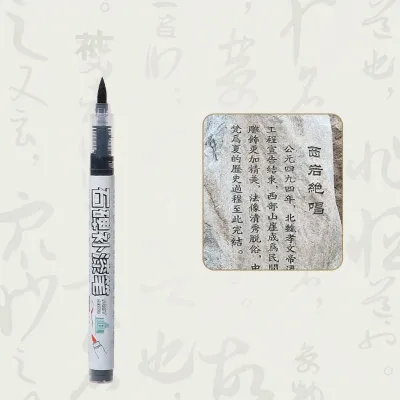
Prices are valid at publication and may change. Please refer to the product page for the latest price.
Conversely, marble and concrete are highly porous. They act like hard sponges, drawing liquid ink deep into their microscopic pores. If you use an ink that is too thin, it will bleed outward along the stone’s natural veins, creating a blurry, feathered edge around the letters. Rough-cut or unpolished stone surfaces also present physical friction, which can quickly shred delicate felt tips.
The chemical composition of the stone also dictates how paint behaves. Marble is composed of calcium carbonate, which is highly sensitive to acids. This means the paint must not contain highly acidic solvents that could etch or discolor the stone. Granite, being composed of quartz and feldspar, is much more chemically resistant, but its polished surface is extremely slick, requiring a paint with high surface tension and strong adhesive binders to prevent peeling.
The Philippine climate adds severe environmental stress to these surfaces. High relative humidity prevents standard water-based inks from drying properly, leaving them vulnerable to smudging. During the wet season, torrential rains can wash away uncured pigments.
Furthermore, the intense ultraviolet (UV) radiation from the tropical sun acts as a powerful bleaching agent. Standard organic dyes used in office stationery break down rapidly under UV exposure, causing black ink to turn purple or brown, and eventually fade into invisibility within a few weeks. To survive these conditions, a tombstone marker must utilize inorganic pigments suspended in a robust binder that cures into a shield against both moisture and light.
Key Features to Evaluate Before Purchasing
When evaluating marker options, the tip (or nib) configuration is your first point of physical contact with the stone. Chisel tips are highly versatile for traditional block lettering, allowing you to alternate between broad strokes for filling deep engravings and sharp edges for fine serifs. Bullet tips offer a consistent line width, making them excellent for modern sans-serif fonts or outlining before filling. For very fine details, small script, or intricate decorative borders, a fine-point or extra-fine-point plastic or metal-clad tip is necessary to prevent the paint from pooling and overflowing the engraved channels.

Ink flow mechanism is another critical factor. Most high-quality stone markers utilize a valve-action mechanism. This design requires you to shake the marker to mix the pigment and solvent, then press the tip down on a scrap surface to prime the nib. This valve control prevents the paint from leaking out under gravity while allowing you to pump fresh, opaque paint to the tip as you work on vertical headstone faces.
Opacity determines how well the paint hides the underlying stone color. A high-quality marker must deliver a dense, solid layer of pigment in a single pass. If the paint is too translucent, the dark speckles of granite or the grey veins of marble will show through, requiring multiple coats that can lead to uneven, bumpy textures.
Color selection also affects the longevity of your work. While gold, silver, black, and white are the most common colors used for tombstone restoration, the choice of color affects its durability. Metallic pigments like gold and silver often contain real metal flakes or mica, which can slowly oxidize or tarnish when exposed to rain and air. White and black pigments, usually titanium dioxide and carbon black, are highly stable and tend to resist UV fading much longer than metallic or bright primary colors.
Drying speed is particularly vital when working outdoors. In dusty cemetery environments, wind can blow dirt, dried leaves, or insects onto wet paint. A marker that dries to the touch within a few minutes minimizes the risk of debris becoming permanently embedded in the memorial lettering.
Lastly, consider the physical design of the marker barrel. Restoring a headstone often requires holding your hand at awkward angles against vertical surfaces for extended periods. A marker with a comfortable, textured grip and a sturdy aluminum or thick plastic barrel helps reduce hand fatigue and ensures steady, precise strokes.
Choosing the Right Ink Chemistry for Stone
The chemical composition of the ink determines how it bonds to the stone and how long it resists weathering. Oil-based paint markers are widely considered a reliable standard for outdoor stone applications. These markers use an organic solvent carrier that evaporates to leave behind a tough, flexible film of oil-based resin and pigment. This film adheres exceptionally well to non-porous surfaces like polished granite and is highly resistant to water, making it virtually impervious to heavy rain once fully cured.
Acrylic-based paint markers use water as a carrier, making them low-odor and easier to clean up during application. They work beautifully on porous stones like marble or sandstone because the water-based carrier allows the acrylic resins to penetrate slightly into the stone’s pores, creating a strong mechanical bond. However, because acrylic films can be more susceptible to UV degradation and moisture penetration over several years, they often benefit from a clear, weather-resistant outdoor sealant applied over the dried paint to extend their lifespan.
Solid paint markers, often referred to as solidified paint crayons, offer a completely different approach. These consist of a solid stick of highly pigmented paint in a twist-up sleeve. They do not use a liquid flow mechanism, which eliminates the risk of drips, runs, or clogs. Solid paint markers are incredibly effective for rough, unpolished stone surfaces or deeply recessed engravings where liquid paint would pool unevenly. They leave a thick, highly durable layer of paint that cures over several hours, though they lack the precision required for very fine or small lettering.
The environmental impact and safety of these solvents should also be considered. Oil-based markers often contain volatile organic compounds (VOCs) like xylene or toluene, which require good ventilation during application. While these solvents provide excellent adhesion and fast drying, they can be harsh to breathe in. Acrylic-based markers are water-soluble when wet, making them much safer and more pleasant to use in confined cemetery spaces, though they require more care during the curing phase.
When shopping, always inspect the product packaging for specific performance indicators. Look for terms like “lightfast,” “UV-resistant,” “weatherproof,” or “industrial grade.” Avoid markers labeled simply as “permanent,” as this term usually refers to standard alcohol-based inks designed for paper or cardboard, which will fail rapidly when exposed to outdoor elements.
Where to Buy and How to Verify Authenticity in the Philippines
Finding reliable tombstone marker pens in the Philippines requires knowing where to look and how to spot genuine products. Local hardware stores, especially major home improvement centers found in urban areas, frequently stock industrial-grade paint markers in their marking and layout sections. Specialized art supply shops in major cities are also excellent sources, as they cater to professional artists and illustrators who require high-grade, lightfast acrylic and oil-based paint pens.
When shopping on online marketplaces or e-commerce platforms, caution is necessary to avoid counterfeit or expired products. Always prioritize official brand stores or highly rated preferred sellers. Examine the customer review section carefully, looking for photos of the actual product received and feedback regarding ink flow and drying performance. Be skeptical of listings with unusually low prices, as counterfeit paint markers often contain cheap, watery inks that fade within days of outdoor exposure.
Genuine high-quality paint markers in the Philippines typically cost between ₱100 and ₱300 per pen. If you find a pack of ten markers selling for the price of a single pen, they are likely low-grade water-based markers or counterfeits. Additionally, check the branding on the barrel; genuine markers have crisp, clear printing, whereas counterfeits often have blurry text, spelling errors, or lack proper safety warnings and ingredient lists.
Before purchasing, or immediately upon receiving your marker, check for manufacturing or expiration dates. Paint markers have a limited shelf life; the solvents can slowly evaporate, or the pigments can settle into a hard cake that cannot be re-dispersed by shaking. In the tropical heat of Philippine warehouses, this degradation process can accelerate. Shake the marker near your ear; you should hear the internal mixing ball rattle freely. If the ball is stuck or sounds muffled, the paint may have dried out or separated permanently due to poor storage conditions.
While imported specialty markers offer excellent performance, consider the balance between local availability and shipping times. If you are preparing for a specific memorial date like Undas, order well in advance to account for potential shipping delays, or opt for reputable brands that are readily stocked by local distributors.
Preparation and Application Techniques for Durability
Even the highest-quality paint marker will fail if applied to a dirty or damp surface. Proper preparation is the most critical step in ensuring your lettering lasts for years. Begin by thoroughly cleaning the engraved area. Use a stiff-bristled nylon brush (avoid wire brushes, which can scratch polished stone) to scrub away dust, dirt, moss, lichen, and loose stone particles. For stubborn biological growth, a mixture of water and mild dish soap is usually sufficient. Rinse the area completely with clean water.
The stone must be absolutely dry before you begin painting. Any moisture trapped inside the pores of the stone or the engraving channels will prevent the paint from adhering, leading to premature peeling. In high-humidity environments, it is best to perform this work on a dry, sunny morning, allowing the sun to warm and dry the stone surface thoroughly before application.
In the Philippines, the sun can heat tombstones to very high temperatures, especially dark granite. Painting on a hot stone can cause the solvent in the paint marker to evaporate instantly, preventing the paint from leveling out and bonding properly. This leads to a bubbly, brittle paint layer that will flake off. It is best to work in the shade, or during the early morning or late afternoon when the stone is cool to the touch.
When applying the paint, shake the marker vigorously with the cap on for at least thirty seconds to ensure the pigment is fully suspended in the solvent. Prime the nib on a clean piece of cardboard or scrap wood by pressing it down repeatedly until the paint begins to saturate the tip. When writing on the stone, use light, even pressure. Do not press down hard on the nib while writing, as this can cause a sudden flood of paint that will run down the vertical face of the tombstone.
If you are filling a deeply engraved letter, apply the paint in thin, even layers. If you make a mistake or paint outside the lines on a polished stone surface, wipe it away immediately using a clean, lint-free cloth wrapped tightly around your finger. For oil-based paints, a tiny drop of mineral spirits or rubbing alcohol on the cloth can help clean up edges, but be careful not to let the solvent run into the engraved letters.
Allow the paint to cure completely. While many paint markers dry to the touch within ten to fifteen minutes, full curing—where the paint chemically hardens and bonds to the stone—can take anywhere from 24 to 48 hours. Try to schedule your application when no rain is forecast for at least two days.
To preserve your markers for future touch-ups, store them horizontally in a cool, dry place away from direct sunlight. Storing them vertically can cause the pigments to settle at the bottom or clog the valve mechanism, while excessive heat will dry out the nibs and degrade the remaining solvent.
Frequently Asked Questions (FAQ)
Can I use a regular permanent marker on a tombstone?
No, standard permanent markers are not suitable for outdoor stone surfaces. These markers use thin, alcohol-based inks that rely on organic dyes for color. When exposed to the intense UV rays of the sun and outdoor moisture, these dyes break down rapidly, often fading or changing color within a few weeks. Furthermore, standard permanent ink lacks the thickness and opacity needed to stand out against dark or textured stone, resulting in a translucent, barely visible mark that easily washes away. Specialized paint markers, which use solid pigments suspended in oil or acrylic binders, are necessary to achieve the required durability and contrast.
How do I remove mistakes or excess paint from the stone?
If you make a mistake while the paint is still wet, you can easily wipe it off polished stone using a clean, lint-free cloth. For dried paint, the removal method depends on the stone’s texture. On polished granite or marble, you can gently scrape away excess paint using a plastic scraper or a new, single-edge razor blade held at a very flat angle to avoid scratching the polished finish. For textured or unpolished stone, or to clean up stubborn oil-based paint, apply a small amount of acetone or rubbing alcohol to a cotton swab and carefully dab the area. Always perform a spot test on an inconspicuous part of the tombstone first to ensure the solvent does not discolor or damage the stone.
Community discussion
Share your experience or ask a question. Comments are reviewed before publication.