
A beautifully designed ball pen is more than just a writing instrument; it is a personal statement, a tactile pleasure, and a reliable companion for daily tasks. In the Philippines, where the tropical climate brings high humidity and unique paper-preservation challenges, selecting the right pen requires balancing visual appeal with practical performance. A pen that looks stunning on a desk but skips on standard copy paper or smudges under humid conditions quickly becomes a source of frustration. By understanding how design elements interact with functional specifications, you can find a pen that elevates your writing experience while standing up to daily use.
When searching for a ball pen with design, the options range from sleek, minimalist metal barrels to vibrant, patterned casings that reflect a creative personality. The key to making a successful purchase lies in looking past the initial visual appeal to examine the underlying build quality, ink technology, and ergonomic design. This guide provides a comprehensive framework to help you evaluate these factors, ensuring your next stationery investment is both aesthetically satisfying and highly functional.
Defining Your Preferred Pen Aesthetic and Use Case
The visual design of a pen should align with where and how you plan to use it. In professional environments, such as corporate offices in major business districts, a pen with a clean, minimalist aesthetic or a classic metallic finish conveys a sense of understated sophistication. These designs often feature solid colors, brushed metal textures, or subtle matte coatings that look professional during meetings and contract signings. On the other hand, academic settings, creative studios, or personal journaling spaces offer more freedom to experiment with bold patterns, pastel colorways, and playful illustrations that showcase your individual style.
Products mentioned in this guide
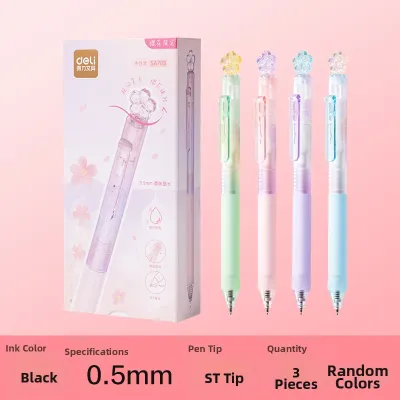
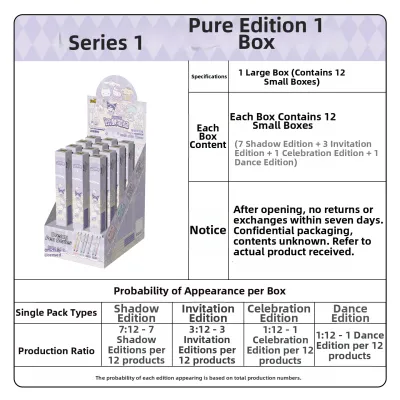
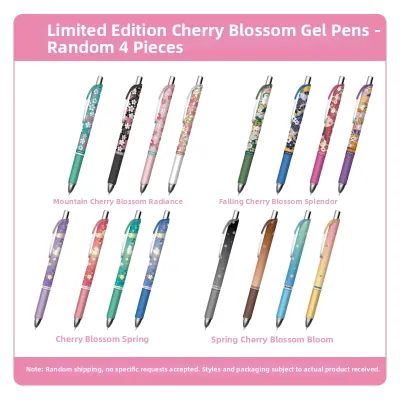
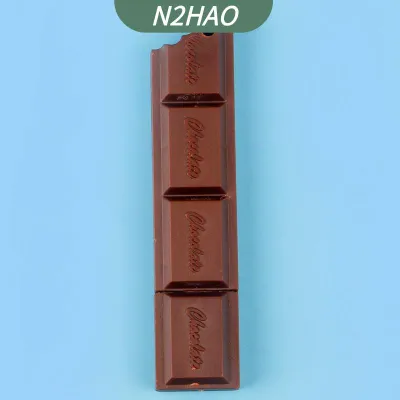
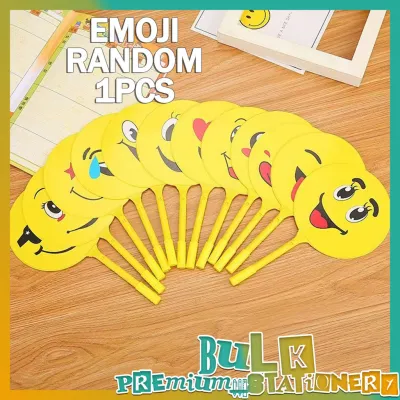
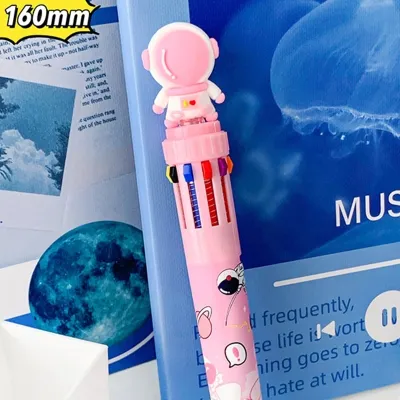
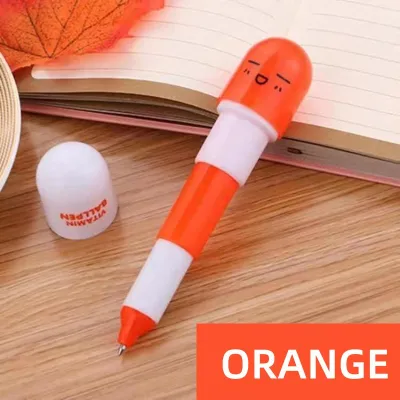
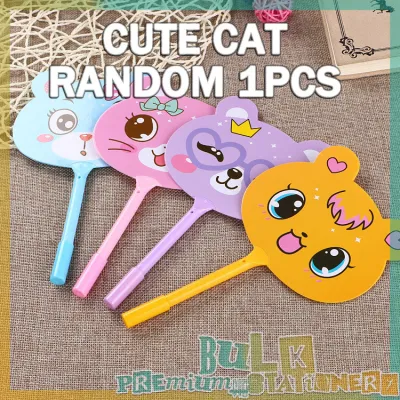
Prices are valid at publication and may change. Please refer to the product page for the latest price.
Material finishes play a significant role in both the appearance and the longevity of a pen’s design. Matte finishes are highly popular for their modern, non-reflective look and comfortable, velvety feel. However, they can absorb oils from your skin over time, leading to shiny patches on high-contact areas. Metallic finishes, such as anodized aluminum, brass, or stainless steel, offer a premium weight and excellent durability, but polished surfaces are prone to showing fingerprints and hairline scratches. Transparent or “demonstrator” pen bodies provide a technical, industrial aesthetic that allows you to see the internal mechanics and ink levels, though they may require more frequent cleaning to maintain their pristine look.
Beyond the barrel itself, the design of the pen clip and accents should complement your overall daily carry. A well-designed clip is not just decorative; it must be functional enough to secure the pen to a notebook cover, shirt pocket, or bag organizer. Spring-loaded metal clips offer a reliable balance of tension and durability, preventing the clip from bending out of shape over time. When selecting a pen, consider how its color palette and hardware (such as gold, chrome, or matte black trim) coordinate with your existing stationery, watch, or tech accessories to create a cohesive personal style.
Key Specifications to Check Before Buying
The performance of any ball pen is dictated by its technical specifications, starting with the tip size. Ballpoint pens typically range from ultra-fine (0.38mm to 0.5mm) to medium (0.7mm) and broad (1.0mm or larger). Fine tips are well-suited for precise writing, compact planners, and detailed annotations, as they lay down less ink and dry almost instantly. However, they can sometimes feel scratchy on rough paper. Medium and broad tips offer a much smoother, gliding sensation across the page, making them excellent for quick note-taking and bold signatures, though they require more drying time and can bleed through thinner paper sheets.

Ink formulation is another critical factor that behaves differently depending on environmental conditions. Traditional oil-based ink is highly viscous, water-resistant, and incredibly reliable on cheap, porous paper, making it a staple for everyday office work. However, it can require more writing pressure and may occasionally skip in cold, air-conditioned rooms. Gel ink uses water-based gel to deliver vibrant colors and a smooth flow, but it is highly sensitive to humidity, takes longer to dry, and can feather on low-quality paper. Hybrid ink combines the best of both worlds, offering the effortless glide of gel with the fast-drying, smudge-resistant properties of oil-based ink—making it highly recommended for left-handed writers.
Because smoothness, bleed resistance, and drying speed depend entirely on the exact combination of ink formula and paper fibers, it is essential to verify compatibility before committing to a specific pen. If you frequently write on thin notebook pages, recycled paper, or coated planner sheets, look for pens that specify fast-drying or low-viscosity inks. Furthermore, always check the availability of replacement refills. A beautifully designed pen body is a long-term investment, so verify that the manufacturer uses standard refill formats (such as the international G2 pattern) or that proprietary refills are readily accessible in local stationery shops.
Evaluating Ergonomics and Writing Comfort
A pen’s aesthetic appeal should never come at the expense of physical comfort, especially during extended writing sessions. The grip section is the primary point of contact between your hand and the pen, making its material and texture incredibly important. Rubberized, silicone, or knurled metal grips provide excellent traction, preventing your fingers from slipping down the barrel—a common issue in warm, humid weather where hands can get sweaty. If you prefer a seamless, un-gripped design for its clean visual lines, ensure the barrel material itself offers enough natural friction, such as a brushed or matte finish, to prevent hand strain.
The overall weight and balance of the pen significantly influence how tired your hand feels after writing. Heavy pens made of solid brass or steel feel substantial and luxurious, but they can cause fatigue during long essay writing or journaling sessions. The balance point is equally crucial: a front-heavy pen naturally guides the tip downward, requiring less grip pressure from your fingers. Conversely, a back-heavy pen—often caused by posting a heavy cap on the back of the pen—can pull the tip upward, forcing you to grip the pen tighter and leading to cramping.
Finally, evaluate the operational mechanisms of the pen. Retractable pens should feature a smooth, positive click or a precise twist mechanism that feels solid and does not rattle during writing. For capped pens, the cap should snap or screw on securely to prevent the ink from drying out or leaking in your bag. A loose cap or a rattling clicker not only detracts from the premium feel of a designed pen but can also lead to accidental ink stains on your clothing or belongings.
Navigating Purchase Channels and Verifying Authenticity
With the rise of online shopping, sourcing authentic, high-quality designed pens requires a cautious approach. While general online marketplaces offer convenience and competitive pricing, they also host unauthorized sellers offering counterfeit or poorly manufactured replicas. To ensure you are getting a genuine product, prioritize official brand stores, authorized local stationery distributors, and well-known specialty boutiques. These sellers provide genuine warranties, fresh ink cartridges, and reliable customer support if you encounter any manufacturing defects.
When browsing online listings, take the time to verify the seller’s credentials and read recent customer reviews. Pay close attention to feedback that mentions the quality of the packaging, the smoothness of the ink flow upon arrival, and whether the product matches the advertised photos. Be skeptical of listings that use generic stock images or offer premium designer pens at prices that seem too low to be realistic. Authentic products typically feature high-quality printing on the packaging, clear barcodes, and precise alignment of logos and branding on the pen body itself.
Upon receiving your pen, perform a thorough physical inspection before discarding the packaging. Check for holographic authenticity seals, clear manufacturing batch codes, and any signs of tampering. Inspect the pen barrel for scratches, dents, or misaligned joints, and test the mechanism several times to ensure smooth operation. Writing a few test lines on a scrap piece of paper will help you verify that the ink has not dried out during storage or transit, ensuring your new writing companion is ready for daily use.
Frequently Asked Questions (FAQ)
How do I prevent ink from smudging on glossy paper?
Glossy or coated papers, often found in premium planners and calendars, do not absorb liquid as quickly as standard uncoated paper, making them highly prone to smudging. To prevent this, opt for fine-tip pens (0.5mm or smaller) paired with quick-drying hybrid or oil-based inks, which rely less on paper absorption to dry. Before writing extensively, perform a simple trial: write a small stroke on an inconspicuous corner of the page, then gently run your finger over it after five, ten, and fifteen seconds. This allows you to observe the exact drying time required for that specific ink and paper combination, helping you avoid accidental smudges.
Can I use standard refills in designer pen bodies?
Whether you can use standard refills depends entirely on the internal dimensions and design of the pen barrel. Many designer pens are engineered to accept standard international refill sizes, such as the Parker-style G2 refill, which makes finding replacements highly convenient. To verify compatibility, unscrew your pen and locate the model number printed directly on the existing refill cartridge, or consult the manufacturer’s specifications. When purchasing a replacement, ensure both the overall length, barrel diameter, and the position of the spring-stop collar match the original cartridge exactly, as even a millimeter of variance can prevent the retraction mechanism from functioning correctly.
Community discussion
Share your experience or ask a question. Comments are reviewed before publication.