
Securing an autograph from your favorite K-pop idol is a thrilling, once-in-a-lifetime moment that requires quick preparation. To make the most of those few seconds at a fansign or concert, your autograph notebook must balance portability, paper quality, and structural durability. The ideal notebook fits easily into venue-approved bags, features thick paper that prevents marker bleed-through, and has a sturdy cover to protect signatures from sweat, humidity, and crowded queues.
Size and Format: Handling the Notebook in Crowded Venues
Navigating a packed concert venue in the Philippines, whether you are waiting in the outdoor heat of the Philippine Arena or lining up at the SM Mall of Asia Arena, requires a compact setup. Local security guidelines often restrict bag sizes to small purses or clear bags, typically around 30×30 centimeters. Choosing a notebook that slips easily into these restricted bags ensures you will not face issues at the security gate.
Standard paper sizes like A5 (148 x 210 mm) and B6 (125 x 176 mm) offer an excellent balance between portability and usable signing space. An A5 notebook provides a generous canvas for multi-member group signatures or short personalized messages without feeling bulky. If you prefer a highly compact option that you can hold in one hand while balancing a lightstick in the other, a B6 or pocket-sized notebook is highly efficient.
Products mentioned in this guide
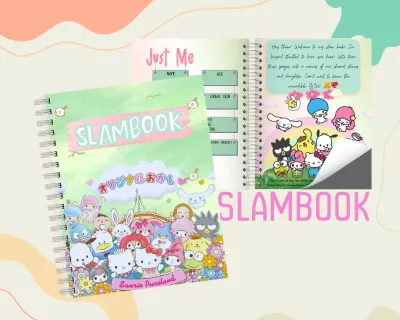
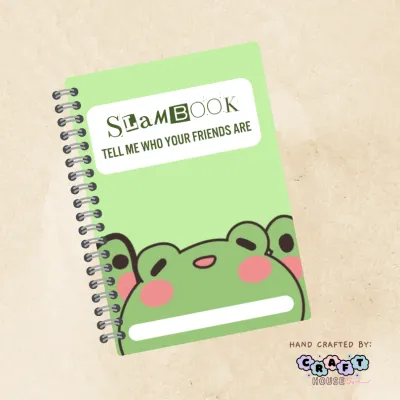
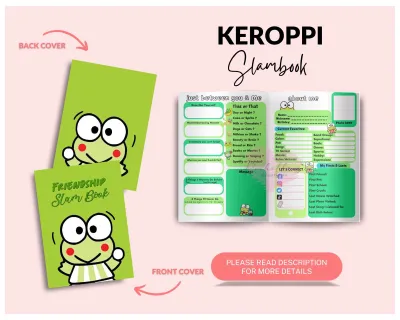
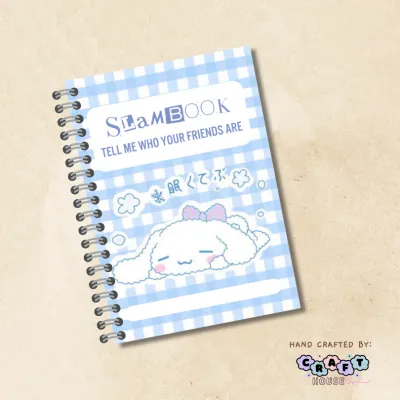
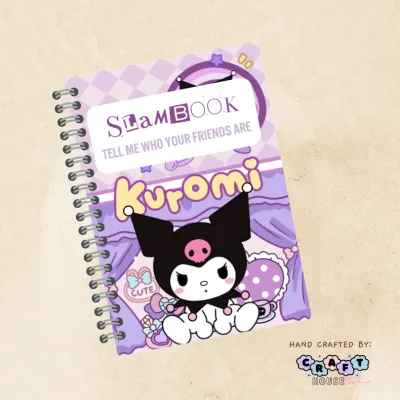
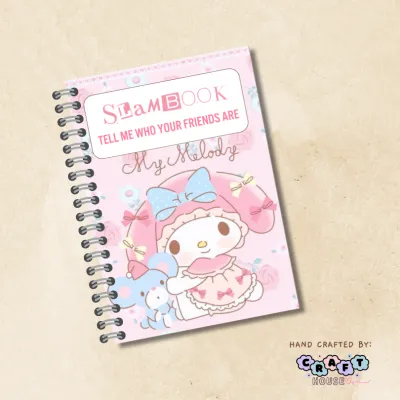

Prices are valid at publication and may change. Please refer to the product page for the latest price.
However, smaller formats present a distinct trade-off. While a pocket notebook is incredibly easy to carry, it limits the signing area, making it difficult for an idol to write a clear signature alongside a personalized message or doodle. Before purchasing, measure your designated concert bag and compare its interior dimensions with the notebook’s specifications to guarantee a seamless fit.
Paper Quality: Preventing Ink Bleed with Autograph Markers
The paper inside your notebook must withstand heavy ink applications from permanent markers and acrylic paint pens. Standard notebook paper is often too thin, causing ink to bleed through to the next page or feather outward, which ruins the clean lines of a signature. To prevent this, look for paper with a weight of at least 120 GSM (grams per square meter), though 160 GSM is highly recommended for heavy paint markers.

The surface finish of the paper also dictates how the ink behaves. Uncoated, high-GSM paper absorbs ink quickly, reducing the risk of smudging when you close the book. However, highly absorbent paper can cause fiber bleed if the marker tip is exceptionally juicy. Coated or semi-glossy paper keeps colors vibrant and lines sharp, but it significantly increases drying time, making it easy to smudge the signature if the notebook is closed too quickly.
Because ink and paper chemistry vary wildly, always perform a trial run at home. Use your intended autograph pen on the very last page of the notebook to observe the drying speed, bleed resistance, and line sharpness. This simple test ensures you will not be caught off guard by slow-drying ink during a fast-paced signing session.
Cover and Portability: Protecting Signatures on the Go
Concert days in tropical climates involve long hours of standing, walking, and navigating dense crowds, which subjects your notebook to physical wear and high humidity. A rigid hardcover is excellent for protecting the pages from bending, folding, or getting crushed inside a packed backpack. Hardcovers also double as a built-in writing desk, allowing the idol to sign smoothly even if there is no table available.
Softcover notebooks are lighter and easier to squeeze into tight bag spaces, but they offer minimal protection against bending. If you choose a softcover, look for water-resistant synthetic materials like polyurethane (PU) leather or plastic covers. These materials shield the paper from sweat, sudden tropical downpours, and spilled drinks in the venue.
Security features like elastic closure bands or snap buttons are invaluable additions. They keep the notebook tightly shut while in transit, preventing loose items in your bag from sliding between the pages and wrinkling your hard-earned autographs. Ensure the closure mechanism is durable and does not add excessive weight to your gear.
Binding and Layout: Ensuring a Smooth Signing Experience
The way your notebook is bound directly affects how easily an idol can sign it. Thread-sewn or case-bound notebooks that lay completely flat when opened are ideal. This flat surface allows the pen to glide smoothly across the center seam without getting caught in a deep fold, ensuring the signature remains unbroken.
Spiral or wire-bound notebooks are also highly functional because they can be folded back 360 degrees, saving precious space in tight seating areas. However, the metal or plastic coils can sometimes obstruct the signer’s hand, especially if they are left-handed. Avoid tightly glued perfect-bound notebooks that spring shut on their own, as holding the pages open while trying to sign creates unnecessary friction.
For the interior layout, blank pages are universally preferred over lined or dotted options. Blank paper provides an unobstructed canvas that keeps the focus entirely on the autograph and any accompanying doodles. If you plan to remove the signatures later to frame them, look for notebooks featuring clean micro-perforated pages that tear out neatly without ripping.
Event Preparation: Setting Up Your Notebook for Quick Signing
At a K-pop fan meeting or high-touch event, you will only have a few seconds with each artist. Preparing your notebook beforehand ensures a seamless interaction. If the event allows personalized signing, pre-paste a photo of the specific member on the left page, leaving the right page completely open for their signature. This clear visual cue helps the artist immediately understand where to sign.
In standing-room-only sections or crowded queues, you cannot rely on finding a flat surface. Bringing a small, rigid acrylic backing board or a sturdy clipboard can provide the necessary stability if your notebook has a flexible cover. Clip the active page to the board so it remains completely still when handed to the artist.
Finally, use bright, easily identifiable sticky notes or page flags to mark the exact pages you want signed. This allows you, or the staff assisting the artists, to flip directly to the correct spot instantly. Eliminating the need to fumble through blank pages saves precious seconds, allowing you to focus on enjoying your brief interaction with the idol.
Frequently Asked Questions (FAQ)
Can I use a regular school notebook for K-pop autographs?
Standard school notebooks are generally unsuitable for K-pop autographs because their paper is too thin, typically ranging from 50 to 70 GSM. When used with permanent markers or paint pens, this thin paper allows ink to bleed through to multiple pages and causes the lines to feather and blur. Additionally, the blue or gray lines of ruled school paper distract from the visual appeal of the signature, making blank, premium paper a much better choice for preservation.
What type of pen should I bring for the autograph notebook?
You should select a pen that matches your notebook’s paper type, focusing on quick-drying, fade-resistant, and highly opaque inks. Paint markers and permanent pigment pens are popular for their vibrant look, but you must check the manufacturer’s label to verify their drying speed and compatibility with coated surfaces. Always test the pen and paper combination together at home to ensure the ink dries fast enough to prevent smudging when the notebook is closed.
Community discussion
Share your experience or ask a question. Comments are reviewed before publication.