
Finding the ideal 4cm satin ribbon for gift wrapping in the Philippines requires balancing aesthetic appeal with structural performance. The 4cm width serves as a highly versatile standard, offering enough presence to stand out on medium-to-large gift boxes without overwhelming the overall design. For those selecting Arrow satin ribbons, the optimal choice depends on the specific wrapping style, the weight of the gift box, and how the material behaves under local tropical conditions. High humidity can cause lower-quality ribbons to lose their crispness, making it essential to evaluate the fabric’s physical properties before committing to a bulk purchase. By focusing on material density, edge construction, and colorfastness, you can ensure your gift presentations remain pristine from the moment they are wrapped until they are opened.
Key Selection Criteria for 4cm Satin Ribbons
To achieve professional-looking gift wraps, the physical characteristics of the ribbon must match the structural demands of your bows. A primary consideration is the fabric density and weight of the polyester or nylon fibers. When a ribbon is too thin or loosely woven, structured bows like classic multi-loop designs will quickly sag or collapse, especially in warm, humid environments. You can test this by pinching a small section of the ribbon; it should feel substantial and spring back slightly when compressed, indicating a tight weave that can support its own weight.
Edge finishing is another critical factor that directly impacts the durability of your gift presentation. High-quality 4cm satin ribbons typically feature woven edges that naturally resist fraying. Lower-grade options may have heat-cut edges that feel scratchy and are prone to unraveling if snagged during the wrapping process. Inspecting the edges for a smooth, consistent border ensures that the ribbon can handle tight pulling, knotting, and manipulation without shedding loose threads onto your wrapping paper.
Products mentioned in this guide
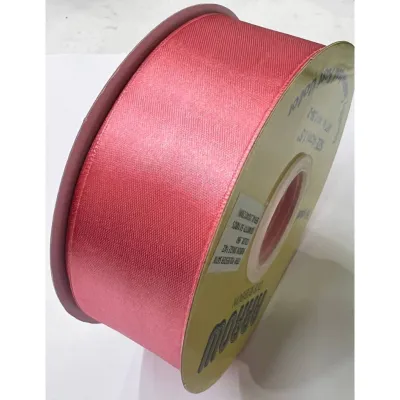
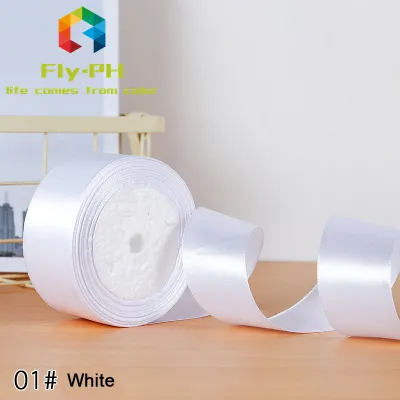
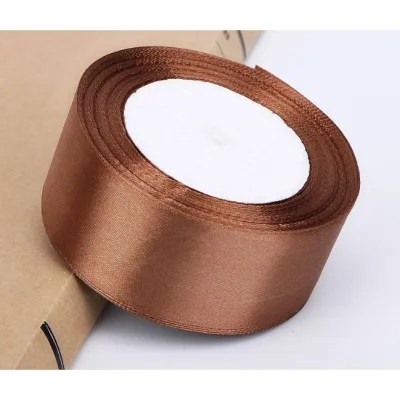
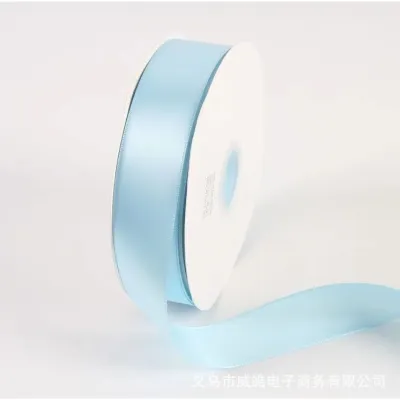
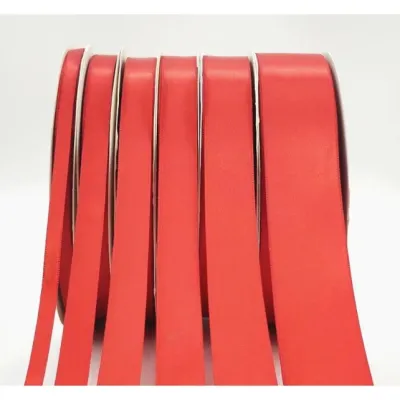
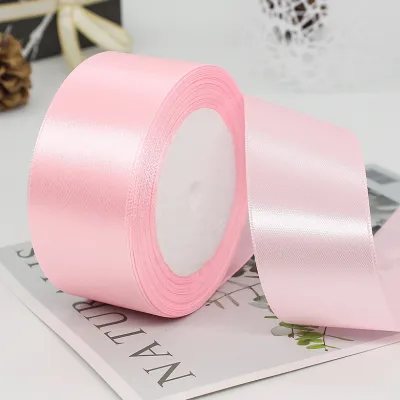
Prices are valid at publication and may change. Please refer to the product page for the latest price.
Surface sheen consistency and colorfastness are vital for maintaining a premium appearance. A quality satin ribbon should exhibit a uniform luster across its entire length, without dull patches or streaking. Because tropical sunlight and humidity can accelerate color fading or cause dye transfer, it is wise to perform a quick rub test. Gently rub a damp white cloth against a small section of the ribbon to verify that the dye does not bleed, which protects both your hands and light-colored wrapping papers from accidental staining.
Evaluating Color Options and Visual Finishes
The visual impact of your gift wrapping relies heavily on matching the ribbon’s finish to the occasion and the texture of your wrapping paper. Satin ribbons generally come in single-faced or double-faced varieties. Single-faced satin features a glossy, lustrous front and a matte, slightly textured back, which requires careful twisting during the wrapping process to keep the shiny side facing outward. Double-faced satin, while often carrying a higher price point in ₱, offers a uniform glossy finish on both sides, simplifying the tying process and ensuring a luxurious look from every angle.

Color selection should harmonize with local cultural traditions and seasonal events in the Philippines. For year-end holiday wrapping, rich forest greens, deep reds, and metallic golds are classic choices that pair beautifully with kraft paper or patterned wrap. For weddings and formal celebrations, soft pastels, champagne, and classic white or cream ribbons provide an elegant, understated touch. Corporate gifts often benefit from neutral tones or colors that align with brand identities, projecting a professional and polished image.
When purchasing ribbon rolls, look closely for signs of dye inconsistency. In lower-quality manufacturing runs, the color may vary slightly from the outer layers of the spool to the inner core, or display subtle banding. Unrolling a meter of the ribbon under natural light allows you to check for these variations. Consistent coloration ensures that if you are wrapping multiple gifts for a single event, the presentation remains cohesive and visually unified.
Where to Buy and How to Verify Quality
Acquiring Arrow satin ribbons in the 4cm width can be done through several channels in the Philippines, ranging from physical wholesale markets to digital storefronts. Local stationery suppliers, traditional craft stores in bustling commercial districts, and major bookstore chains frequently stock these ribbons in various roll lengths. Online marketplaces and specialized ecommerce platforms offer the convenience of door-to-door delivery, which is highly practical for sourcing specific color codes or purchasing in bulk for large-scale events.
When shopping in physical stores, you have the advantage of immediate quality inspection. Check the physical roll to ensure it is tightly and evenly wound around its central spool. A loosely wound roll often indicates poor handling or storage, which can lead to deep creases, snags, or dust accumulation on the outer layers. The edges of the wound ribbon should align perfectly; uneven edges suggest that the ribbon may have been stretched or warped during the spooling process.
For online purchases where physical inspection prior to payment is impossible, verifying the seller’s reputation becomes your primary line of defense. Look for detailed product descriptions that explicitly state the ribbon’s width as 4cm and specify whether it is single-faced or double-faced. Review customer feedback for mentions of accurate color representation and secure packaging. It is also beneficial to check the seller’s return and exchange policies, particularly when ordering large quantities, to ensure you can resolve any discrepancies in color or quality without hassle.
Practical Wrapping Applications for 4cm Width
The 4cm width is highly adaptable, making it suitable for a wide range of wrapping techniques. For a clean and modern aesthetic, a simple single-loop bow or a flat band secured with double-sided tape works exceptionally well on rectangular boxes. If you prefer a more dramatic presentation, the 4cm width provides the ideal structural support for multi-loop floral bows or pom-pom styles. The width is substantial enough to create volume, yet pliable enough to be gathered tightly at the center with florist wire or a thin string.
Pairing your ribbon with the right wrapping paper texture enhances the overall tactile experience. Smooth, high-gloss satin creates a striking contrast when paired with matte, textured, or organic papers like recycled kraft paper or handmade abaca sheets. Conversely, pairing a glossy ribbon with high-gloss paper can sometimes result in a slippery combination. To prevent the ribbon from sliding off glossy surfaces, ensure your knots are tied firmly at the base, or discreetly apply a small piece of double-sided adhesive tape underneath the ribbon where it crosses the edges of the box.
Tension control is key when working with smooth satin fabrics. Pulling too tightly can crush delicate gift boxes, while loose tension will cause the bow to shift and lose its shape during transport. Practice tying a basic cross-tie on a sample box to gauge how much tension is required to keep the ribbon secure without warping the cardboard. By mastering this balance, your wrapped gifts will maintain their structural integrity and elegant appearance throughout transit and handling.
Frequently Asked Questions (FAQ)
How should I store leftover satin ribbon to prevent creasing?
To preserve the smooth texture of your leftover 4cm satin ribbon, always wind it back onto its original spool as tightly and evenly as possible. Secure the loose end with a small, non-damaging clip, a sewing pin, or a piece of low-tack painter’s tape to prevent the roll from unraveling. If the original spool is damaged, wrapping the ribbon around flat pieces of clean cardboard can also prevent unwanted folds.
Store your spools in a dedicated, dust-free container away from direct sunlight, which can fade vibrant dyes over time. In the humid climate of the Philippines, keeping a few silica gel packets inside your storage box is an effective way to absorb excess moisture. This simple step helps prevent the fabric from developing a musty odor or losing its structural crispness during storage.
What is the best way to cut satin ribbon without fraying the edges?
Achieving a clean, professional edge on a 4cm satin ribbon requires using highly sharp fabric shears. Standard household or office scissors often dull quickly and will chew through the delicate polyester fibers, leaving a jagged, frayed edge. Dedicate a pair of scissors exclusively to fabric and ribbon cutting to maintain their sharpness over time.
For the cleanest look, cut the ribbon at a sharp 45-degree angle or in a classic V-shape. If the ribbon is made of synthetic fibers like polyester, you can carefully seal the cut edges using a heat source, such as a lighter or a candle. Hold the cut edge near—but not directly in—the flame for a fraction of a second to melt the fibers slightly, creating a permanent barrier against fraying. Always perform this step in a well-ventilated area, keep a safe distance from flammable wrapping papers, and ensure children are supervised.
Can I wash or iron satin ribbon if it gets wrinkled?
If your satin ribbon becomes wrinkled or creased, it is often possible to restore its smooth finish using a household iron. Before applying heat, check the manufacturer’s label or product specifications to confirm the fiber content, as synthetic materials like polyester can easily melt under high temperatures. Always conduct a small spot test on an inconspicuous end of the ribbon first.
To iron the ribbon safely, set your iron to its lowest heat setting, typically labeled for synthetics or silk, and turn off the steam function to avoid water spotting. Place a clean, thin cotton pressing cloth or a sheet of parchment paper over the ribbon to act as a protective barrier. Gently glide the iron over the cloth in smooth, continuous motions, avoiding prolonged contact in any single spot to prevent scorching or distorting the fabric.
Community discussion
Share your experience or ask a question. Comments are reviewed before publication.