
Selecting the right prayer cards for Catholic milestones and memorial services requires careful consideration of both theological meaning and material durability. These small, sacred keepsakes—often referred to as holy cards or “estampitas”—serve a dual purpose. They act as a physical aid for personal devotion and stand as a lasting memento of a significant spiritual event. To choose the most appropriate card, you must align the imagery, prayer selection, and paper specifications with the specific sacrament or ceremony being celebrated.
Historically, these cards have been used to foster daily prayer and commemorate sacred transitions. By understanding the standard elements of these cards and matching them to the unique requirements of baptisms, First Communions, and funerals, you can select a design that respects Catholic tradition while offering a beautiful, long-lasting keepsake for your family and guests.
Understanding the Purpose and Elements of Catholic Prayer Cards
Every traditional prayer card consists of three core components: the front imagery, the back prayer, and the personalization details. The front features sacred art, an icon, or a symbolic illustration that reflects the specific grace of the occasion. The reverse side contains a carefully selected prayer, scripture passage, or liturgical text, accompanied by the name of the recipient, the date of the event, and the name of the parish where the sacrament took place.
Products mentioned in this guide
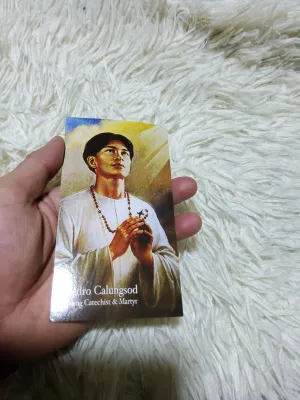
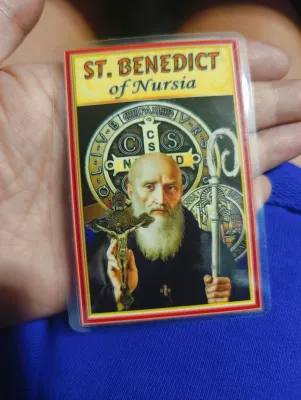
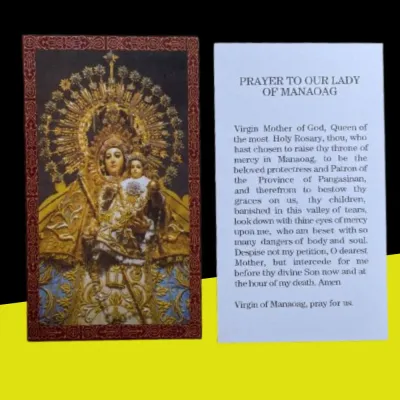
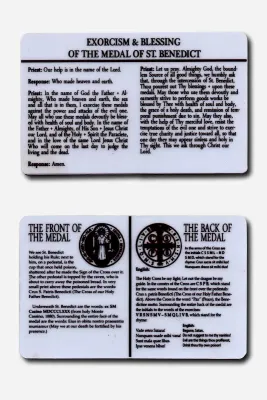
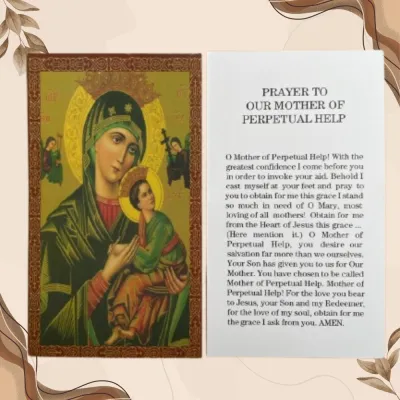
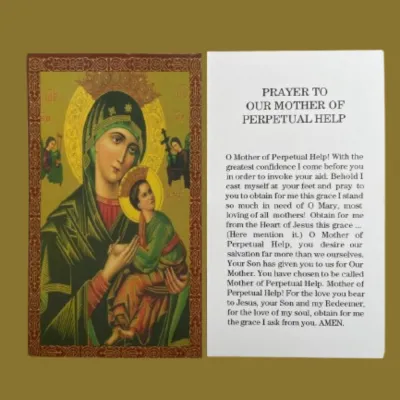
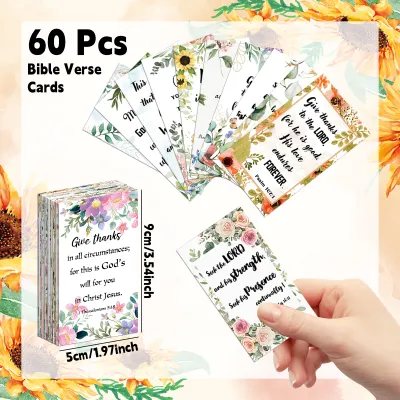
Prices are valid at publication and may change. Please refer to the product page for the latest price.
These cards are far more than simple event favors. In Catholic practice, they serve as active devotional tools that recipients slip into missals, place on home altars, or carry in their wallets as daily reminders of faith. Because they are intended to be kept for years, or even generations, the quality of the paper, the clarity of the printing, and the durability of the finish are just as important as the spiritual content itself.
When choosing these keepsakes, it is helpful to view them as physical markers of a community’s shared prayers. Whether welcoming a child into the Church or bidding farewell to a loved one, the card you distribute represents a tangible connection to a moment of profound grace. Selecting high-quality materials ensures this connection remains intact long after the ceremony concludes.
Baptism Prayer Cards: Welcoming a New Life
The Sacrament of Baptism marks the beginning of a soul’s spiritual journey, demanding imagery that emphasizes purity, rebirth, and the welcoming presence of the Holy Spirit. Traditional designs feature clean, soft pastel palettes—such as pale blues, gentle pinks, soft creams, and light gold accents. These colors visually represent the washing away of original sin and the light of Christ entering the newly baptized child.

Common symbols for baptismal cards include a white dove representing the Holy Spirit, a baptismal font, a scallop shell with water droplets, or guardian angels watching over a sleeping infant. These images immediately convey the theological reality of the sacrament. When selecting illustrations, look for clean, high-resolution vector designs or classic fine art reproductions that print clearly on textured paper.
For the reverse side, the Guardian Angel Prayer (“Angel of God, my guardian dear…”) remains a timeless and beloved choice, especially for infant baptisms. Other appropriate options include traditional baptismal blessings, short prayers of dedication written by the parents, or scripture verses focusing on rebirth, such as passages from the Gospel of John or the Psalms.
Because baptismal cards are often preserved by parents and godparents in baby books or memory boxes, they require durable materials. A heavy cardstock of at least 300 gsm (grams per square meter) provides a sturdy, premium feel. Given the humid tropical climate of the Philippines, untreated paper can easily warp or absorb moisture over time. Opting for a light matte lamination protects the delicate pastel colors from fading and prevents the cards from sticking to plastic photo sleeves or other paper keepsakes.
First Communion Prayer Cards: Celebrating a Spiritual Milestone
First Holy Communion is a milestone of deep reverence, celebrating a child’s first reception of the Eucharist. The design and imagery of these cards should center directly on the Blessed Sacrament. Traditional color schemes rely heavily on stark whites, deep creams, and rich gold or silver accents to signify the purity and solemnity of the Eucharistic feast.
Appropriate imagery for First Communion cards features the Chalice and Host, sheaves of wheat, clusters of grapes, or a monstrance. Illustrations of children in prayerful postures—such as kneeling with hands clasped or holding a rosary—are also highly traditional and relatable for young communicants. Gold foil stamping is a popular addition here, adding a luminous, reflective quality that highlights the sacred nature of the Host and Chalice.
For the prayer selection, the Anima Christi (“Soul of Christ, sanctify me…”) is an exceptionally rich and traditional Eucharistic prayer that encourages deep post-communion reflection. Other excellent choices include the Prayer Before Communion, the Act of Contrition, or simple, age-appropriate prayers of thanksgiving for the gift of the Eucharist. These texts help guide the young communicant and their peers in their developing prayer lives.
Since these cards are distributed to classmates, friends, and family members, they will experience a significant amount of handling. Sturdy 350 gsm cardstock is highly recommended to withstand enthusiastic young hands. For safety and longevity, consider ordering cards with rounded corners. Rounded corners prevent accidental paper cuts and protect the card from fraying or bending when slipped into pockets, wallets, or small prayer books. If you choose gold foil accents, verify with the printer that a high-quality hot-foil stamping process is used, ensuring the metallic elements do not flake off during handling.
Funeral Prayer Cards: Honoring a Life and Offering Comfort
Funeral prayer cards, often called memorial cards, serve as a source of comfort for grieving family and friends while requesting prayers for the repose of the soul of the deceased. The tone of these cards must be dignified, respectful, and filled with Christian hope in the Resurrection. Color palettes generally lean toward muted tones, deep charcoal, classic black and white, or soft, serene natural colors.
Imagery should focus on the promise of eternal life. Peaceful landscapes, such as a quiet sunset or a calm sea, are common choices, as are traditional Catholic symbols like the crucifix, the Sacred Heart of Jesus, the Immaculate Heart of Mary, or white lilies, which symbolize the purity of the soul restored in death. Many families also choose to include a high-resolution, respectful portrait of the deceased on the front or back of the card.
Traditional prayers for memorial cards include the Requiem Aeternam (“Eternal rest grant unto them, O Lord…”), Psalm 23 (“The Lord is my shepherd…”), or the Prayer of St. Francis (“Lord, make me an instrument of your peace…”). You can also include a brief, personalized tribute or a favorite scripture verse that held special meaning for your loved one during their earthly life.
Standard funeral cards are double-sided flat cards printed on heavy cardstock. A matte finish is highly recommended for memorial services because it reduces glare under chapel lights and resists fingerprint smudges as the cards are shared among guests. Typography should favor classic, highly legible serif fonts like Garamond or Baskerville to ensure the text is easily readable for guests of all ages. Additionally, it is common practice to include a brief family acknowledgment or a request for charitable donations to a preferred parish ministry or Catholic charity in lieu of flowers on the back of the card.
Choosing the Right Materials and Formats for Catholic Prayer Cards
When ordering and personalizing your cards, understanding physical specifications ensures the final product meets your expectations and stands the test of time. The standard size for a flat Catholic prayer card is 2.5 by 4.25 inches (approximately 63.5 by 108 mm). This traditional dimension is highly practical, as it fits perfectly inside standard wallets, missal covers, and greeting card envelopes.
If you have a longer prayer, a detailed biography, or wish to include multiple images, a folded bifold card is an excellent alternative. Folded cards double the printable surface area while maintaining a compact footprint when closed. Whichever format you choose, pay close attention to the paper weight and texture. A cardstock weight between 300 gsm and 400 gsm offers the best balance of stiffness and premium feel. Linen-textured paper adds an elegant, tactile cross-hatch pattern, while smooth matte cardstock provides excellent contrast and clarity for printed text and detailed portraits.
To ensure the longevity of your cards in warm, humid climates, ink selection is critical. Request pigment-based inks rather than dye-based inks from your printer. Pigment inks offer superior water resistance, bleed resistance, and UV fade resistance, preventing the text and imagery from running or yellowing over time. If the cards will be handled frequently, applying a protective matte or gloss laminate layer provides an extra barrier against moisture and skin oils.
When personalizing your cards, double-check all details before final approval. Ensure that names, dates, church names, and Latin liturgical phrases are spelled correctly. For logistics, estimate your required quantity by reviewing your guest list and adding a 10% to 15% buffer for unexpected attendees or late arrivals. Custom printing, proofing, and finishing typically require a lead time of two to three weeks, so plan your order well in advance of the scheduled ceremony to avoid rush shipping fees or unexpected delays.
Frequently Asked Questions (FAQ)
Can I use the same prayer card design for different sacraments?
While you can use a unified aesthetic style across different family events, using the exact same prayer card design for different sacraments is not recommended. Each Catholic sacrament has distinct theological meanings and symbols. A baptism card focuses on water, light, and rebirth, whereas a First Communion card centers on the Eucharist, and a funeral card emphasizes the Resurrection and eternal rest. Using sacrament-specific imagery and prayers maintains theological accuracy and honors the unique grace of each milestone.
What is the standard size for a Catholic funeral prayer card?
The standard size for a flat Catholic funeral prayer card is 2.5 by 4.25 inches. This traditional wallet-sized format makes it easy for guests to carry the card with them in a purse, wallet, or prayer book. Folded bifold designs or bookmark-style memorial cards will have different dimensions, but they are typically designed to remain compact and highly portable.
How far in advance should I order personalized prayer cards?
It is best to order personalized prayer cards at least two to three weeks before the scheduled ceremony. This timeline allows adequate time for design customization, physical or digital proofing, printing, and shipping. For sudden events like funerals, many local printers offer expedited 24- to 48-hour turnaround times, but you should always verify specific production and delivery schedules directly with your chosen provider.
Community discussion
Share your experience or ask a question. Comments are reviewed before publication.