
Personalized name bracelets have transitioned from simple childhood crafts to stylish, bold fashion statements for all ages. At the center of this trend are chunky letters—oversized alphabet beads that instantly draw the eye and make a clear, readable statement on the wrist. Selecting the right beads involves more than just picking out your favorite colors; it requires a practical understanding of physical dimensions, material durability, and technical compatibility with your stringing materials.
A successful jewelry project balances these large focal pieces with the right cord thickness, secure knotting techniques, and comfortable spacing to ensure the finished piece is both wearable and durable. This guide explores the essential factors of choosing chunky letter beads, comparing the most popular materials on the market, and walking you through the technical steps required to assemble a professional-looking name bracelet. By focusing on structural integrity and design harmony, you can create personalized jewelry that withstands daily wear while looking exceptionally polished.
Key Factors to Consider Before Buying Chunky Letter Beads
Bead Dimensions vs. Wrist Proportion The term “chunky” generally refers to beads with a width, height, or diameter between 10mm and 20mm. When selecting beads, you must consider how this physical scale translates to the wearer’s wrist. For a child’s wrist (typically 12 cm to 14 cm in circumference), beads larger than 10mm can quickly become bulky, restricting movement and causing the bracelet to twist awkwardly. For adult wrists (averaging 15 cm to 18 cm), larger beads in the 12mm to 16mm range offer a balanced, intentional statement look without overwhelming the arm.
Products mentioned in this guide
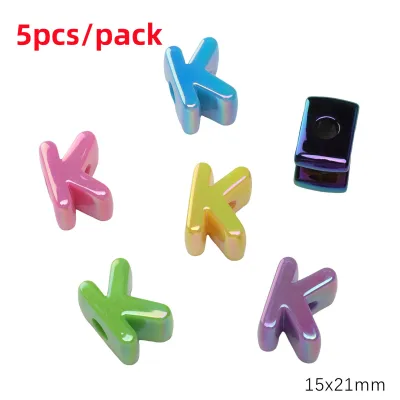
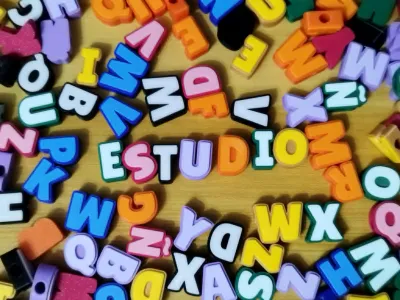
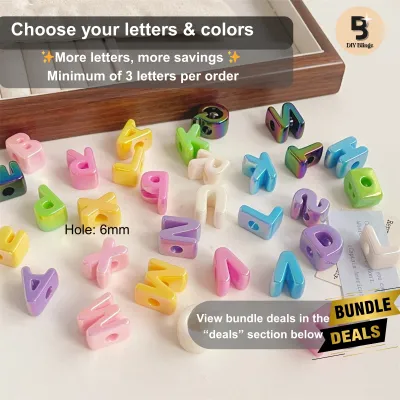
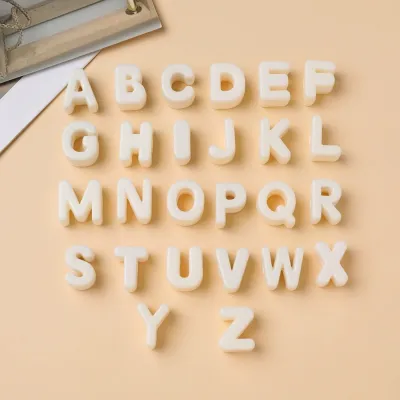
Prices are valid at publication and may change. Please refer to the product page for the latest price.
The thickness or depth of the bead also plays a critical role in how the bracelet sits against the skin. Flat, coin-shaped chunky letters lie relatively flat, making them comfortable for daily wear, whereas cube-shaped or spherical chunky beads protrude significantly. This protrusion increases the risk of the bracelet catching on clothing, desk edges, or bag straps during daily activities. If you plan to wear the bracelet while typing or working, choosing flatter chunky profiles will prevent discomfort and minimize physical impact on the beads.
Hole Diameter Importance The single most common point of failure in DIY bracelet making is a mismatch between the bead’s internal hole diameter and the stringing cord. Chunky letter beads, due to their overall mass, frequently feature larger drill holes, typically ranging from 2mm to 5mm. While a large hole makes threading incredibly easy, it introduces a major structural challenge: standard jewelry knots are often too small to act as a stopper. If the knot slips inside the bead’s cavity, the entire bracelet can unravel or lose its tension, leading to lost beads and broken designs.
Conversely, if you attempt to use a thick, durable cord like a 2mm leather strip or a heavy braided nylon thread, you must verify that every single letter bead in your set can accommodate that thickness. Handmade or natural material beads, such as wood or hand-poured resin, often exhibit slight variations in hole consistency. A bead with a partially blocked or narrower hole can halt your project entirely mid-stringing, forcing you to manually re-drill the opening or source a replacement letter.
Letter Availability and Font Style Before purchasing a bulk pack of chunky letter beads, it is vital to inspect the character distribution of the set. Many pre-packaged collections are sold by weight or random assortment, which frequently results in an abundance of low-use letters like Q, X, Z, and J, while leaving you short on essential vowels (A, E, I, O) and common consonants (S, T, R, N, L). If you are creating specific personalized gifts, look for suppliers that allow you to purchase individual letters or offer “vowel packs” to supplement your inventory, preventing the frustration of having half-finished names.
The typeface or font style molded or printed onto the bead also dictates the overall aesthetic and readability of your design. Bold, capitalized block letters offer the highest legibility from a distance and are excellent for casual, sporty, or streetwear-inspired bracelets. Stylized fonts, such as cursive, bubble letters, or metallic-embossed scripts, add an artisanal or elegant touch but can sometimes be difficult to read if the beads rotate on the wrist. Ensure the contrast between the letter engraving and the bead background is sharp enough to be legible under typical lighting conditions.
Top Types of Chunky Letter Beads for Different Bracelet Styles
Acrylic Chunky Letter Beads
Acrylic remains the most widely accessible and versatile material for chunky letter beads, offering an extensive array of colors, finishes, and shapes. From vibrant neon shades and soft pastels to translucent glitter and metallic-plated surfaces, acrylic beads allow for endless creative expression. Because acrylic is highly lightweight, you can string multiple large letters together without making the bracelet feel heavy or drag down the wearer’s wrist, which is particularly beneficial for children’s jewelry or multi-layered stack bracelets. Budget-friendly acrylic sets often cost under ₱100 for a pack of 100 beads, making them an economical choice for large group activities or party favors.

Despite their visual appeal and ease of use, acrylic beads have specific physical limitations that you should consider before purchasing. The surface of molded acrylic is relatively soft, making it susceptible to fine scratches and scuffs from daily contact with hard surfaces like desks or metal watch buckles. Additionally, many budget-friendly acrylic beads feature painted or foiled letters on the surface; over time, friction against skin, clothing, and daily washing can cause these printed letters to rub off, leaving you with blank blocks.
To ensure the longevity of your acrylic bead designs, look for options where the letters are deeply engraved into the plastic and filled with contrasting enamel, rather than simply printed on the surface. If you plan to wear your bracelets outdoors under the intense sun of tropical regions like the Philippines, check product descriptions for UV-stabilized acrylics or colorfastness claims. Prolonged exposure to sunlight and sweat can cause low-grade clear acrylics to turn yellow and vibrant neon colors to fade prematurely, so choosing high-quality, solid-core acrylic beads is key to maintaining their original look.
Wooden Chunky Letter Beads
For those who prefer a natural, organic, or bohemian aesthetic, wooden chunky letter beads provide an excellent alternative to synthetic plastics. These beads offer a warm, tactile experience, a pleasant natural weight, and unique grain patterns that make every piece feel distinct. Wooden alphabet beads are typically engraved or laser-burned, which ensures the letters will never rub off or fade, maintaining their readability for years to come. They pair beautifully with earthy spacer beads like coconut shells, terra cotta, or matte stone rounds.
However, wood is a highly porous material, which introduces specific care and durability challenges. In humid climates, unsealed wood readily absorbs moisture from the air, rain, and body sweat. This absorbed moisture can cause the wood fibers to swell, potentially cracking the bead or causing the internal drill hole to warp and pinch the stringing cord. Over time, constant exposure to dampness without proper drying can lead to discoloration, structural weakening, or even the growth of mold within the bead’s pores.
When shopping for wooden chunky beads, it is crucial to verify whether the wood has been properly sealed, varnished, or treated with a protective, water-resistant coating. A high-quality polyurethane, lacquer, or natural beeswax sealant protects the bead from sweat, humidity, and occasional splashes of water. If the manufacturer’s description does not specify a finish, you can apply a thin coat of clear, non-toxic varnish or wood conditioning oil yourself before stringing, ensuring the beads remain beautiful and structurally sound through daily wear in tropical climates.
Resin and Polymer Clay Chunky Letter Beads
Resin and polymer clay chunky letter beads represent the pinnacle of artisanal and custom jewelry design. Polymer clay beads, often handmade by independent crafters, feature vibrant, clay-slice patterns, whimsical shapes, and a soft, matte texture that feels comfortable against the skin. Cast epoxy resin beads, on the other hand, offer unmatched customization potential; they can encapsulate miniature elements such as gold leaf, dried flower petals, colorful confetti, or holographic glitter, transforming each letter into a miniature work of art.
While these materials offer incredible visual depth, they require careful handling due to their physical properties. Polymer clay can become brittle if it was not cured at the correct temperature during manufacturing, making the beads prone to chipping or snapping along the drill hole if the bracelet is dropped on a hard tile floor or stretched too forcefully. Resin beads are incredibly durable but are heavier than acrylic; a bracelet spelling a long name entirely in chunky resin blocks can feel noticeably weighty on the wrist, which may not suit users who prefer lightweight jewelry.
Before purchasing resin or polymer clay beads, check the manufacturer’s specifications regarding their curing processes and material safety. Because these beads sit directly against the skin for extended periods, they must be made from fully cured, non-toxic, and hypoallergenic materials to prevent contact dermatitis, especially in warm climates where sweat can increase skin sensitivity. Opt for reputable artisans who explicitly state that their products are lead-free, phthalate-free, and skin-safe, ensuring your custom creations are both beautiful and safe to wear.
Matching Bead Size and Hole Diameter to Your Stringing Material
Understanding Standard Hole Sizes Chunky beads do not follow a single manufacturing standard, which means their internal hole diameters can vary widely even within the same product category. Molded acrylic beads tend to have very consistent, smooth internal channels, usually measuring between 2mm and 3mm. Handmade wooden, resin, or polymer clay beads, however, can have irregular holes ranging from 2.5mm to over 5mm due to the manual drilling or molding processes used. Knowing these measurements beforehand prevents the frustration of buying a beautiful set of beads only to find your cord cannot pass through them.
Cord Selection The choice of stringing material dictates both the assembly process and the lifespan of your name bracelet. For classic, easy-to-wear slip-on bracelets, elastic polyurethane (TPU) cord is the preferred choice. When working with chunky beads, avoid thin 0.5mm or 0.7mm elastics, as the weight of the large beads will stretch the cord out of shape, causing the bracelet to sag. Instead, opt for heavy-duty elastic cords measuring 1.0mm to 1.2mm in thickness, which provide the structural tension needed to hold heavy beads in a neat circle.
If you prefer non-stretch designs, options like waxed polyester cord, braided nylon thread, or leather cord offer excellent durability and a premium feel. Waxed cords are especially useful for chunky beads because the wax coating prevents fraying during the threading process and helps hold knots securely. When using non-stretch cords, you will need to incorporate jewelry findings, such as lobster clasps, crimp beads, and jump rings, or use adjustable sliding knots (like a double fisherman’s knot) to allow the wearer to put the bracelet on and take it off easily.
The “Double-Pass” Technique If your chunky letter beads have exceptionally large holes (4mm to 5mm) and you are using a relatively thin cord, the beads may wobble, tilt, or sit unevenly on the wrist. To solve this, you can utilize the double-pass technique. This involves looping your stringing cord through the bead’s hole a second time, effectively doubling the thickness of the cord inside the bead. This technique fills the excess space, stabilizes the chunky bead so it faces forward, and adds an extra layer of structural security to the entire bracelet. Always verify that your cord’s doubled diameter is slightly smaller than the bead’s hole before attempting this method.
Safety and Verification Check Before stringing an entire personalized bracelet, always perform a quick physical test with a single bead and your chosen cord. Thread the bead onto the cord, tie your intended knot—such as a surgeon’s knot for elastic or a square knot for nylon—and pull firmly. Observe whether the knot slips inside the bead’s hole or holds securely on the outside. If the knot slips inside, you must add a small, durable “stopper” bead (such as a 3mm metal or glass seed bead) directly adjacent to the letter bead to prevent the knot from passing through. If you plan to use jewelry adhesive to secure your knots, always check the manufacturer’s safety instructions for application, ventilation, and curing times, and test a small drop on a scrap piece of cord first to ensure it does not degrade the elastic material.
Quick Comparison: Chunky Letter Bead Materials at a Glance
To help you decide which material aligns best with your design goals and technical requirements, refer to the comparison table below. Be sure to check the specific manufacturer product labels for any protective sealants or structural treatments before making a purchase.
| Material Type | Typical Bead Width | Estimated Hole Diameter | Best Aesthetic | Key Pre-Purchase Check |
|---|---|---|---|---|
| Acrylic | 10mm – 15mm | 2.0mm – 3.0mm | Vibrant, playful, modern | Verify if letters are engraved or surface-printed |
| Wooden | 12mm – 20mm | 2.5mm – 4.0mm | Rustic, organic, bohemian | Check for sweat-resistant varnish or sealant |
| Resin / Clay | 10mm – 18mm | 2.0mm – 3.5mm | Artisanal, custom, detailed | Confirm skin safety and full curing specifications |
Step-by-Step Guide to Planning Your Name Bracelet Layout
Measuring and Ease To create a bracelet that fits comfortably without pinching the skin or slipping off, start by measuring the wrist accurately. Wrap a flexible sewing tape measure or a simple strip of paper around the widest part of the wrist bone, then lay the paper flat against a ruler to find the exact circumference. Once you have this baseline measurement, you must add “ease” to account for the physical thickness of the chunky beads. Because thick beads curve inward when the bracelet is closed, they reduce the internal diameter of the loop. Add 1.5 cm to your measurement for a snug, secure fit, or 2.0 cm to 2.5 cm for a relaxed, comfortable drape.
Calculating Letter Length Before cutting your cord, calculate the exact physical space your personalized name will occupy on the bracelet. You can do this using a simple formula: multiply the number of letters in the name by the width of an individual chunky bead. For example, if you are spelling the name “SOPHIA” using 12mm chunky letter beads, the calculation is 6 letters multiplied by 12mm, which equals 72mm (or 7.2 cm). Knowing this length allows you to determine exactly how much space remains for your background and spacer beads on either side of the name, ensuring the letters remain centered on top of the wrist.
Balancing with Spacer Beads Once you know the length of the name section, subtract it from your target finished bracelet length to find the remaining space. If your target length is 18 cm and your name section takes up 7.2 cm, you have 10.8 cm of space left to fill. To keep the design visually balanced, divide this remaining length by two (5.4 cm) and place an equal amount of spacer beads on both the left and right sides of the name. Excellent spacer options for chunky letters include flat polymer clay discs, small wooden rounds, or metallic accent beads, which provide a smooth transition in size and allow the bracelet to flex comfortably around the wrist.
Knot Allowance When cutting your elastic or non-stretch cord, always leave plenty of excess length on both ends—typically 8 cm to 10 cm of extra cord per side. Trying to tie a secure knot with short, tight tails is incredibly difficult and often results in losing tension or dropping beads. For elastic bracelets, use a surgeon’s knot (a standard overhand knot with an extra pass through the loop) and pull it tight from all four strands to lock it in place. Ensure there is a hollow-core spacer bead or a large-hole letter bead adjacent to the knot so you can gently slide the finished knot inside the bead, hiding it from view and protecting it from friction.
Frequently Asked Questions (FAQ)
How many chunky letter beads do I need for an average adult bracelet?
The exact number depends entirely on the width of your chosen letters and the length of the name you are spelling. For an average adult wrist with a target bracelet length of 18 cm, using 12mm chunky letters means the bracelet can hold a maximum of 15 beads total. If you spell a 6-letter name, you will use 6 chunky letter beads, leaving space for approximately 8 to 10 smaller spacer beads (such as 4mm or 6mm beads) to complete the loop while maintaining flexibility.
Can I mix different styles of chunky letters in one bracelet?
Yes, mixing styles can create a highly personalized, eclectic look, but you must ensure physical and structural compatibility. Verify that the hole diameters of all mixed beads are similar so they sit evenly on the same cord without some beads sagging lower than others. Additionally, try to match the overall thickness (depth) of the beads so the bracelet lies flat against the wrist. Using uniform, small spacer beads between different letter styles can help unify the design visually and structurally.
Community discussion
Share your experience or ask a question. Comments are reviewed before publication.