
Color-changing and gradient art supplies have transformed how students in the Philippines approach creative projects. These innovative tools allow young artists to achieve seamless transitions, dramatic shade shifts, and multi-toned illustrations with a single pen, elevating standard school posters, visual aids, and sketchbook entries. However, selecting the right set for classroom use requires balancing visual novelty with practical performance. Parents and educators must look beyond the initial appeal to evaluate safety, paper compatibility, and long-term value.
In a typical school environment, art supplies undergo heavy use, frequent sharing, and exposure to varying environmental conditions. Choosing a color-changing set is not just about finding the most vibrant hues; it involves understanding how the inks behave on standard paper, how easily students can master the blending techniques, and whether the materials can withstand the tropical climate. By focusing on clear evaluation criteria and practical maintenance, buyers can select kits that inspire creativity without causing classroom frustration.
Understanding Color-Changing and Chameleon-Effect Art Mechanisms
To select the best art supplies for students, it is essential to understand the physical and chemical mechanisms that drive color-changing and gradient effects. These products generally fall into three distinct categories: thermochromic, photochromic, and physical blending systems. Thermochromic inks react to temperature fluctuations, changing color or becoming transparent when exposed to friction, body heat, or warm air, and often reverting when cooled. Photochromic inks, on the other hand, respond to ultraviolet light, shifting shades when taken from an indoor classroom into direct tropical sunlight.
Products mentioned in this guide
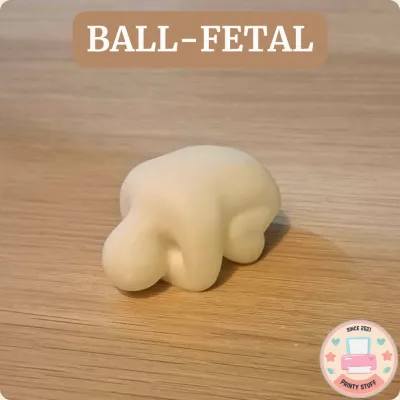
![[8 pose in 1 Set] Meccha Chameleon Character All Poses Meccha Chameleon Unpainted Desk Toy Figurine](https://img.lazcdn.com/g/p/f489633dfbb3091ef921ec96dc14a26c.jpg_400x400q80.jpg_.webp)


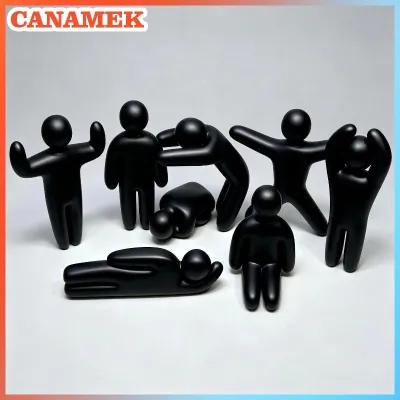
Prices are valid at publication and may change. Please refer to the product page for the latest price.
Gradient and blending systems, such as Chameleon markers, operate on a mechanical dilution principle rather than a chemical reaction. These markers feature a separate blending chamber containing a colorless toning medium or solvent. When the colored marker nib is brought into contact with the blending nib in the chamber, capillary action draws the colorless medium into the colored tip. This temporarily dilutes the pigment at the very end of the nib.
When a student begins drawing, the marker initially lays down a very light, diluted tint. As the student continues to write or color, the colorless medium is gradually used up, and the ink naturally transitions back to its original, fully saturated color. This allows for a smooth, single-pen gradient that eliminates the need for a large collection of intermediate shades.
Student-grade color-changing sets often simplify this process by using dual-tip designs or pre-mixed inks that react to a separate “revealer” or “activator” marker. While these are highly engaging for younger children, they offer less control over the gradient length. Professional-grade and advanced student kits typically feature replaceable nibs, refillable ink reservoirs, and separate blending chambers, providing a more precise and educational experience for older art students.
Safety and Practicality Standards for School Art Classes
Safety is the primary consideration when introducing specialized markers to a classroom environment. Parents and teachers should look for clear non-toxic certifications on the product packaging. Look for international standards such as the Art and Creative Materials Institute (ACMI) AP (Approved Product) seal or European EN71 compliance marks. These certifications verify that the formulation has been evaluated by toxicologists and does not contain harmful solvents, heavy metals, or volatile organic compounds (VOCs) that could pose health risks during prolonged use.

Paper compatibility is another critical factor, especially given the standard paper types used in Philippine schools. Standard intermediate pads, newsprint, and low-gsm sketchbooks are highly porous and prone to severe bleed-through and feathering when paired with heavy ink flow. To evaluate a set’s compatibility, perform an observable test: draw a single, continuous stroke on a sample sheet of school paper and check the reverse side. If the ink spreads rapidly beyond the drawn line or saturates the back of the page, the markers will require heavier mixed-media paper or specialized marker pads to perform correctly.
Tropical climates introduce unique challenges for marker maintenance and longevity. High relative humidity can encourage mold growth on damp paper surfaces, while high ambient temperatures accelerate solvent evaporation if caps are not perfectly sealed. Evaluate the capping mechanism of any prospective set; caps should snap or click firmly into place to create an airtight seal. Additionally, check if the manufacturer offers replaceable nibs and ink refills, as shared classroom use often leads to worn tips long before the ink reservoir is fully depleted.
Smoothness, bleed resistance, and drying speed are highly dependent on the exact combination of ink and paper. Before purchasing bulk sets for a class, conduct a trial run with a single marker on the intended paper medium. Observe how quickly the ink dries to the touch to prevent smudging, and check if the paper fibers begin to pill or tear when multiple layers of ink are applied.
Evaluating Meccha Chameleon and Similar Gradient Systems
When assessing Meccha Chameleon kits or similar gradient systems, the first step is analyzing the blending mechanism’s learning curve. Students must learn to hold the marker vertically with the blending chamber on top to allow gravity and capillary action to transfer the toning medium evenly. Verify this process by reviewing the manufacturer’s instruction manual. A system that requires precise timing (such as holding the chamber in place for a specific number of seconds) may require initial teacher guidance before students can use it independently.
Ink composition is another critical factor to verify through manufacturer specifications. Alcohol-based inks dry almost instantly and blend smoothly, but they often emit a distinct solvent odor that requires a well-ventilated classroom. If your school art room has limited airflow or relies solely on ceiling fans, water-based gradient markers may be a more practical choice. Water-based inks are virtually odorless and wash out of most fabrics more easily, though they dry more slowly and can pill standard paper if applied in multiple layers.
Examine the physical construction of the nibs and blending chambers. High-quality sets feature durable, resilient nibs—such as Japanese super-soft brush nibs—that retain their shape even under heavy pressure from younger students. Check if the blending chambers are securely integrated or if they require delicate handling that could lead to spills or damage during a busy art class.
Consider the versatility of the tips provided in the kit. Dual-tip markers featuring a flexible brush nib on one end and a firm bullet or chisel nib on the other offer the greatest utility for students. The brush nib is ideal for smooth gradients and organic shapes, while the bullet nib allows for precise detail work and outlining.
Classroom Storage, Maintenance, and Troubleshooting
Proper storage orientation is essential to maintain consistent ink flow in dual-tip or chamber-based markers. Most manufacturers recommend storing alcohol-based and gradient markers horizontally. This position ensures that the ink and blending solvents remain evenly distributed between both ends of the marker, preventing one tip from drying out while the other becomes oversaturated.
Establish a strict capping routine in the classroom. Instruct students to listen for the audible “click” that confirms the cap is fully sealed. Even a tiny gap can allow the volatile solvents in alcohol-based inks to evaporate within hours, rendering the marker permanently unusable. In humid tropical environments, keeping markers capped also prevents the nibs from absorbing excess atmospheric moisture, which can dilute the ink prematurely.
If a marker begins to skip or fails to blend properly, follow safe, manufacturer-approved troubleshooting steps. First, verify that the blending chamber is correctly aligned and making full contact with the marker nib. If the nib has dried slightly, try storing the marker horizontally for 24 hours to allow the internal ink pressure to equalize.
Avoid using unauthorized solvents, water, or heat sources to revive alcohol-based markers, as these can permanently alter the chemical composition of the ink and damage the internal reservoir. If a nib becomes contaminated with a different color, gently scribble on a scrap piece of paper until the original color runs clean. If the nib is physically frayed or split, consult the manufacturer’s instructions to see if it can be pulled out and replaced with a fresh tip.
Purchasing Verification and Authenticity Checklist
Before finalizing a purchase, conduct a thorough label and certification review. Authentic art supply sets will display clear manufacturer details, batch numbers, and a complete list of safety certifications. Be wary of packaging that lacks English instructions or displays generic, unbranded labels, as these may contain substandard inks with high VOC levels or poor lightfastness.
Verify the seller’s credentials carefully. When shopping on online marketplaces or ecommerce platforms, prioritize official brand stores, flagship outlets, or authorized stationery distributors. Avoid third-party sellers offering unusually low prices, which often indicate counterfeit products or old stock that has already begun to dry out in storage.
Evaluate the long-term budget impact in Philippine Pesos (₱). While a high-quality gradient set may require a larger initial investment, calculate the cost-per-marker and check the availability of individual replacements and refills. A set that allows you to purchase single replacement markers or ink refills in ₱ is often much more economical over a school year than a cheaper, disposable set that must be entirely replaced when one color runs dry.
Upon receiving the set, perform an immediate unboxing inspection. Test each marker on a scrap piece of paper to verify smooth ink flow and proper blending action. Check for any signs of leakage, cracked barrels, or missing blending components, and contact the retailer immediately if any defects are observed.
Frequently Asked Questions (FAQ)
Can water-based and alcohol-based color-changing markers be used on the same paper?
Yes, but they must be applied with care to avoid damaging the paper fibers. Alcohol-based inks dry quickly and do not warp paper, but they bleed through standard sheets easily. Water-based inks saturate the paper fibers more deeply and can cause standard school paper to warp or pill if applied over alcohol-based layers. For the best results, use a heavy, high-gsm mixed-media paper, and allow the alcohol-based ink to dry completely before applying water-based details.
How do you fix a color-changing marker that is skipping or not blending properly?
Start by checking the physical alignment of the nib and the blending chamber. Ensure the nib is fully seated in the marker body and that the blending tip makes direct, flat contact with it. If the marker is skipping, store it horizontally for 24 hours to redistribute the ink. If the blending chamber itself is dry, verify if it can be refilled with the manufacturer’s official blending fluid; do not attempt to use water or rubbing alcohol unless explicitly instructed by the manufacturer’s guide.
Community discussion
Share your experience or ask a question. Comments are reviewed before publication.