
Choosing the right paint medium from Deovir Art Supplies is the first step toward bringing your creative vision to life. Whether you are standing in front of a display shelf or browsing an online marketplace, the sheer variety of watercolors, acrylics, and oils can feel overwhelming. Each medium possesses distinct chemical properties, drying behaviors, and application techniques that directly influence your painting experience.
To make an informed choice, you must evaluate your personal painting style, your physical workspace, and your willingness to manage specific cleanup routines. Watercolor offers transparent, fluid washes that are highly portable and easy to clean. Acrylic provides a fast-drying, highly versatile film that adheres to almost any surface. Oil paint delivers rich, buttery textures and an extended drying time that allows for seamless, classical blending.
Quick Diagnostic: Match Your Art Style to the Right Deovir Medium
To quickly identify which medium suits your immediate project, consider how you prefer to work. If you enjoy working quickly, layering colors in rapid succession, and painting on diverse surfaces like wood or fabric, acrylic is an excellent match. If you prefer a slow, meditative process where you can blend colors directly on the canvas over several days, oil paint is the traditional choice. For those who value portability, delicate transparency, and a minimalist setup, watercolor is a highly practical option.
Products mentioned in this guide
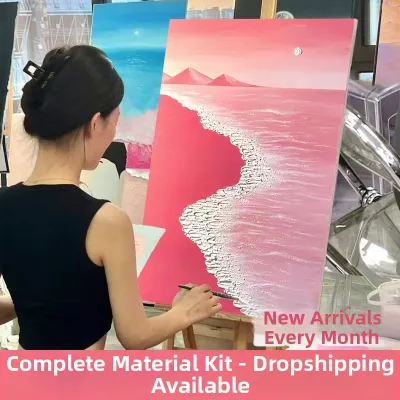
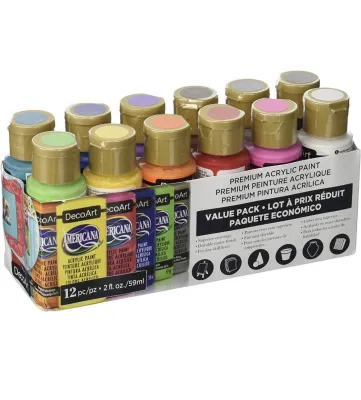
Prices are valid at publication and may change. Please refer to the product page for the latest price.
Your preference for drying times and blending capabilities will ultimately dictate your satisfaction with a medium. Acrylics dry within minutes, which prevents long blending sessions but allows you to paint over mistakes almost immediately. Oils remain wet for days, offering unmatched blending flexibility but requiring patience between layers. Watercolors dry quickly but can be reactivated with water at any time, offering a unique balance of speed and re-workability.
Assess Your Workspace and Skill Constraints
Your physical environment plays a critical role in determining which paint is practical for your daily practice. In a warm and humid tropical climate, drying times and ventilation requirements behave differently than in cooler regions. High humidity can slow down the drying process of oil paints, while warm ambient temperatures can cause acrylics to skin over on your palette much faster than expected.

Ventilation is a primary safety consideration when working with traditional oil paints. Oil mediums and the solvents required for cleanup, such as mineral spirits or turpentine, release strong fumes that can accumulate quickly in enclosed spaces. If you paint in a small bedroom, a shared apartment, or an air-conditioned room without cross-ventilation, water-based mediums like watercolor or acrylic are much safer choices. These paints require only water for thinning and cleanup, eliminating chemical fumes entirely.
The learning curve of each medium also relates directly to how forgiving it is of mistakes. Acrylic paint is highly forgiving for beginners because its opacity allows you to simply paint over errors once the surface is dry. Watercolor is far more demanding; its transparency means that every pencil mark and brush stroke remains visible, and lifting pigment to correct a mistake can easily damage the paper fibers. Oil paint sits in the middle, offering infinite correction opportunities while wet, but requiring a solid understanding of drying rules to prevent the paint film from cracking over time.
Deovir Watercolor: Best for Transparency and Fluid Washes
Watercolor is celebrated for its luminosity, portability, and the delicate way pigment interacts with water on paper. This medium is ideal for artists focusing on illustration, botanical studies, landscape sketches, and plein air painting. Because a complete watercolor setup can fit into a small pocket case, it is the most convenient option for painting outdoors or while traveling.
When purchasing watercolor supplies, paper selection is just as important as the paint itself. You must check the product labels on Deovir’s paper selection to ensure your support can handle heavy water applications. Look for paper labeled as 100% cotton with a minimum weight of 300 gsm. Cotton fibers absorb water evenly and resist warping, whereas cheaper wood-pulp papers will buckle and cause pigment to pool unnaturally.
The primary limitation of watercolor is its lack of opacity and the difficulty of making structural corrections. Because the white of the paper acts as your brightest highlight, you must carefully plan your composition to leave those areas untouched. Overworking a section by adding too many layers or scrubbing with a wet brush will ruin the transparency, leading to muddy colors and damaged paper.
Deovir Acrylic: Ideal for Versatility and Fast Layering
Acrylic paint is a modern, polymer-based medium valued for its rapid drying time, intense color saturation, and exceptional versatility. It is the go-to choice for mixed-media artists, muralists, and those who enjoy bold, graphic styles. Once dry, acrylic paint becomes water-resistant and forms a flexible plastic film that does not crack easily.
One of the greatest advantages of acrylics is their ability to adhere to almost any non-greasy surface. You can apply acrylics to stretched canvas, heavy paper, wood panels, terracotta pots, or even fabric. Before painting, check the product labels to determine if your surface requires a coat of gesso primer. Applying a primer ensures optimal adhesion and prevents the surface from absorbing too much binder, which can dull the final paint finish.
However, the rapid drying speed of acrylics presents a distinct challenge for artists who prefer soft, blended transitions. In warm tropical rooms, the paint can dry on your brush or palette within minutes. To manage this, you can use a stay-wet palette to keep your paints moist, or mix in a small amount of acrylic retarder medium to extend the working time.
Deovir Oil Paint: Choose for Deep Blending and Rich Texture
Oil paint is the traditional medium of the old masters, favored for its rich buttery consistency, deep color depth, and slow drying time. If your artistic style involves smooth portrait skin tones, dramatic light transitions, or thick, textured palette knife applications, oil paint is unmatched in its performance.
Unlike water-based paints, oils require a specific set of accessories and mediums to function. You will need a drying oil, such as linseed oil, to thin the paint and increase gloss, along with a solvent to clean your brushes. It is crucial to verify that your painting surface is properly sealed with an acrylic or oil-based gesso. Unprimed canvas or wood will absorb the oil from the paint, leaving the pigment dry and crumbly while slowly rotting the underlying fibers.
Safety and proper material handling are paramount when working with oils. Beyond ensuring adequate ventilation to disperse solvent fumes, you must manage your waste carefully. Rags or paper towels soaked in drying oils can generate heat as they dry, posing a spontaneous combustion hazard. Always submerge used rags in water before disposing of them in an airtight metal container.
Pre-Purchase Verification for Deovir Art Supplies
Before finalizing your purchase, take a moment to verify the technical specifications printed on the paint packaging. Look closely at the tube labels for pigment codes, which indicate whether the paint is made from a single pigment or a blend. Single-pigment paints yield much cleaner mixtures, whereas multi-pigment paints can easily turn muddy when blended.
Next, check the lightfastness rating, which is typically graded from I (excellent) to III (fair) under ASTM standards, or represented by a star rating system. Choosing paints with high lightfastness ensures your artwork will resist fading when exposed to ambient light over the years. Additionally, verify the binder type and opacity symbols (usually represented by open, semi-filled, or solid squares) to ensure the paint matches your layering plans.
Finally, select the format that best fits your workflow and budget. Watercolors are available in dry pans, which are highly portable and long-lasting, or in tubes, which are ideal for mixing large volumes of wet paint quickly. Acrylics and oils are sold in tubes of varying sizes or in jars for large-scale projects. If you are a beginner, starting with a balanced introductory set of primary colors plus white is often more practical than buying individual specialty tubes.
Frequently Asked Questions (FAQ)
Can I mix Deovir acrylic and oil paints in the same painting?
You can use both mediums on the same canvas, but you must follow the strict rule of applying oil paint over acrylic, never acrylic over oil. Acrylic paint dries into a non-porous, flexible plastic surface that oil paint can easily adhere to once dry. However, if you attempt to paint acrylic over oil, the water-based acrylic will fail to bond with the oily surface, leading to peeling, cracking, and eventual separation of the paint layers. Never mix wet acrylic and wet oil paints together on your palette, as their chemical binders are completely incompatible.
How do I prevent Deovir watercolor from lifting off the paper?
To prevent underlying watercolor layers from lifting when you apply new washes, you must manage your water ratio and brush technique carefully. Ensure you are using high-quality, heavily sized watercolor paper that resists immediate water penetration. Allow the base layer to dry completely before applying the next glaze. When painting the second layer, use a soft, fully loaded brush and apply the paint in single, gentle strokes without scrubbing or rubbing the paper, which mechanically reactivates and lifts the dry pigment beneath.

Community discussion
Share your experience or ask a question. Comments are reviewed before publication.