
Creating an elegant garment begins with selecting a fabric that behaves harmoniously with your design. True elegance in dressmaking is not merely about the price tag of the material; it is a sensory experience defined by how a fabric catches the light, how it moves with the body, and how it holds its shape over hours of wear. For formal wear and special occasions, the most elegant fabrics fall into two main categories: classic international textiles like silk, satin, chiffon, and organza, and exquisite Philippine heritage textiles like piña and jusi. Choosing between these materials requires a clear understanding of their physical properties, their behavior under tropical conditions, and the specific sewing techniques needed to handle their delicate structures.
Understanding Drape and Finish for an Elegant Look
Before purchasing meters of fabric for your next sewing project, you must define the specific visual and structural goals of your design. Elegance is highly dependent on two primary physical characteristics: drape and finish. Drape refers to how a fabric hangs and folds under its own weight. A fluid drape flows smoothly over curves, making it ideal for bias-cut gowns, cowl necklines, and soft, romantic skirts. In contrast, a structured body resists collapsing, allowing you to create dramatic architectural shapes, crisp pleats, and defined silhouettes that stand away from the body. Matching the fabric’s natural drape to your pattern’s requirements prevents the finished garment from looking limp or excessively bulky.
The finish, or surface luster, of the fabric determines how it interacts with light. High-shine fabrics like heavy satin reflect light intensely, drawing attention to seam lines, design details, and the wearer’s silhouette. This makes them highly dramatic and well-suited for evening events under artificial lighting. For daytime occasions, especially in the bright, natural sunlight of the Philippines, a subtle luster or a completely matte finish often looks more sophisticated. Fabrics with a soft, low-key sheen, such as silk crepe or high-quality jusi, offer a refined appearance that does not overwhelm the eyes in outdoor settings.
Products mentioned in this guide
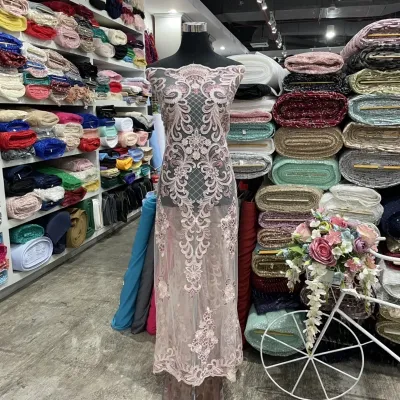
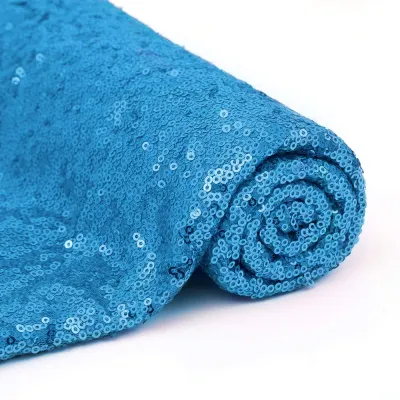
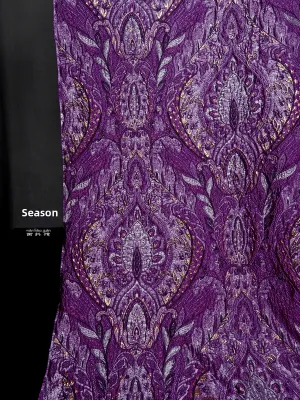
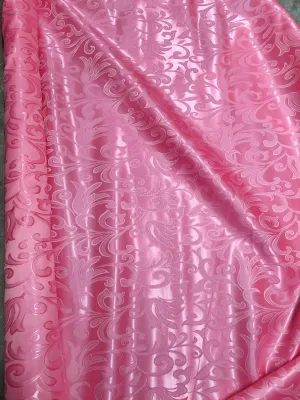
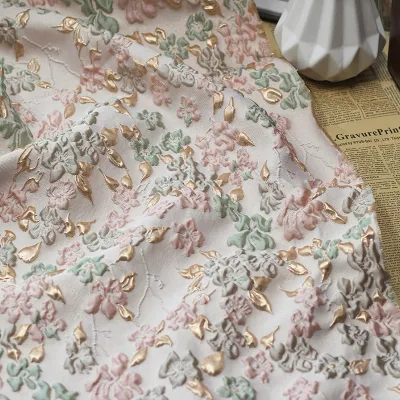
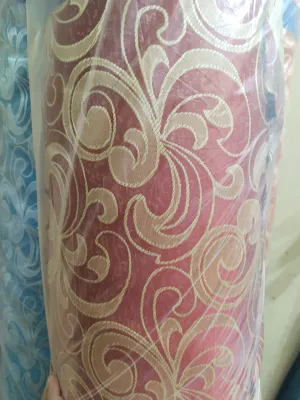
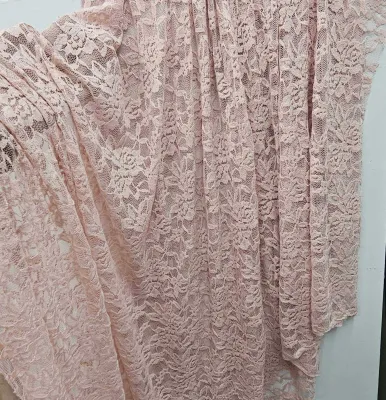
Prices are valid at publication and may change. Please refer to the product page for the latest price.
To evaluate these properties before buying, you can perform simple, observable checks at the fabric store. Unroll a meter of the fabric from the bolt and drape it over your arm to see how it falls. If it forms soft, vertical folds, it has a fluid drape; if it flares outward, it possesses a structured body. Next, test the fabric’s resilience by firmly crushing a small section in your hand for a few seconds. Release your grip and observe how quickly the wrinkles disappear. In humid tropical climates, fabrics that retain deep creases easily can quickly lose their elegant appearance during transit or extended sitting. Finally, hold the fabric up to a light source to assess its weight, weave density, and light transmission, which will help you determine if a lining or underlining is necessary.
Evaluating Classic Elegant Fabrics for Formal Garments
Classic formal fabrics have earned their place in dressmaking history through their predictable behavior, luxurious textures, and timeless appeal. These materials are generally categorized by their fiber content and their weave structure, both of which dictate how they must be cut, sewn, and finished. When planning a formal garment, understanding these categories allows you to select the exact material that will support your design’s structural needs while delivering a high-end aesthetic.

Silk and Satin for Luxurious Sheen and Drape
When shopping for elegant fabrics, it is crucial to distinguish between fiber content and weave structure. Silk is a natural protein fiber known for its strength, breathability, and luxurious hand feel. Satin, on the other hand, is a type of weave characterized by long float threads that create a glossy top surface and a dull back. While traditional satin was made exclusively from silk fibers, modern satins are frequently woven from synthetic polyester or nylon. When checking fabric labels, look closely to see if you are buying pure silk satin, a silk-blend satin, or a fully synthetic polyester satin. Synthetic alternatives are often more budget-friendly and durable, but they lack the natural breathability and subtle, liquid-like drape of genuine silk, which can make a significant comfort difference in warm, humid weather.
Caring for these delicate surfaces requires strict adherence to proper pressing techniques. Before applying an iron to your fabric, review the manufacturer’s care instructions to determine the safe temperature limit. Silk and synthetic satins are highly sensitive to heat and moisture; direct contact with a hot iron can scorch the fibers or melt synthetic threads, leaving permanent shiny patches. Always use a dry iron on a low-to-medium setting and place a clean, white cotton pressing cloth between the iron and the fabric. Avoid using steam directly on satin, as water droplets can leave unsightly, permanent water spots that ruin the smooth, reflective surface of the material.
Sewing with silk and satin presents unique handling challenges due to their slippery nature. To prevent the fabric layers from shifting out of alignment during cutting and stitching, you must plan for slip management. Pinning your pattern pieces with ultra-fine, sharp pins—or using pattern weights and a rotary cutter—will keep the fabric flat. You can also place a layer of clean tissue paper underneath the fabric while sewing to provide traction and prevent the sewing machine feed dogs from puckering the delicate seams. Once the seam is complete, the tissue paper can be gently torn away, leaving a flat, unpuckered line of stitching.
Chiffon and Organza for Sheer Layers and Structure
Sheer fabrics add an ethereal, multi-dimensional quality to formal wear, but they behave very differently depending on their structure. Chiffon is a lightweight, plain-woven fabric with a soft, crinkled texture and a highly fluid drape. It floats gracefully with movement, making it an excellent choice for delicate overlays, flowing sleeves, and gathered skirts. Organza, though similarly sheer and lightweight, is woven with highly twisted yarns that give it a crisp, stiff structure. Instead of draping softly, organza stands outward, making it excellent for structured ruffles, voluminous sleeves, and providing hidden support as an underlining in bodices.
Because of their loose, delicate weaves, both chiffon and organza are highly prone to edge fraying. Standard seam finishes like pinking or simple zig-zag stitches are often visible through the sheer fabric and can look untidy. To maintain a clean, professional interior, you should plan to use enclosed seam finishes. French seams are a highly recommended choice for sheer garments, as they completely encase the raw fabric edges within a tiny, double-stitched seam that is virtually invisible from the outside. Alternatively, a very narrow rolled hem or a bound edge can secure the fabric while keeping the garment’s interior looking as elegant as the exterior.
Before sewing your actual garment pieces, always test your needle and thread compatibility on fabric scraps. Sheer fabrics require very fine needles, such as a size 60/8 or 70/10 microtex or sharp needle, paired with lightweight polyester or silk thread. Using a needle that is too large or dull will punch visible holes in the fabric, pull the delicate threads, or cause skipped stitches and puckering along the seam line. Adjust your sewing machine’s stitch length to a slightly shorter setting and reduce the presser foot pressure to ensure the sheer material feeds smoothly without being drawn down into the needle plate opening.
Incorporating Philippine Local Textiles for Heritage Elegance
For those seeking a unique, culturally rich form of elegance, traditional Philippine handwoven textiles offer exceptional beauty and sophistication. These heritage fabrics are deeply tied to local craftsmanship and are highly prized for formal occasions, weddings, and national dress like the Barong Tagalog and Filipiniana gowns. Incorporating these materials into your sewing projects requires an appreciation for their unique physical properties and specialized handling needs.
Piña fabric, handwoven from the fine fibers of the pineapple leaf, is a highly celebrated Philippine textile. It is characterized by its crisp, lightweight, and highly structured texture, which gives it an elegant, translucent quality. The natural stiffness of piña allows it to hold dramatic shapes, such as the iconic butterfly sleeves of a Filipiniana dress, while its open weave provides exceptional breathability in hot and humid tropical climates. Because piña is handwoven on traditional looms, it possesses a unique, slightly irregular texture that reflects the artistry of the weaver, making every garment a unique masterpiece.
Jusi fabric, traditionally made from raw silk or fine banana fibers, offers a smoother and more fluid alternative to piña. While it still retains enough body to hold structured pleats and clean lines, jusi drapes more softly against the body, allowing for comfortable movement and a graceful silhouette. It is highly favored for modern formal wear because it is easier to dye, embroider, and sew than the stiffer piña, while still delivering a classic, heritage-inspired look that is well-suited for both daytime and evening events.
When sourcing these local textiles, it is essential to inspect the weave consistency and verify authentic labeling. Genuine piña and high-quality jusi are premium artisanal products, and their price reflects the intensive labor required to produce them. Look for reputable local suppliers who work directly with weaving communities in regions like Aklan or Lumban. Inspect the fabric closely for any major structural flaws, though minor variations in thread thickness are natural characteristics of handwoven materials. Always ask the supplier for specific care and preparation instructions, as some handwoven fabrics may require gentle steaming or a specialized relaxing process to settle the fibers before you begin cutting your pattern pieces.
Practical Sewing and Handling Checks for Delicate Fabrics
Working with delicate, slippery, or highly structured elegant fabrics requires a methodical approach to preparation and execution. Taking the time to set up your workspace and test your tools beforehand will prevent costly mistakes and protect your valuable materials from accidental damage.
The first step in your preparation checklist is matching your sewing tools to the specific characteristics of your fabric. Heavy, dense satins require sharp, standard needles that can pierce the weave without bending, while lightweight silks and sheers demand ultra-fine microtex needles. Your thread choice should match the fiber and weight of the fabric; fine silk thread is ideal for natural silk fabrics, while high-quality, long-staple polyester thread works well for a wide variety of synthetic and blended materials. Avoid using cheap, coarse threads, which can create friction in the needle eye and lead to uneven tension or thread breakage.
Before sewing a single stitch on your actual garment pieces, conduct a hidden test on a double-layered scrap of your fabric. This test allows you to verify that your sewing machine’s stitch tension, presser foot pressure, and stitch length are properly calibrated. It is also the ideal time to test your iron’s temperature setting on a scrap to ensure it does not scorch, melt, or discolor the material. Write down the successful settings so you can maintain consistency throughout the entire construction process.
During the sewing process, you must establish clear stop conditions to protect your project. If you observe persistent thread breakage, skipped stitches, visible needle holes that do not close when gently rubbed, or any signs of fabric puckering, stop sewing immediately. These issues indicate that your needle may be dull, the thread tension is incorrect, or the needle size is mismatched. Pause your work, change to a fresh needle, adjust your machine settings, and test on another scrap before resuming. If the fabric shows signs of heat damage or water spotting from the iron, stop pressing immediately and consult the manufacturer’s guidelines or a professional textile specialist to prevent further damage.
Frequently Asked Questions (FAQ)
How do I test a fabric's drape before buying?
To test a fabric’s drape in the store, unroll a generous portion of the fabric from the bolt and let it hang freely over your hand, arm, or a display stand. Observe how the fabric falls: does it cascade in soft, fluid, vertical folds, or does it flare outward with a stiff, sculptural quality? Next, gather a section of the fabric into your hand as if you were creating pleats or gathers. Note whether the fabric feels bulky and resistant in your grip, or if it compresses easily into neat, compact folds. This simple physical check will tell you if the material will behave correctly for your chosen pattern.
Can I machine wash garments made from piña or silk?
Whether you can wash these delicate garments depends entirely on the manufacturer’s care label, the specific fabric finishes, and the internal construction of the garment, such as interfacings and linings. As a general rule, machine washing is highly discouraged for delicate heritage fabrics like piña and natural silk. The aggressive agitation of a washing machine can cause fiber breakage, permanent creasing, severe shrinkage, and a complete loss of the fabric’s natural sheen and crisp texture. For these high-value, structured garments, it is best to default to professional dry cleaning or very gentle, localized hand washing using a mild, pH-neutral detergent, followed by air drying away from direct sunlight.
Community discussion
Share your experience or ask a question. Comments are reviewed before publication.