
The best fabric for quilting is 100% quilting cotton, prized for its stable weave, minimal stretch, and ease of handling under a sewing machine needle. However, exploring regional textiles can infuse your projects with unique textures and cultural heritage. When working in warm, humid climates like the Philippines, selecting materials that resist mold, handle humidity well, and maintain their structural integrity through repeated washings is essential for creating a lasting heirloom.
Core Properties of Ideal Quilting Fabrics
To build a quilt that lies flat, resists warping, and survives decades of use, you must evaluate the physical structure of your fabric. The foundation of successful quilting lies in the weave density and thread count of your chosen material. A tight, balanced plain weave prevents the raw edges from fraying excessively during handling and ensures that your tiny 1/4-inch seam allowances hold securely under tension. If the weave is too loose, the individual threads will shift, causing your seams to pull apart and your points to lose their precision.
Fiber content directly dictates how a fabric behaves under an iron and how it ages over time. Pure natural fibers, particularly cotton, are the gold standard because they respond beautifully to hot steam pressing, holding sharp creases that make matching seams much easier. Synthetic fibers like polyester do not crease as crisply and can melt under high heat, though they offer high durability. Blended fabrics can sometimes combine the best of both worlds, but they may shrink unevenly if the fibers react differently to moisture and heat.
Products mentioned in this guide
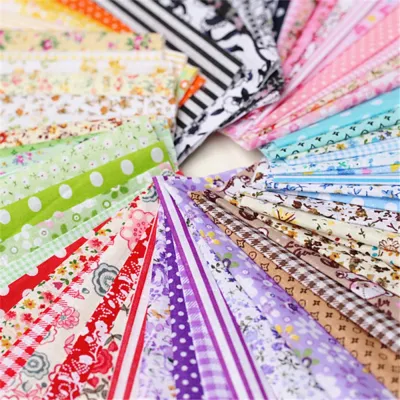
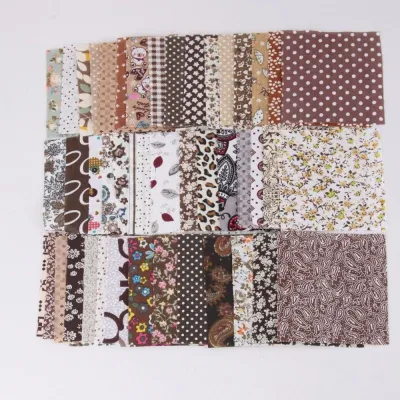
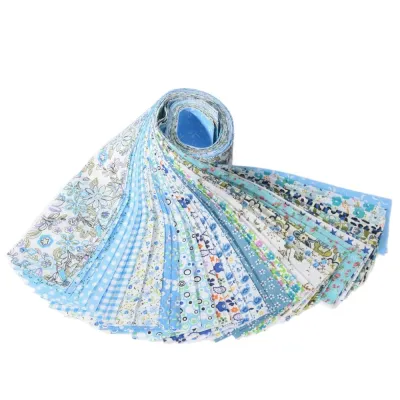

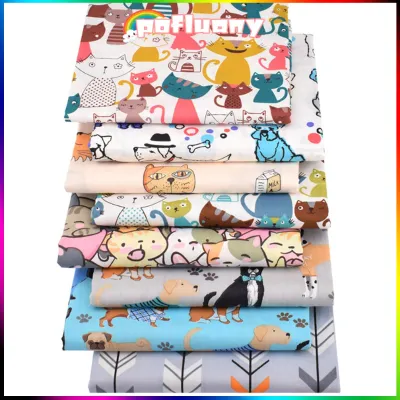
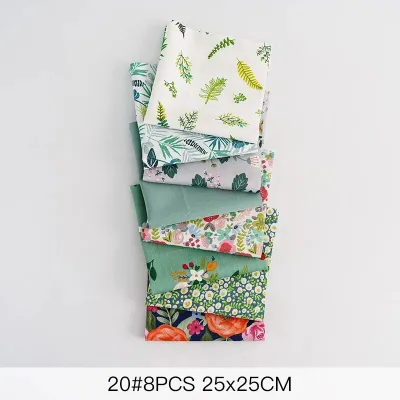
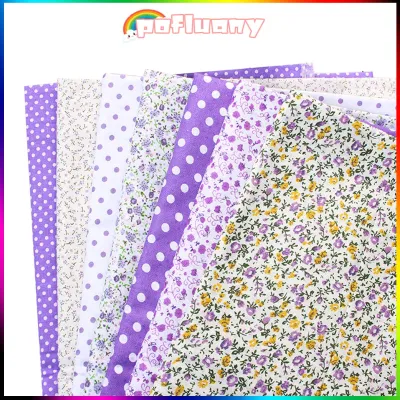
Prices are valid at publication and may change. Please refer to the product page for the latest price.
Fabric weight and drape are the final structural elements to consider when preparing your quilt sandwich, which consists of the top, batting, and backing. Ideal quilting fabrics have a medium weight that provides enough substance to handle easily without adding excessive bulk at the seam intersections. If your fabric is too heavy, like denim or thick canvas, sewing through multiple layered seams becomes difficult and can damage your sewing machine. Conversely, if the fabric is too light or sheer, the batting may show through, and the delicate threads may warp during the quilting process.
Evaluating Standard Quilting Cottons
When browsing local textile markets or online marketplaces, distinguishing high-quality quilting cotton from standard apparel cotton or budget-grade fabrics is a vital skill. High-quality quilting cotton is specifically woven with a high thread count and premium long-staple fibers, giving it a smooth, substantial hand feel. Standard apparel cotton is often lighter and more fluid, designed to drape around the body rather than hold a rigid shape. Budget cottons often feel stiff on the bolt due to heavy chemical sizing, but they can become thin, limp, and semi-transparent once washed.

Before committing your time and resources to a project, check the manufacturer labels or product specifications for shrinkage rates and colorfastness. Premium quilting cottons typically experience a predictable shrinkage rate of around 3% to 5%, whereas lower-grade cottons can shrink up to 10% or more, distorting your finished quilt blocks. Colorfastness is equally critical, especially when pairing deep reds, blues, or purples with crisp white background fabrics. High-quality manufacturers often guarantee colorfastness, but verifying this through your own tests is always the safest approach.
Novelty prints, sheer weaves, and loosely woven budget fabrics present distinct challenges in structural piecing. While a vibrant novelty print might look appealing, the ink used in cheap prints can stiffen the fabric, making it difficult to needle smoothly. Sheer or loosely woven fabrics allow the dark seam allowances on the back of the quilt top to shadow through to the front, ruining the clean look of your design. Limiting these materials to non-structural elements or avoiding them entirely will save you from frustration during the assembly phase.
Assessing Philippine Textiles for Quilting Projects
Integrating traditional Philippine textiles into your quilting projects offers a beautiful way to showcase local craftsmanship, but these handwoven materials require careful evaluation. Unlike mass-produced commercial cottons, local artisanal weaves are often created on backstrap or pedal looms, resulting in unique structural characteristics. You must assess the bias stretch, slubbing, and overall seam stability of these fabrics before making your first cut. A fabric with too much diagonal stretch or highly irregular slubs can make precise geometric piecing incredibly difficult to align.
Pre-washing and testing for color bleeding are non-negotiable steps when working with local textiles, particularly those colored with natural or artisanal dyes. Many traditional dyeing processes do not use the same chemical fixatives as commercial textile mills, meaning excess dye can easily migrate when exposed to water. Humidity in tropical environments can also exacerbate color bleeding if the quilt dampens. Taking the time to test and stabilize these fabrics beforehand ensures that your hard work will not be ruined during its first wash.
Local Cotton and Cotton Blends
Domestically produced cottons and cotton-blend weaves offer a wonderful, breathable option for quilting, but they differ significantly from imported quilting cottons. The weave tightness of local handwoven cotton is often more variable, reflecting the touch of the individual weaver. While this adds beautiful texture, you must inspect the fabric to ensure the weave is dense enough to support fine seams. The staple length of local cotton fibers may also vary, which can influence the overall smoothness and strength of the thread.
Sizing and starch residues are highly common in local textiles, used by weavers to protect the warp threads on the loom. These starches can make a fabric feel deceptively stiff and stable on the bolt, masking a loose or uneven weave underneath. Washing the fabric thoroughly before cutting is essential to strip away these temporary finishes, allowing you to evaluate the true drape, weight, and seam allowance stability of the material.
Depending on the weight and drape of your local cotton blend, you can strategically assign it to different parts of your quilt. A slightly heavier, highly durable local weave might be unsuitable for intricate, multi-seam star blocks but could serve as an excellent, hard-wearing backing fabric. Lighter, more uniform local cottons are ideal for larger pieced blocks or borders where their unique textures can be highlighted without demanding extreme precision at every corner.
Piña, Abaca, and Specialty Fibers
Heritage fibers like piña (pineapple fiber) and abaca (Manila hemp) are celebrated for their exquisite luster and cultural significance, but their properties present unique challenges for quilters. These specialty fibers are naturally stiff, highly prone to fraying, and resistant to standard needle piercing. Attempting to use pure piña or abaca for standard, high-density precision piecing can result in broken needles, shredded threads, and seams that pull apart under the slightest tension.
To incorporate these beautiful materials safely, look toward alternative quilting techniques rather than traditional piecing. Decorative appliqué is an excellent option, allowing you to secure raw edges of piña or abaca blends onto a stable cotton background using a dense satin stitch or blanket stitch. Foundation paper piecing can also provide the structural support these delicate or stiff fibers need to stay in place. Alternatively, using a soft abaca-cotton blend as a dramatic, textured backing or border can elevate the entire design without compromising the quilt’s structural integrity.
Always consult the specific manufacturer or artisan care instructions when working with specialty heritage fibers. These materials often have strict limits regarding washing temperatures, pressing heat, and storage conditions. For instance, high heat from a dry iron can scorch delicate piña fibers, while excessive moisture in a humid environment can cause natural abaca to mildew if not dried promptly. Using a pressing cloth and setting your iron to a lower, fiber-specific temperature will protect these precious textiles from damage.
Preparation and Testing Before Cutting
Before you begin cutting your carefully selected fabrics, establishing a rigorous preparation routine is the best defense against project failure. Start by pre-washing all your fabrics separately in cool water with a mild, fragrance-free detergent. This step is crucial for pre-shrinking the fibers so they do not shrink unevenly after the quilt is fully assembled. Air-drying your fabrics flat or hanging them out of direct tropical sunlight will prevent uneven stretching and protect delicate dyes from fading.
To conduct a reliable colorfastness and bleed test, cut a small square of your fabric and place it in a bowl of warm water with a small piece of white cotton fabric. Let them soak for about thirty minutes, then check if the water has changed color or if the white fabric has absorbed any dye. If you observe bleeding, you may need to wash the fabric multiple times until the water runs completely clear, or use a commercial color-trapping sheet in the wash to capture loose dye molecules before they settle into lighter fabrics.
Pressing your fabrics properly before cutting ensures that your rotary cutter or shears can make perfectly straight, accurate cuts. Always check the fiber content labels to determine the safe temperature limits for your iron, as synthetic blends and delicate local fibers can easily melt, scorch, or develop an unwanted shine under high heat. Use a clean, dry pressing motion—lifting the iron up and down rather than sliding it back and forth—to avoid stretching the fabric grain out of shape before you even begin sewing.
Frequently Asked Questions (FAQ)
Can I use old clothing or upcycled fabrics for quilting?
Yes, upcycling old clothing like cotton shirts, linen dresses, or soft denim is a wonderful way to create a memory quilt, but you must carefully evaluate the structural integrity of each garment. Inspect the fabric for signs of wear, thinning, or sun damage, particularly around the shoulders and collars, as these weakened areas can tear easily under the tension of quilting. Avoid garments that have undergone harsh chemical treatments or frequent bleaching, which degrade natural fibers over time.
If you want to use stretchy or loosely woven upcycled fabrics, such as jersey knits or soft rayon, you must stabilize them first. Fusing a lightweight, one-way stretch or non-woven interfacing to the back of the fabric pieces before cutting will prevent them from distorting as you sew. This technique allows you to mix different fabric types safely, ensuring your finished quilt top remains flat and stable without puckering.
How do I prevent fraying when working with loosely woven local textiles?
To manage raw edges on loosely woven local weaves, consider increasing your standard seam allowance from 1/4 inch to 1/2 inch to give the fabric more room to hold. You can also apply a thin line of liquid fray-check solution along the cut edges, or use a pinking shear to cut your pieces, which helps arrest the unraveling of threads. For highly unstable weaves, running a quick zigzag stitch or serging the edges of your fabric pieces before assembly provides excellent structural security.
Selecting the right sewing machine needle and thread weight is equally important to minimize fabric distortion. A sharp, fine needle (such as a size 70/10 or 80/12 microtex or sharp needle) will pierce the fabric cleanly without pushing the threads aside or causing puckering. Pair this with a high-quality, fine cotton thread (50-weight) that matches the strength of your fabric without adding unnecessary bulk to your seams.
Community discussion
Share your experience or ask a question. Comments are reviewed before publication.