
Selecting the right lace curtain fabric per yard requires balancing delicate aesthetics with practical measurements. When shopping at local textile markets or online marketplaces, the sheer variety of patterns can easily distract from the technical specifications needed for a successful sewing project. To ensure your finished curtains drape beautifully and fit your windows perfectly, you must evaluate four core dimensions: fabric width, weight, opacity, and pattern repeat. Understanding these specifications helps you calculate the exact yardage required and avoid costly cutting mistakes.
Understanding Lace Fabric Widths and Calculating Yardage
Lace fabric is typically sold on bolts with standard widths, often ranging from 45 inches to 60 inches, though wider options up to 118 inches are sometimes available for seamless floor-to-ceiling drapery. If your window is wider than the bolt width, you will need to seam multiple panels together. Planning these seams carefully ensures that the joins align with the natural folds of the curtain, keeping them virtually invisible when the fabric is gathered.
To calculate the total yardage needed, start by measuring your curtain rod’s width and the desired drop length from the rod to the sill or floor. Do not measure the window frame itself, as curtain hardware usually extends beyond the glass. Once you have the rod width, apply a fullness ratio. For lace curtains, a fullness ratio of 2 to 2.5 times the rod width is standard to create classic, soft gathers. A ratio of 1.5 provides a flatter, more modern look, while 3 times creates rich, dense folds.
Products mentioned in this guide
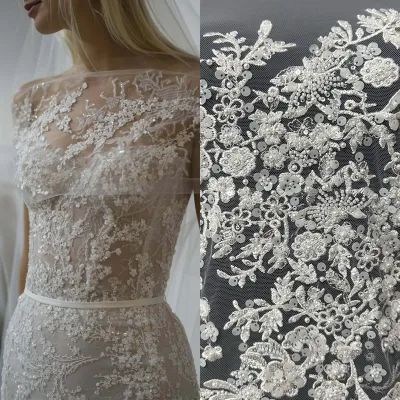
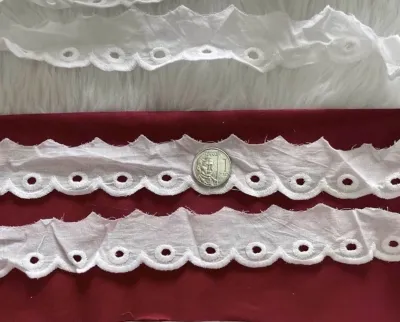
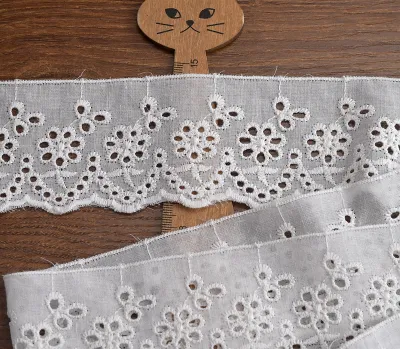
Prices are valid at publication and may change. Please refer to the product page for the latest price.
Next, add allowances for the top header and bottom hems. A standard bottom hem for lace often requires an extra 4 to 6 inches to allow for a double-fold hem, which adds weight and helps the sheer fabric hang straight. The top pocket or tab header typically requires another 3 to 6 inches depending on your rod diameter. Sum the total drop length, the hem allowances, and multiply by the number of panels required based on your fullness calculations. Finally, divide the total inches by 36 to determine the exact yardage to purchase.
Decoding Weight, Sheer Level, and Opacity
The weight of lace fabric directly influences how it drapes, its structural integrity, and how well it resists wear in high-traffic areas. Lightweight laces, such as delicate nylon or fine cotton nets, offer an airy, floating quality but may billow easily with a light breeze. Medium to heavyweight laces, including heavy polyester raschel or cotton crochet lace, provide a more substantial drape, falling in structured, elegant columns that resist wind movement.

Sheer level and opacity dictate how much light enters your room and the level of privacy you receive. The openness of the lace weave determines this balance. A highly open, airy knit allows maximum sunlight to filter through, making it ideal for bright living areas where privacy is not a primary concern. However, these open weaves offer minimal privacy at night when indoor lights are on.
To verify the opacity and light-filtering properties of a lace fabric, do not rely solely on online product photos. If purchasing online, request a small physical swatch first. Hold the fabric up against a window during the day to observe how the light diffuses through the pattern. To test nighttime privacy, place an object behind the fabric under artificial light to check how clearly silhouettes are visible from the other side.
Evaluating Pattern Repeat and Fabric Care Requirements
If you choose a lace fabric with a distinct motif, such as large floral medallions or geometric borders, you must account for the pattern repeat. The vertical repeat is the distance between one design element and the point where it appears again. When sewing multiple panels for a single window, the patterns must align horizontally across all panels. This alignment requires matching the motifs at the top edge before cutting, which inevitably leads to fabric waste and requires purchasing extra yardage.
In tropical climates like the Philippines, high humidity and dust make fabric maintenance a critical consideration. Check the manufacturer’s care instructions before buying. While polyester lace is highly durable, machine-washable, and resistant to shrinking or wrinkling, delicate cotton or rayon lace may require hand washing or dry cleaning. Choosing a low-maintenance fiber ensures your curtains remain fresh without demanding excessive upkeep.
Finally, inspect the fabric grain and selvage edges before cutting. The selvage is the finished edge of the fabric that prevents unraveling. Ensure the vertical threads run perfectly parallel to the selvage. If the grain is distorted or skewed, the lace curtain may twist or flare awkwardly when hung, disrupting the clean lines of your window treatment.
Frequently Asked Questions (FAQ)
Do I need to buy extra yardage for lace curtains?
Yes, you should generally purchase 10% to 20% more fabric than your basic calculations suggest. This extra yardage accommodates pattern matching for large motifs, allows for generous double-fold hems that help the sheer fabric drape properly, and provides a safety margin for cutting errors or minor fabric flaws along the selvage.
Can I use lace fabric for blackout curtains?
Lace fabric is inherently sheer and cannot function as a blackout curtain on its own. If you want the delicate look of lace but require complete light blocking for a bedroom, pair the lace curtain with a separate, heavy-duty blackout liner. You can hang them on a double curtain rod, placing the lace on the front rod for display and the blackout liner behind it.
Community discussion
Share your experience or ask a question. Comments are reviewed before publication.