
Reupholstering a sofa is an excellent way to breathe new life into a beloved piece of furniture, but selecting the right material requires a clear understanding of what is available on the roll. When shopping for leather and leather-look materials sold per meter, you will primarily encounter synthetic options like polyurethane (PU) and polyvinyl chloride (PVC), alongside bonded leather and occasionally specialty genuine leather rolls. Making the right choice involves balancing aesthetic appeal with the practical realities of your household, especially when dealing with tropical climates where heat and humidity can accelerate material wear.
To determine the quality of these materials before making a purchase, you must look beyond the surface appearance. High-quality upholstery fabrics are defined by their backing strength, coating thickness, flexibility, and resistance to peeling. By performing a few simple tactile and visual checks in the fabric store, you can avoid low-grade materials that crack under tension or peel after only a few months of use.
Understanding Leather and Leather-Look Materials Sold Per Meter
Genuine leather is traditionally sold by the individual hide rather than by the meter, as animal skins have irregular shapes and sizes. However, some specialty suppliers offer reconstituted leather or specific split-leather rolls cut to standard widths. Top-grain leather represents the high-quality outer layer of the hide, offering natural breathability and strength, while split leather comes from the lower fibrous layers and is typically embossed with a synthetic grain pattern to mimic top-grain textures.
Products mentioned in this guide
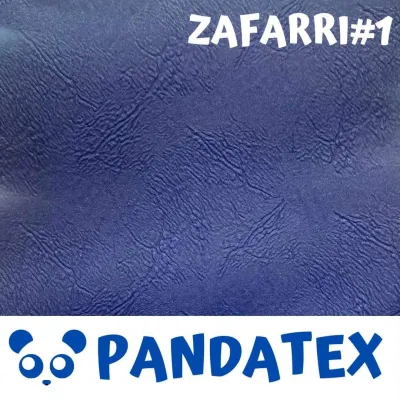
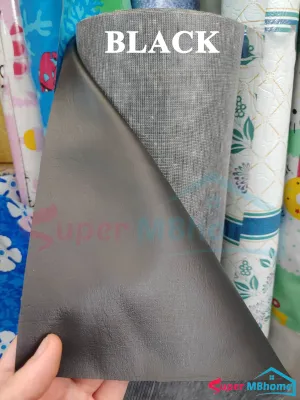
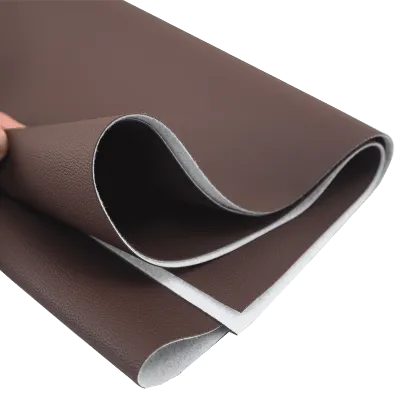
Prices are valid at publication and may change. Please refer to the product page for the latest price.
Synthetic alternatives, commonly referred to as faux leather, are widely sold by the meter and offer a highly uniform, easy-to-cut alternative. Polyurethane (PU) leather is created by coating a fabric backing with a flexible plastic polymer. It is known for its soft, pliable texture and moderate breathability, making it feel closer to genuine leather than other synthetics. However, PU can be sensitive to prolonged moisture exposure, which can cause the polymer layer to break down over time.
Polyvinyl chloride (PVC) leather, often called vinyl, features a tougher plastic coating. It is exceptionally durable, highly water-resistant, and easy to wipe clean, making it a popular choice for high-use furniture. The trade-off is that PVC is stiffer than PU and lacks breathability, which can make it feel warm and sticky against the skin during hot afternoons.
Bonded leather is a hybrid material made by shredding genuine leather scraps, mixing them with polyurethane binders, and spreading the mixture onto a fiber backing. While it is marketed as containing real leather, it lacks the structural integrity of solid hides. It is highly susceptible to delamination, where the top layer separates and flakes off under regular friction and body heat.
When browsing fabric stores, you will encounter various marketing terms such as “vegan leather,” “eco-leather,” or “leatherette.” These terms are generally used to describe synthetic PU or PVC materials. To understand exactly what you are buying, always check the fabric bolt’s technical label or inspect the backing material to identify the underlying fibers and polymer coatings.
The structural performance of any leather-look material sold by the meter depends heavily on its backing. High-quality synthetics use a durable woven or knitted fabric backing, which provides the necessary tensile strength and stretch recovery. Cheaper options often rely on thin, non-woven fleece backings that tear easily when stitched or stretch out of shape under the weight of daily seating.
How to Assess Material Quality Before Purchasing
Evaluating the quality of upholstery material in-store requires a hands-on approach. Start by examining the grain pattern on the surface. High-grade synthetic leathers feature sophisticated embossing techniques that create a varied, natural-looking grain with subtle depth. Low-quality materials often have a highly repetitive, glossy pattern that looks artificial and feels slick or sticky to the touch.

Next, perform a simple stretch and recovery test. Pull the material firmly in both directions—along the length of the roll and across its width. A quality upholstery-grade fabric should offer moderate resistance and immediately spring back to its original shape without leaving visible stretch marks or distorting the surface pattern. If the material stretches too easily or remains deformed, it will likely sag on your sofa cushions over time.
Thickness and weight are critical indicators of durability. Upholstery-grade synthetic leather typically ranges from 1.0 millimeter to 1.5 millimeters in thickness. Gently fold a corner of the fabric between your fingers; it should feel substantial and dense, not paper-thin. A material that feels too thin will wear through quickly at the seams and corners of the sofa.
Inspect the backing material closely. Look for a dense, tightly woven or knitted backing that is securely bonded to the synthetic surface layer. Try to peel the plastic coating away from the backing at a cut edge; if the layers separate easily with minimal effort, the material is highly prone to delamination and peeling once upholstered.
Always ask the store assistant for the manufacturer’s specification sheet or check the end of the fabric bolt for technical details. Look for the abrasion resistance rating, which is determined by standardized testing methods like the Martindale or Wyzenbeek tests. For a standard living room sofa, look for a rating of at least 15,000 to 30,000 double rubs to ensure the material can handle daily sitting and sliding.
Matching the Right Material to Your Household and Sofa Design
Selecting the right upholstery material requires a realistic assessment of your home environment and local climate. In tropical regions characterized by high humidity and warm temperatures, breathability is a major comfort factor. A dense, non-breathable PVC sofa can trap body heat, leading to an uncomfortable, sticky seating experience. High-grade, breathable PU or genuine leather cuts are generally more comfortable in these conditions, provided they are kept out of direct sunlight.
If your household includes active children or pets, durability and ease of cleaning become the top priorities. In these busy environments, a heavy-duty PVC or a scratch-resistant, high-performance PU is highly practical. These materials allow you to quickly wipe away spilled drinks, food stains, and dirt with a damp cloth, preventing permanent damage to the underlying cushions.
The physical design of your sofa also dictates the type of material you should buy. If your sofa features intricate details like deep button tufting, tight pleats, or curved arms, you will need a highly flexible material with a supple drape. A stiff, thick PVC will be difficult to fold neatly and may create bulky, unsightly seams. Conversely, modern, clean-lined sofas with flat cushions can accommodate stiffer, high-durability materials.
Finally, balance your immediate budget with long-term maintenance and replacement costs. While low-cost synthetic options or bonded leathers are highly affordable per meter, they often require replacement within a few years due to peeling or cracking. Investing a bit more per meter in a high-quality, upholstery-grade PU or a durable synthetic with a robust backing will extend the lifespan of your sofa, saving you the labor and material costs of premature reupholstering.
Navigating Fabric Store Purchases and Calculating Meterage
Accurately calculating the amount of material you need is essential to avoid mid-project shortages or expensive waste. Start by measuring every section of your sofa, including the frame, backrest, armrests, and individual cushions. Remember to account for the fabric that wraps around the underside of the frame and the extra material needed for seam allowances, piping, and boxing.
As a general guideline, a standard three-seater sofa typically requires approximately 15 to 18 meters of fabric, while a two-seater loveseat may require 11 to 14 meters. However, these estimates can vary significantly based on the width of the fabric roll, which is commonly 137 centimeters (54 inches) for upholstery materials. Always consult with your upholsterer or use a detailed upholstery layout plan before finalizing your purchase.
When buying multiple meters of synthetic or genuine leather, always verify that the entire cut comes from the same production batch or dye lot. Minor variations in temperature, chemical composition, or dye timing during manufacturing can cause subtle color differences between rolls. While these differences might look imperceptible on the roll in the store, they can become highly noticeable once the panels are sewn together and viewed under home lighting.
Before the store assistant cuts the fabric, inspect the entire length of the material on the cutting table. Look for any surface blemishes, uneven color distribution, thin spots, or backing defects. Because fabric stores cut material to your specified length, they maintain strict return policies and will rarely accept returns or offer refunds for custom-cut fabric unless a clear manufacturing defect is proven.
Frequently Asked Questions (FAQ)
Is bonded leather a durable choice for sofa reupholstery?
Bonded leather is generally not recommended for high-use furniture like living room sofas due to its limited durability. Because it is composed of shredded leather scraps mixed with polyurethane binders and pressed onto a fiber backing, it lacks the natural fibrous strength of solid leather. Over time, the thin surface layer is highly susceptible to cracking, peeling, and flaking, especially when exposed to body heat, friction, and high humidity. Once the surface begins to delaminate, it cannot be easily repaired, often requiring a complete reupholstery job much sooner than synthetic PU or genuine leather alternatives.
How should I prepare synthetic leather before sewing it for upholstery?
Preparing synthetic leather for sewing requires careful handling to prevent permanent damage to the material. First, verify that your sewing machine can handle the thickness and that you are using a heavy-duty needle, such as a size 90/14 or 100/16 leather or denim needle, along with strong polyester or nylon upholstery thread. Because pins leave permanent, visible holes in synthetic leather, use sewing clips or temporary basting tape to hold seams together. Additionally, check the manufacturer’s guidelines regarding heat sensitivity; if you must press the seams, use a low heat setting on the reverse side with a pressing cloth to avoid melting or distorting the synthetic surface.
Community discussion
Share your experience or ask a question. Comments are reviewed before publication.