
Selecting the right miniature paint sets for school art classes requires balancing safety, ease of use, and technical performance across different age groups. For elementary students, the priority lies in non-toxic, washable formulas packaged in spill-resistant containers that help teach basic color theory. High school students, working on more complex 3D-printed models or clay dioramas, benefit from high-pigment acrylics that support advanced blending, layering, and shading techniques. By understanding the unique properties of these paints, teachers can select sets that maximize student creativity while keeping classroom cleanup manageable.
Defining Miniature Paints for School Art Projects
Miniature paints are specialized acrylics formulated with extremely fine-ground pigments suspended in a high-quality acrylic polymer binder. Unlike standard classroom acrylics, which can be thick, heavy, and prone to obscuring fine details, miniature paints are designed to flow smoothly into tiny crevices while maintaining excellent coverage. This fine pigment grind is crucial because even a slightly thick layer of standard paint can completely fill in the delicate facial features of a small plastic figure or the textured brickwork of a historical diorama.
The key difference between standard craft paints and dedicated miniature paints lies in the pigment-to-binder ratio. Craft paints often use larger pigment particles and cheaper fillers, which can result in a chalky finish or require multiple thick coats that fill in the delicate details of a model. Dedicated miniature paints offer a high pigment density, allowing them to be thinned significantly with water without breaking apart or losing their color intensity. This allows students to apply multiple thin layers, resulting in a smooth, professional finish that preserves the underlying sculpt.
Products mentioned in this guide
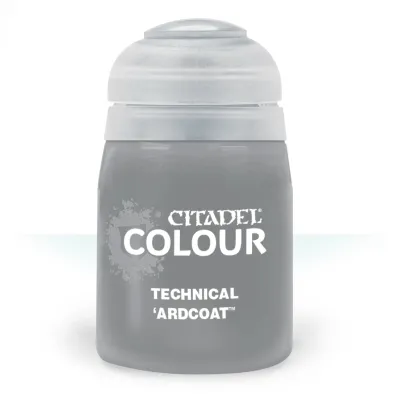
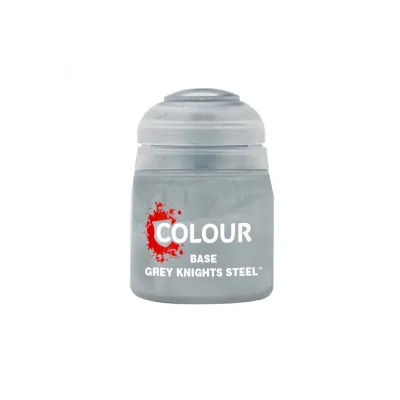
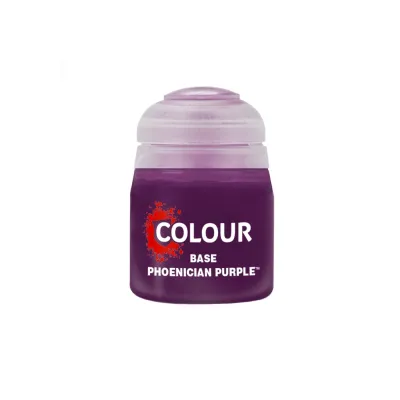
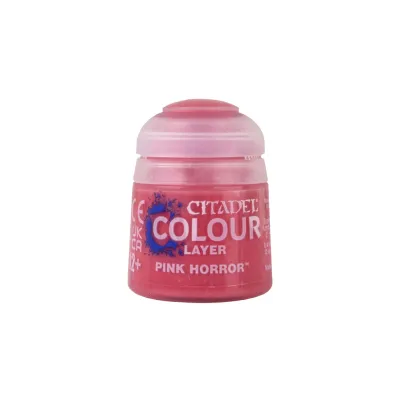
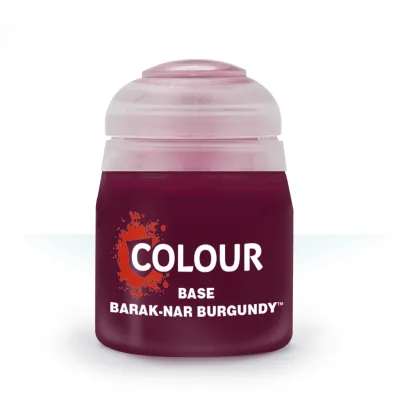
Prices are valid at publication and may change. Please refer to the product page for the latest price.
In school settings, these paints are highly useful for three-dimensional projects that go beyond traditional flat canvas painting. Students can apply them to air-dry clay sculptures, historical dioramas, architectural scale models, and even 3D-printed plastic figures. This hands-on medium bridges the gap between traditional painting and sculptural design, teaching students how light interacts with physical forms. It also introduces them to modern hobby techniques, making art class highly engaging and relevant to contemporary creative industries.
Building a Shortlist for Elementary Art Classes
When working with younger students, safety is the absolute priority. Teachers must verify that any miniature paint set carries clear non-toxic certifications, such as the AP (Approved Product) seal from the Art and Creative Materials Institute (ACMI) or equivalent local safety standards. Since elementary students frequently touch their faces, rub their eyes, or accidentally ingest materials, avoiding heavy metal pigments (like real cadmiums or cobalts) is essential. Water-based acrylics are the standard choice, as they do not emit harmful fumes and can be used safely in standard classroom environments.

Washability and cleanup are major practical concerns for any elementary school teacher. Standard miniature paints are designed to be highly durable once cured, which means they can permanently stain clothing and school furniture. For elementary classrooms, look for water-based acrylic formulas that offer easy cleanup with soap and warm water before the paint fully cures. Protecting school desks with plastic sheets or old newspapers is always recommended, but choosing a paint that lifts easily from skin reduces classroom cleanup stress and ensures students can clean up quickly before the recess bell rings.
The physical design of the paint container plays a major role in classroom management and waste reduction. Dropper bottles are highly recommended over open pots or flip-top tubs for younger children. A dropper bottle allows the teacher or student to dispense exactly one or two drops of paint onto a palette, minimizing waste and preventing accidental spills if a bottle is knocked over. Squeezing these bottles also helps younger students develop fine motor skills and teaches them portion control, preventing the common classroom issue of students squeezing out massive puddles of paint that ultimately go to waste.
Instead of buying massive sets with dozens of pre-mixed shades, elementary classes are best served by basic starter sets. A set containing the primary colors (red, blue, yellow), black, white, and perhaps one or two secondary colors encourages students to learn color mixing. This hands-on mixing teaches practical color theory and helps students understand how to create their own custom shades on their palettes. It also keeps the classroom inventory simple and easy to manage, as teachers only need to restock a few core colors rather than tracking dozens of highly specific shades.
Building a Shortlist for High School Art Programs
High school art students are capable of handling more advanced techniques, requiring paints with higher pigment concentrations. These paints can be thinned down to the consistency of milk, allowing students to apply multiple thin layers (glazes) to build up smooth transitions of color. High-pigment paints ensure that even when diluted, the color remains vibrant and does not pool unevenly in the recesses of a model. This allows high schoolers to experiment with advanced techniques like layering, glazing, and wet blending, which are essential for creating realistic highlights and shadows on three-dimensional surfaces.
A versatile high school set should offer a flat, matte finish, which is standard for most miniature painting projects as it prevents glare from obscuring fine details. Additionally, introducing specialized mediums like washes (very thin, translucent paints that naturally flow into recesses to create shadows) and glazes can elevate student work. These tools allow students to experiment with advanced shading and highlighting techniques without needing professional-level blending skills right away. It teaches them how to manipulate contrast, making their physical models look more dynamic and lifelike under classroom lighting.
High school projects often involve diverse materials, including molded plastics, polyurethane resins, polymer clays, and PLA or ABS plastics from classroom 3D printers. The selected miniature paint must adhere well to these non-porous surfaces. Teachers should look for water-based acrylic model paints specifically formulated to grip primed plastics and resins without peeling or chipping during handling. This compatibility ensures that students’ hard work on their 3D-printed designs or sculpted clay models does not flake off when they pick up their finished projects.
While color mixing remains important, high school students working on detailed historical figures or complex fantasy models benefit from expanded color ranges. Sets that include realistic skin tones, metallic shades (like gold, silver, and bronze), and earthy tones (like olive green, brown, and ochre) allow students to focus on advanced application techniques like drybrushing, edge highlighting, and weathering rather than spending excessive class time trying to mix complex, consistent shades. This expanded palette helps them achieve realistic textures, such as rusted metal, worn leather, or natural foliage, which are common in advanced art and design projects.
Compatibility Checks and Essential Classroom Accessories
The performance of miniature paint is closely tied to the brushes used. For school environments, high-quality synthetic brushes (such as those made from golden synthetic or Toray fibers) are highly recommended over expensive natural sable brushes. Synthetic fibers are durable, hold their shape well when wet, and resist the harsh wear and tear of classroom use. Look for round brushes in sizes 0, 1, and 2, which provide a good balance of paint capacity and fine point control. Teachers should also instruct students on proper brush care, emphasizing that brushes should never be left face-down in water cups, as this bends the delicate tips permanently.
In warm and humid environments, such as typical classrooms in the Philippines, acrylic paints can dry out incredibly fast on a standard plastic palette. To prevent paint waste and extend working times during a standard class period, teachers should introduce wet palettes. A wet palette uses a damp sponge layer beneath a sheet of permeable baking paper, keeping the acrylic paint hydrated for hours or even days. Teachers can easily create DIY wet palettes using shallow plastic takeaway containers, paper towels, and parchment paper, providing an affordable and highly effective solution that allows students to resume their work in the next class session without their mixed colors drying up.
Direct application of acrylic paint onto bare plastic or resin often results in poor adhesion and peeling. A safe, water-based primer is an essential first step. For school settings, brush-on primers are much safer and more practical than aerosol spray cans, which require heavy ventilation and outdoor space. A simple coat of brush-on grey or white primer provides a micro-textured surface that helps the miniature paint bond securely to the model. This step teaches students the importance of surface preparation in professional art and design workflows.
While professional miniature painters often use specialized acrylic thinners, clean water is the safest and most accessible thinning agent for a school art room. For cleanup, standard water-based miniature paints can be washed out of brushes using mild soap and water. Teachers should establish a clear brush-cleaning station with designated water cups to prevent students from washing paint down sinks without proper sediment traps, ensuring compliance with school maintenance guidelines. This routine keeps the classroom clean and teaches students respect for their shared tools and environment.
Frequently Asked Questions (FAQ)
Can standard craft acrylics replace dedicated miniature paints in class?
Standard craft acrylics can be used for certain parts of a project, but they generally cannot fully replace dedicated miniature paints for fine detail work. Craft paints have a much larger pigment grind size and a lower pigment-to-binder ratio. When thinned with water to paint tiny details, craft paint tends to break apart, leaving a patchy, uneven finish. However, craft paints are highly cost-effective for base-coating large terrain pieces, painting diorama bases, or covering large clay surfaces where fine detail retention is not a priority. For the actual miniatures or detailed figures, investing in a small set of dedicated miniature paints ensures students can achieve clean, professional-looking results without frustration.
How should teachers store miniature paints to prevent them from drying out?
Proper storage is vital to protect a school’s investment in art supplies, especially in tropical climates where heat can accelerate drying. Teachers should ensure that all bottle caps and pot lids are wiped clean of excess paint before sealing, as dried paint in the threads prevents a tight seal and allows air to enter. Store the paint sets in a cool, dry cupboard away from direct sunlight and heat sources like windows or electronics. If a water-based miniature paint has thickened slightly over time, it can often be revived by adding a few drops of a dedicated acrylic flow improver or distilled water and shaking the bottle thoroughly with a small, non-rusting mixing ball inside.
Community discussion
Share your experience or ask a question. Comments are reviewed before publication.