
The ideal paint pigment powder depends entirely on your chosen binder and technique. Watercolor relies on fine particle size and transparency for smooth washes, acrylic demands chemical stability and high lightfastness for durable films, and oil painting requires specific oil absorption rates to maintain structural integrity. Selecting the right raw pigment involves reading product labels and technical data sheets to match the physical and chemical properties of the powder to your preferred medium.
By understanding how these characteristics interact with different binders, you can avoid common painting frustrations like cracking paint films, muddy glazes, or colors that fade under intense light. Whether you are mulling your own watercolor pans or mixing custom acrylic gels, focusing on these core traits ensures your artwork remains vibrant and structurally sound over time.
Core Pigment Traits to Check on Product Labels
Before purchasing any paint pigment powder, you must learn to read the technical specifications provided by the manufacturer. These specifications are typically found on the product label or an accompanying Technical Data Sheet (TDS). The most critical physical characteristic is particle size and grind. Pigments are not dyes; they are insoluble particles suspended in a binder. Coarser pigments require intensive mulling with a glass muller on a flat slab to disperse properly, while ultra-fine pigments can often be incorporated with minimal effort.
Products mentioned in this guide
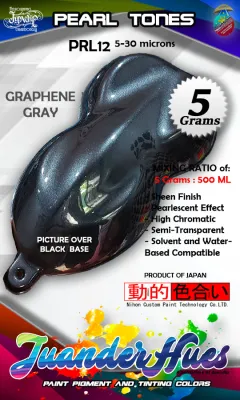
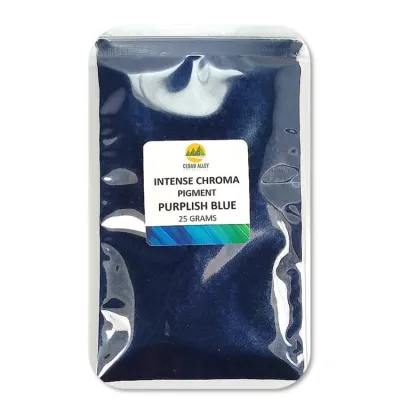
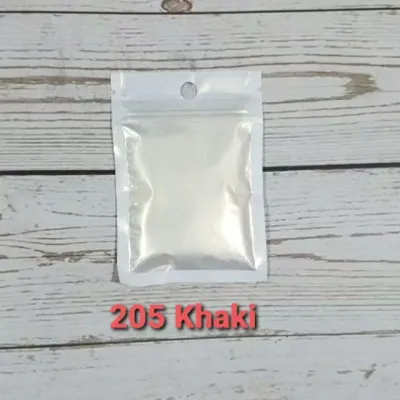
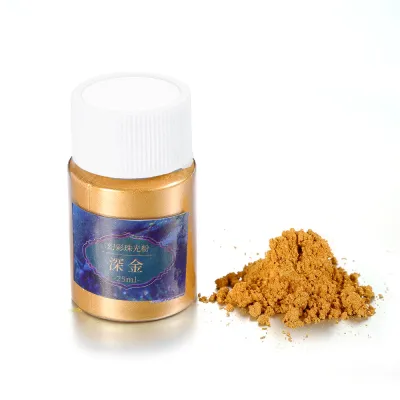
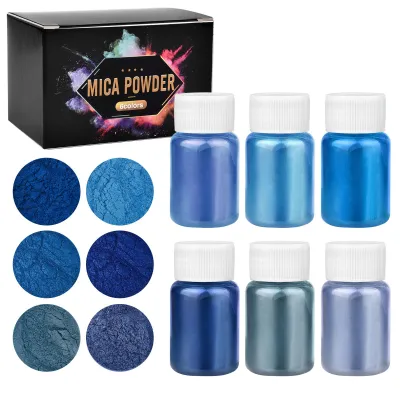
Prices are valid at publication and may change. Please refer to the product page for the latest price.
Lightfastness ratings indicate how well a pigment resists fading when exposed to light. Standardized scales, such as those established by the American Society for Testing and Materials (ASTM) or the Blue Wool Standard, provide a reliable measure of permanence. ASTM ratings range from Class I (Excellent) to Class V (Very Poor), while the Blue Wool scale ranges from 1 (very poor) to 8 (outstanding). Relying on standardized ratings is far safer than assuming permanence based on creative color names like “Sunset Orange” or “Deep Sea Blue.”
Opacity and transparency describe the inherent covering power of a pigment. This trait is determined by the refractive index of the pigment relative to the binder. Pigments with a high refractive index block the passage of light, making them opaque, while those with a lower refractive index allow light to pass through, making them transparent. Understanding this balance helps you predict how a color will behave when diluted or layered.
Finally, the oil absorption rate is a crucial metric for oil painters. This value represents the amount of drying oil (usually linseed oil) required to bind a specific weight of pigment into a cohesive paste, typically expressed as grams of oil per 100 grams of powder. High oil absorption rates mean the pigment will require more binder, which directly influences the drying time, paint consistency, and long-term flexibility of the dry paint film.
Prioritizing Traits for Watercolor Washes and Glazes
When formulating watercolor paint, fine particle size is the absolute priority. Watercolor relies on a thin binder of gum arabic dissolved in water. Because the dried paint film is incredibly thin, large or heavy pigment particles will not stay suspended in the wash. Instead, they settle quickly into the valleys of textured watercolor paper, creating a gritty, mottled effect known as granulation. While granulation can be a desirable texture for painting stone or sand, achieving smooth, flat sky washes requires ultra-fine, highly dispersible pigment powders.

Transparency is equally vital for traditional watercolor techniques. Watercolor painting is fundamentally an additive process where light passes through transparent layers of paint, reflects off the white paper underneath, and travels back to the viewer’s eye. Opaque pigments tend to look chalky or muddy when layered. Checking the transparency rating on the pigment label ensures your glazes remain luminous and your optical color mixes stay vibrant.
Because watercolor films are so thin, they offer very little physical protection to the pigment particles. This makes lightfastness exceptionally critical. Thin washes are highly vulnerable to UV degradation, especially when displayed in bright, sunlit rooms. Always select pigments rated ASTM Class I or II to ensure your delicate washes do not fade into obscurity over time.
To evaluate how a pigment powder will behave in water, you can perform a simple wetting test. Place a small pool of distilled water on a ceramic palette and dust a tiny pinch of the pigment powder onto the surface. A highly dispersible, hydrophilic pigment will quickly wet out and spread evenly across the water. If the powder clumps, floats stubbornly, or repels the water, it is hydrophobic and will require a wetting agent, such as a drop of ox gall or pure alcohol, to disperse successfully into your gum arabic binder.
Ensuring Stability and Vibrancy in Acrylic Mediums
Acrylic binders are synthetic polymer emulsions that are inherently alkaline, typically maintaining a pH between 8.0 and 10.0. This chemical environment poses a unique challenge for paint pigment powders. Some pigments are acid-sensitive or alkali-sensitive, meaning they will react chemically when mixed with an alkaline acrylic binder. For example, certain historical or low-grade pigments may curdle the emulsion, shift color dramatically, or lose their tinting strength entirely. Always verify the chemical stability and alkali resistance of a pigment on its TDS before mixing it with acrylic mediums.
Lightfastness and UV resistance are also paramount for acrylic paints, which are frequently used for mixed-media projects, crafts, and outdoor murals. In tropical environments characterized by intense sunlight and high humidity, inferior pigments will degrade rapidly. Choosing highly lightfast synthetic organic pigments or stable inorganic earth pigments ensures that outdoor installations and studio canvases alike retain their original brilliance.
Managing opacity and tinting strength is essential for achieving bold, solid coverage in acrylic painting. Tinting strength refers to how well a pigment maintains its color when mixed with white or other colors. Pigments with high tinting strength allow you to create vibrant tints without overloading the acrylic polymer with dry powder, which can weaken the dried paint film. Consistent drying is another factor; because acrylics dry through water evaporation, a well-dispersed pigment with balanced opacity will dry to a uniform, durable plastic film without cracking.
Before mixing a large batch of custom acrylic paint, perform a small compatibility test. Mix a small spoonful of the pigment powder with your chosen acrylic medium, such as a gloss gel or matte medium. Stir the mixture thoroughly and observe it over 48 hours. Look for any signs of delayed drying, separation of the binder, clumping, or unexpected texture changes. If the mixture remains smooth and dries to a flexible, non-chalky film, the pigment is compatible with your acrylic system.
Balancing Oil Absorption and Texture for Oil Painting
In oil painting, the relationship between the pigment powder and the drying oil binder is highly physical. You must carefully review the oil absorption rate of each pigment to prevent structural failures in your paintings. Pigments with exceptionally high oil absorption rates, such as raw umber or certain synthetic organics, require a large volume of oil to form a workable paste. If these high-absorption paints are applied in thick layers, they can dry to a wrinkled, overly greasy, or fragile film. Conversely, low-absorption pigments require very little oil, which can result in a brittle paint film if not balanced with a flexible medium.
Particle size and natural texture play a significant role in determining the handling characteristics of oil paint. Coarser pigments provide excellent physical structure, making them ideal for impasto techniques where the paint must hold crisp brushstrokes and palette knife marks without slumping. Fine, highly ground pigments are better suited for creating smooth, buttery paints that blend effortlessly on the canvas or form delicate, transparent glazes.
Oil painters must also watch out for reactive pigments. Certain metal-based pigments can react with the free fatty acids present in drying oils like linseed, walnut, or safflower oil. This reaction can cause the paint film to yellow, darken, or degrade over decades. Checking the chemical composition of your pigment powder helps you select stable alternatives that will not react negatively with your chosen oil binders.
Additionally, pigments act as natural drying time modifiers. Natural earth pigments containing iron or manganese oxides naturally accelerate the curing process of drying oils, often causing the paint to dry to the touch within 24 hours. On the other hand, many synthetic organic pigments retard the curing process, keeping the paint wet for several days. In humid tropical climates, where moisture can already slow down the oxidation and polymerization of drying oils, understanding these natural drying characteristics is essential for planning your painting layers and adhering to the “fat over lean” rule.
How to Verify Pigment Quality and Authenticity
To avoid low-quality, adulterated, or mislabeled powders, you must look beyond creative marketing names and verify the actual chemical composition of the product. The most reliable way to do this is by checking the Color Index (CI) generic name and constitution number. The Color Index is an international standard that classifies pigments by their chemical structure. For example, genuine Ultramarine Blue is classified as PB29 (Pigment Blue 29), while genuine Titanium White is PW6. If a jar labeled “Cobalt Blue” actually lists PB29 and PW6 on the back, you are buying a convenient imitation blend rather than pure cobalt pigment.
Always request or download the Technical Data Sheet (TDS) and Safety Data Sheet (SDS) from the supplier before purchasing pigment powders in bulk. The TDS provides precise physical specifications, including specific gravity, pH stability, oil absorption values, and average particle size. The SDS outlines critical safety information, handling hazards, and proper disposal methods, which are vital when working with raw chemical powders.
An excellent way to verify a pigment’s performance firsthand is by performing a simple drawdown test. Mix a small, measured amount of the pigment powder with a standard binder to create a smooth paint. Place a dab of this paint at the top of a professional drawdown card, which features a bold black band printed over a white background. Using a metal scraper or a putty knife, drag the paint downward in a single, firm stroke to create a gradient that tapers from thick to thin. This test allows you to visually assess the pigment’s true opacity over the black band, its tinting strength, and its undertone along the thin edges of the scrape.
Be on the lookout for common red flags when sourcing pigment powders. Avoid suppliers that do not provide CI numbers or those that use vague terms like “organic red” or “multipurpose blue.” Labels that feature the word “hue” after a historical pigment name (such as “Cadmium Red Hue”) indicate that the product is a blend of alternative pigments designed to mimic the color, which may not behave the same way chemically or physically as the genuine pigment. Missing lightfastness ratings or a complete lack of safety data are also strong indicators of low-quality, unrefined industrial powders that are unsuitable for fine art applications.
Decision Framework: Which Pigment Powder Fits Your Medium?
Choosing the right paint pigment powder requires matching the physical properties of the powder to your specific artistic technique and medium. Use the following guidelines to make an informed decision before purchasing:
- For Watercolor Painting: Prioritize ultra-fine particle sizes to ensure even suspension and prevent unwanted granulation on your paper. Select highly transparent pigments with excellent lightfastness (ASTM Class I) to maintain luminous, fade-resistant glazes.
- For Acrylic Painting: Choose chemically stable, alkali-resistant pigments that will not react with the alkaline acrylic polymer emulsion. Opt for pigments with high tinting strength and strong UV resistance, especially if your work will be exposed to bright tropical light.
- For Oil Painting: Balance your selection based on oil absorption rates to ensure a flexible, durable paint film. Select coarser, textured pigments for heavy impasto work, or fine pigments for smooth blending, and note how the pigment chemistry will affect the drying time of your oil layers.
- For Quality Assurance: Never purchase pigment powders in bulk without first verifying the Color Index number, reviewing the TDS, and checking the safety guidelines on the SDS.
Frequently Asked Questions (FAQ)
Can I use the exact same pigment powder for all three mediums?
Yes, many high-quality raw pigment powders can be used across watercolor, acrylic, and oil mediums, provided the pigment chemistry is compatible with each binder. However, you must verify the specific properties of the pigment before mixing. For example, an alkali-sensitive pigment like Prussian Blue will perform beautifully in watercolor and oil but will degrade or shift color in an alkaline acrylic binder. Additionally, some pigments require different levels of grinding or specific wetting agents to disperse properly in water-based mediums compared to oil-based mediums. Always consult the manufacturer’s Technical Data Sheet to confirm medium compatibility.
What safety precautions are needed when handling dry pigment powder?
Working with dry pigment powders requires careful safety practices to prevent the inhalation of fine particulate matter. Always wear a properly fitted particulate respirator (such as an N95 or N100 mask) to protect your lungs from airborne dust. Work in a well-ventilated area away from drafts, open windows, pets, and food. Wear nitrile gloves and protective eyewear to prevent skin absorption and eye irritation, especially when handling historical or heavy-metal pigments. To clean up, use wet methods—such as wiping surfaces with a damp paper towel—rather than sweeping or dry vacuuming, which can kick fine dust back into the air.

Community discussion
Share your experience or ask a question. Comments are reviewed before publication.