
Integrating a received stamp into your bullet journal layouts is an excellent way to combine functional tracking with a clean, vintage, or playful aesthetic. Whether you are logging the arrival of online shopping parcels, tracking work documents, archiving letters, or marking completed habits, this simple tool brings structure to your daily pages. In the Philippines, where parcel deliveries and creative journaling are both highly popular, finding the right stamp involves balancing design preferences with practical considerations like paper compatibility and tropical humidity.
Choosing the perfect stamp requires looking beyond the visual design. You must consider how the stamp material, size, and ink requirements interact with your specific journal paper. By understanding these variables, you can avoid common pitfalls like ink bleeding, smudging, or bulky layouts, ensuring your journal remains both organized and beautiful.
Understanding Received Stamps in Bullet Journaling
In bullet journaling, a received stamp serves as a visual anchor that instantly communicates the completion or arrival of an item. Instead of writing out “Received on” or drawing repetitive icons by hand, a quick stamp creates a uniform look across your pages. This is particularly useful for tracking monthly expenses, managing incoming mail, or keeping a log of deliveries from online marketplaces. By dedicating a specific stamp to these events, you establish a clear visual hierarchy that makes scanning your past entries effortless.
Products mentioned in this guide
![[DKI ENTERPRISES] HBW Office Date Stamp (PAID / RECEIVE)](https://img.lazcdn.com/g/p/4f7f36b213a56e2c0f4a81ae88a63e37.jpg_400x400q80.jpg_.webp)
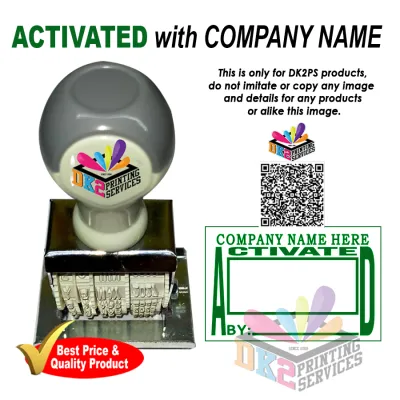
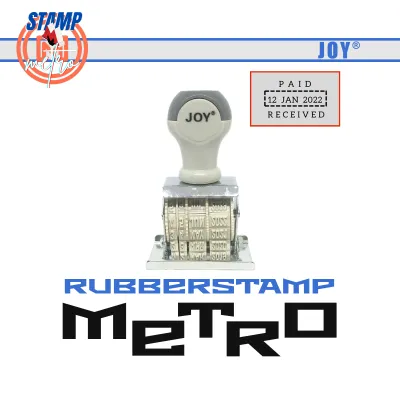
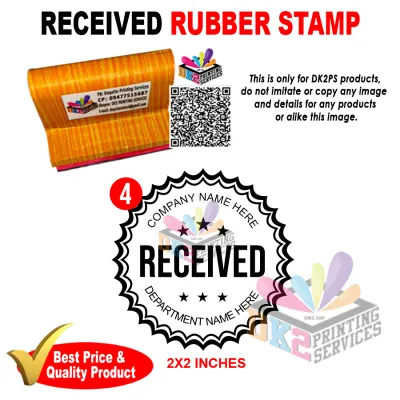
Prices are valid at publication and may change. Please refer to the product page for the latest price.
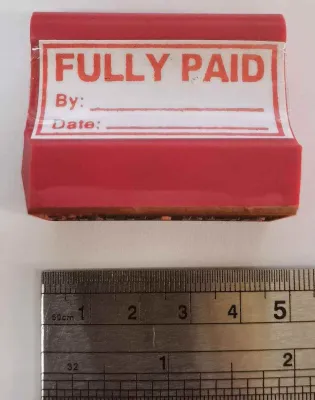
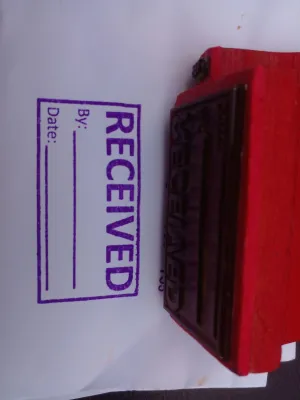
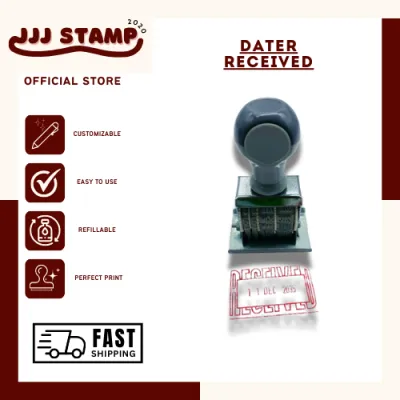
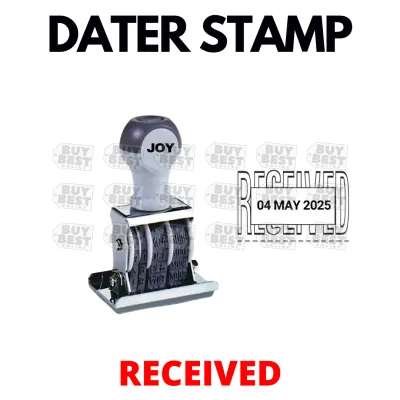
These stamps generally fall into two categories: functional text stamps and decorative illustrative stamps. Functional text stamps mimic traditional office stationery, often featuring a clean, sans-serif “RECEIVED” header accompanied by a adjustable date wheel or a blank line for manual entry. Decorative illustrative stamps, on the other hand, incorporate artistic elements such as floral borders, whimsical banners, or cute characters alongside the text. Choosing between them depends on whether your journaling style leans toward minimalist utility or creative, scrapbook-like layouts.
Integrating these stamps into your existing layouts is straightforward. In daily logs, a small received stamp can mark the arrival of an important email or package directly next to your rapid-logging bullets. For collection trackers, such as a dedicated delivery log, you can create a grid where each row features a stamped date, the item name, and the carrier. This structured approach keeps your collections neat and highly functional, turning routine tracking into an enjoyable ritual.
Key Features to Evaluate When Selecting Stamps
When shopping for a received stamp, ink compatibility is one of the most critical factors to evaluate. Many craft stamps require a separate ink pad, which gives you the freedom to choose your colors but requires carrying extra items if you journal on the go. Self-inking stamps, which have an integrated ink pad, offer maximum convenience but often use liquid, water-based inks that can easily bleed through standard journal paper. You must verify how the ink behaves on your specific paper weight; while 160 gsm paper can handle almost any ink, thinner 80 gsm or 100 gsm pages require fast-drying, bleed-resistant inks to prevent ghosting on the reverse side.

Size and proportion are equally vital for maintaining a balanced layout. Most bullet journals utilize a 5mm dot grid pattern, meaning your stamp dimensions should ideally align with these grid lines. A stamp that is too large will overwhelm a daily log and bleed into adjacent columns, while a stamp that is too small may become illegible. Measure your typical tracker boxes or margin spaces before purchasing; a stamp that fits within a 2×2 or 3×3 grid square (10mm to 15mm) is generally the most versatile for standard A5 journals.
Evaluating the material and mounting of the stamp will determine its ease of use and storage. Traditional wood-mounted rubber stamps are durable and aesthetically pleasing on a desk, but they block your view, making precise alignment difficult. Clear acrylic blocks paired with reusable silicone or photopolymer stamps offer a practical alternative. Because both the stamp and the block are completely transparent, you can see exactly where the ink will land on your page, which is incredibly helpful for keeping your layouts straight and orderly.
Finally, pay close attention to the design clarity and etching depth of the stamp. High-quality stamps feature deeply etched rubber or crisp, firm silicone that prevents the background or borders of the stamp from picking up stray ink. If the etching is too shallow, you will often end up with unwanted ink halos or smudged edges around your stamped image. Look for clean, sharp lines in the product design to ensure that every impression you make is crisp and legible.
Where to Find Quality Stamps in the Philippines
Finding quality stationery stamps in the Philippines is easier than ever, thanks to a mix of physical retail stores, online marketplaces, and local independent creators. If you prefer to inspect items in person before buying, major malls across the country host specialty craft stores and lifestyle boutiques. Visiting these physical shops allows you to feel the weight of wooden stamps, check the quality of clear stamp sheets, and sometimes even test ink pads on paper samples to ensure they meet your standards.
For a wider variety of designs, online marketplaces offer an extensive selection of both local and imported stamps. When browsing these platforms, use specific search terms like “aesthetic received stamp,” “date stamp for journaling,” or “clear stamps stationery.” To ensure a good purchase, always check the customer reviews section for real photos of the stamped impressions. Pay attention to feedback regarding how well the date wheels turn on adjustable stamps and whether the silicone sheets retain their stickiness over time.
If you are looking for something unique, supporting independent Filipino makers and small businesses is a fantastic route. Many local artists and stamp carvers showcase their work on social media platforms and craft communities. Some creators offer custom hand-carved rubber stamps, allowing you to design a personalized received stamp that features your own handwriting, a specific layout, or a signature icon. This not only gives you a one-of-a-kind tool for your bullet journal but also supports the vibrant local art community.
Best Practices for Stamping and Maintenance
Achieving a perfect stamp impression requires a combination of proper technique and the right environment. Always place your journal on a completely flat, hard surface before stamping. Because book bindings can create an uneven surface, placing a hard pencil board, a plastic writing mat, or even a thin piece of cardboard directly under the page you are stamping will provide the necessary support. Apply firm, even pressure straight down without rocking the stamp, as rocking often causes the edges to smudge or transfer excess ink onto your page.
Your choice of ink pad should also account for the tropical climate of the Philippines. High humidity can significantly slow down the drying time of pigment-based inks, leaving them prone to smudging long after you have stamped them. For bullet journaling, fast-drying dye inks or hybrid archival inks are highly recommended, as they sink into the paper fibers quickly and dry almost instantly. Always perform a quick test stamp on a back page or a scrap piece of the same paper to verify the drying speed and check for any bleed-through before committing to your main layouts.
Proper maintenance will extend the lifespan of your stamps and keep your impressions clean. After every journaling session, gently wipe your stamps with a damp, lint-free microfiber cloth or a alcohol-free baby wipe to remove residual ink. Avoid using harsh chemical solvents or alcohol-based cleaners, especially on clear photopolymer stamps, as these can dry out the material, cause it to crack, or destroy its natural stickiness. Store your stamps in a cool, dry place away from direct sunlight to prevent the rubber or silicone from warping or degrading in the tropical heat.
Frequently Asked Questions (FAQ)
Can I use regular office stamps for bullet journaling?
While you can technically use standard office stamps, they are generally not ideal for bullet journaling. Office stamps are designed for high-volume utility on thick copy paper or cardboard, meaning they often use heavy, oil-based inks that will easily bleed through or ghost on standard journal pages. Additionally, the designs of office stamps tend to be quite large, industrial, and utilitarian, which may clash with a carefully curated journal aesthetic. Craft-oriented stamps are specifically designed with finer lines, smaller dimensions, and compatibility with gentle, water-based or hybrid craft inks that respect your journal paper.
How do I prevent stamp ink from smudging in my journal?
To prevent smudging, prioritize fast-drying dye-based inks over slow-drying pigment inks, especially in humid conditions. After stamping, allow the page to sit open for a minute or two before turning it or closing your journal. If you are in a hurry, you can place a sheet of blotting paper or a clean scrap of paper between the pages to absorb any excess moisture and protect the facing page. Regularly cleaning your stamps also prevents ink buildup in the fine crevices, which is a common cause of blurry, wet, and easily smudged impressions.
Are custom received stamps available from local sellers?
Yes, many independent Filipino crafters and specialized stationery shops offer custom stamp-making services. You can collaborate with these makers to create a custom date or received stamp featuring a specific font, your name, or a unique illustration. When ordering a custom stamp, you will typically need to provide a high-contrast, black-and-white digital file of your design. Be sure to clarify the final dimensions with the seller to ensure the custom piece will fit perfectly within your bullet journal’s grid system.

Community discussion
Share your experience or ask a question. Comments are reviewed before publication.