
For toddlers under three years old, sensory play is a vital pathway for cognitive and motor development. Introducing modeling materials at this stage encourages hand-eye coordination, strengthens finger muscles, and fosters creative expression. However, because children in this age bracket frequently explore their environment by putting objects in their mouths, safety must be the primary filter when choosing play dough. The ideal play dough for a young toddler must be completely non-toxic, soft enough for developing hands to manipulate without frustration, and free from small parts or additives that pose choking hazards.
Navigating the toy and stationery aisles requires a careful balance between convenience and safety. Parents and caregivers must distinguish between products designed for older children and those specifically formulated for early childhood. By understanding safety certifications, evaluating physical textures, and considering the unique challenges of tropical storage, you can create a secure and engaging sensory environment for your child.
Decoding Safety Labels and Ingredient Transparency
When evaluating commercial play dough, the term “non-toxic” is often printed prominently on the packaging, but understanding what this label actually means is crucial for toddler safety. A non-toxic designation indicates that the product has been evaluated and does not contain harmful chemicals in quantities toxic to humans. It means that if a toddler accidentally swallows a small, pea-sized amount during play, it is highly unlikely to cause poisoning or severe illness. However, non-toxic does not mean food-grade or edible; these commercial formulas are still chemical mixtures not intended for consumption.
Products mentioned in this guide
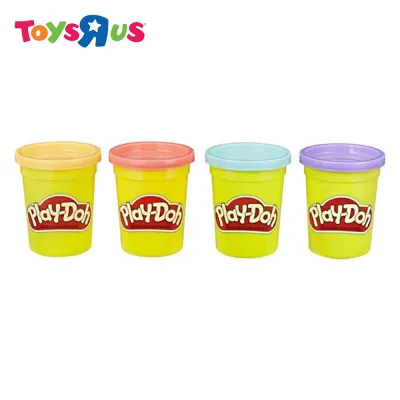
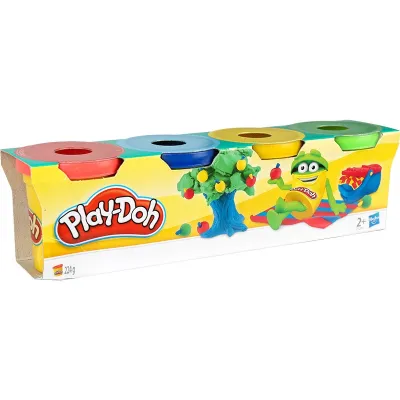
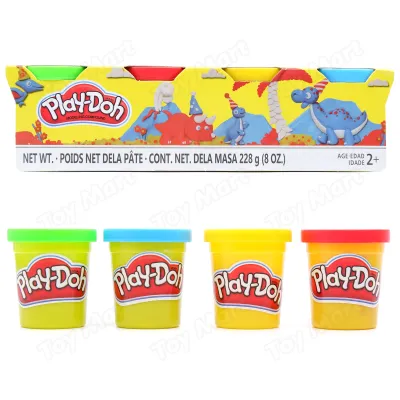
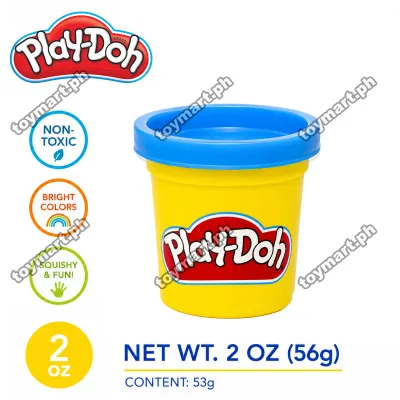
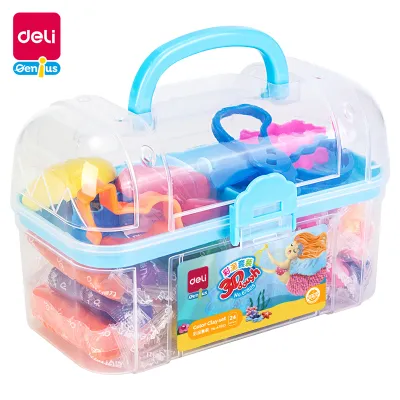
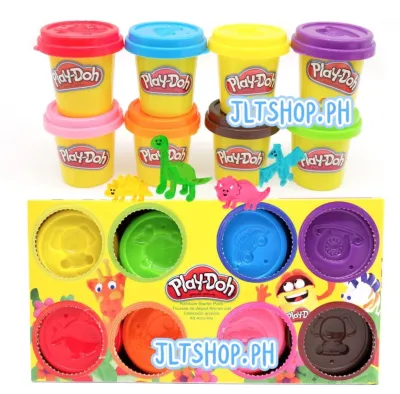
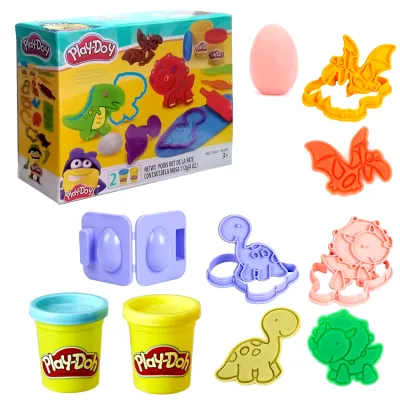
Prices are valid at publication and may change. Please refer to the product page for the latest price.
To verify these safety claims, look for recognized international standards on the packaging. Look for codes such as ASTM D-4236, which confirms that the art materials have been evaluated by a toxicologist, or EN71, the European standard for toy safety. In addition, check for age-grading labels. Products marked with a “3+” or a warning symbol for children under 36 months often contain small parts, accessories, or chemical formulations that are unsuitable for younger toddlers. For children under three, you should actively seek out products explicitly labeled as safe for toddlers or early childhood.
Another critical aspect of ingredient transparency is allergen identification. Many commercial play doughs use wheat flour as their primary structural base, which means they contain gluten. For toddlers with wheat allergies or celiac disease, skin contact or accidental ingestion can trigger adverse reactions. If your child has specific sensitivities, read the ingredient list carefully or contact the manufacturer to verify the base materials. Some brands offer alternative formulations using rice, soy, or cornstarch bases to accommodate sensitive users.
Store-Bought vs. Homemade Play Dough: Choosing Your Route
Deciding whether to purchase pre-made play dough or mix your own at home depends on your lifestyle, budget, and how closely you want to monitor the ingredients. Both paths offer distinct advantages and require specific quality checks to ensure they remain safe for toddler play.

Evaluating Commercial Non-Toxic Options
Commercial play dough offers unmatched convenience, vibrant colors, and a highly consistent texture that is difficult to replicate perfectly at home. When sourcing these products from local stationery shops or online marketplaces, always inspect the packaging integrity. Ensure the containers are hermetically sealed; any breach in the seal can introduce airborne mold spores or cause the dough to dry out before it even reaches your home. In warm, humid environments, mold can develop rapidly inside compromised packaging, making a thorough visual check essential.
Additionally, verify that the formulation is tailored for early childhood. Toddlers under three have limited hand strength, so they require a dough that is exceptionally soft and pliable. Avoid standard modeling clays or plasticine, which require significant warming and kneading to become workable. Finally, steer clear of commercial doughs that feature strong artificial scents, such as bubblegum, chocolate, or fruit flavors. While these scents are appealing, they actively encourage toddlers to put the dough in their mouths, undermining your efforts to teach them that play dough is not food.
Preparing Edible Homemade Play Dough
For complete control over what enters your child’s play space, preparing homemade play dough is an excellent alternative. By using standard pantry staples, you can create a batch that is entirely food-grade. A classic recipe typically combines all-purpose flour, water, vegetable oil, cream of tartar, and salt. Cream of tartar acts as a natural preservative and improves elasticity, while vegetable oil keeps the mixture smooth and prevents it from sticking to small fingers. To color the dough, use natural food coloring or vegetable-based dyes like beet juice or turmeric.
While homemade dough is technically edible because it consists of food ingredients, it is wise to adjust the salt content. High amounts of salt act as a preservative but also make the dough taste incredibly unpalatable, naturally discouraging your toddler from eating more than a single, curious taste. Alternatively, for very young toddlers who are still in the oral exploration phase, you can create fully edible, salt-free versions using oat flour or fruit purees, though these have a much shorter shelf life. Because homemade dough lacks synthetic preservatives, it is highly susceptible to mold, especially in tropical climates. Always store homemade batches in airtight containers inside the refrigerator and inspect them before every play session.
Texture and Sensory Checks for Small Hands
The physical properties of play dough directly impact both safety and play value. Before handing any dough to a toddler, perform a quick sensory assessment to ensure it matches their physical capabilities.
First, test the resistance of the material. Squeeze a small ball of the dough between your thumb and forefinger. It should yield easily to gentle pressure, mimicking the soft resistance of bread dough. If the dough is too stiff, a toddler will quickly lose interest or become frustrated. Conversely, if the dough crumbles easily under pressure, it poses a physical hazard. Small, dry crumbs can easily be picked up, scattered, or accidentally inhaled or stuffed into noses and ears.
Second, check the stickiness of the formulation. High-quality play dough should pull away cleanly from surfaces and skin. If the dough leaves a greasy, colored, or sticky residue on your hands, it will likely do the same on your toddler’s skin, hair, and play table. Sticky dough is not only difficult to clean, but it also collects dust, hair, and floor debris rapidly, compromising hygiene.
Finally, evaluate how the dough retains moisture during active play. In warm, tropical conditions, open-air play can dry out dough quickly. If a dough loses its moisture too fast, it begins to form a hard, crusty outer layer. This crust can break off into sharp, solid flakes or small chunks that present a choking hazard. A high-quality dough should remain pliable for at least thirty minutes of open play without showing signs of surface cracking.
Building Your Safe Play Dough Shortlist
When you are ready to purchase, establishing a systematic filtering process will help you select the safest products available on ecommerce platforms or in physical retail stores.
Begin your search by filtering strictly by age recommendations. Look for products that explicitly state they are designed for ages one to three. Avoid any kits that bundle the play dough with plastic molds, rolling pins with small pegs, or decorative stamps that are small enough to fit entirely inside a toddler’s mouth. If you purchase a set that includes accessories, set the tools aside for later years and let your toddler play solely with the dough itself.
Next, leverage user feedback on online marketplaces. When reading reviews, look past the overall star rating and search specifically for keywords like “mold,” “smell,” “sticky,” or “dry.” If multiple buyers report that a specific brand arrived with a strong chemical odor or developed mold within a week of opening, remove that option from your list. Pay close attention to reviews from users living in humid regions, as they will provide the most accurate picture of how the dough performs in tropical climates.
Finally, compare the price per gram in ₱ to find a sustainable option. Play dough for toddlers is a consumable item that will inevitably need to be replaced due to contamination, drying, or color mixing. Calculate the cost efficiency of larger tubs versus multi-packs of smaller cups. Look for brands that offer simple, bulk refill packs without unnecessary plastic toys, which allows you to maintain a fresh, hygienic supply of dough without paying for redundant accessories.
Supervision, Storage, and Hygiene Practices
Even the safest, most natural play dough requires proper management and active supervision to ensure a hazard-free play environment.
Active supervision is the single most effective safety measure. Toddlers under three are rapidly developing their fine motor skills, and they may attempt to roll dough into small, firm spheres. These small balls can easily become choking hazards if placed in the mouth. During play, sit with your child and encourage them to flatten, squash, or pull the dough apart rather than rolling it into small shapes. Keep a close eye on their hands to redirect any pieces heading toward their mouth.
Hygiene is equally critical, especially since play dough is a highly tactile medium that easily traps dirt. Before play begins, ensure your toddler washes their hands thoroughly with soap and water, and wipe down the play table or sensory tray. This simple step prevents dirt, food crumbs, and bacteria from transferring into the dough, which significantly extends its usable lifespan. Repeat the handwashing process after play to remove any natural oils or starch residue from their skin.
Lastly, establish a strict routine for inspecting and discarding old dough. Because of the high moisture content in play dough, it can become a breeding ground for bacteria and mold over time. Before every play session, smell the dough. If it exhibits a sour, musty, or yeast-like odor, discard it immediately. Look for physical signs of degradation, such as dark spots, a slimy texture, or a dry, crusty exterior that no longer integrates when kneaded. When in doubt, it is always safer to discard the batch and open a fresh container.
Frequently Asked Questions (FAQ)
What should I do if my toddler eats a large amount of play dough?
If your toddler swallows a significant amount of play dough, remain calm and immediately remove any remaining dough from their mouth. Check the product packaging or your recipe list to identify potential allergens, particularly wheat or high salt levels. Offer your child a few sips of water to help dilute the salt and aid digestion. Monitor them closely for any signs of stomach discomfort, nausea, or changes in behavior. If they exhibit symptoms of distress, or if you suspect the dough contained non-food additives, contact your pediatrician or a local medical professional for guidance.
Is play dough with glitter or beads safe for children under 3?
No, play dough containing glitter, beads, sequins, or other small decorative add-ins is not safe for children under three years old. These small items are major choking hazards and can cause internal irritation if swallowed. Furthermore, plastic glitter can easily transfer from the dough to a toddler’s fingers and eventually into their eyes, causing painful scratches. For toddlers, always stick to smooth, uniform dough without any embedded objects or textured decorations.
Community discussion
Share your experience or ask a question. Comments are reviewed before publication.