
Working with faux fur fabric requires a complete shift in how you evaluate sewing patterns. Unlike standard woven or knit textiles, faux fur is a composite material consisting of a synthetic pile knitted or woven into a heavy backing. This unique structure means that every seam, fold, and dart is multiplied in thickness, which can quickly lead to jammed sewing machines, distorted shapes, and ruined projects. To avoid wasting expensive specialty fabric, your pattern selection must prioritize simplicity and volume management from the very beginning.
The most successful faux fur projects rely on patterns designed to accommodate bulk rather than fight against it. By choosing designs with clean lines, generous ease, and minimal structural seams, you allow the texture of the pile to take center stage. Whether you are crafting a cozy vest for air-conditioned spaces, a statement jacket, or plush home accessories, understanding how a pattern interacts with the physical weight of the fur backing is the key to a professional, high-end finish.
Design Features That Work Best for Faux Fur Patterns
When browsing through pattern catalogs, look for designs that feature simple, boxy, or slightly oversized silhouettes. Straight lines and minimal seam lines are your best allies because they reduce the number of times your sewing machine must stitch through multiple layers of thick backing. A simple collarless coat, a straight-cut vest, or a basic pullover design will always look cleaner and more professional than a highly structured garment. These simple shapes allow the fur pile to flow naturally over the body without being interrupted by unnecessary structural breaks.
Products mentioned in this guide
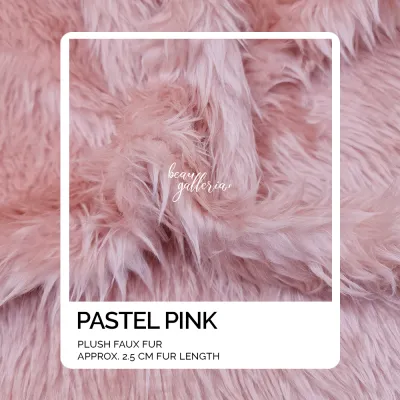

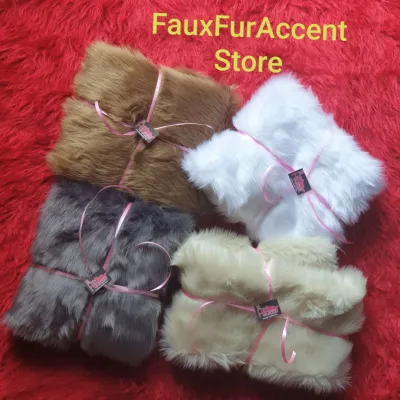
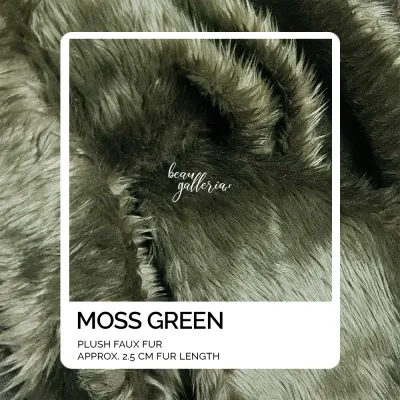
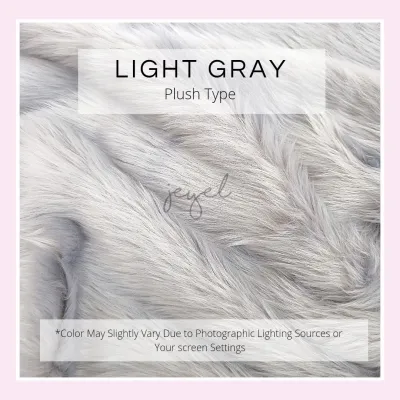
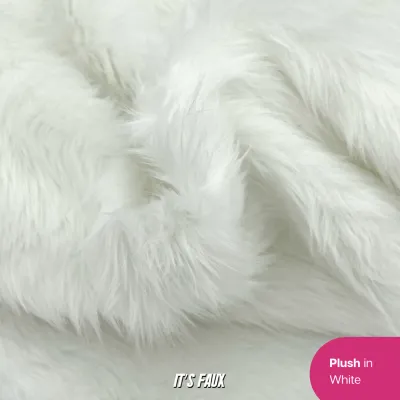
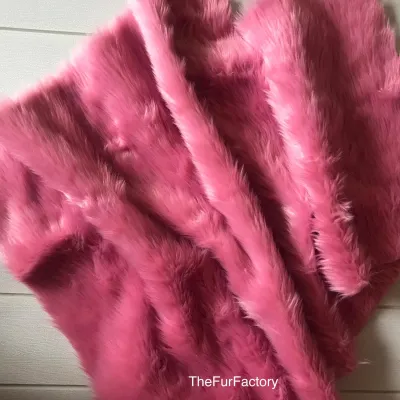
Prices are valid at publication and may change. Please refer to the product page for the latest price.
Loose, relaxed, or oversized fits are highly recommended because they naturally accommodate the physical thickness of the fabric. Faux fur does not drape the way lightweight cotton or silk does; instead, it stands away from the body and creates its own volume. A pattern with built-in ease ensures that the garment remains comfortable to wear and does not look stiff or restrictive. Choosing a relaxed fit also means you do not have to worry about precise body contouring, which is incredibly difficult to achieve with thick pile fabrics.
Pay close attention to the sleeve construction of your chosen pattern. Dropped shoulders, raglan sleeves, or kimono-style constructions are ideal for faux fur because they eliminate the need for a traditional set-in sleeve. Set-in sleeves require easing a curved sleeve cap into a tight armscye, a process that creates immense bulk and puckering when attempted with thick fabrics. By opting for a raglan or dropped-shoulder design, you can sew flatter, simpler seams that lie smooth and do not restrict arm movement.
Pattern Details to Avoid to Prevent Wasting Material
To prevent costly mistakes and avoid wasting your material, you must actively avoid patterns that rely on intricate shaping details. Complex darts, deep pleats, and tight gathers are nearly impossible to execute cleanly in faux fur. When you fold a thick backing to create a dart or a pleat, you trap multiple layers of dense pile inside the fold, resulting in a bulky, unsightly lump on the outside of the garment. Similarly, gathering faux fur along a seam line will create an unmanageable ridge of fabric that your sewing machine needle may not even be able to pierce.

Intricate tailored details should also be crossed off your list. Structured collars, stiff cuffs, double-breasted button plackets, and welt pockets require precise folding, pressing, and topstitching. Faux fur cannot be pressed with a hot iron without melting the synthetic fibers, making crisp, tailored edges impossible to achieve. A welt pocket sewn into faux fur will often look like a distorted, bulging slit rather than a clean design element. Instead, look for patterns that utilize simple patch pockets hidden in the side seams or omit pockets entirely.
Finally, steer clear of tight-fitting garments or designs with high, narrow armholes. When a thick-pile fabric is pressed tightly against the body, the pile compresses, which can feel incredibly scratchy and hot, especially in humid tropical climates. Tight armholes also put immense stress on the fabric backing and the seams every time you move your arms. This stress can cause the backing to tear or the seams to pop, ruining hours of hard work. Keep the openings wide and the fit generous to ensure longevity and comfort.
How to Adjust Standard Patterns for Thick Pile Fabrics
If you have a favorite standard pattern that you want to adapt for faux fur, you must make several critical adjustments before cutting your fabric. Start by checking the pattern envelope’s recommended fabric weight. If the pattern was originally designed for medium-weight woven fabrics like denim or wool, you will need to compare those recommendations against the specific label on your faux fur. Because faux fur is significantly thicker, you will almost always need to size up the pattern by at least one full size to ensure the finished garment still fits comfortably over your clothes.
Next, look for ways to simplify the interior construction of the pattern to manage bulk. Standard patterns often call for self-fabric facings around necklines, armholes, and waistbands. Using faux fur for these facings will create an incredibly thick, uncomfortable edge. Instead, draft new facing pieces using a lightweight, smooth lining fabric like satin or polyester taffeta. You can also eliminate waistbands entirely by finishing the waist with a clean lining or a lightweight bias binding, keeping the interior of the garment as flat and smooth as possible.
You must also adjust the seam allowances of your pattern. Standard commercial patterns typically use a 1.5-centimeter seam allowance, which can be difficult to manage when sewing thick pile. Consider increasing the seam allowance to 2 centimeters for major structural seams to give yourself more room to maneuver under the presser foot. Once the seam is sewn, you can grade the seam allowances by trimming the fur backing close to the stitches on one side and cutting the pile away from the seam allowance area entirely to reduce bulk before pressing the seam open.
Matching Patterns to Specific Faux Fur Project Scenarios
Different sewing projects require different pattern strategies to ensure success. For outerwear and jackets, prioritize structural simplicity and layering clearance. Since these garments are often worn over other clothing, the pattern must have wide sleeves and a relaxed chest measurement. Ensure the pattern allows for secure edge finishes, such as a simple hem bound with bias tape or a fully lined edge. Avoid patterns that require traditional buttonholes, as these are incredibly difficult to sew through thick fur; instead, plan for heavy-duty snaps, toggle closures, or large hook-and-eye fasteners.
When sewing accessories like bags, hats, or scarves, you must manage small-scale shedding and reinforce stress points. Patterns for accessories often feature tight curves and small pieces, which can be challenging to sew. Choose patterns with as few pieces as possible, and ensure that any curved edges are gentle rather than sharp. Because bags carry weight, the pattern should include a sturdy, non-stretch lining to support the faux fur and prevent it from stretching out of shape over time.
For home decor items like cushions, throws, or rugs, flat patterns are the easiest to adapt. When making a cushion cover, choose a simple envelope-style back pattern rather than inserting a zipper, which can easily get caught in the long fur fibers. If you are making a large throw blanket, a pattern that simply joins a faux fur front to a soft flannel or fleece backing with a clean, turned edge is highly effective. This avoids complex seaming while creating a luxurious, functional piece for your living space.
Essential Layout and Cutting Checks Before You Start
Before you pick up your scissors or rotary cutter, you must perform several essential checks to ensure your pattern pieces are laid out correctly. The most critical step is identifying the nap direction of the faux fur. Run your hand over the fabric; the direction in which the fur feels smooth is the downward direction, or the nap. All your pattern pieces must be laid out with the top of the pattern pointing in the opposite direction of the nap, so the fur runs downward on the finished garment. Mark this direction clearly on the backing of the fabric with a chalk marker before placing your pattern pieces.
It is highly recommended to test your seam bulk on scrap pieces of your specific faux fur before sewing the actual project. Use these scraps to test your sewing machine’s foot pressure, stitch length, and needle compatibility. A heavy-duty universal or denim needle is usually necessary to pierce the thick backing. Set your machine to a slightly longer stitch length to prevent the machine from jamming, and adjust the presser foot pressure if your machine allows it, ensuring the fabric feeds smoothly without bunching.
Finally, plan your pattern layout carefully to maximize your yardage while strictly respecting the pile direction. Because all pieces must face the same direction, you cannot flip pattern pieces upside down to save space as you might with plain cotton. This means you will likely need to purchase extra fabric—often 15% to 20% more than the pattern envelope specifies—to accommodate the one-way layout. Taking the time to plan this layout on a large flat surface will prevent you from accidentally cutting a piece with the fur running upward, which would require a costly replacement.
Frequently Asked Questions (FAQ)
Can I use a standard woven cotton pattern for faux fur?
Yes, but you must make several modifications to ensure a successful fit and construction. Standard woven cotton patterns are designed for thin, non-stretch fabrics and often feature precise tailoring, darts, and tight armholes that do not translate well to thick faux fur. You will need to size up the pattern to accommodate the physical thickness of the fur backing and the pile. Additionally, you should eliminate unnecessary structural details like darts, replacing them with ease, and substitute lightweight lining fabric for any interior facings to prevent excessive bulk at the necklines and cuffs.
How do I handle pattern matching at the seams?
Exact visual pattern matching is highly difficult and usually unnecessary with medium to long-pile faux fur, as the long fibers naturally drape over the seam lines and blend together. Instead of trying to match the pattern perfectly, focus on ensuring that the nap direction runs downward on all adjacent panels. Once the seams are sewn, use a comb, a clean toothbrush, or a darning needle to gently pull out any fur fibers that were trapped in the seam line. This simple brushing technique will effectively hide the join line, making the seam virtually invisible.
Community discussion
Share your experience or ask a question. Comments are reviewed before publication.