
For students embarking on school art and STEM projects in the Philippines, choosing the right balsa wood is the foundation of a successful build. Whether creating architectural models, bridge trusses, or hand-carved sculptures, the best balsa wood sheets and blocks are those that precisely match the project’s structural demands and the student’s skill level. Balsa wood is uniquely prized for its high strength-to-weight ratio and ease of manipulation, but choosing the wrong density, cut, or thickness can quickly lead to cracked models, warped surfaces, or broken craft blades.
To select the ideal balsa wood, you must evaluate three primary factors: the physical format (sheets, blocks, or sticks), the density grade (light, medium, or heavy), and the grain direction. In the humid tropical climate of the Philippines, environmental factors also play a critical role, as moisture absorption can alter the wood’s weight and cause thin sheets to warp. Understanding how to inspect, cut, and join these materials ensures that school projects remain structurally sound and visually polished from the drafting table to the classroom grading rubric.
Understanding Balsa Wood Density and Grades for Art Projects
Although balsa is classified botanically as a hardwood, it is incredibly soft and lightweight. However, not all balsa wood is identical; its density varies significantly depending on where the tree grew and how it was harvested. Balsa density is generally categorized into light (under 8 pounds per cubic foot), medium (8 to 12 pounds per cubic foot), and heavy (over 12 pounds per cubic foot). This density directly dictates how the wood behaves under a blade and how much load it can support.
Products mentioned in this guide
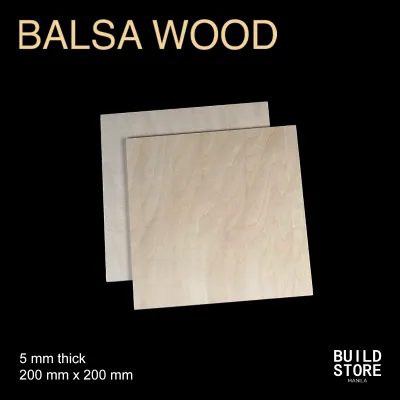
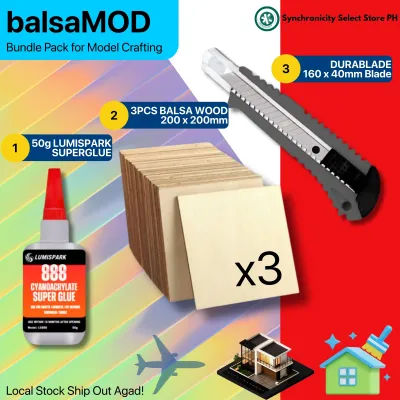
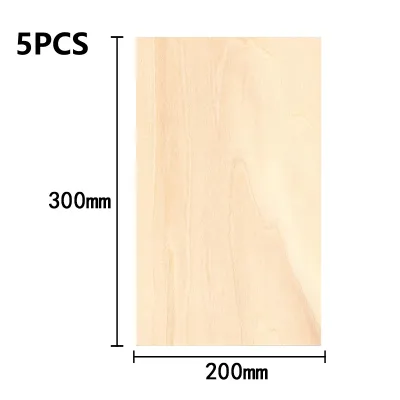
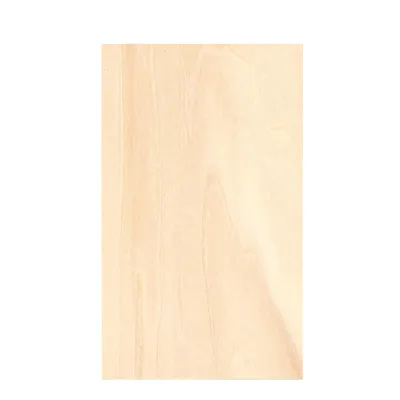
![[Hot Sale] 2pcs 5mm A3 Basswood Sheets 5pcs 2mm A4 DIY Balsa Wood Sheets For Sustainable Crafts Model](https://img.lazcdn.com/g/p/202507bc49e373505a6e7cf9fdd1f706.jpg_400x400q80.jpg_.webp)
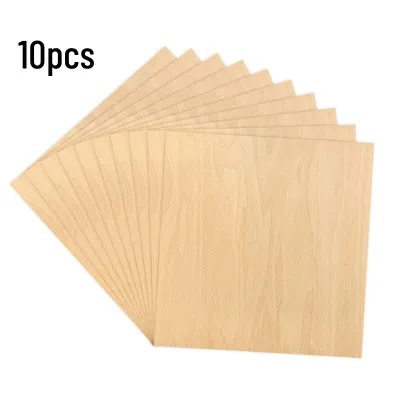
Prices are valid at publication and may change. Please refer to the product page for the latest price.
For younger students or projects that require intricate cutting, lighter grades of balsa wood are highly recommended. These soft, low-density sheets can be sliced easily with a basic utility knife or even heavy-duty craft scissors, minimizing the physical force required. Such grades are perfect for non-structural elements like the facade of a diorama, decorative miniature furniture, or light craft models. Because they offer very little resistance, they reduce the risk of a blade slipping during delicate cuts.
Conversely, structural engineering assignments—such as building a load-bearing bridge or a model tower for a physics class—demand medium to heavy balsa grades. High-density balsa wood provides the necessary compressive and tensile strength to withstand external weight. If a student attempts to build a truss bridge using low-density balsa, the joints will likely crush under minimal pressure. High-density pieces are harder to cut, requiring multiple passes with a sharp blade, but they offer the structural integrity needed for advanced STEM projects.
When sourcing balsa wood, visual inspection alone is rarely sufficient to determine density. A piece of light balsa can look identical to a piece of heavy balsa. For this reason, it is crucial to check product labels, manufacturer specifications, or seller descriptions for density ratings or weight classifications. If you are purchasing in bulk for a classroom, selecting a “medium” density assortment is often the safest compromise, providing a balance between ease of cutting and structural durability.
Sheets, Blocks, and Sticks: Matching Balsa Shapes to Project Needs
Balsa wood is processed into three primary commercial shapes: sheets, blocks, and sticks. Each format serves a distinct purpose in model building and art creation. Selecting the wrong shape not only complicates the construction process but can also lead to excessive material waste and structural failure.

Balsa Wood Sheets for Flat Structures and Skinning
Balsa wood sheets are wide, flat panels typically ranging in thickness from 1 millimeter to over 12 millimeters. These sheets are the primary material for creating flat surfaces, such as the walls of architectural models, the wings of model airplanes, the hulls of miniature boats, and the backdrops of dioramas.
The thickness of the sheet dictates its flexibility and strength. Thinner sheets (1mm to 2mm) are highly flexible and can be easily curved to form rounded surfaces, though they are highly fragile and susceptible to splitting along the grain. Thicker sheets (3mm to 6mm and above) provide a sturdy, rigid surface suitable for floors, bases, and load-bearing walls.
When selecting balsa sheets, especially in the humid Philippine climate, verifying flatness is paramount. High humidity can cause thin sheets to absorb moisture unevenly, resulting in severe warping. Before purchasing, lay the sheet on a flat surface to check for any bowing or curling. A warped sheet will not lie flush against other components, making precise alignment and gluing extremely difficult.
Balsa Wood Blocks for Carving and 3D Sculpting
Balsa wood blocks are thick, solid three-dimensional pieces designed for subtractive sculpting, stamp making, custom figurine carving, and creating solid structural joints. Because balsa is so soft, it is an excellent introductory medium for students learning woodcarving techniques without the physical strain of carving denser woods like mahogany or pine.
Before starting a carving project, students must identify the wood’s grain direction. Carving across the grain requires more effort and can cause the wood to tear or splinter, whereas carving with the grain yields smooth, clean curls. It is best to plan the design so that detailed features run parallel to the grain to prevent fragile details from breaking off.
Inspect balsa blocks thoroughly for internal defects before carving. Look for knots, cracks, or localized spots of uneven density. A block with a hidden internal crack can split completely in half midway through a detailed carving session, ruining hours of student work. Ensure the block feels uniformly solid and dry to the touch.
Balsa Wood Sticks and Strips for Frameworks and Trusses
Balsa wood sticks and strips are narrow, elongated pieces with square or rectangular cross-sections. They are the essential building blocks for skeletal frameworks, truss bridges, tower models, and edge reinforcements on flat sheet structures.
For engineering and physics projects, the consistency of these sticks is critical. Each stick must have a uniform cross-section along its entire length to ensure that stress is distributed evenly across the model. A stick that is slightly thinner in the middle will act as a weak point, causing the entire framework to fail prematurely under a load.
When purchasing balsa sticks, inspect them for straightness. Avoid any pieces that exhibit twisting, bowing, or warping. A twisted stick will introduce unwanted torque into a structural frame, making it impossible to build a symmetrical, stable model. Run your fingers along the edges of the stick to verify that the cut is clean and free of splinters or fraying.
Key Quality Checks Before Buying Balsa Wood for School
Sourcing balsa wood for school projects—whether for an individual student or in bulk for an entire classroom—requires careful quality control. Because balsa is exceptionally soft and delicate, it is highly vulnerable to damage during storage, transit, and handling.
First, examine the grain pattern of the wood. Balsa wood is classified into three grain types: A-grain, B-grain, and C-grain. A-grain wood has long, continuous fibers and is highly flexible, making it ideal for bending. B-grain has a more random pattern and is a versatile utility cut. C-grain is highly rigid and resistant to bending, but splits easily if flexed. For structural models, C-grain sheets are preferred for their stiffness, while A-grain is necessary for curved designs. Ensure the grain pattern matches your specific project requirements.
Next, evaluate the moisture content of the wood. In tropical regions like the Philippines, high atmospheric humidity can cause balsa to absorb water, increasing its weight and making it susceptible to mold. High-quality balsa should feel completely dry and lightweight. If the wood feels damp, heavy, or cold, it has absorbed moisture and may warp or shrink as it dries out in an air-conditioned classroom or home.
If you are purchasing balsa wood online, pay close attention to the seller’s packaging standards. Because balsa sheets and sticks are so thin, they can easily snap or crush if shipped in standard plastic mailers. Look for sellers who ship balsa wood in rigid cardboard boxes, often sandwiching the wood between thicker pieces of scrap cardboard for protection. Read customer reviews specifically to see if previous buyers received their orders intact or if they arrived broken and warped.
Finally, always calculate your material requirements with a generous margin for error. Student projects are learning experiences, and mistakes, miscuts, and structural breakages are common. It is wise to purchase 15% to 20% more material than the project blueprint requires. This extra buffer ensures that a single cutting error does not halt progress, especially when replacement wood cannot be sourced quickly.
Essential Tools and Safety Practices for Cutting and Shaping
Working with balsa wood is highly rewarding, but it requires the right tools and strict adherence to safety protocols. Because the wood is so soft, using the wrong tools can crush the delicate fibers, resulting in messy joints and weak structures.
The most essential tool for working with balsa is a sharp craft knife or hobby scalpel. A metal ruler is also indispensable; plastic rulers should be avoided because a sharp craft blade can easily slice into the plastic, ruining the straightedge and potentially causing the blade to jump. Always cut on a self-healing cutting mat to protect your work surface and keep the blade from dulling prematurely. For joining pieces, high-quality wood glue or tacky glue is preferred, alongside fine-grit sandpaper (220 to 400 grit) for smoothing edges.
A common misconception is that a dull blade is safer than a sharp one. In reality, a dull blade requires the user to apply excessive downward pressure to cut through the wood. This increased force makes the blade highly likely to slip out of control, leading to severe finger lacerations. Furthermore, a dull blade will crush and tear the balsa fibers rather than slicing them cleanly. Always use fresh, sharp blades, and replace them the moment you feel the knife dragging or tearing the wood.
When cutting balsa wood, safety must always come first. Follow these strict protocols:
- Cut away from your body: Never place your fingers or hand in the path of the blade.
- Use a metal ruler as a guard: Keep your non-dominant hand firmly behind the straightedge of the ruler, well away from the cutting line.
- Take multiple light passes: Never try to cut through thick balsa wood in a single stroke. Instead, draw the blade lightly along the line to score it, then repeat the motion three or four times until the cut is complete. This method prevents the wood from splitting and keeps the blade under control.
- Wear safety glasses: When snapping small pieces or sanding, fine wood dust and small splinters can fly up, making eye protection highly advisable.
Adult supervision is mandatory whenever younger students are using sharp cutting tools or strong chemical adhesives. For elementary school students, teachers and parents should pre-cut the balsa pieces according to the project template, allowing the children to focus on assembly, painting, and decoration without handling dangerous blades.
Where to Source Quality Balsa Wood in the Philippines
Finding reliable balsa wood supplies in the Philippines depends on your location, budget, and project timeline. There are several retail channels available, each offering distinct advantages and trade-offs.
Specialized art, drafting, and hobby supply stores are the premier choice for sourcing high-quality balsa. These stores, often located near major universities or in urban centers like Metro Manila, Cebu, and Davao, allow you to physically inspect each sheet and block before buying. You can check for warping, feel the density, and ensure the wood is dry. While prices at specialized hobby shops may be slightly higher—ranging from ₱50 for a thin stick to ₱300 or more for thick blocks—the ability to select prime pieces minimizes waste.
For basic projects, large national bookstore chains and school supply retailers are highly convenient. Many of these stores stock pre-packaged balsa wood assortments, craft kits, and standard sheet sizes in their arts and crafts sections. These packages are excellent for quick, simple school assignments, though the selection of thicknesses and shapes is usually limited compared to specialized hobby shops.
If you need bulk quantities for a classroom or require highly specific dimensions, general online marketplaces and e-commerce platforms are excellent resources. Online sourcing allows you to compare prices across various local and international distributors. However, when buying online, you must factor in shipping costs and transit risks. Because balsa is highly fragile, look for sellers with high ratings and positive reviews regarding their packaging methods. Ensure they use rigid packaging to prevent the wood from snapping during transit across provinces.
Frequently Asked Questions (FAQ)
Can I use regular school glue on balsa wood?
While standard white school glue (PVA) is porous enough to bond with balsa wood, its high water content poses a significant risk. As the water in the glue evaporates, it can cause thin balsa sheets to warp, curl, or swell. For better results, use specialized wood glue, quick-drying tacky glue, or cyanoacrylate (super glue) under adult supervision. These adhesives cure faster, provide a stronger bond, and minimize moisture-induced warping. For precise assembly, use pins or small clamps to hold the joint secure while the glue cures.
How do I prevent thin balsa sheets from snapping when bending them?
To bend thin balsa wood without cracking it, you must temporarily increase its flexibility. Lightly mist the wood with warm water or wrap it in a damp cloth for a few minutes. This softens the natural lignin binding the wood fibers. Gently bend the damp wood over a curved mold or form, securing it in place with pins or rubber bands. Allow the wood to dry completely before removing it from the mold; once dry, it will permanently retain the curved shape without losing its structural strength.
Is balsa wood safe for young children to cut independently?
No, balsa wood is not safe for young children to cut without close adult supervision. Although the wood itself is soft, cutting it cleanly still requires extremely sharp utility knives or hobby scalpels, which present a high risk of accidental cuts. For younger children, it is safer to use pre-cut balsa shapes, or to have an adult perform the cutting steps. Older students can cut balsa wood independently only after receiving proper safety instruction, using a self-healing mat, and wearing appropriate protective gear.
Community discussion
Share your experience or ask a question. Comments are reviewed before publication.