
What to Consider When Choosing a Beads for Rosary Making Set
To craft a devotional tool that endures years of daily use, selecting the right components from a beads for rosary making set requires balancing practical durability with personal, tactile comfort. A rosary is not merely a decorative item; it is a highly handled object subject to constant friction, finger oils, and environmental factors. In the tropical climate of the Philippines, where high humidity and warm temperatures are constant, these physical demands are even more pronounced. Understanding how different materials respond to daily wear ensures your finished piece remains intact and beautiful for generations.
Durability in rosary making is defined by three key factors: chip resistance, the quality of the stringing hole, and moisture resistance. The friction of beads rubbing against one another, combined with the tension of the cord or wire, can wear down weaker materials. Furthermore, the acidic nature of human sweat can discolor or degrade certain surfaces over time. If a bead’s stringing hole has rough, sharp edges, it will slowly saw through the thread or wire, leading to sudden breakage during prayer.
Tactile feedback is equally crucial for maintaining focus during meditative prayer. The weight of the beads in your hand, their surface texture, and how they adjust to your body temperature all play a role in the sensory experience. Some practitioners prefer the cool, substantial feel of natural stone, while others find comfort in the warm, lightweight texture of organic wood.
Products mentioned in this guide
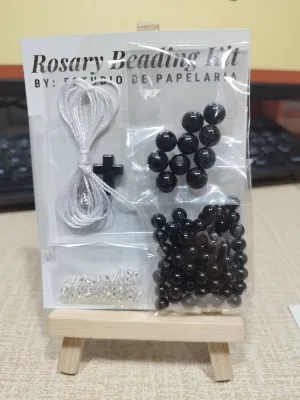
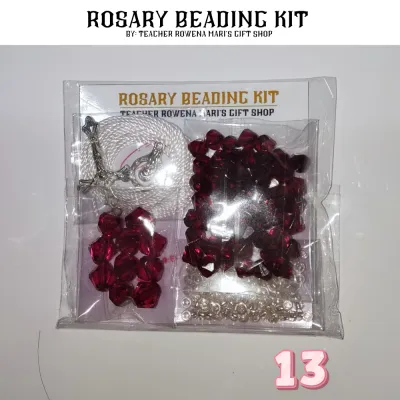
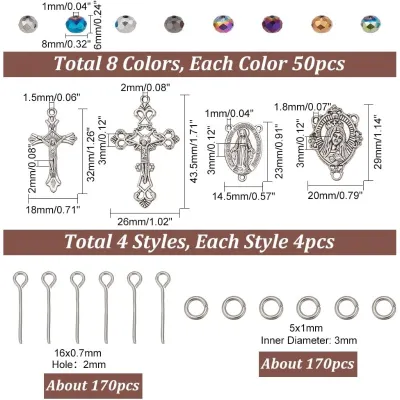
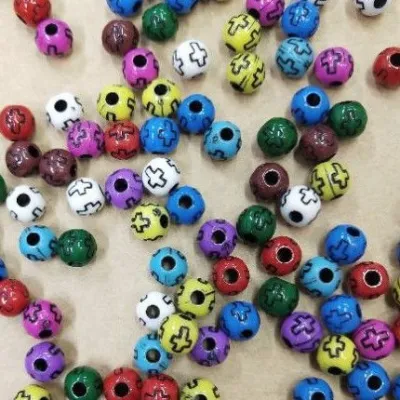
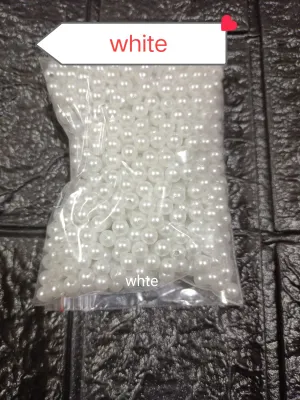
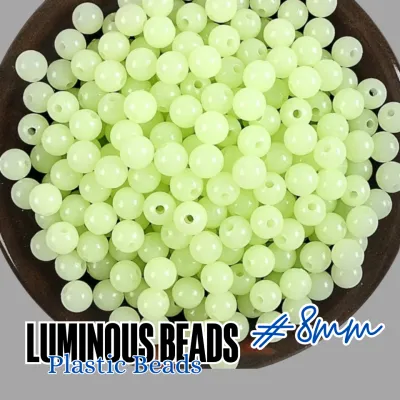
Prices are valid at publication and may change. Please refer to the product page for the latest price.
Finally, religious significance and cultural traditions often guide the material selection. Historically, specific woods, seeds, and precious stones have carried deep symbolic meanings within various communities. Whether you are crafting a personal keepsake, a family heirloom, or a gift for a special milestone like a confirmation or wedding, the choice of material adds a layer of quiet, personal narrative to the finished prayer beads.
Wood Beads: Traditional Roots and Lightweight Comfort
Wood beads offer a deep connection to traditional craftsmanship, providing an organic warmth and a lightweight feel that makes them highly favored for daily devotion. For centuries, artisans have carved prayer beads from various timber species, each bringing its own unique aesthetic and sensory qualities. Popular choices include olive wood, known for its rich, contrasting grain patterns; sandalwood, treasured for its soft, lingering natural aroma; and rosewood, which features a deep, reddish-brown hue that darkens beautifully with age.

From a durability standpoint, wood is exceptionally resilient against mechanical impacts. Unlike glass or ceramic, wood beads will not shatter or chip if dropped on hard tile floors. However, because wood is a porous, organic material, it is highly susceptible to environmental moisture, sweat, and skin oils. In humid regions, unprotected wood can absorb atmospheric water, causing the fibers to swell, while prolonged exposure to dry air can lead to shrinkage and cracking.
To preserve the integrity and appearance of wooden beads, occasional maintenance is highly recommended. Applying a very light coat of natural oil, such as mineral oil or beeswax polish, helps seal the surface, preventing the wood from drying out or absorbing excessive sweat. This simple step enhances the natural grain and develops a rich patina over years of handling.
The lightweight nature of wood makes it incredibly comfortable for extended prayer sessions, as it does not strain the hand or weigh heavily in a pocket or bag. However, when working with wood beads from a crafting set, it is essential to inspect the stringing holes. Natural wood beads often have irregular drillings, splinters, or leftover sawdust inside the holes. Using a small bead reamer or a thick needle to clear the passages before stringing prevents friction against your cord and ensures a smoother assembly process.
Glass Beads: Smooth Texture and Classic Elegance
Glass beads bring a classic elegance and a smooth, polished texture to rosary making, offering a timeless aesthetic that catches the light beautifully. One of the most distinct physical characteristics of glass is its cool-to-the-touch feel. As you hold the beads, they slowly absorb your body heat, providing a consistent and soothing tactile transition that many find helpful for maintaining focus and rhythm during prayer.
In terms of durability, glass is completely impervious to skin oils, sweat, and environmental moisture, making it highly resistant to discoloration or fading even after decades of use. This makes glass an excellent choice for heirloom rosaries intended to be passed down through families. However, the primary trade-off is vulnerability to impact. Glass beads can chip, crack, or completely shatter if dropped onto hard surfaces like concrete, stone, or hardwood floors.
The aesthetic variety available in glass is vast, allowing for highly personalized designs. You can select from opaque glass that mimics the solid look of porcelain, transparent glass that glows in the light, frosted glass with a soft satin finish, or fire-polished faceted glass that sparkles with every movement. Each style alters the visual weight and light refraction of the finished piece, allowing you to create anything from a subtle, understated design to a vibrant, celebratory sacramental.
For crafters, glass beads offer a significant practical advantage: exceptional consistency. Unlike natural wood or stone, glass beads manufactured for jewelry making typically feature highly uniform shapes, sizes, and clean, smooth stringing holes. This uniformity minimizes wear on the thread or wire and ensures that your decades are perfectly even, resulting in a balanced, professional-looking rosary that drapes gracefully.
Gemstone Beads: Substantial Weight and Personal Symbolism
Gemstone beads are highly sought after by those who desire a rosary with a substantial, premium weight and deep visual complexity. Utilizing natural stones like amethyst, rose quartz, black onyx, or lapis lazuli transforms a handmade rosary into a striking work of art. Each stone features unique inclusions, color banding, and natural variations, ensuring that no two finished pieces are ever completely identical.
Many crafters choose specific gemstones based on traditional, cultural, or personal symbolism. For instance, the deep blue of lapis lazuli is historically associated with royalty and Marian devotion, while the soft pink of rose quartz often represents gentle love and compassion. It is important to clarify that these symbolic associations are rooted in cultural traditions and personal devotion, rather than any scientifically proven physical or medical properties.
While gemstones are generally hard and highly scratch-resistant, their durability varies depending on the specific mineral. Softer or more porous stones, such as turquoise or malachite, can absorb skin oils, perfumes, and sweat, which may alter their color or dull their polish over time. These materials require gentle handling and should be cleaned only with a soft, slightly damp cloth, avoiding any harsh chemical cleaners or prolonged exposure to water.
The most critical consideration when crafting a gemstone rosary is its weight. Natural stones are significantly heavier than wood, glass, or plastic. This substantial mass places continuous physical stress on the structure of the rosary. To prevent the piece from stretching or snapping under its own weight during daily use, you must use high-tensile stringing materials, such as multi-strand flexible stainless steel wire, paired with secure crimping techniques and heavy-duty metal findings.
Acrylic and Resin Beads: Maximum Durability for Daily Use
For those prioritizing maximum durability, affordability, and vibrant customization, acrylic and resin beads are outstanding modern alternatives. These synthetic materials are virtually indestructible under normal use conditions. They are entirely shatter-resistant, waterproof, and completely unaffected by high humidity, sweat, or skin oils, making them exceptionally well-suited for the tropical climate of the Philippines.
Acrylic beads are incredibly lightweight and can be manufactured in an almost infinite array of colors, shapes, and finishes. Whether you prefer beads that mimic the look of expensive gemstones, pastel tones, or glow-in-the-dark finishes, synthetic options provide unmatched design flexibility. This makes them highly accessible for budget-conscious crafters, with complete beads for rosary making sets starting at highly affordable price points, often under ₱150 to ₱300 on local online marketplaces.
The primary trade-offs of synthetic beads lie in their tactile experience and historical value. Acrylic lacks the cool, substantial weight of natural stone and the organic warmth of wood. To some, they may feel less substantial or traditional, which can influence the perceived solemnity of the prayer tool.
Because of their resilience and low replacement cost, acrylic and resin beads are highly recommended for specific high-wear scenarios. They are the ideal choice for crafting children’s rosaries, which must withstand rough handling, as well as pocket-sized travel rosaries, auto rosaries for car rearview mirrors, and everyday sets that will be carried loose in bags, pockets, or backpacks without a protective pouch.
Matching Beads with Stringing Materials for True Durability
Choosing the perfect bead material is only half the journey; achieving true, long-lasting durability requires matching your beads with the appropriate stringing material and hardware. A common mistake in rosary making is using a single, universal thread for every type of bead, which often leads to premature wear and breakage. The weight of the beads and the characteristics of their stringing holes must dictate your choice of wire or cord.
For heavy glass, crystal, or gemstone rosaries, flexible beading wire is highly recommended. Look for nylon-coated, multi-strand stainless steel wire (such as 49-strand or 19-strand wire), which offers excellent flexibility and high break strength. This wire must be secured using high-quality metal crimp beads and crimping pliers to ensure the loops holding the crucifix and center medal do not slip. Using wire protectors (wire guardians) at these connection points prevents the metal loops of the medals from wearing through the wire over time.
For lighter wood, seed, or acrylic beads, high-quality nylon or polyester cord is often the superior choice. These synthetic cords are incredibly strong, resistant to rot, and allow for traditional knotting techniques between beads. Corded construction provides a soft, flexible drape, allowing the rosary to be easily folded or pooled in the hand during prayer. When using cord, melting the cut ends slightly with a flame seals the fibers and prevents fraying.
Before purchasing your beads for rosary making set, always verify the manufacturer’s specifications regarding bead hole diameters and wire or cord thickness. The stringing material should fit comfortably through the bead holes without forcing, yet it should be thick enough to prevent the beads from wobbling excessively or sliding over the knots. Taking the time to match these dimensions ensures a structurally sound, beautifully balanced rosary that will endure daily devotion for years to come.
Frequently Asked Questions (FAQ)
Can I mix different bead materials in one rosary?
Yes, mixing different bead materials is a common and visually appealing practice in rosary making. Many crafters choose to use one material, such as wood or glass, for the Ave (Hail Mary) beads, and a contrasting material, like a larger gemstone or metal bead, for the Pater (Our Father) beads. This structural contrast provides clear tactile cues that help you navigate the prayers without needing to look at the beads. When mixing materials, ensure that your chosen stringing wire or cord is strong enough to support the heaviest beads in the design, and verify that the hole sizes across all different bead types are compatible with your thread thickness.
How do I clean and maintain natural wood or gemstone rosary beads?
To maintain the beauty and structural integrity of natural wood or gemstone rosary beads, wipe them gently with a soft, dry microfiber cloth after use to remove sweat and skin oils. Avoid soaking natural materials in water, and never use harsh chemical cleaners, dish soaps, or alcohol-based sanitizers, as these can strip the natural oils from wood or cause porous gemstones to discolor and lose their polish. For wood beads, you can occasionally apply a tiny drop of mineral oil or natural beeswax to a cloth and buff the beads to restore their protective barrier. Always check the specific care instructions provided by the bead manufacturer, as some treated or dyed stones may have unique maintenance requirements.
Community discussion
Share your experience or ask a question. Comments are reviewed before publication.