
Finding the ideal color pencil set for school projects and assignments in the Philippines requires balancing vibrant pigment, durability, and cost. For most students, the best choice is a high-quality student-grade set that offers rich color payoff, break-resistant leads, and comfortable ergonomics without the high price tag of professional artist tools. Whether working on geography maps, science diagrams, or large poster-making contests, a reliable set of 12 to 36 colors ensures that assignments look polished while surviving the wear and tear of a crowded school backpack.
What to Look for in a School-Ready Color Pencil Set
To make an informed purchase, parents and students must understand the core features that differentiate a fragile, frustrating pencil from a durable, high-performing tool. Selecting the right set involves looking closely at the balance of cost, lead performance, structural bonding, and physical comfort.
Good Value Good value does not simply mean choosing the cheapest option on the shelf. Low-cost, generic pencils often feature low pigment concentrations and brittle binders, resulting in faint colors and constantly snapping tips that waste the pencil quickly. True value lies in finding a set that offers a high pigment-to-binder ratio at a reasonable price, ensuring that colors remain bright on standard school papers without requiring excessive pressure.
Products mentioned in this guide
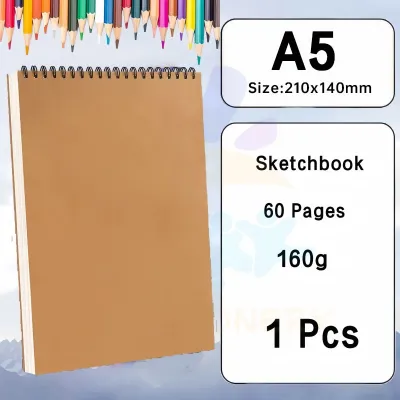
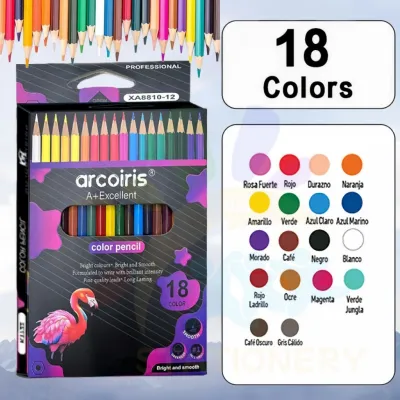
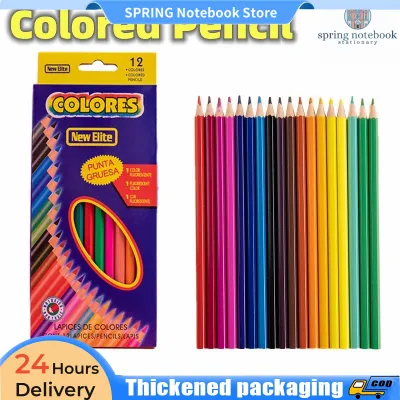
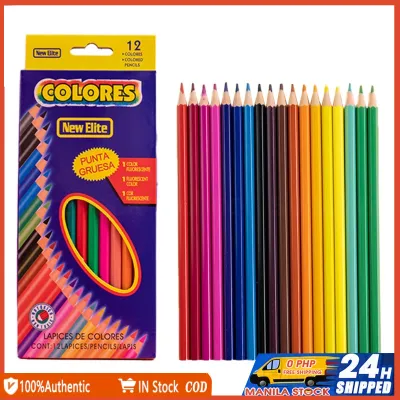
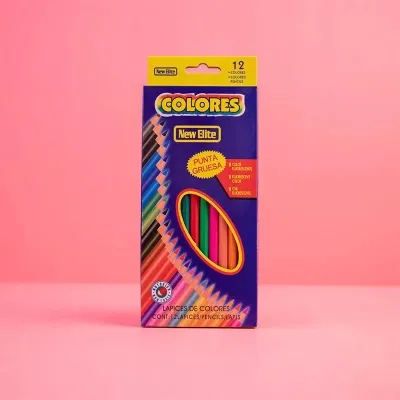
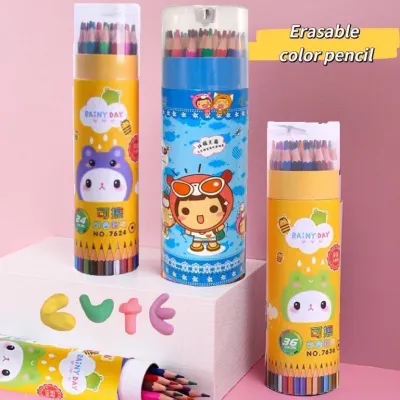
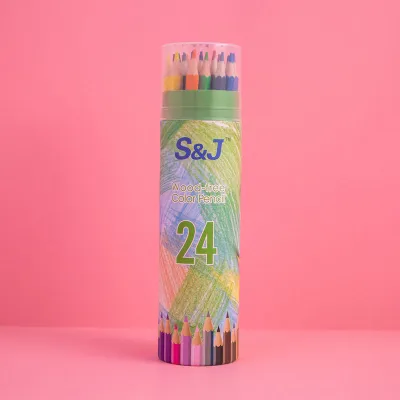
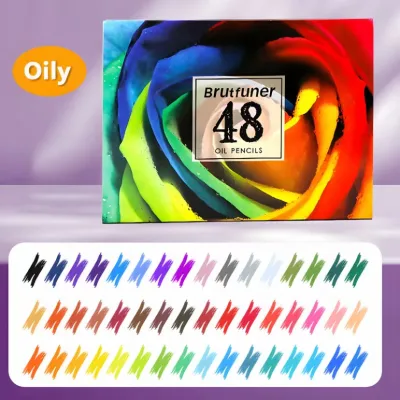
Prices are valid at publication and may change. Please refer to the product page for the latest price.
Lead Hardness The hardness of the pencil core dramatically affects how it behaves on paper. Soft-core pencils contain more wax or oil, allowing them to lay down thick, creamy layers of color very quickly, which is ideal for blending and filling in large areas like posters. Hard-core pencils contain more clay binders, making them excellent for keeping a sharp point for fine details, labeling diagrams, and drawing precise lines. For general school use, a medium-hard core is highly recommended, as it balances detail work with decent color coverage.
Break-Resistant Bonding One of the most common frustrations for students is a pencil lead that breaks repeatedly during sharpening. High-quality manufacturers address this by using a specialized manufacturing process known as break-resistant bonding (often labeled as SV or secure bonding). This technique glues the entire length of the color core to the wooden casing, preventing the lead from sliding out or fracturing internally when the pencil is dropped or sharpened.
Ergonomic Factors Students often spend hours working on creative projects, making ergonomic comfort a key consideration. Color pencils typically come in three barrel shapes: round, hexagonal, and triangular. Round barrels are traditional but can easily roll off slanted school desks and shatter on the floor. Hexagonal barrels offer a secure grip and prevent rolling, while triangular barrels are highly recommended for younger students as they naturally guide fingers into a comfortable tripod grip, reducing hand fatigue during long coloring sessions.
Standard Dimensions Standard student color pencils typically feature a 7mm to 8mm hexagonal or triangular wood barrel and a core diameter of roughly 3mm. This standard sizing ensures that the pencils fit comfortably in standard school pencil cases and are compatible with standard dual-hole handheld sharpeners.
Student-Grade vs. Professional-Grade: Understanding the Difference
Navigating the stationery aisle can be overwhelming, with prices ranging from under ₱100 to several thousand pesos. Understanding the structural differences between student-grade and professional-grade color pencils helps prevent unnecessary overspending.

Wax-Based vs. Oil-Based Binders The primary distinction lies in the binder used to hold the pigment together. Wax-based pencils are the most common in student lines. They are soft, easy to blend, and lay down vibrant color with minimal effort. However, they are prone to “wax bloom,” a natural phenomenon where a cloudy, white wax residue rises to the surface of heavily colored areas over time. Oil-based pencils use a vegetable-based oil binder, resulting in a harder core that holds a sharp point longer, glides smoothly across the paper, and does not produce wax bloom. Oil-based sets are generally more expensive and are typically reserved for advanced art students.
Pigment Concentration Professional-grade pencils contain a much higher concentration of finely ground pigments, allowing for intense, lightfast colors that do not fade over decades. Student-grade pencils utilize more fillers and binders with a lower pigment load. Despite this, high-quality student-grade sets from reputable brands provide more than enough color payoff for standard school posters, maps, and worksheets, rendering bright, recognizable hues on everyday paper stocks.
When to Upgrade For the vast majority of elementary and junior high school curricula, a reliable student-grade set is perfectly sufficient. There is rarely a need to invest in professional artist lines unless a student is enrolled in specialized senior high school arts and design tracks, participating in competitive regional art contests, or building a portfolio for university admissions. For standard academic assignments, the extra cost of professional tools does not translate to better grades, as student-grade pencils are engineered specifically to perform well on typical school papers.
Paper Compatibility and Testing The smoothness of application, water resistance, and erasability of the pencil depend heavily on the specific paper medium used. For example, wax-based pencils glide smoothly on textured cartolina but may resist erasability on thin intermediate pads. Before starting a final project, students should perform an observable trial on a scrap piece of the same paper to verify how well the colors blend and whether they can be cleanly lifted with a vinyl or kneaded eraser.
Matching the Color Range to Your Assignment Types
Selecting the right set size depends heavily on the specific academic tasks a student faces throughout the school year. While a massive set of 72 colors is appealing, it can be bulky to carry and unnecessary for daily assignments.
Diagrams, Maps, and Charts
For functional, low-color-variety tasks common in science, geography, and mathematics, a small set of 12 to 24 colors is highly practical. When labeling a map of the provinces of the Philippines or drawing a plant cell diagram, students do not need subtle gradient shading or pastel tones. Instead, they require distinct, high-contrast primary and secondary colors that make labels and boundaries immediately readable. A compact 12-pack fits easily into a pencil case, takes up minimal desk space, and provides all the essential hues needed to differentiate variables, landmasses, and biological structures.
Posters and Large-Area Coloring
When it comes to school event posters, classroom decorations, or group projects on cartolina, a 24 to 36-color set is much more suitable. These assignments require broad color coverage and high visual impact to stand out on bulletin boards during school events like Nutrition Month or Buwan ng Wika. A larger set provides a wider selection of vibrant blues, greens, and warm tones, allowing students to fill large backgrounds without wearing down a single pencil. For these tasks, softer cores are beneficial as they lay down color quickly and opaquely, preventing hand fatigue and ensuring that the white of the paper is fully covered without leaving scratchy lines.
Detailed Creative Arts and Shading
Advanced art assignments, high school elective projects, and detailed illustrations demand a broader palette of 36 to 48 colors. This range allows students to experiment with nuanced color transitions, realistic skin tones, and complex shading. Larger sets often include specialized shades like metallic gold or silver, neon accents, and subtle earth tones that are essential for lifelike drawings. At this level, the ability of the pencil to layer multiple colors without slipping is critical; high-quality student-grade pencils allow for three to four layers of blending, enabling students to create depth, shadow, and texture in their creative portfolios.
Practical Buying Checks: Packaging, Safety, and Climate Considerations
Before purchasing a color pencil set, parents and students should perform a few practical checks to ensure safety, durability, and suitability for the local environment.
Safety Certifications Always inspect the packaging for non-toxic certifications, especially when buying for younger children. Look for the AP (Approved Product) seal from the Art and Creative Materials Institute (ACMI) or the CE (Conformité Européenne) mark, which indicate that the materials have been evaluated and contain no harmful chemicals. This is particularly important since younger students often chew on the ends of their pencils during class.
Packaging Durability Consider how the pencils will be transported. Cardboard boxes are inexpensive and lightweight but quickly tear, crush, and spill their contents into the bottom of a school bag, exposing the fragile pencil tips to impact. Plastic blister packs can be sharp and difficult to open. Metal tins are the superior choice for school environments; they provide a rigid, protective shield that prevents the pencils from snapping when bags are dropped, dropped off desks, or packed tightly against heavy textbooks.
Tropical Climate Considerations The high humidity and warm temperatures in the Philippines present unique challenges for wood-cased stationery. Excess moisture in the air can cause cheap wood casings to warp, which misaligns the wood with the color core and makes sharpening almost impossible. High humidity can also lead to mold growth on unvarnished wooden barrels or cause the glue holding the core to fail, resulting in loose, sliding leads.
When purchasing, inspect the packaging for secure seals and avoid buying from open-air markets where stock has been exposed to rain, direct sunlight, or extreme humidity. Store pencils in a dry pencil case or a sealed container with a small silica gel packet to absorb excess moisture during the rainy season.
Sharpening and Maintenance Tips to Maximize Pencil Lifespan
Even the highest-quality color pencil set will wear down quickly if subjected to poor sharpening habits and rough handling. Implementing a few simple maintenance steps can significantly extend the lifespan of a student’s coloring tools.
Use the Right Sharpener Always use a sharp, high-quality handheld sharpener with a clean metal blade. Dull blades do not cut the wood cleanly; instead, they drag against the fibers, putting immense twisting pressure on the color core and causing it to snap off inside the sharpener. Electric or crank-style mechanical sharpeners designed for heavy-duty graphite pencils can be too aggressive for the softer, waxier cores of color pencils, chewing through the wood and wasting valuable coloring material in seconds.
The Proper Sharpening Technique When sharpening, focus on rotating the sharpener around the pencil rather than twisting the pencil forcefully inside the sharpener. This reduces the torque applied to the delicate core. Additionally, aim to “sharpen the wood, not just the lead.” A common mistake is trying to achieve a needle-sharp point, which is incredibly fragile and will instantly snap the moment it touches paper. A slightly rounded, blunt tip is far stronger and more effective for general coloring.
Avoid Dropping Pencils The most critical rule of color pencil maintenance is to avoid dropping them on hard floors. While the wooden exterior of a dropped pencil may look perfectly intact, the shock of the impact travels through the wood and shatters the internal wax or oil core into dozens of tiny fragments. When this happens, the lead will continuously fall out every time the pencil is sharpened, rendering the pencil virtually useless. Educating students to keep their pencils securely in a case or tray when not in use is the most effective way to prevent this internal damage.
Frequently Asked Questions (FAQ)
Can I use regular graphite pencil sharpeners for color pencils?
While a standard graphite pencil sharpener can physically fit a color pencil, using it is not recommended. Graphite is a dry, crystalline carbon material that sharpens cleanly and leaves little residue. In contrast, color pencils use soft binders made of wax or oil, which shave off in sticky, pliable ribbons. These wax and oil shavings quickly coat the sharpener’s blade and clog the cutting angle, making it dull and ineffective. Furthermore, graphite sharpeners often have a steeper sharpening angle designed to produce long, fine points, which cause the softer color cores to snap instantly. It is best to use a dedicated sharpener designed specifically for color pencils, which typically features a wider, shallower angle to support the soft core.
How do I fix a color pencil that keeps breaking when I sharpen it?
If a color pencil repeatedly breaks during sharpening, the internal core has likely shattered from being dropped. A low-risk method to attempt a repair is to warm the pencil slightly to fuse the broken wax binder back together. You can do this by placing the pencil in a warm, dry spot, such as on a sunny windowsill or near a warm appliance, for a few hours. Never use a microwave or direct flame, as this can ruin the wood casing or create a fire hazard. If warming does not work, inspect your sharpener. A dull blade is often the culprit behind frequent breakage. Replacing your handheld sharpener or swapping the blade can resolve the issue immediately, ensuring clean cuts and a stable point.
Community discussion
Share your experience or ask a question. Comments are reviewed before publication.