
Finding the right coloring book for a five-year-old’s school art class requires balancing developmental needs with classroom practicality. At five years old, children are transitioning from broad, whole-arm movements to more controlled finger grips, making the physical structure of their art supplies highly influential. In a bustling classroom setting—where desk space is limited and art sessions are structured—the ideal coloring book must do more than just feature appealing characters. It needs to withstand energetic coloring, accommodate standard school mediums like crayons and washable markers, and fit comfortably on small school desks.
Selecting the right book involves evaluating paper weight, binding styles, and design complexity. In tropical climates where ambient humidity can soften paper, choosing the right material combination is essential to prevent tearing and frustration. By focusing on specific structural features and age-appropriate designs, parents and teachers can ensure that art class remains an engaging, skill-building experience rather than a source of classroom clutter or clean-up challenges.
Essential Features for School Art Class Coloring Books
Bold, thick outlines measuring approximately two to three millimeters are crucial for five-year-olds. These heavy lines provide a clear visual boundary that helps children practice spatial awareness and hand-eye coordination. At this developmental stage, thin, delicate lines can cause frustration, as children are still mastering their grip and pencil control. Thick borders act as a forgiving buffer, allowing young learners to experience success as they practice staying within the lines.
Products mentioned in this guide
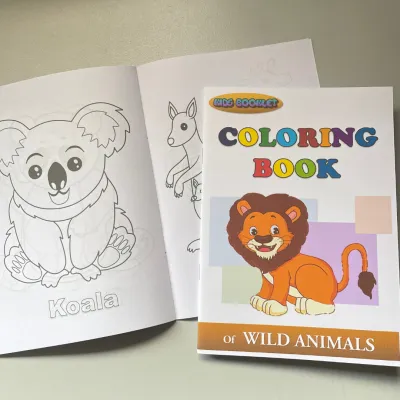
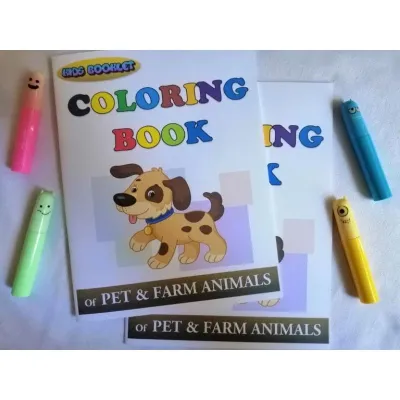
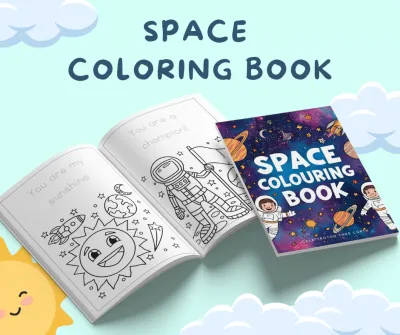
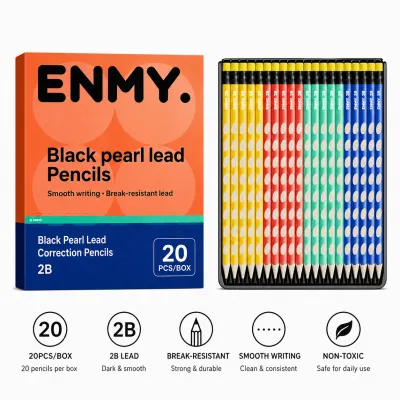
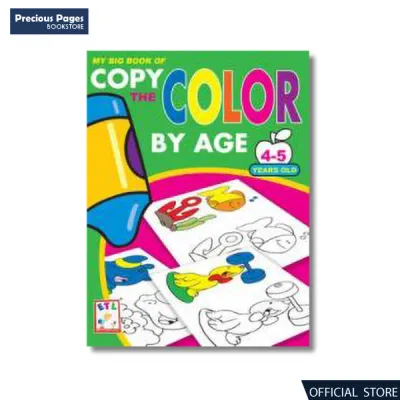
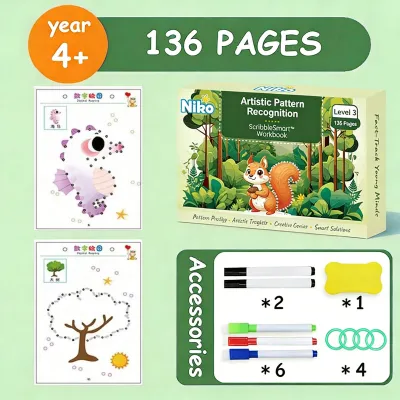
Prices are valid at publication and may change. Please refer to the product page for the latest price.
Illustrations should feature large, simple shapes rather than intricate details. A single, prominent object per page—such as a simple animal, a vehicle, or a basic household item—keeps the child focused and prevents cognitive overload. When a page is cluttered with tiny background elements, a five-year-old can quickly lose interest or feel overwhelmed by the sheer volume of areas to color.
Standard school desks or armchairs in early education classrooms are notoriously compact. Coloring books that are oversized or refuse to stay open can easily slide off these small surfaces, leading to spills and interrupted lessons. Look for books measuring approximately A4 size or slightly smaller, which fit perfectly within a child’s immediate workspace. The binding style is equally critical; lay-flat designs, such as top-bound pads or flexible staple-bound booklets, prevent the pages from constantly springing shut while the child is working.
Perforated pages are an absolute lifesaver for school art teachers. They allow a single sheet to be cleanly torn out before coloring begins, which prevents the rest of the book from getting damaged by heavy pressure or wet mediums. Furthermore, clean edges make it simple for teachers to display the finished artwork on classroom bulletin boards or send individual pages home in a student’s backpack without unsightly, ripped margins.
A practical school coloring book should strike a balance between value and weight. A book with 50 to 80 single-sided pages is generally ideal for a typical school term or semester. Books that are too thick, such as jumbo editions, are often heavy for a five-year-old to carry in their schoolbag daily and are more prone to falling apart at the spine under classroom wear and tear.
Recommended Coloring Book Themes and Formats
Art class is an excellent opportunity to reinforce what children are learning in their academic lessons. Coloring books that feature large letters of the alphabet, basic numbers, fundamental geometric shapes, and familiar nature concepts bridge the gap between creative play and cognitive development. For instance, coloring a large letter alongside a picture of a corresponding object helps solidify phonics while the child refines their motor skills.

While structured coloring is beneficial, five-year-olds also need room for creative expression. Look for formats that leave generous blank spaces around the central image. This open space invites children to add their own drawings, practice color mixing, or experiment with background textures. If a child wants to draw a sun, grass, or rain around a central character, the book should provide the physical space to allow that imaginative expansion.
Interactive elements like simple connect-the-dots using numbers one to ten and trace-and-color pages are highly effective for pre-writing development. Tracing dotted lines before coloring teaches the hand control required for writing letters and numbers. These activities keep children engaged longer because they feel like they are actively building the picture before they bring it to life with color.
It is vital to steer clear of coloring books featuring complex geometric patterns, mandalas, or highly detailed scenes designed for older children or adults. These intricate designs require a level of fine motor precision that a five-year-old has not yet developed. Forcing a young child to color tiny spaces often leads to hand fatigue, frustration, and a premature loss of interest in art activities altogether.
Paper Quality and Art Medium Compatibility
The paper used in standard coloring books varies wildly, and thin, newsprint-style paper is highly susceptible to tearing and bleed-through. In a school setting where children frequently use water-based markers or school-grade paints, thin paper will quickly saturate, warp, and ruin the designs on the subsequent pages. To prevent this, look for books that specify a heavier paper weight, ideally above 100 gsm, or those labeled as bleed-resistant.
The texture, or tooth, of the paper determines how well different art mediums adhere to the surface. For dry mediums like wax crayons, colored pencils, and oil pastels, a slightly textured, matte paper is ideal because it grabs the pigment effectively. Extremely glossy paper should be avoided, as crayons will slide across the surface without leaving vibrant color, and water-based markers will bead up and smear easily.
Before sending a new coloring book to school, parents or teachers should conduct a quick, observable bleed-test. Turn to the very last page or an unused scrap area at the back of the book. Have the child draw a solid block of color using the exact markers or pens they will use in class. Wait a few minutes to observe if the ink penetrates through to the other side or causes the paper to warp. If the ink bleeds through, you will know to adjust the medium or take protective measures.
Many budget-friendly coloring books use thin, untreated wood-pulp paper that reacts poorly to moisture. In tropical climates where ambient humidity is high, this type of paper absorbs moisture from the air, making it even softer and more prone to tearing under the pressure of a crayon or marker tip. Recognizing these limitations allows you to guide your child toward dry mediums like colored pencils or high-quality crayons, which perform consistently regardless of paper thickness or humidity levels.
Building Your Shopping Shortlist and Preparation Checklist
When browsing online marketplaces or local stationery stores, do not rely solely on the cover art. Carefully read the product specifications for dimensions, page count, and recommended age ranges. Look for explicit mentions of heavyweight paper, perforated pages, or lay-flat binding. A quick check of these details ensures you do not accidentally purchase a pocket-sized book or one with paper so thin it is virtually unusable with school markers.
Consider the balance between single high-quality books and bulk multipacks. If you are a parent buying for a single child, a couple of durable, high-quality books priced around ₱150 to ₱300 each may last the entire school year. For teachers or parents organizing group activities, purchasing bulk multipacks of simpler, staple-bound booklets can be highly cost-effective, ensuring every child has access to the same materials without breaking the budget.
A little preparation at home can prevent classroom mishaps. If a coloring book has an exceptionally stiff cardboard cover that makes it hard to keep open, gently bend the spine backward several times to loosen the binding. For books without perforations, you can use a utility knife and a ruler to pre-score the inner margins of the pages, making it easy for your child or the teacher to tear them out cleanly when needed.
In a busy classroom, identical school supplies can easily get mixed up. Clearly write your child’s name and section on the front cover using a permanent marker. To protect the book from the high humidity and occasional rain showers common in tropical climates, store it in a plastic, zip-top folder alongside their crayons and markers. This keeps the pages crisp, dry, and flat, preventing them from curling or getting damp inside a crowded schoolbag.
Frequently Asked Questions (FAQ)
How many coloring books should a 5-year-old have for the school year?
For a typical school year with one or two art classes per week, two to three medium-sized coloring books containing 50 to 80 pages each are usually sufficient. This estimate assumes a five-year-old will complete one to two pages per week. Keeping a backup book at home or stored in the classroom cubby is highly recommended in case the primary book gets wet, torn, or fully colored ahead of schedule.
Are spiral-bound or glue-bound coloring books better for school desks?
Spiral-bound coloring books are generally superior for small school desks because they can be folded back a full 360 degrees, effectively cutting the desk space requirement in half. Glue-bound books often require heavy objects to hold them open, which can be frustrating for a five-year-old. However, ensure the spiral coil is made of durable plastic or coated wire to prevent it from snagging on clothing or bending out of shape inside a schoolbag.
What should I do if the coloring book paper bleeds through with school markers?
If you discover that the paper is too thin to handle school markers, place a thick sheet of scrap paper, a piece of cardstock, or a thin plastic writing mat directly underneath the page your child is coloring. This simple barrier absorbs any excess ink and prevents it from ruining the design on the next page. Alternatively, you can transition your child to dry mediums like beeswax crayons or triangular colored pencils, which do not bleed.

Community discussion
Share your experience or ask a question. Comments are reviewed before publication.