
Choosing the right easel board for an art class in the Philippines requires balancing your daily commute, classroom space, and preferred art medium. If you are a student navigating crowded public transport like jeepneys or the MRT with limited locker storage, a lightweight, collapsible tabletop easel board or a folding field easel is your most practical option. For teachers demonstrating techniques or students working in a dedicated school studio on large-scale canvases, a heavy-duty, stationary A-frame or H-frame studio easel provides the necessary structural support.
Because the tropical climate in the Philippines brings high humidity, your choice of material—such as moisture-resistant treated wood or rust-resistant aluminum—will directly determine how well your easel board survives over semesters of daily use. Matching your specific art medium, whether it is wet watercolor washes, dusty charcoal, or heavy acrylics, to the correct board angle and surface texture is the final step to ensuring a comfortable and productive learning experience.
Key Factors to Consider Before Buying
Portability and Storage Constraints
For most art students in the Philippines, the daily journey to school is a major factor when selecting art equipment. Carrying a bulky, heavy easel board while boarding public utility vehicles during peak hours is highly impractical. When evaluating portability, focus on the overall weight and folded dimensions of the board. An ideal portable easel board should weigh under 2 kilograms and fold completely flat, allowing it to slide into a standard portfolio bag or be carried comfortably alongside a backpack.
Products mentioned in this guide
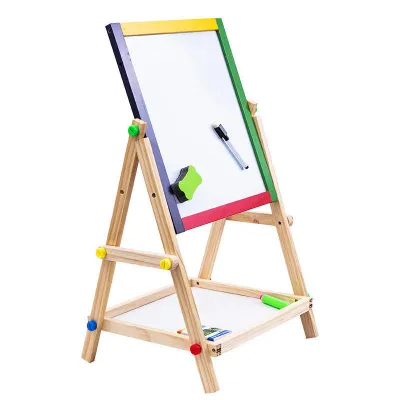
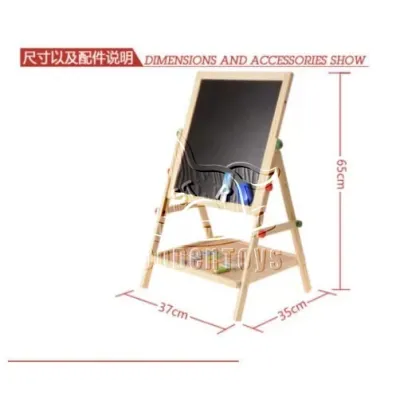
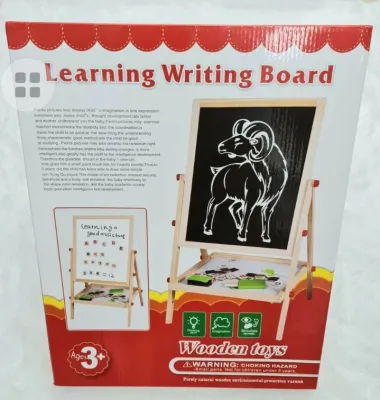
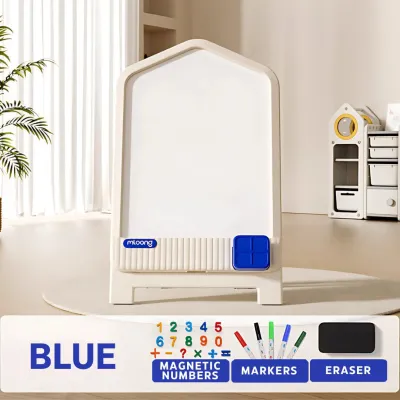
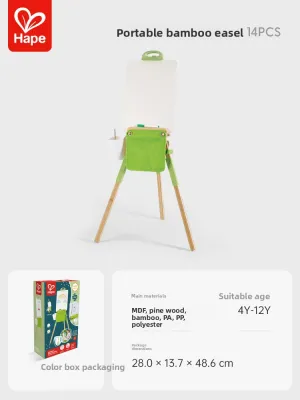
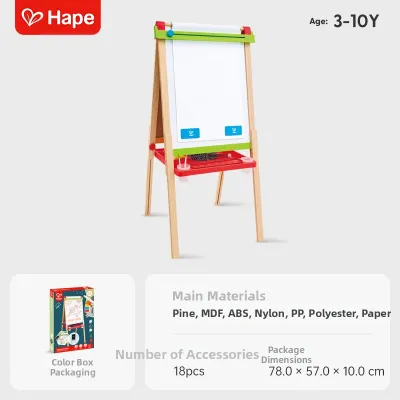
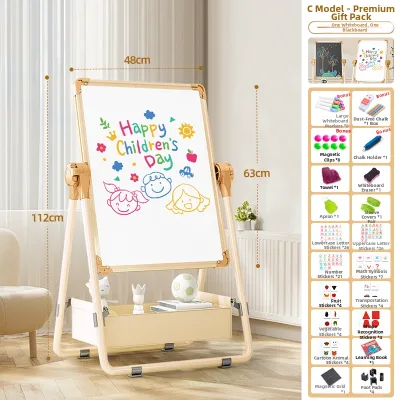
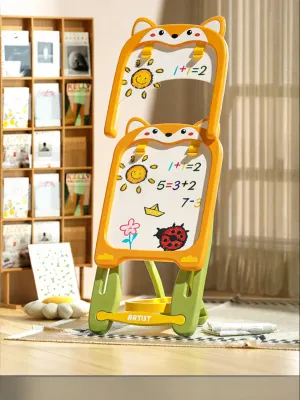
Prices are valid at publication and may change. Please refer to the product page for the latest price.
Look for integrated structural features designed for transport, such as built-in carrying handles, adjustable shoulder straps, and secure locking latches that prevent the board from swinging open during transit. Collapsible legs should feature quick-release snap locks or smooth twist-lock mechanisms that allow for rapid setup and teardown within the limited time between class periods.
Storage is another critical constraint. Philippine classrooms and dormitories often have limited space, meaning your easel board must be stored efficiently when not in use. Measure your school locker, the space under your desk, or shared studio storage racks before purchasing. A board that folds down to a thickness of 3 inches or less is much easier to slide into tight spaces, protecting the wooden frame or metal joints from being dented or warped by other heavy student gear.
Size, Angle, and Medium Compatibility
Your easel board must accommodate the specific dimensions of the paper or canvas required by your art curriculum. Fine arts and design courses frequently use standard sketchpad sizes such as 9×12 inches, 12×18 inches, or international paper sizes from A4 up to A2. Verify that the easel’s lower support tray or lip has a depth of at least 1 to 2 inches. This depth ensures it can securely cradle thick stretched canvases, heavy canvas panels, or thick drawing pads without the risk of the medium sliding off during active work.
Adjustable tilt angles are essential for physical comfort and proper medium application. Different art mediums require distinct working angles to achieve optimal results:
- Flat to Low Angles (0 to 30 degrees): Essential for wet media like watercolor washes and fluid acrylics. A flatter angle prevents wet paint from pooling, running, or dripping down the paper, allowing for controlled drying speeds.
- Slanted Angles (30 to 60 degrees): Ideal for detailed graphite drawing, colored pencils, and illustration work, reducing neck strain while maintaining a clear line of sight.
- Upright Angles (60 to 90 degrees): Best for charcoal, pastels, oils, and heavy body acrylics. An upright position allows loose charcoal or pastel dust to fall away from the surface rather than smudging your work, and it minimizes glare from overhead classroom lights.
Surface texture is equally critical. If you plan to tape individual sheets of drawing paper directly to the easel board, the surface must be perfectly smooth and free of wood grain patterns that could transfer onto your paper during shading. For wet media, the board surface must be water-resistant or properly sealed to prevent the backing material from buckling or bubbling when exposed to water or wet tape.
Durability and Material Build
Selecting the right material is a balance between longevity, weight, and budget. Solid hardwoods, such as beechwood, oak, or basswood, are highly durable, resist denting, and provide excellent weight for stability, though they carry a higher price tag. Medium-Density Fiberboard (MDF) is a highly popular, budget-friendly alternative that offers an exceptionally flat, smooth surface for drawing. However, MDF is highly susceptible to moisture damage; if the edges are not properly sealed, exposure to humidity or wet paints will cause the fibers to swell, warp, and crumble over time. High-density plastics and anodized aluminum are highly durable, lightweight, and completely impervious to water, making them excellent choices for watercolorists.
The tropical climate of the Philippines, characterized by high relative humidity and salt-laden air in coastal areas, poses a severe threat to metal hardware. Untreated steel screws, hinges, and adjustment brackets will rust quickly, leading to stiff joints and stained wood. Prioritize easel boards constructed with brass, stainless steel, or anodized aluminum hardware. These materials resist corrosion, ensuring that adjustment knobs and hinges continue to turn smoothly over years of use.
Finally, inspect the structural design of the board. Look for reinforced corners, double-braced support legs, and thick backing panels. A flimsy backing panel will flex under the physical pressure of heavy drawing or vigorous brushwork, which can ruin fine details and cause the entire easel to wobble during class.
Recommended Easel Board Types for Students and Teachers
Tabletop and Desk Easel Boards
Tabletop easel boards are compact, self-contained units designed to sit directly on top of a standard school desk or study table. They typically feature an adjustable rear support arm (similar to a photo frame) or an integrated storage box where the lid lifts up to serve as the easel board. Because they do not require dedicated floor space, they are highly favored in crowded classrooms where students must work side-by-side.

The primary benefit of a tabletop easel board is its extreme space efficiency. It allows you to convert any standard flat desk into an ergonomic drafting station in seconds. These boards are highly stable because their weight is distributed directly across the desk surface, minimizing the risk of tipping. They are exceptionally well-suited for detailed, close-up work such as botanical illustration, calligraphy, comic art, and small-scale watercolor painting.
However, tabletop easels have clear limitations. They are generally restricted to smaller canvas sizes, typically maxing out at 16×20 inches. If your class requires large-scale portraiture or expansive landscape work, a tabletop model will not provide sufficient height or support. Additionally, because they sit on shared desks, any physical movement or vibration from a classmate bumping the desk can disrupt your work.
- Target User: Students with limited workspace, dormitory residents, and artists focusing on small-to-medium dry media illustrations or controlled watercolor painting.
Portable Sketching Boards and Field Easels
Portable sketching boards are simple, rigid panels made of hardboard or lightweight wood, often featuring a built-in carrying handle, heavy-duty metal clips to hold paper, and a large rubber band to secure the bottom of the pad. These boards can be held on the lap or mounted onto a lightweight, collapsible aluminum tripod known as a field easel. Together, they form an incredibly mobile system designed for artists on the move.
The standout advantage of this setup is its unmatched portability. An aluminum field easel can fold down to a length of just 20 inches, weighing less than 1.5 kilograms, and easily fitting into a standard backpack. The adjustable telescopic legs allow you to set up the easel at various heights, making it possible to work either sitting down or standing up. Furthermore, the independent leg adjustments allow you to achieve a stable, level setup on uneven outdoor terrain, such as parks, historic streets, or rural landscapes.
The main trade-off is structural rigidity. Lightweight aluminum field easels are susceptible to shaking under heavy brush pressure or in windy outdoor conditions. The plastic adjustment clips and thin metal joints can also wear out or snap if subjected to rough handling during daily commutes.
- Target User: Students enrolled in landscape or plein air painting classes, daily commuters who rely on public transportation, and artists who focus on quick sketching, urban journaling, or travel watercoloring.
A-Frame and H-Frame Studio Easels
A-frame (or Lyre) and H-frame studio easels are heavy-duty, freestanding structures designed to remain in a fixed location. A-frame easels feature a triangular footprint with two front legs and a single rear leg, allowing them to tuck neatly into corners when not in use. H-frame easels are constructed with a square base and a rigid vertical mast, offering maximum stability and a larger overall footprint.
These studio easels are built to handle large, heavy canvases, often accommodating artworks over 4 feet in height. They offer superior stability, allowing you to apply heavy palette knife techniques or vigorous, expressive brushstrokes without the easel moving or shaking. They also feature robust, adjustable crank or ratchet systems that allow you to raise or lower the canvas easily, ensuring you can work at an ergonomically correct height whether standing or sitting.
The primary drawback is their massive physical footprint and lack of mobility. Studio easels are heavy, often weighing between 10 to 20 kilograms, making them highly impractical to transport outside of the studio. They also represent a significant financial investment, with high-quality wooden models costing upwards of ₱3,000 to ₱8,000.
- Target User: Art teachers demonstrating techniques at the front of a classroom, advanced fine arts majors working on large thesis pieces, and students with a dedicated home studio space.
French Box Easels (Pochade Boxes)
The French box easel is a highly versatile, classic design that combines a wooden sketch box, a built-in canvas holder, and collapsible three-legged support into a single, self-contained wooden briefcase. A pochade box is a smaller, modern variation designed to be mounted onto a heavy-duty camera tripod, featuring built-in storage for wet paint panels and a compact mixing palette.
The ultimate benefit of a French box easel is its complete self-containment. It allows you to store your paint tubes, brushes, palette knives, mediums, and rags inside a metal-lined drawer, fold up the legs, and carry your entire art studio using a single leather handle. The lid of the box serves as a highly adjustable easel board, and the built-in wooden palette provides an immediate surface for mixing paint. This setup is incredibly convenient for outdoor oil or acrylic painting sessions where you need all your supplies within arm’s reach.
However, French box easels are significantly heavier than aluminum field easels, often weighing between 4 to 6 kilograms when empty. Adding paint tubes and brushes increases this weight further, making long walks to sketching locations physically demanding. They also require regular, meticulous cleaning to prevent wet paint from drying inside the drawer tracks or gluing the folding joints shut.
- Target User: Advanced art students, instructors, and serious landscape painters who work primarily with wet media (oils or acrylics) and require a robust, self-contained mobile workstation.
Quick Comparison: Easel Types at a Glance
Use this quick-reference table to compare the primary easel board types based on your classroom space, transport limits, and preferred art medium.
| Easel Type | Best For (Target User/Scenario) | Portability | Space Requirement | Ideal Medium |
|---|---|---|---|---|
| Tabletop / Desk | Small desks, dorm rooms, detailed illustrations | High (compact, folds flat) | Low (sits on standard desk) | Watercolor, graphite, colored pencils, acrylics (small scale) |
| Portable Sketching / Field | Commuting students, outdoor sketching, plein air | Very High (lightweight, fits in bag) | Low to Medium (flexible footprint) | Charcoal, pastel, watercolor, light acrylics |
| A-Frame / H-Frame Studio | Fixed art classrooms, large canvases, teachers | Low (heavy, non-collapsible) | High (requires dedicated floor space) | Oils, heavy acrylics, large-scale charcoal |
| French Box / Pochade | Advanced students, outdoor oil/acrylic painting | Medium (all-in-one but heavy) | Medium (freestanding or tripod mount) | Oils, acrylics, gouache |
Where to Buy and What to Check Upon Delivery
When purchasing an easel board in the Philippines, it is highly recommended to buy from specialized art supply stores, established national stationery chains, or reputable online marketplaces. Avoid purchasing from unverified online sellers offering extremely cheap, unbranded wooden easels, as these are often made from soft, untreated wood that is highly prone to warping, splitting, and mold growth in tropical climates.
Once your easel board is delivered, perform a thorough quality control inspection before using it or discarding the packaging:
- Inspect the Board Surface: Run your hands across the entire surface of the board. Check for any warping, bowing, deep dents, or rough wood splinters. A warped board will cause your paper to buckle, while splinters can tear delicate drawing sheets or puncture canvas backing.
- Test the Hardware and Joints: Tighten and loosen every wingnut, adjustment knob, and metal hinge. Ensure they turn smoothly and lock the board securely at various angles. Apply moderate downward pressure to the top of the board when locked; if it slips or collapses under light pressure, the locking mechanism is defective.
- Check for Rust and Corrosion: Closely examine all metal components, especially around the hinges and screws. Look for any signs of orange rust, peeling chrome plating, or poor finishing. In the humid Philippine climate, any exposed raw iron or low-grade steel will rust rapidly, eventually seizing the adjustment mechanisms.
- Evaluate Chemical Odors: Sniff the wooden components of the easel. A strong, pungent chemical smell indicates the use of low-quality varnishes, unsafe sealants, or formaldehyde-laden adhesives. If you detect a strong odor, do not use the easel in a small, unventilated room. Place it in a well-ventilated, shaded outdoor area (such as a covered balcony or patio) for 48 to 72 hours to allow it to off-gas safely.
- Verify the Return Policy: Ensure you purchase from a retailer that offers a clear, hassle-free return or exchange policy. If your easel board arrives with structural defects, cracked wood, or missing hardware, initiate the return process immediately rather than attempting to repair a structurally compromised easel yourself.
Frequently Asked Questions (FAQ)
Can I use a standard presentation easel board for painting?
No, standard presentation easel boards are not suitable for active painting or drawing. These boards are typically constructed from lightweight foam, thin cardboard, or glossy whiteboards designed solely to display lightweight posters or write temporary notes. They lack the structural backing to withstand the physical pressure of drawing, and their surfaces will warp, bubble, or peel when exposed to the moisture of wet paints like watercolors or acrylics. Always invest in an art-specific easel board made of sealed wood, MDF, or high-density plastic.
How do I clean and maintain a wooden easel board?
To maintain your wooden easel board, wipe off any wet paint spills immediately with a slightly damp microfiber cloth. Avoid using harsh chemical solvents, alcohol, or abrasive scrubbing pads, as these can strip the protective varnish and expose the raw wood to moisture. Store your easel board in a dry, well-ventilated indoor area away from direct tropical sunlight or extreme humidity to prevent warping. Periodically check and tighten all screws, wingnuts, and hinges to ensure the structure remains stable and safe to use during class.
Community discussion
Share your experience or ask a question. Comments are reviewed before publication.