
Finding the right magic fuzzy wire—commonly known as chenille stems—for school art projects in the Philippines requires balancing flexibility, safety, and vibrant visual appeal. Whether students are crafting three-dimensional animal sculptures, decorating festive holiday ornaments, or building structural models for science class, these pliable, fiber-coated wires serve as an essential medium. Selecting the ideal product involves understanding how different thicknesses, textures, and packaging options align with specific classroom activities and student age groups.
Because these materials are handled extensively by children, quality and safety are paramount. Poorly manufactured wires can shed their fibers easily, expose sharp metal ends, or bleed dye onto hands and clothing when exposed to tropical humidity. By focusing on key material specifications and practical verification steps, teachers and parents can source durable, safe, and cost-effective crafting supplies that enhance the classroom learning experience.
Recommended Fuzzy Wire Types for School Art Projects
Standard fuzzy wires typically measure around 6mm in diameter and 30cm in length. This size is highly versatile, allowing students to twist, bend, and wrap the material around pencils or cardboard tubes with ease. Jumbo variations, which can range from 10mm to 15mm or more, offer a much thicker pile. These are excellent for creating structural bases, large animal bodies, or bold outlines that need to stand out from a distance. However, jumbo wires require more effort to bend and can quickly crowd smaller hands, making standard sizes the default choice for detailed wrapping and intricate shapes.
Products mentioned in this guide
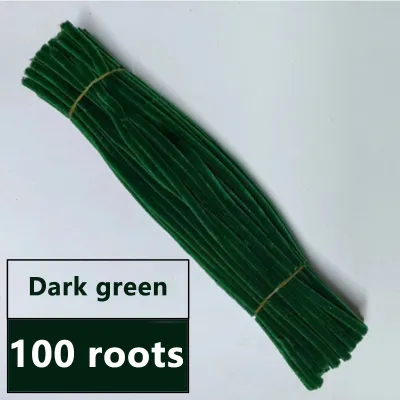
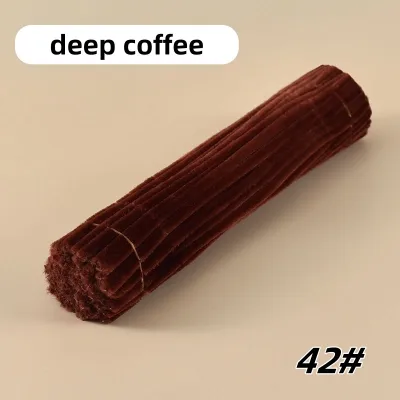
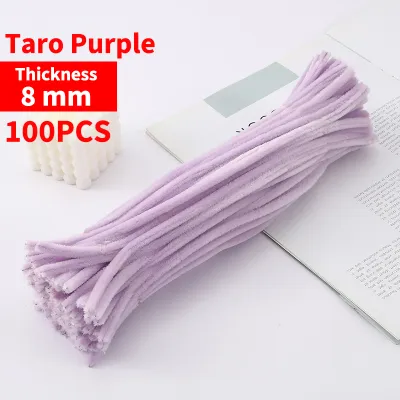
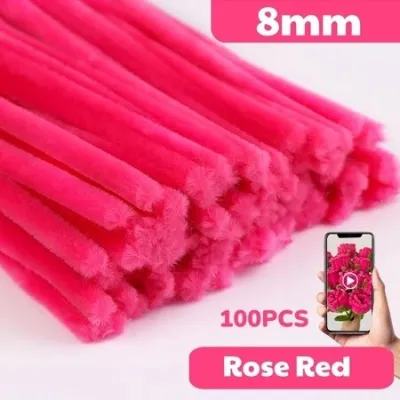
Prices are valid at publication and may change. Please refer to the product page for the latest price.
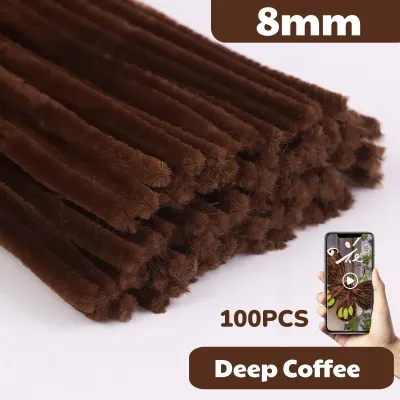
Solid-colored fuzzy wires feature soft polyester or nylon fibers that provide a matte, uniform texture. They are ideal for realistic representations, such as green stems for paper flowers or brown limbs for animal figures. Glitter and tinsel variants incorporate metallic plastic strips woven into the pile. While these add a festive sparkle perfect for holiday decorations and creative accents, the metallic fibers can feel scratchy to the touch. They also tend to be slightly stiffer than their solid-colored counterparts, which can affect how easily younger students can manipulate them.
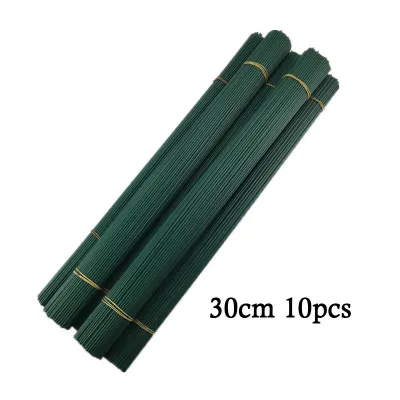
For structured classroom lessons where every student needs the same materials, pre-cut uniform packs are highly efficient. These packs typically contain wires of identical length and color, eliminating the need for teachers to spend prep time measuring and cutting. Conversely, bulk spools or continuous rolls of fuzzy wire offer maximum flexibility for open-ended art stations. They allow students to cut custom lengths for large-scale installations or collaborative group projects, though they require supervision and access to wire cutters or heavy-duty scissors.
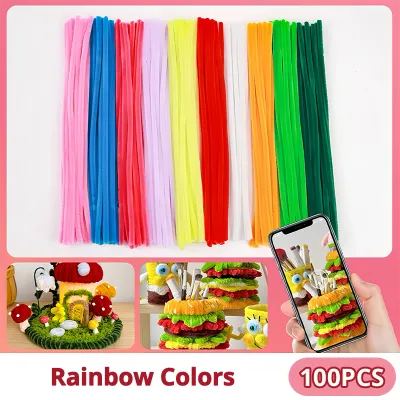
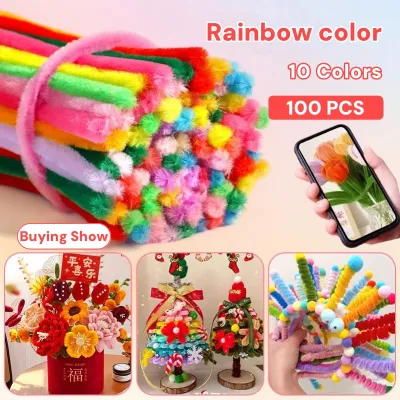
Multi-color variety packs are the cornerstone of multi-station art activities. These assortments usually combine primary, secondary, and pastel shades, giving students immediate access to a broad palette without the school needing to purchase dozens of single-color packs. When assessing variety packs, look for assortments that distribute colors evenly rather than containing mostly filler shades, ensuring that popular colors like red, blue, and black do not run out immediately during a busy crafting session.
Essential Quality Checks Before Purchasing
The core of a high-quality magic fuzzy wire consists of two thin, twisted metal wires that hold the fuzzy pile in place. To test this core, perform a simple bend test: twist a sample wire tightly around a finger or pencil, then unroll it. A reliable wire should bend smoothly without snapping, cracking, or developing permanent, sharp kinks that make reuse impossible. If the wire feels brittle or resists gentle bending, it may contain low-grade metal that will frustrate students during complex construction tasks.

A common frustration in classroom crafting is “bald” fuzzy wire, where the fibers easily slide off the metal core. Before committing to a large purchase, rub a sample wire firmly between your fingers. High-quality options feature a dense, tightly woven pile that resists shedding even when bent at sharp angles. Low-density wires not only look sparse and cheap, but they also leave a messy trail of synthetic fibers across desks, clothing, and classroom floors, creating unnecessary cleanup work at the end of the art period.
In the warm, humid climate of the Philippines, moisture from hands and ambient air can cause cheap dyes to bleed. This can ruin a project by transferring bright pigments onto students’ hands, school uniforms, or adjacent paper elements. To verify colorfastness, press a damp white paper towel against a colored fuzzy wire. If any dye transfers to the towel, the product is prone to bleeding and should be avoided, especially for projects involving wet adhesives like white school glue or liquid starch.
Always check the packaging or product listings for clear manufacturer specifications regarding non-toxic materials and age recommendations. Because fuzzy wires contain thin metal cores with sharp ends, they are generally rated for children aged three or four and older. Look for labels indicating compliance with international safety standards or local consumer product safety guidelines to ensure the synthetic fibers and dyes used are completely safe for prolonged skin contact during long crafting sessions.
Sourcing Art Supplies in the Philippines
For immediate project needs, visiting national stationery chains and established book stores in local malls is the most reliable path. These physical retail spaces allow teachers and parents to inspect the texture, density, and color accuracy of the fuzzy wires firsthand before purchasing. Specialized art supply shops in major urban centers often carry a wider selection of specialty textures, such as extra-thick jumbo wires or unique pastel assortments, which may not be available in standard department stores.
When sourcing materials online through ecommerce platforms, careful vetting is essential to avoid low-quality counterfeits. Focus on listings that provide detailed product descriptions, including exact wire lengths, diameters, and pack counts. Read through customer reviews, paying close attention to user-uploaded photos that show the actual density of the pile. Avoid listings with generic stock photos and vague descriptions, as these often result in receiving sparse, poorly made wires that shed easily.
Art projects are often tied to strict school curricula and calendar events, making delivery timing critical. When ordering from online marketplaces, check the seller’s location and estimated shipping windows. Local sellers based within Luzon, Visayas, or Mindanao typically offer faster transit times compared to overseas distributors. Always factor in potential delays caused by inclement weather, tropical storms, or peak shopping seasons to ensure the crafting materials arrive well before the scheduled art class.
Managing a classroom art budget requires calculating the cost per student to maximize resources. While individual retail packs of 10 or 20 wires are convenient for single-home projects, they are highly uneconomical for entire classrooms. Purchasing bulk bundles of 100 to 500 pieces significantly reduces the unit cost. Compare the total price in ₱ against the quantity provided to find the most cost-effective option, ensuring there are enough spare wires to accommodate mistakes, practice bends, and creative experimentation.
Classroom Safety and Handling Guidelines
The most significant physical hazard of fuzzy wire is the sharp, exposed metal tip at each end where the wire was cut during manufacturing. To prevent accidental scratches or eye injuries, teach students to blunt these ends before starting their projects. A simple and effective technique is to fold the last half-centimeter of the wire back on itself using small craft pliers, or simply pressing the folded end firmly against a hard surface to create a smooth, rounded loop.
Crafting activities must align with the developmental stage of the students. Younger children in kindergarten or early primary grades should focus on simple wrapping, threading large beads onto the wires, or bending basic 2D shapes under close adult supervision. Older students can handle more complex 3D structural engineering, which may involve twisting multiple wires together or using scissors to cut the wires into custom lengths. Ensure that any cutting tasks are performed by an adult or with safety scissors designed for wire.
In the Philippines, high relative humidity can cause the exposed iron or steel cores of fuzzy wires to rust over time if stored improperly. To preserve the integrity of your art supplies between school terms, store unused fuzzy wires in airtight plastic containers or heavy-duty zip-top bags. Keep different colors and types separated using cardboard dividers or small rubber bands to prevent the fibers from tangling and matting, ensuring the materials remain clean, vibrant, and ready for the next creative lesson.
Frequently Asked Questions (FAQ)
What is the difference between fuzzy wire and standard pipe cleaners?
While the terms are often used interchangeably, traditional pipe cleaners were originally designed to clean smoking pipes and typically feature stiff, absorbent cotton or nylon bristles designed to scrub away residue. Magic fuzzy wires, or craft chenille stems, are manufactured specifically for creative projects. They feature much softer, denser polyester or acrylic fibers designed for tactile comfort and vibrant color presentation. Additionally, craft fuzzy wires often use a more flexible, lightweight wire core that is easier for children to bend repeatedly without breaking.
Can fuzzy wire be cleaned if it gets dirty during a project?
Cleaning fuzzy wire is generally not recommended because exposing the inner metal core to water can quickly lead to rust, which will stain the synthetic fibers and weaken the structural integrity of the wire. If a project accumulates light dust or dry debris, it is best to gently brush it off with a clean, dry toothbrush or a soft-bristled paintbrush. If a piece becomes heavily soiled with wet paint, glue, or food stains, it is usually more practical and hygienic to discard the damaged section and replace it with a fresh piece of wire.
Community discussion
Share your experience or ask a question. Comments are reviewed before publication.