
Managing store credit, locally known as pautang, is a fundamental aspect of running a successful sari-sari store or small neighborhood business in the Philippines. While extending credit helps build strong community relationships and secures customer loyalty, it also introduces the administrative challenge of keeping accurate, undisputed financial records. The tool at the very center of this process is the listahan ng utang notebook. Choosing the right notebook is not merely a matter of grabbing the cheapest option off a school supply shelf; it is a critical business decision that directly impacts your daily cash flow, transaction speed, and long-term record preservation.
In a fast-paced retail environment, your record-keeping book faces constant wear and tear. It is exposed to humid tropical weather, accidental spills from cold drinks, sweat from busy hands, and the physical strain of being opened and closed dozens of times a day. The ideal notebook must balance physical durability with a clear, structured layout that allows you to record transactions in seconds without making mathematical errors. Depending on your store’s daily transaction volume, available counter space, and how you prefer to organize your customer accounts, the best choice will generally fall between a heavy-duty hardcover columnar ledger, a highly flexible spiral-bound accounting book, or a customizable loose-leaf binder system.
Essential Features for Tracking Store Credit
Selecting the perfect notebook requires a close look at specific stationery specifications. Understanding these technical details ensures that your ledger remains readable and intact from the first page to the last.
Products mentioned in this guide
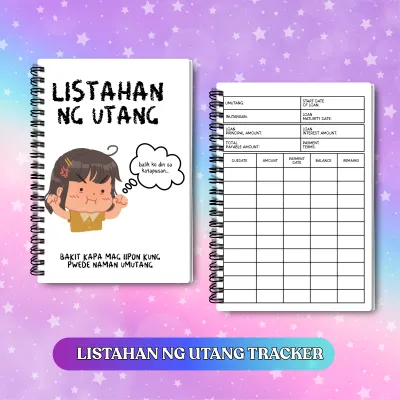


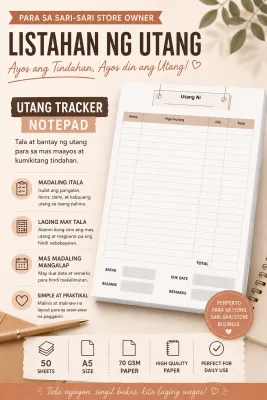
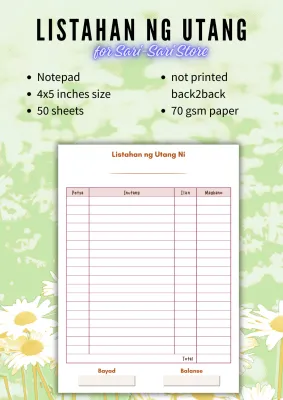

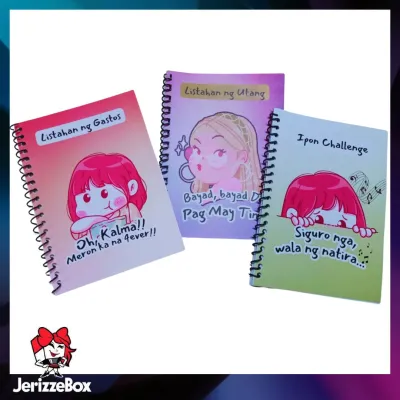
Prices are valid at publication and may change. Please refer to the product page for the latest price.
Binding Types
The binding of your notebook determines how well it survives daily handling and how easy it is to write in when your hands are full.
- Hardcover Case-Bound: These notebooks feature pages that are sewn together in sections and glued into a rigid cover. This is the most durable binding method available. The hard cover protects the edges of the paper from fraying and prevents the book from bending when stuffed into a drawer. However, brand-new hardcover books do not always lie flat on their own, requiring you to hold the pages down while writing.
- Spiral and Wire-O Binding: Spiral-bound books utilize a continuous plastic or metal coil, while Wire-O uses parallel loops of double wire. These bindings allow the notebook to lie completely flat or fold back a full 360 degrees. This is incredibly useful on crowded store counters where space is limited. The primary drawback is that the coils can snag on fabrics, bend out of shape if dropped, or gradually tear the paper margins over months of heavy use.
- Loose-Leaf Binders: Utilizing a multi-ring metal mechanism, binders allow you to insert, remove, and rearrange pages at will. This offers unparalleled organization but relies heavily on the quality of the ring mechanism. Cheap binders can suffer from misaligned rings, which catch on the paper and cause pages to tear when turned.
Paper Quality and Weight
Paper weight is measured in grams per square meter (GSM). For a business ledger, paper quality is paramount because you will be writing on both sides of every sheet using various writing instruments.
- 50 to 60 GSM (Low Weight): Common in cheap school notebooks and newsprint pads. This paper is thin, highly porous, and easily absorbs moisture from the air, making it soft and fragile in humid climates. Writing with gel pens or fine liners on this paper results in heavy ink bleed-through (ink showing on the other side) and feathering (ink spreading out along the paper fibers).
- 70 to 80 GSM (Medium Weight): The industry standard for quality office paper and standard notebooks. This weight offers a great balance of durability and cost-effectiveness. It handles standard oil-based ballpoint pens and fine gel pens beautifully, with minimal ghosting (faint shadows of writing visible on the reverse side).
- 90 to 120 GSM (High Weight): Found in premium journals and professional accounting ledgers. This paper is thick, smooth, and highly resistant to ink bleed-through, even when using heavy markers or highlighters. It is highly durable and resists tearing, though it makes the overall notebook heavier and more expensive.
Page Ruling and Layout
The ruling of your paper dictates how quickly and accurately you can record financial figures.
- Standard Lined (Feint Ruled): Features simple horizontal lines. While highly versatile, it requires you to draw your own vertical column lines with a ruler to separate dates, items, and peso amounts. This manual process is time-consuming and often leads to misaligned columns.
- Grid or Graph Paper: Consists of intersecting horizontal and vertical lines forming small squares. This layout is excellent for keeping numbers aligned in neat columns without drawing lines, though some users find the dense grid pattern visually distracting.
- Pre-Printed Columnar Ruling: Specifically designed for accounting, these pages feature horizontal lines intersected by pre-printed vertical columns. These columns are designed to separate different types of financial data, such as transaction descriptions, debit amounts, and credit amounts. This layout is highly recommended as it eliminates setup time and guides your eyes naturally across the page.
Size and Form Factor
The physical dimensions of your notebook must match your workspace and storage habits.
- A4 (210 x 297 mm): A large format that provides maximum writing space. It is perfect for stores with dedicated, spacious desks or counters. It allows you to write long lists of items per transaction without running out of room, but it is bulky to store and difficult to handle with one hand.
- B5 (176 x 250 mm): The ideal middle-ground size. It offers ample writing space while remaining compact enough to fit comfortably on small counters or inside standard cash drawers.
- A5 (148 x 210 mm): A highly portable, compact size. While easy to tuck away securely in a small drawer or carry around, the limited page width means you must write small and use abbreviations to fit dates, item descriptions, and calculations on a single line.
Top Notebook Formats for Small Business Debt Tracking
Different store setups require different record-keeping structures. Here are the three most effective notebook formats tailored for managing customer debt, along with their ideal use cases, advantages, and limitations.

Hardcover Columnar Ledger Books
Traditional hardcover columnar ledgers, often referred to simply as accounting ledgers, are the gold standard for permanent, chronological business records. These books are built to endure years of constant handling.
- Best For: Small businesses and established sari-sari stores that require a permanent, unalterable archive of daily transactions and long-term customer credit history.
- Advantages: The heavy-duty cardboard or vinyl-coated hardcover protects the internal pages from bending, tearing, and minor liquid spills. Because the pages are bound together via tight, industrial sewing, it is virtually impossible for a page to be accidentally lost or intentionally removed without leaving obvious signs of damage. This provides excellent financial security and prevents disputes over "missing" pages.
- Limitations: Hardcover ledgers are inherently bulky and heavy. They require a dedicated flat surface to write on comfortably, as they do not fold back on themselves. Additionally, because the page count is fixed, once the book is full, you must transition to a completely new volume, which can be inconvenient if you have ongoing, unresolved customer accounts that need to be carried over.
Spiral-Bound Accounting Books
Spiral-bound accounting books combine the structured layout of professional ledgers with the practical, space-saving design of wire-bound notebooks.
- Best For: Busy, high-traffic sari-sari stores with limited counter space where transactions must be recorded rapidly while standing.
- Advantages: The defining benefit of this format is its ability to fold completely in half (360 degrees). This effectively cuts the notebook's footprint in half, allowing it to sit comfortably next to a weighing scale, a coin box, or a display rack. They are lightweight, easy to hold in one hand while writing with the other, and often feature pre-printed columns specifically labeled for debit, credit, and balance.
- Limitations: The metal or plastic spiral coil is the primary point of failure. Over time, the coil can catch on plastic bags, countertops, or clothing, causing it to bend or unravel. Furthermore, the constant friction of turning pages back and forth can enlarge the punched holes along the inner margin, eventually causing heavily used pages to tear away from the binding.
Loose-Leaf Binders with Columnar Refills
Loose-leaf systems utilize a standard two-ring, three-ring, or multi-ring binder filled with loose columnar filler paper. This format shifts the organizational focus from chronological logging to customer-specific tracking.
- Best For: Larger neighborhood stores managing a high volume of active credit customers who want to keep a dedicated, ongoing page for each individual household rather than mixing all transactions chronologically.
- Advantages: This system offers unmatched organizational flexibility. By using tabbed alphabetical dividers (A to Z), you can instantly flip to a specific customer's dedicated page to record a transaction or check their balance. When a customer's page becomes full, you simply open the rings and insert a fresh sheet of refill paper directly behind it. You can also easily remove pages of fully settled accounts to archive them in a separate folder, keeping your active binder light and uncluttered.
- Limitations: Binders are the bulkiest option and require the most physical space on your counter. The initial setup cost is higher, as you must purchase the binder, dividers, and refill paper separately. If the binder is dropped, the heavy metal ring mechanism can easily misalign, making it difficult to turn pages smoothly without tearing the paper punches.
Comparing Notebook Formats for Your Store
To help you determine which format aligns best with your daily operations, use this quick-reference comparison table to weigh their physical properties and ideal environments.
| Notebook Format | Durability | Lay-Flat Ability | Page Flexibility | Ideal Store Environment |
|---|---|---|---|---|
| Hardcover Ledger | High | Medium | Fixed (Sewn pages) | Low-to-medium volume; long-term archiving; spacious counter |
| Spiral-Bound Book | Medium | Excellent | Fixed (Bound pages) | High volume; tight counter space; rapid on-the-go entries |
| Loose-Leaf Binder | Variable | Good | High (Removable pages) | High volume; customer-specific sorting; organized shelf storage |
How to Set Up Your Utang Pages for Clear Tracking
An organized layout is your best defense against mathematical errors and customer disputes. Regardless of the notebook format you choose, structuring your pages with consistent columns and clear visual indicators is essential.
Standard Column Layout
Divide your page into six distinct columns. If you are using a standard lined notebook, use a ruler and a dark pen to draw these lines manually. If you are using a columnar book, map your data to the existing columns as follows:
- Column 1: Date: Record the exact day and month of the transaction (e.g., "Oct 12"). Never rely on memory to fill this in later.
- Column 2: Customer Name: Write the full name or clearly recognized nickname of the person making the purchase. Avoid generic labels like "Neighbor" or "Ate."
- Column 3: Item / Description: List the specific items purchased (e.g., "1 case soft drinks, 2 kg sugar"). Avoid vague terms like "groceries" or "various items," as customers often ask for a breakdown of their charges before paying.
- Column 4: Debit (Charge / Utang): The cost of the items purchased on credit. This is the amount added to their total debt.
- Column 5: Credit (Payment / Bayad): Any cash amount the customer pays to reduce their debt.
- Column 6: Running Balance: The current total amount the customer owes after the transaction. Update this figure immediately after every entry by adding the new Debit or subtracting the new Credit.
Dedicated Notes Column
Always reserve a narrow column on the far right of the page for “Remarks” or “Notes.” This space is invaluable for recording specific payment agreements (e.g., “To pay on 15th”), partial payment notes, or, most importantly, the customer’s signature or initials. Having a customer sign directly next to their transaction entry serves as physical proof of the transaction, drastically reducing the likelihood of future misunderstandings.
Visual Organization
To make your ledger easy to read at a glance, implement simple visual formatting rules. If you are using a chronological ledger where transactions from different customers are mixed on the same page, always leave a blank row between different entries. This prevents the numbers from blending together.
Additionally, utilize color-coding to highlight account statuses. For example, you can write active unpaid balances in standard blue or black ink, and use a red pen to circle large outstanding balances that require immediate follow-up. When a customer fully settles their debt, write “FULLY PAID” in bold green ink across that transaction row, or draw a clean line through the settled entries. Ensure your notebook’s paper is at least 70 GSM to prevent these colored inks or highlighters from bleeding through to the other side of the page.
Header Information
Get into the habit of writing your store name, contact details, and the specific month and year at the top of every single page. This practice is incredibly helpful for administrative purposes. If you ever need to take a photo of a ledger page to send to a customer via a messaging app, having the header information clearly visible ensures the record is instantly identifiable and professional.
Tips for Keeping Your Credit Records Organized and Secure
Your listahan ng utang represents real money owed to your business. Losing or damaging this notebook can result in severe financial loss. Protecting the physical book and backing up its data should be a daily priority.
Physical Protection
Store your notebook in a dedicated, dry drawer or a plastic container when it is not actively in use. Never leave it open on the counter where it can be damaged by sudden rain blowing through the storefront, condensation from cold beverages, or grease from food products. If you are using a spiral-bound or binder system, store it flat rather than standing upright, as vertical storage can put unnecessary strain on the paper punches and binding rings.
Indexing System
If you use a chronological ledger or a hardcover book where entries are written one after the other, finding a specific customer’s balance can quickly become frustrating. To solve this, dedicate the first three to five pages of your notebook as an alphabetical index. Write down your frequent customers’ names in alphabetical order, and next to each name, update the page numbers where their active transactions are recorded (e.g., “Santos, Maria: Pages 12, 45, 88”). This simple step saves valuable time during busy hours.
Data Backup
Make it a strict routine to back up your physical records. At the end of every business day or week, use your smartphone to take clear, high-resolution photos of all active ledger pages. Ensure the lighting is bright and all numbers are legible in the photos. Store these images in a dedicated folder on your phone or upload them to a secure cloud storage service. In the unfortunate event that your physical notebook is lost, stolen, or destroyed in a fire or flood, you will have a complete, accurate digital copy of every single peso owed to your store.
Frequently Asked Questions (FAQ)
Can I use a standard lined notebook instead of a columnar book?
Yes, you can use a standard lined school notebook in a pinch, but it is not highly recommended for long-term business use. Standard notebooks require you to manually draw vertical column lines with a ruler, which is time-consuming and often results in crooked lines that make calculations difficult to read. Furthermore, standard school notebooks are typically made with lightweight paper (around 50 to 60 GSM) that easily tears, absorbs moisture in tropical climates, and suffers from heavy ink bleed-through. Investing in a pre-printed columnar or accounting book saves prep time, looks professional, and provides the paper thickness needed for daily business use.
Should I switch to a digital app instead of a physical notebook?
Digital bookkeeping apps offer excellent benefits, such as automatic mathematical calculations, easy searching, and automatic cloud backups. However, for many small neighborhood stores, physical notebooks remain highly practical and reliable. Physical ledgers do not rely on internet connectivity, do not require battery power, and are completely unaffected by local power outages or device crashes. Furthermore, many customers in local communities still prefer physical verification; seeing their signature written in ink in a tangible book builds trust. For larger stores, a hybrid approach works best: use a physical notebook on the counter for quick, real-time customer signatures, and transfer the daily totals to a digital app or spreadsheet at closing time for long-term tracking.
Community discussion
Share your experience or ask a question. Comments are reviewed before publication.