
Choosing the right writing tool for your child depends primarily on their physical age, fine motor coordination, and hand strength. Rather than handing a standard yellow pencil to a preschooler or a ballpoint pen to a first-grader, matching the tool to their developmental stage ensures they build a comfortable grip without experiencing hand fatigue or frustration. By selecting stationery that aligns with their physical growth, you can help your child develop legible handwriting and a lifelong love for learning.
Understanding Your Child's Writing Development Stages
During the toddler and preschool years, typically spanning ages 2 to 4, children are in the early stages of fine motor development. At this point, they primarily use a palmar grasp, holding crayons or thick markers with their entire fist. Their movements originate from the shoulder and elbow rather than the wrist or fingers. For this stage, the focus should be on gross motor control and sensory exploration, which requires thick, chunky, and highly durable writing tools that are easy to clutch.
As children enter their early school years, between ages 5 and 7, their hand muscles strengthen, and their coordination becomes more refined. They begin transitioning from a static tripod grasp—where the pencil is held with the thumb, index, and middle fingers but moved by the whole hand—to a dynamic tripod grasp, where the fingers move independently to form letters. This is a critical window for learning how to regulate writing pressure, as many young writers tend to press down far too hard, leading to hand fatigue and broken pencil tips.
Products mentioned in this guide
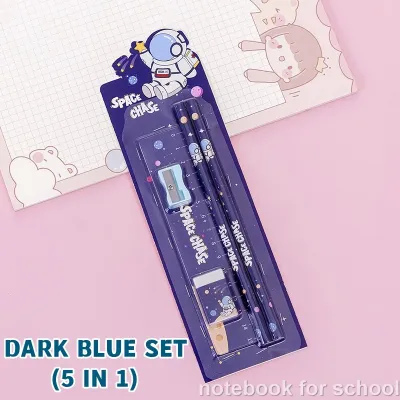
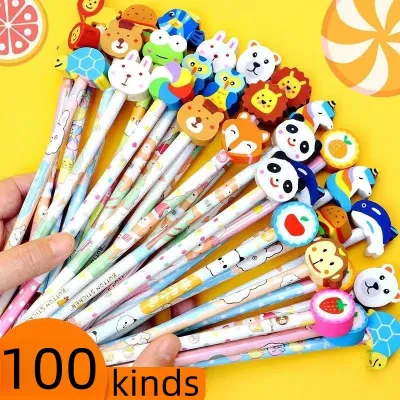
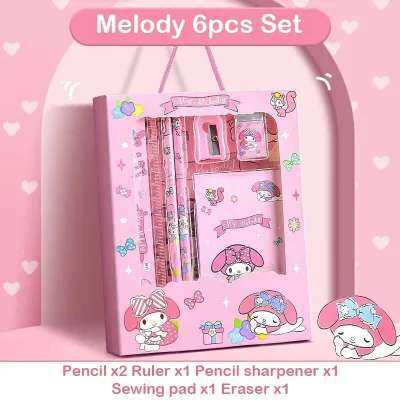
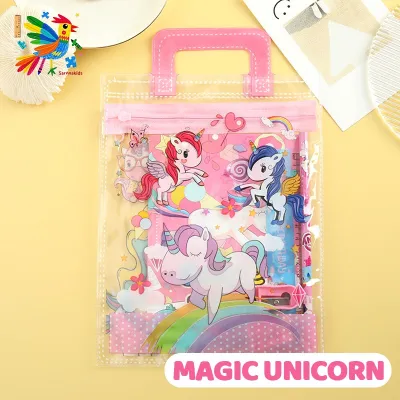
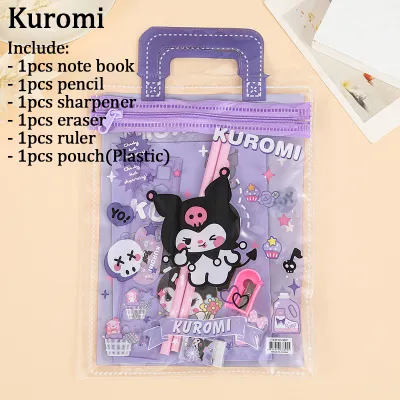
Prices are valid at publication and may change. Please refer to the product page for the latest price.
By the time children reach age 8 and older, their writing speed increases, and they must build the physical endurance required for longer school assignments and cursive writing. Their grip is generally well-established, allowing them to transition from thick beginner pencils to standard-diameter tools. This stage also marks the preparation for transitioning from pencils to ink, which introduces new challenges in terms of ink flow, drying speed, and error correction.
Best Pencil Types for Beginners and Early Writers
For young learners who are just beginning to write letters and numbers, the physical shape of the pencil plays a massive role in grip development. Triangular-barreled pencils are highly recommended by educators because their three-sided design naturally guides a child’s fingers into the correct tripod position. Unlike round or hexagonal pencils, which allow fingers to slide and bunch up, a triangular barrel provides flat surfaces that keep the thumb, index, and middle fingers properly spaced and supported.

When choosing between jumbo and standard-sized pencils, hand size should be your primary guide. Jumbo triangular pencils are ideal for preschoolers and kindergarteners because their larger diameter requires less finger flexion to hold securely, reducing muscle strain. As the child’s hands grow and their fine motor skills sharpen around first or second grade, they can gradually transition to standard-diameter triangular or hexagonal pencils.
Another crucial decision is choosing between traditional wood-cased pencils and mechanical pencils. For early school years, wood-cased pencils are almost always the superior choice because they help children develop pressure control. Mechanical pencils utilize thin, fragile graphite leads (typically 0.5mm or 0.7mm) that snap instantly under the uneven, heavy pressure common in beginner writers. Wood-cased pencils, on the other hand, offer a sturdy, solid feel and provide tactile feedback that helps children learn exactly how much downward force is needed to make a mark.
The hardness of the pencil lead also affects how a child writes and how quickly their hand tires. Pencil leads are graded on a scale from hard (H) to black/soft (B), with HB being the standard middle ground. In many classrooms, especially in tropical climates like the Philippines, 2B pencils are highly favored. Because 2B lead is softer and deposits darker graphite with minimal effort, children do not need to press down as hard to write legibly, which significantly reduces hand fatigue. However, because 2B lead is softer, it wears down faster and is more prone to smudging, particularly on humid days when paper absorbs moisture from the air.
When and How to Transition from Pencils to Pens
Transitioning from a pencil to a pen is an exciting milestone for elementary school students, but doing so too early can hinder their writing progress. A child is generally ready for ink when they demonstrate a consistent, comfortable tripod grip, can write with controlled and even pressure, and no longer rely on constant erasing to correct mistakes. Many schools introduce pens around the third or fourth grade, but parents should also check specific classroom guidelines, as some teachers prefer to delay the transition until cursive writing is introduced.
When selecting a child’s first pen, understanding the differences in ink technology is essential for ensuring a smooth writing experience. Ballpoint pens use a thick, oil-based ink that dries almost instantly, making them highly resistant to smudging. This quick-drying property is incredibly useful in humid environments where paper can remain slightly damp. However, ballpoint pens require significant downward pressure to roll the ball and transfer the ink, which can cause rapid hand fatigue in younger children who are still building hand strength.
Gel pens offer an excellent alternative for children who struggle with hand fatigue, as they use a water-based gel ink that flows incredibly smoothly with minimal pressure. The pen practically glides across the paper, allowing for a relaxed grip. The main drawback of gel pens is their drying time; the ink remains wet on the page for a few seconds, which can lead to severe smudging if a child accidentally drags their hand across the line. This is especially true on high-humidity days or when writing on glossy paper.
Rollerball pens utilize a liquid, water-based ink that flows even more freely than gel ink, providing an incredibly smooth writing sensation. However, because the ink is so fluid, it is highly prone to bleeding through thin, standard school notebook paper, creating messy spots on the reverse side of the page. For this reason, rollerball pens are generally better suited for older children who use higher-quality, thicker paper.
Erasable pens serve as a fantastic transitional bridge for students who are eager to use ink but still make frequent spelling or layout mistakes. Modern erasable pens use thermo-sensitive ink that becomes invisible when rubbed with the hard rubber tip on the end of the pen. While highly convenient, parents should be aware of a unique environmental limitation: because the ink reacts to heat, leaving a notebook in a hot car, a sunny school bag, or near a window in a warm tropical climate can cause the writing to fade or disappear entirely. If this happens, placing the notebook in a freezer for a short time can sometimes make the ink reappear, though this is not always a perfect fix.
Key Features to Check Before Buying Kids' Stationery
When browsing local stationery shops or online marketplaces, evaluating the grip design of a pen or pencil is your first line of defense against hand strain. Look for tools with built-in, gently textured, or rubberized grip zones that prevent fingers from slipping down toward the tip. Avoid buying separate, overly bulky silicone grip add-ons unless specifically recommended by an educator, as these can throw off the natural balance of the writing tool and distract children during class.
The weight and balance of the writing tool are equally critical for small hands. A pen or pencil should feel lightweight and balanced, with the center of gravity sitting closer to the writing tip rather than the back end. Avoid purchasing heavy metal pens or novelty pens featuring large, top-heavy decorative characters, charms, or thick plastic toppers. While these novelty items are visually appealing to children, they force the hand muscles to work twice as hard to stabilize the pen, leading to rapid fatigue and poor handwriting control.
Safety should always be a priority when selecting stationery for younger children, who frequently chew on the ends of their pencils or caps. Always check the packaging for non-toxic certifications, such as the “AP Non-Toxic” seal or compliance with European EN71 safety standards. Additionally, look for pens with ventilated caps that allow air to pass through in the event of accidental swallowing, which is a standard safety feature on high-quality school supplies.
Finally, consider the practical value and durability of the stationery, especially when preparing for a busy school year. Comparing the cost of multi-packs in ₱ can save you a significant amount of money, as children frequently lose or misplace their writing tools. A pack of 12 high-quality wood-cased pencils or a box of retractable gel pens often provides much better long-term value than buying individual items. Ensure that any pens you purchase have visible ink levels or readily available refills so you can easily monitor when they need to be replaced.
Common Writing Struggles and Tool Adjustments
Left-handed writers face a unique set of challenges because they push their writing tool across the page from left to right, rather than pulling it. This motion often causes their hand to drag directly over the freshly written text, leading to messy graphite or ink smudges on both the paper and their skin. To support a left-handed child, opt for fast-drying gel pens or high-quality HB wood-cased pencils, which resist smearing much better than soft 2B leads or slow-drying liquid inks.
Heavy-handed writers who constantly press down with excessive force present a different challenge. These children will frequently snap mechanical pencil leads, tear through thin notebook paper, and complain of severe hand cramping. To help them adjust, switch them to a softer 2B wood-cased pencil, which produces a dark line with very little pressure, or a smooth-flowing gel pen that requires almost no downward force to write. This physical feedback helps train them to relax their grip over time.
While adjusting writing tools can solve many common handwriting issues, it is important to recognize when a physical struggle requires professional attention. If your child experiences persistent hand pain, holds their pencil in an extremely awkward or rigid fist despite using ergonomic tools, or tires out after writing only one or two sentences, it may be time to consult an occupational therapist. They can evaluate your child’s fine motor development, shoulder stability, and hand strength to provide targeted exercises that support their writing journey.
Frequently Asked Questions (FAQ)
At what age should a child stop using triangular pencils?
There is no strict age limit or rule for when a child must stop using triangular pencils. While most children naturally transition to standard round or hexagonal pencils around ages 7 to 8 as their fine motor skills mature, many older students and even adults continue to use triangular writing tools because they find them more comfortable. If your child enjoys the feel of a triangular barrel and it helps them maintain a relaxed grip, there is no need to force a change.
Are erasable pens suitable for formal schoolwork?
Erasable pens are excellent for daily homework, spelling practice, and rough drafts where mistakes are common and easily corrected. However, they are generally not recommended for formal school examinations, official records, or signed documents. Because the thermo-sensitive ink can fade when exposed to high temperatures—such as a notebook left in a hot car or under direct sunlight—using them for critical schoolwork carries the risk of the writing disappearing before the teacher can grade it.
Do add-on pencil grips actually improve handwriting?
Add-on silicone or rubber pencil grips can be highly effective temporary tools for correcting a specific, deeply ingrained poor grip habit. However, they are not a universal cure-all for poor handwriting. For most children, starting with a naturally ergonomic, built-in triangular barrel is a better long-term solution, as add-on grips can sometimes be bulky, slide off during use, or become a distraction in the classroom.
Community discussion
Share your experience or ask a question. Comments are reviewed before publication.