
Quick Answer: Which Polvoron Wrapper Should You Choose?
Choosing the right wrapper for your polvoron depends entirely on your primary goal, as there is no single material that excels in every category. If your priority is creating elegant, traditional gifts or high-end party favors, Japanese paper offers a classic, soft aesthetic that elevates the presentation. For commercial selling or bulk distribution, cellophane is the most practical choice because it provides excellent product visibility, a basic moisture barrier, and is highly cost-effective. If you are preparing for themed events, festive holidays, or children’s parties, colorful paper offers the widest range of vibrant designs and structural rigidity.
Regardless of the material you choose, long-term freshness and grease protection depend on proper inner sealing and storage conditions. Because polvoron contains a high amount of butter or margarine, relying solely on an outer decorative wrapper without an inner barrier can lead to oil seeping through the packaging.
Material Breakdown: Japanese Paper, Cellophane, and Colorful Paper
Selecting the right wrapping material requires understanding how each option behaves when folded, twisted, and exposed to the oils in polvoron. The three primary materials commonly used for wrapping this classic treat offer distinct physical properties, visual styles, and practical limitations. Evaluating them based on texture, opacity, grease resistance, and overall presentation will help you determine the best fit for your batch.
Products mentioned in this guide
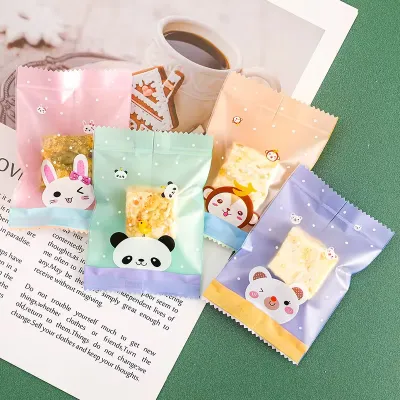
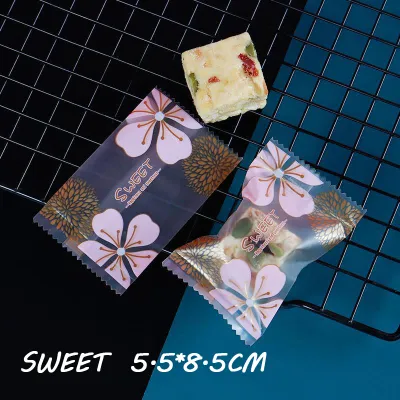
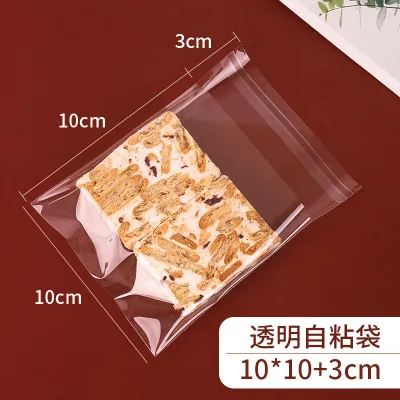
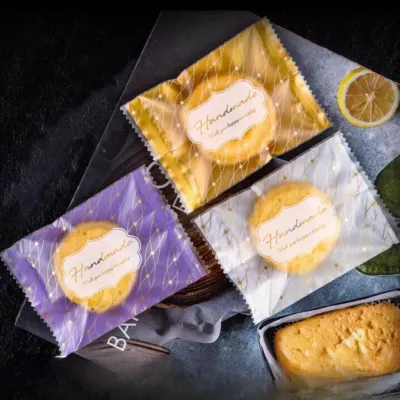
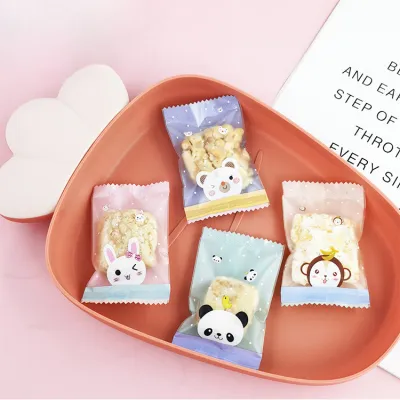
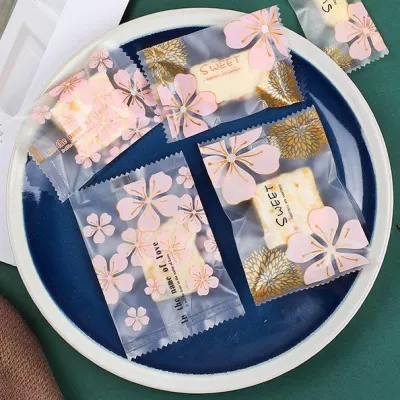
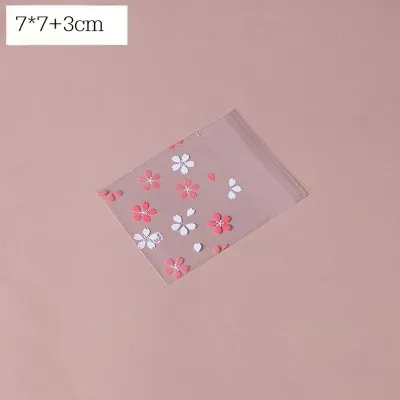
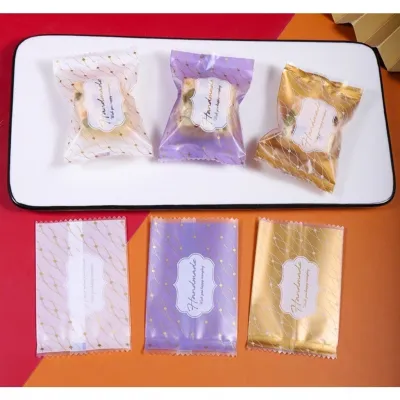
Prices are valid at publication and may change. Please refer to the product page for the latest price.

Japanese Paper
Japanese paper is highly regarded for its delicate, fibrous texture and soft, matte appearance. It provides high opacity, completely concealing the polvoron until it is unwrapped, which adds a traditional, artisanal feel to the unboxing experience. This material is the classic choice for creating the iconic fringed edges on twisted polvoron wrappers, making it highly suitable for premium gift boxes and special occasions.
However, Japanese paper is highly breathable and offers virtually no natural resistance to moisture or grease. Because polvoron contains a high proportion of melted butter or margarine, the oil can easily seep through this thin paper, creating unsightly translucent spots. To prevent this, you must use an additional inner seal, such as wax paper or a thin plastic film, before wrapping it in Japanese paper.
Additionally, Japanese paper is delicate and has low tensile strength when handled roughly. It requires a gentle hand during the folding and twisting process, as pulling too tightly can easily tear the corners. It also tends to carry a higher cost per sheet compared to basic utility papers, making it more suitable for low-volume, premium presentations rather than high-speed, bulk commercial production.
Cellophane
Cellophane is a transparent, semi-rigid film that offers a completely different packaging experience. Its primary advantage is absolute clarity, allowing the golden-brown texture of the polvoron—and any visible inclusions like pinipig, cookies and cream, or crushed nuts—to be fully displayed to the buyer. This transparency is highly effective for retail environments where visual appeal drives impulse purchases.
Physically, cellophane has a crinkly, stiff texture that holds its shape well when twisted at the ends. It provides a basic barrier against ambient humidity, which is essential in warm, tropical climates where exposed sugar and milk powder can quickly absorb moisture and become soggy. Cellophane is also highly compatible with heat-sealing equipment, allowing you to create airtight individual packets quickly.
From a cost perspective, cellophane is highly economical. It is widely available in pre-cut squares or rolls at local packaging suppliers, making it the go-to choice for home businesses and commercial manufacturers who need to scale up production. While it lacks the soft, artisanal feel of paper, its protective qualities and low unit cost make it incredibly practical for bulk distribution.
Colorful Paper
Colorful paper encompasses a wide range of lightweight wrapping papers, including matte colored sheets, glossy gift wraps, and metallic foils. This category is highly favored for themed events, such as children’s birthday parties, Christmas giveaways, and school fairs, where matching a specific color scheme is a priority. The sheer variety of patterns and finishes allows for endless creative customization.
This material offers excellent structural rigidity, making it easy to fold into clean, sharp creases. It holds its shape exceptionally well without springing open, which is particularly useful if you prefer a neat, rectangular envelope fold over a twisted tie. It is also highly cost-effective, especially when purchased in large sheets and cut down to size at home.
When using colorful paper, however, you must exercise caution regarding food safety. Many decorative papers feature inks, dyes, or metallic coatings on the surface that are not certified for direct food contact. If the paper does not have a food-safe barrier or wax coating on the interior side, you must use a food-grade inner liner to prevent the polvoron from directly touching the printed surface.
Key Decision Factors for Polvoron Packaging
To choose the most suitable wrapper, you must balance several practical factors that affect both the quality of the food and the efficiency of your preparation process.
- Freshness and Grease Resistance: Polvoron is a mixture of toasted flour, powdered milk, sugar, and a significant amount of butter or margarine. In warm climates, these fats can easily soften and migrate. If your wrapper lacks grease resistance, the oil will seep through, leaving dark, damp-looking stains on paper packaging. You must evaluate whether your chosen material can resist oil or if you need to factor in the time and cost of adding an inner greaseproof liner.
- Presentation and Unboxing Experience: The visual weight of your packaging should align with the occasion. For high-end events like weddings, corporate gifts, or premium souvenir boxes, the tactile feel of Japanese paper conveys luxury and care. Conversely, for a casual school bake sale or a neighborhood store, clear cellophane is more appropriate because customers want to see the product's size, color, and quality before purchasing.
- Cost and Scalability: If you are running a commercial venture, every centavo counts. Calculate the cost per unit of your wrapping material in ₱. Cellophane and basic colorful papers are highly budget-friendly and easy to source in bulk. Japanese paper, especially high-quality colored varieties, can significantly increase your production costs, which must be balanced against your target selling price.
- Ease of Folding and Assembly: Wrapping polvoron by hand is a labor-intensive process. Stiffer materials like cellophane and colorful paper are easier to twist or fold quickly, holding their seal with minimal effort. Soft Japanese paper requires careful, deliberate handling to avoid tearing, which can slow down your packaging line if you are preparing hundreds of pieces for an order.
Decision Framework: Matching the Wrapper to Your Goal
To make the final decision, match your primary objective to the strengths of each material:
- Choose Japanese paper if your goal is premium gifting, wedding favors, or artisanal product lines. Its classic, elegant drape and traditional aesthetic elevate the perceived value of the polvoron, making it feel like a handcrafted luxury rather than a simple sweet.
- Choose cellophane if you are selling commercially, distributing in bulk, or operating on a tight budget. The transparency showcases your product beautifully, while the moisture barrier helps maintain the dry, crumbly texture that defines high-quality polvoron.
- Choose colorful paper for festive holidays, themed parties, or school events where visual coordination is key. It allows you to match the wrappers to Christmas themes, birthday colors, or school colors easily.
Always verify the oil content of your specific recipe first. If your polvoron uses a high ratio of butter, or if you are adding moist ingredients, you will need to implement an inner lining strategy (such as wax paper or plastic film) regardless of which outer wrapper you select.
Practical Wrapping and Freshness Tips
To ensure your polvoron remains intact and visually appealing, master the classic wrapping techniques. When using the traditional twist fold, place the polvoron disc exactly in the center of your wrapper square. Fold the sides tightly over the center, then gently but firmly twist the protruding ends in opposite directions. Avoid over-twisting, which can tear delicate papers or crush the edges of the polvoron.
Using a food-safe inner liner is highly recommended for all paper-based wrappers. A small square of wax paper or a tiny, heat-sealed plastic pouch acts as an impenetrable barrier against grease and moisture. This keeps the outer Japanese or colorful paper looking pristine and dry, preventing any oil transfer to the consumer’s hands.
Finally, store your wrapped polvoron in a cool, dry place away from direct sunlight. In humid environments, sugar can sweat and butter can melt, causing the polvoron to lose its structural integrity and crumble inside the wrapper. Airtight plastic containers or tin cans are excellent secondary storage options to keep your wrapped treats fresh and firm until they are ready to be enjoyed.
Frequently Asked Questions (FAQ)
Can I use regular printer paper or construction paper for polvoron?
It is highly discouraged to use standard printer paper, notebook paper, or construction paper for wrapping polvoron. These materials are not certified food-safe and often contain chemical bleaching agents, synthetic dyes, or sizing agents that can transfer to the food. Furthermore, standard office papers have poor grease resistance and will quickly absorb the butter from the polvoron, resulting in messy, stained packaging that compromises both hygiene and presentation.
How do I prevent grease stains from showing through the wrapper?
The most effective way to prevent grease stains is to use a double-wrapping method. First, wrap the polvoron in a food-grade barrier material, such as wax paper, glassine paper, or a thin plastic film. Once this inner layer is secure, wrap it in your decorative outer paper, such as Japanese paper or colorful gift wrap. This inner barrier completely blocks oil migration, keeping the outer wrapper clean, vibrant, and dry.
Is it necessary to use a sticker or tie to secure the wrapper?
It is not strictly necessary if you use traditional folding techniques, such as the classic twisted end or a tight envelope fold, which naturally lock the wrapper in place. However, using a small adhesive sticker, a colorful ribbon, or a metallic twist tie can add both structural security and aesthetic value. For commercial selling, a branded sticker serves as a professional seal, provides tamper evidence, and helps build brand recognition among your customers.
Community discussion
Share your experience or ask a question. Comments are reviewed before publication.